
Small vs Large Hermès Bags: Which Sizes Are More Liquid in the Resale Market?
TL;DR
In the small vs large Hermès bags debate, smaller and mid-sized classics usually win on resale liquidity. Bags like the Birkin 25, Birkin 30, Kelly 25, Kelly 28, and Constance 18 tend to attract broader demand because they feel current, versatile, and easier to carry. Larger formats such as the Birkin 35, Birkin 40, and Kelly 32 can still perform well, especially in classic colours and excellent condition, but they usually appeal to a narrower buyer pool and require more patience to sell. Size matters, but it never works alone. Leather, colour, hardware, condition, documentation, and timing all shape how quickly a Hermès bag moves.
Check out our Hermès collection and Birkin bags!
When people compare small vs large Hermès bags in the resale market, they are usually asking two questions at once. Which size is easier to sell, and which size gives the seller the most flexibility when demand shifts. In Hermès, those answers rarely come down to hype alone. Supply is tight by design, buyer preferences cluster around certain formats, and the bags that feel the easiest to wear often become the easiest to move.
That does not mean every small bag is automatically liquid, or that every large one is a slow seller. A Birkin 30 in a classic leather can behave very differently from a Birkin 40 in a seasonal shade. The same goes for Kelly and Constance sizes.
Below, we break down how size affects liquidity, where smaller formats tend to lead, where larger bags still hold appeal, and which details matter most once the bag actually reaches the resale market.
Key Takeaways
- Smaller Hermès bags, especially compact and versatile classics, usually attract the broadest resale demand.
- Larger formats can still sell well, but they often depend more heavily on classic specs, practicality, and buyer timing.
- The most liquid bags combine the right size with strong condition, classic leather, neutral colour, and trusted documentation.
Understanding Liquidity in the Hermès Resale Market
Liquidity, in this context, is about how fast you can sell a Hermès bag at a fair market price without repeated discounts or drawn-out negotiations. Resale value matters, but liquidity is about speed and depth of demand. A liquid bag attracts serious interest quickly. A less liquid bag may still sell well, but it usually requires more patience and a more specific buyer.
What Liquidity Really Means
Liquidity and resale value are not the same thing. One bag may eventually command a strong premium, yet take time to place. Another may sell more quickly at a steadier price because more buyers are comfortable purchasing it. For sellers, that difference matters. Speed can be just as important as the final number.
This is why certain Hermès sizes stand out. When buyers recognize the format, trust the specs, and feel confident the bag will work across many settings, it becomes easier for that piece to move. In practice, the most liquid bags are usually the ones with the broadest overlap between style, practicality, and established buyer demand.
Why Hermès Behaves Differently
Hermès is not a typical luxury resale category. Supply is intentionally limited, and flagship lines such as the Birkin, Kelly, and Constance are not as straightforward to buy as many other luxury bags. That scarcity helps support a resale market in which certain sizes and configurations keep attracting strong attention, especially when the bag looks easy to wear and easy to trust.
Still, not every Hermès bag is equally liquid. Size shapes how many people can imagine carrying the bag, how often they would use it, and how current it feels within the wider fashion cycle. Smaller and mid-sized bags often sit in the strongest position because they meet more lifestyles without feeling overly niche.
What Else Shapes Liquidity
Size is only one driver. Leather, colour, hardware, condition, documentation, listing quality, and overall market mood all influence whether a bag moves quickly or lingers. A classic size in poor condition can stall. A larger size in pristine condition, neutral colour, and strong provenance can outperform expectations. That is why size works best as a starting point, not a stand-alone rule.
Hermès Bag Size Overview and Nomenclature
Before comparing small and large formats, it helps to understand how Hermès names its sizes. The house usually identifies bag sizes with numbers tied to dimensions in centimetres, and those numbers directly affect how the bag wears, what it holds, and how broad the resale audience will be.
Birkin, Kelly, and Constance at a Glance
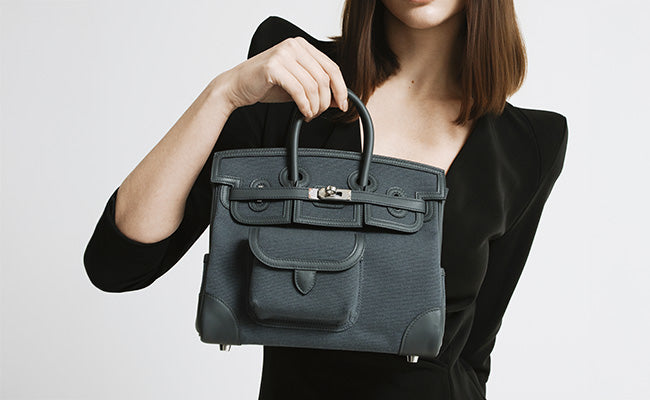
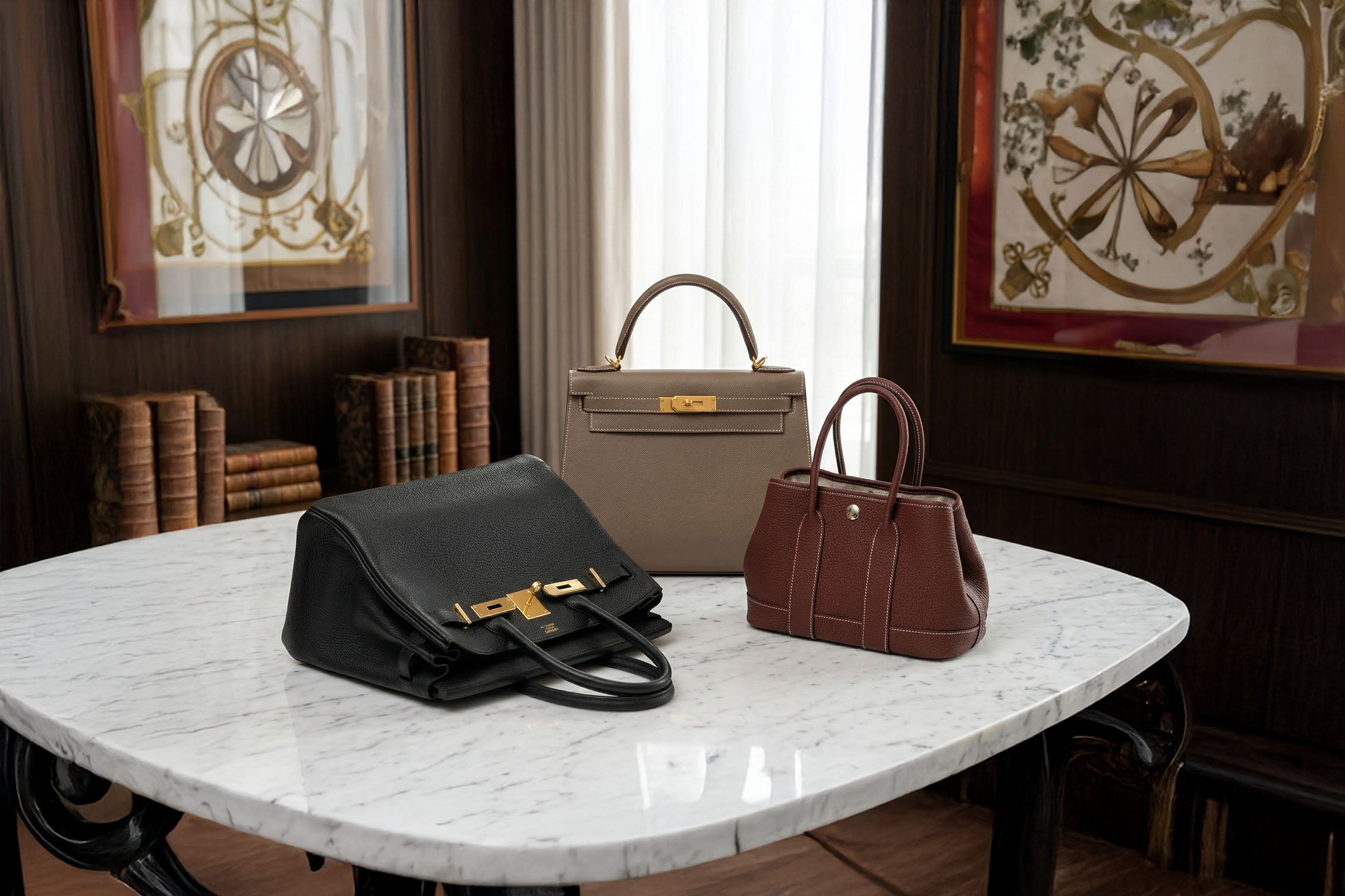
The Birkin is most commonly discussed in 25, 30, 35, and 40. The Kelly is often compared in 25, 28, 32, and 35, with mini and larger formats also part of the family. The Constance is usually seen in smaller sizes, including 18 and 24, which helps explain why it often enters the resale conversation through the lens of compact, hands-free wear.
These numbers are not just technical labels. They shape the way the bag feels in real life. A Birkin 25 reads very differently from a Birkin 35. A Kelly 28 can feel poised and practical, while a Kelly 32 leans more decisively into day bag territory. The Constance, with its sliding strap and flatter profile, brings a different kind of versatility altogether.
How Size Changes Practical Use
A smaller bag is lighter, easier to carry, and often closer to what buyers want for everyday wear today. A Birkin 25 fits essentials and makes a strong statement without feeling oversized. The Birkin 30 offers more room and wider day-to-day flexibility. Kelly 25 and 28 occupy a similar sweet spot for buyers who want structure and elegance without sacrificing usability.
Larger bags shift the balance. Birkin 35, Birkin 40, and Kelly 32 offer real storage, and that practicality still matters. For work, travel, or buyers who simply prefer a fuller silhouette, large sizes can make perfect sense. The trade-off is that the buyer pool narrows because not everyone wants to carry a larger top-handle bag regularly.
Common Formats and Resale Tendencies
| Model | Common Sizes | How They Usually Read | General Resale Pattern |
|---|---|---|---|
| Birkin | 25, 30, 35, 40 | From compact statement bag to travel-ready carryall | 25 and 30 usually attract the broadest demand |
| Kelly | 25, 28, 32, 35, plus mini and larger formats | Structured, polished, and formal to flexible depending on size | 25 and 28 tend to feel the easiest to place |
| Constance | 18, 24, 29 | Compact shoulder or crossbody wear | Smaller sizes usually feel strongest in resale |
Why Small Hermès Bags Usually Lead on Liquidity
Small Hermès bags, and especially the compact to mid-sized classics, tend to dominate resale liquidity because they line up with how many buyers actually live and dress. They feel current, manageable, and aspirational, and they usually bring together the widest mix of collectors, first-time buyers, and long-term Hermès clients.
Broad Buyer Appeal
Birkin 25, Birkin 30, Kelly 25, Kelly 28, and Constance 18 all benefit from broad recognition and strong day-to-day appeal. They work as statement pieces, but they also feel usable. That balance matters. Buyers are often more confident spending at the top end of the resale market when the bag can move between occasions instead of serving only one purpose.
The Birkin 30 is especially important here. It has enough room for daily life while still feeling sleek and current. The Birkin 25, by contrast, leans more compact and fashion-forward. Together, they cover the part of the size spectrum that tends to generate the strongest, most consistent demand.
Why Certain Small Formats Feel Safer to Buy
Smaller bags also benefit from clear visual identity. They photograph well, look polished in listings, and often feel easier for buyers to evaluate online. That can matter in resale, where confidence is part of what creates speed. A Kelly 25 in structured leather or a Constance 18 in a neutral shade immediately reads as a familiar, proven format.
Versatility helps too. Many buyers want one Hermès bag that can cover a lot of ground. Compact or mid-sized formats usually answer that need better than very large or very tiny bags. They fit current style preferences without becoming impractical, which keeps demand relatively deep even when the market softens.
Where the Small Segment Can Still Slow Down
Small bags are not automatically liquid in every configuration. When the price feels too aggressive, the colour is highly specific, or the format becomes more collectible than functional, the buyer pool can narrow quickly. Mini styles are a good example. They can be highly desirable, but they also depend on a buyer who is comfortable prioritizing fashion and rarity over capacity.
That is why the strongest performers are often not the tiniest bags, but the most balanced ones. Birkin 30 and Kelly 28 often sit in that sweet spot. They still benefit from the preference for smaller silhouettes, yet they remain practical enough to appeal to buyers who want a true daily bag.
How Large Hermès Bags Perform in the Resale Market
Large Hermès bags do not disappear in resale. They simply behave differently. Their audience is narrower, their use case is more specific, and their performance usually depends more heavily on classic colours, strong condition, and a seller willing to wait for the right buyer.
The Strengths of Larger Formats
Birkin 35, Birkin 40, and Kelly 32 still appeal to buyers who value space, function, and a more traditional presence. For work, travel, or everyday carrying with real storage needs, larger Hermès bags can be more practical than smaller ones. That practicality gives them a loyal audience, particularly among buyers who care less about trend cycles and more about use.
These sizes can also offer a different kind of value. Buyers who find compact quota bags too precious or too limited in capacity may prefer a larger format that feels more substantial and easier to live with. In that sense, large bags are not weaker so much as more selective in their appeal.
Why They Usually Move More Slowly
The challenge is market depth. Fewer buyers want a large top-handle bag today, especially when daily routines lean lighter and more mobile. Smaller bags fit better with current preferences for portability, while larger formats ask the buyer to commit to a more specific lifestyle and silhouette.
That shift shows up most clearly when similar specs are compared across sizes. A Birkin 35 in a classic neutral can still sell well, but it usually does not attract the same immediate response as a Birkin 30 or Kelly 28 in similarly strong condition. The larger the bag, the more every other detail has to work in its favour.
When Large Bags Surprise the Market
There are exceptions. Rare colours, exceptional condition, discontinued formats, or unusual collector appeal can make a larger Hermès bag more compelling than expected. A large bag can also outperform when practicality comes back into focus or when a particular configuration feels under-supplied.
Still, scarcity alone does not guarantee liquidity. A rare large bag may attract admiration and even strong pricing, but it often needs a more specific buyer. In resale, that usually means more patience and less room for broad, immediate demand.
What Changes Liquidity Beyond Size
Even in a size-driven market, the details around the bag can change everything. Once you move beyond headline dimensions, the fastest sellers tend to be the pieces that feel easy to trust, easy to style, and easy to own.
Condition and Preservation
Condition is one of the clearest liquidity drivers in any Hermès category. Sharp corners, clean interiors, polished hardware, and honest condition reporting all help a bag move faster. Buyers may accept signs of age, especially on well-loved classics, but visible wear almost always narrows the audience.
This is also where storage and care matter. Hermès notes that leather is a living material that softens, develops patina, and reacts to light, heat, humidity, and contact with other materials, which is why preservation plays such a direct role in how a bag presents on the secondary market.
Leather, Hardware, and Colour
Leather influences both appearance and buyer confidence. Structured, durable leathers often photograph well and make online buyers feel more comfortable. Hardware matters too, not because one finish is always better, but because buyers often gravitate toward the combinations that feel most classic and wearable.
Hermès notes that its hardware is typically plated in fine gold, palladium, or permabrass, which helps explain why hardware finish is treated as an integral part of the bag’s identity rather than a minor detail. Neutral colours usually remain the safest resale choice because they cross seasons and wardrobes more easily. Highly specific seasonal shades can still perform, but they usually depend on more exact buyer taste.
Documentation and Trust
Original packaging, receipts, and strong authentication do not create demand on their own, but they reduce hesitation. That matters in resale. A bag with clear provenance usually feels easier to buy, especially at higher price points or in competitive formats where buyers have options.
Well-presented documentation also helps bridge the gap between private sale and boutique reassurance. When a seller can show a complete, carefully preserved package, the bag often feels more credible and more desirable, regardless of size.
Choosing the Right Size for Resale and Collection Strategy
For most buyers and sellers, the goal is not to chase the smallest bag at any cost or to dismiss larger formats entirely. The goal is to understand where personal use and marketability overlap. That is usually where Hermès performs best over time.
For Sellers Focused on Liquidity
If speed matters most, the safest direction is usually a classic, versatile format. Birkin 25 and 30, Kelly 25 and 28, and smaller Constance sizes tend to attract the deepest demand because they feel wearable, recognizable, and current. Pair that with neutral colour, strong condition, and trusted provenance, and the resale path is usually more straightforward.
That does not mean you should buy only what seems easiest to sell. It means understanding that the closer a bag sits to the market’s comfort zone, the easier it is to find a buyer without heavy compromise.
For Collectors Balancing Use and Long-Term Appeal
Collectors often benefit from range. A compact or mid-sized classic can anchor the practical side of a collection, while a larger bag can cover travel, work, or a more traditional silhouette. When preferences shift, that breadth can be useful.
The most thoughtful collections are rarely built on size alone. They are built on balance: a bag you would genuinely enjoy carrying, combined with specs that the market already understands. In Hermès, that often matters more than chasing rarity for its own sake.
Final Thoughts
In the small vs large Hermès bags conversation, smaller and mid-sized classics usually have the edge because they appeal to more buyers and fit more lives. Larger formats still have a place, especially for collectors who value function, presence, or rarity, but they generally require more patience.
If you are weighing which size to buy or sell next, Rome Station can help you look at the bag through both a style lens and a resale lens.
Fact Check and Data Sources
For brand-specific points, this article relies on official Hermès sources rather than third-party summaries. Hermès confirms that the Kelly is available from size 40 to mini format, that the Constance is designed with a sliding strap for shoulder wear, and that Birkin, Kelly, and Constance handbags are sold exclusively in Hermès stores. Hermès also notes that its leather is full grain and that its hardware is typically finished in gold, palladium, or permabrass. Birkin, Kelly, Constance, Leather Care Instructions.
Frequently Asked Questions
Buyers comparing small and large Hermès bags usually care about speed, practicality, and which specs feel safest in resale. These quick answers focus on those decision points without repeating the main body.
Are smaller Hermès bags always more liquid than larger ones?
Not always, but they usually have the advantage. Smaller and mid-sized classics tend to appeal to more buyers, while larger bags depend more heavily on the right colour, leather, condition, and timing.
Which Hermès sizes usually feel like the safest resale choice?
Versatile classics such as the Birkin 25, Birkin 30, Kelly 25, and Kelly 28 usually sit in the safest zone because they balance visibility, wearability, and broad demand.
Can large Hermès bags still hold strong resale appeal?
Yes. Large Hermès bags can still perform well, especially when they are in excellent condition and come in classic, easy-to-style combinations. They simply tend to attract a narrower audience.
Does colour matter as much as size?
In many cases, yes. A classic neutral in the right leather can make a bag far easier to place, while a highly specific seasonal shade can slow demand even in a popular size.
What helps a Hermès bag sell faster regardless of size?
Strong condition, clear authentication, original accessories, honest photos, and a configuration that buyers already understand all help. Size opens the door, but trust often closes the sale.
Love Hermès? See More from Rome Station
Add us to your Preferred Sources on Google to see our newest Hermès guides and insider tips first.