
Store-Fresh vs Full Set Hermès Bags: Which Gets Higher Offers on Consignment?
TL;DR
In the store-fresh vs full set Hermès bags comparison, condition usually comes first. A pristine bag without every original extra can still outperform a more worn example with complete packaging. But when two bags are otherwise close in condition, the full set often earns the stronger consignment offer because it adds buyer confidence, presentation, and provenance. For newer, highly collectible, or exotic Hermès bags, complete accessories and documentation matter even more.
Check out our Hermès collection and Birkin bags!
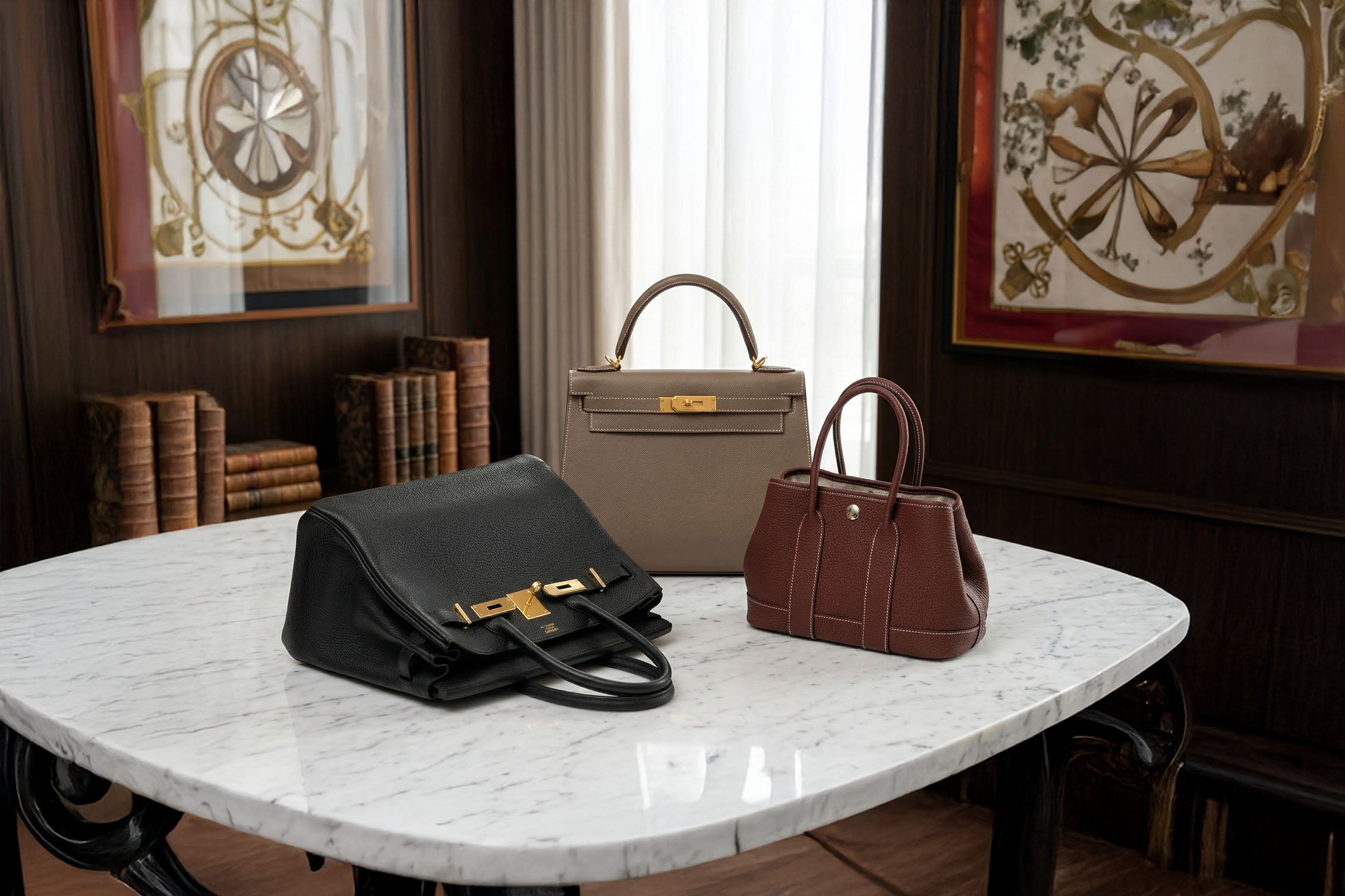
When you are getting ready to consign a Hermès bag, one question always comes up: does store-fresh condition matter more than having every original piece of packaging and accessories? It is a fair question, and the answer is not as simple as many sellers expect. In the store-fresh vs full set Hermès bags debate, both condition and completeness drive value, but they do not carry the same weight in every situation.
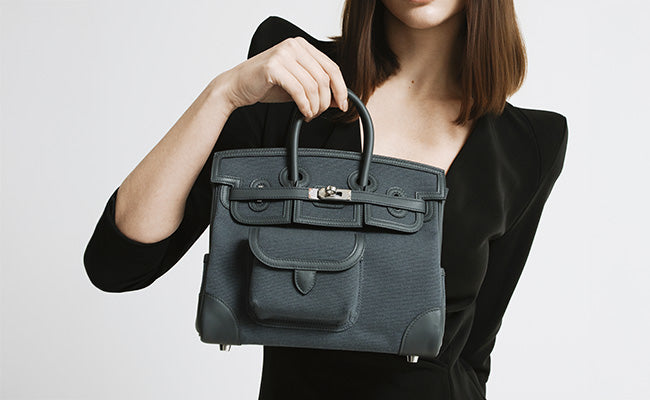
A Birkin 30 in beautiful, untouched condition can still outshine a gently used example with more extras. But if two bags show similar wear, the one with the stronger set of original accessories usually has the edge. Knowing which factor matters more for your specific bag helps you set realistic expectations and consign more strategically.
This guide breaks down how store-fresh condition, full-set completeness, authentication, and buyer psychology shape offers on the secondary market.
Key Takeaways
- Condition usually has the strongest influence on a Hermès consignment offer.
- A full set matters most when the bag is already in excellent or store-fresh condition.
- For newer, iconic, or exotic Hermès bags, documentation and model-specific accessories can meaningfully strengthen buyer confidence.
What Store-Fresh and Full Set Really Mean
Before comparing value, it helps to separate these terms clearly. Store-fresh is about physical condition. Full set is about completeness. A bag can be one without being the other, and consignors often confuse the two.
What Store-Fresh Really Means
Store-fresh means near-perfect condition. The leather looks untouched, the corners stay clean, the interior is spotless, and the hardware appears free from visible wear. A bag may have been handled carefully, but if there is no real sign of use, it can still read as store-fresh.
Even small details matter here. Faint scratches on a turn lock, softened handles, slight corner darkening, or interior marks can move a bag out of the store-fresh category. Proper storage matters too. Hermès notes that leather is a living material that evolves over time and should be protected from humidity, prolonged exposure to light, and extreme heat. Those factors can affect appearance even when a bag has hardly been used.
What Counts as a True Full Set
A full set means the bag comes with the original pieces that would reasonably be expected at purchase. That usually includes the dust bag, box, care booklet, and, where available, the original receipt or invoice. For Birkin and Kelly bags, model-specific accessories matter just as much. A Birkin or Kelly is not truly complete without its padlock, keys, and clochette. A Kelly should also have its detachable shoulder strap if it was originally issued with one.
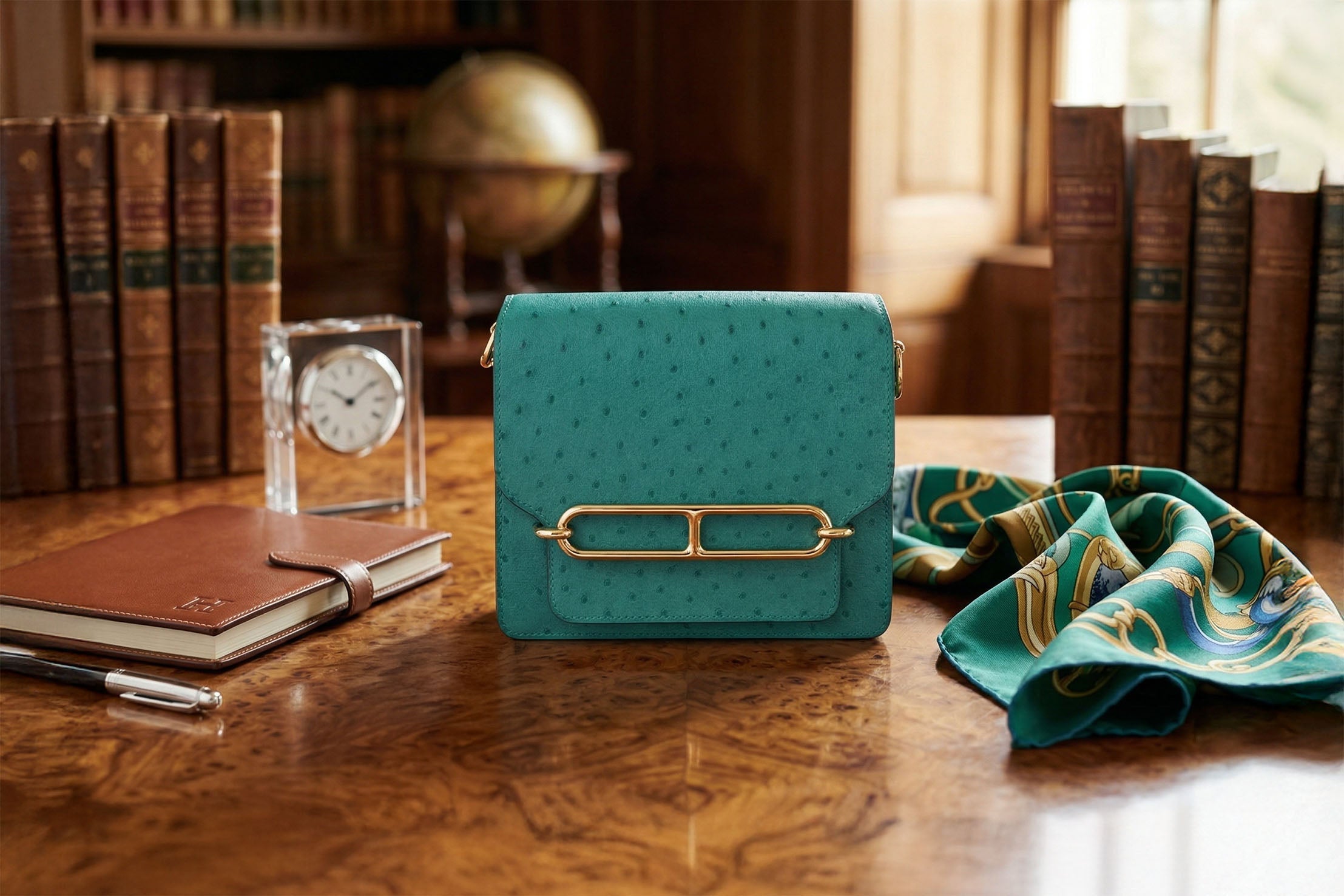
For exotic bags, collectors tend to scrutinize completeness even more closely. Packaging and accessories do not outweigh condition, but they do reinforce authenticity, provenance, and careful ownership. That is why a full set often becomes the deciding advantage once the bag itself is already in strong shape.
| Component | How It Affects the Offer |
|---|---|
| Dust bag and box | Help presentation and suggest careful storage |
| Receipt or invoice | Strengthens provenance and buyer confidence |
| Padlock, keys, clochette | Important for Birkin and Kelly completeness |
| Kelly strap | Important where originally included |
| Care booklet and related papers | Helpful supporting materials |
| Ribbon and shopping bag | Nice to have, but usually less important |
Which Matters More on Consignment
In practice, the answer is usually condition first, completeness second. That is the clearest way to understand store-fresh vs full set Hermès bags from a consignment perspective.
Why Condition Usually Leads
Buyers notice wear immediately. Corner rubbing, scratches on hardware, interior marks, softened structure, and handle darkening all affect how a Hermès bag is perceived. A pristine bag photographs better, reads as lower risk, and appeals to a broader range of buyers. That makes it easier for a consignment platform to price and place.
So if the choice is between a worn full set and a pristine bag-only piece, the pristine one often wins. A full set can support value, but it rarely rescues a bag from visible wear. For most buyers, the object itself remains the core of the purchase.
When a Full Set Tips the Scale
If two bags are close in condition, the full set usually gets the stronger offer. That is because completeness adds reassurance. It can make the bag feel better preserved, easier to authenticate, and more collectible. For gift buyers and detail-oriented collectors, it also improves the overall presentation.
This tends to matter more for newer bags, iconic models, and exotic skins. With those pieces, buyers are often more exacting about documentation and accessories. Vintage bags are a little different. Over time, original packaging becomes less expected, so the market often places even more weight on condition, authenticity, and rarity.
The Four Common Scenarios
Most consignors fall into one of four buckets: store-fresh with full set, store-fresh without full packaging, gently used with full set, or gently used without extras. The strongest position is obvious: store-fresh with full set. That combination offers both visual appeal and buyer confidence.
After that, store-fresh without full packaging can still perform very well, especially for a highly desirable Birkin or Kelly. Gently used with a full set remains attractive, but only if the wear is light and the accessories are genuinely complete. Gently used without the original extras is usually the weakest position because it loses points on both condition and presentation.
Why Buyers Care So Much About Completeness
Full-set value is not just about boxes and ribbons. It is tied to how buyers assess trust, care, and long-term desirability in the secondary market.
Authentication and Provenance
Original receipts and model-specific accessories can strengthen provenance. They do not replace professional authentication, but they can make a buyer feel more comfortable moving forward. Hermès also confirms that the Kelly, Birkin, and Constance are sold exclusively in Hermès stores, which helps explain why documented boutique origin carries weight in resale conversations.
That does not mean a bag without a receipt is a problem. Many excellent Hermès bags circulate without full paperwork, especially older ones. But when available, original documentation can make the consignment process smoother and the presentation stronger.
Signals of Care and Storage
A complete set also signals that the owner kept things together and likely stored the bag thoughtfully. That impression matters. Hermès advises protecting leather from water, humidity, intense light, and heat, and notes that leather can soften, change colour, and develop patina over time. Bags that come with their original storage pieces often feel better preserved, even before a close inspection begins.
That said, packaging condition matters too. A crushed box or mismatched dust bag does not deliver the same benefit as era-appropriate pieces in good order. Serious buyers notice those details.
How Hermès Details Affect the Comparison
Some features of Hermès craftsmanship help explain why condition is so closely studied and why buyers examine certain parts of the bag so carefully.
Leather, Hardware, and Visible Wear
Different leathers wear differently, which changes how quickly a bag falls out of store-fresh territory. Structured leathers can preserve shape beautifully, while softer leathers may show corner wear or handle darkening sooner. Hardware also plays a major role in grading because scratches are easy to spot.
Hermès states that the metal pieces used on its leather goods are, for the most part, exclusive to the house and are usually made of brass, polished by hand, and plated with fine gold, palladium, or permabrass. That helps explain why buyers look so closely at clasps, feet, padlocks, and plaques when judging condition.
Craftsmanship and Collector Appeal
Hermès places strong emphasis on hand craftsmanship, and that reputation shapes the secondary market. On its official content pages, the house describes the saddle stitch as a signature technique and notes that each stitch is applied by hand in a precise, repeated gesture. Hermès also explains that the two ends of the same thread are crossed through the leather to create a robust assembly.
For consignors, this matters because buyers do not just see a handbag. They see construction quality, longevity, and an object with lasting collector appeal. That is another reason visible wear is judged so closely. The market expects craftsmanship that can endure, so condition becomes part of the proof.
Model-Specific Expectations
Not every Hermès bag is judged in exactly the same way. Kelly and Birkin buyers tend to be especially attentive to completeness because these bags have identifiable model-specific accessories. Hermès describes the Kelly line as available from size 40 to mini format, while its Birkin content highlights the bag’s heritage leather story and enduring design identity. Those details reinforce how strongly these lines are positioned as iconic pieces, which naturally raises buyer expectations on the secondary market.
That is why a missing strap on a Kelly or missing lock set on a Birkin tends to matter more than a missing shopping bag or ribbon. Some extras are decorative. Others are part of the bag’s expected identity.
Practical Consignment Guidance
If you are preparing a Hermès bag for consignment, the goal is not just to describe it well. It is to present it in the clearest, most confidence-building way possible.
What to Prioritize Before You Submit
Start with condition. Inspect the corners, handles, hardware, interior, feet, and overall structure. Be honest about even minor wear. A precise description leads to better pricing conversations and fewer surprises later.
Next, gather everything you still have. Dust bag, box, receipt, care booklet, clochette, lock, keys, strap, rain cover, and any other original accessories should be kept together. If you no longer have every piece, that is fine. Just be exact about what is included.
How to Frame the Bag Correctly
Do not call a bag store-fresh if it only looks very good at a glance. Buyers and consignors use that term narrowly, and disappointment after inspection can hurt trust. If a bag is closer to like-new than truly untouched, say so.
Likewise, do not call it a full set unless the components genuinely match what the bag should have. Completeness is not just about quantity. It is about relevance and correctness.
What Usually Wins in the End
For most Hermès consignments, the hierarchy stays consistent. First comes condition. Then comes model demand, leather, colour, and size. After that, completeness and documentation help sharpen the offer. Full sets do not replace store-fresh quality, but they often elevate an already strong bag from desirable to especially compelling.
Final Thoughts
Between store-fresh vs full set Hermès bags, store-fresh condition usually carries the most weight on consignment. But when condition is already strong, a true full set can absolutely strengthen the offer and make the bag easier to place.
If you are considering consigning your Hermès bag, Rome Station can help you assess both condition and completeness with the level of care these pieces deserve.
Fact Check and Data Sources
This article prioritizes market logic that can be reasonably supported and avoids unsourced resale percentages, price ranges, and timing claims. Brand-specific references were limited to official Hermès sources, including Hermès pages on leather care, the Kelly and Birkin collections, craftsmanship, and product availability.
Hermès confirms that leather changes over time and should be protected from humidity, light, and heat; that Hermès hardware is typically brass with fine gold, palladium, or permabrass plating; that the saddle stitch is a house signature; and that Kelly, Birkin, and Constance handbags are sold exclusively in Hermès stores.
Hermès Leather Care Instructions
Hermès Leather Stories: The Saddle Stitch
Hermès Product Availability
Frequently Asked Questions
What makes Rome Station Canada’s premier destination for Hermès?
Does a store-fresh Hermès bag usually beat a full-set bag with wear?
Is a receipt necessary to consign a Hermès bag?
What matters most in a Hermès full set?
Do vintage Hermès bags need full packaging to perform well?
How should I describe my Hermès bag before consigning it?
Love Hermès? See More from Rome Station
Add us to your Preferred Sources on Google to see our newest Hermès guides and insider tips first.