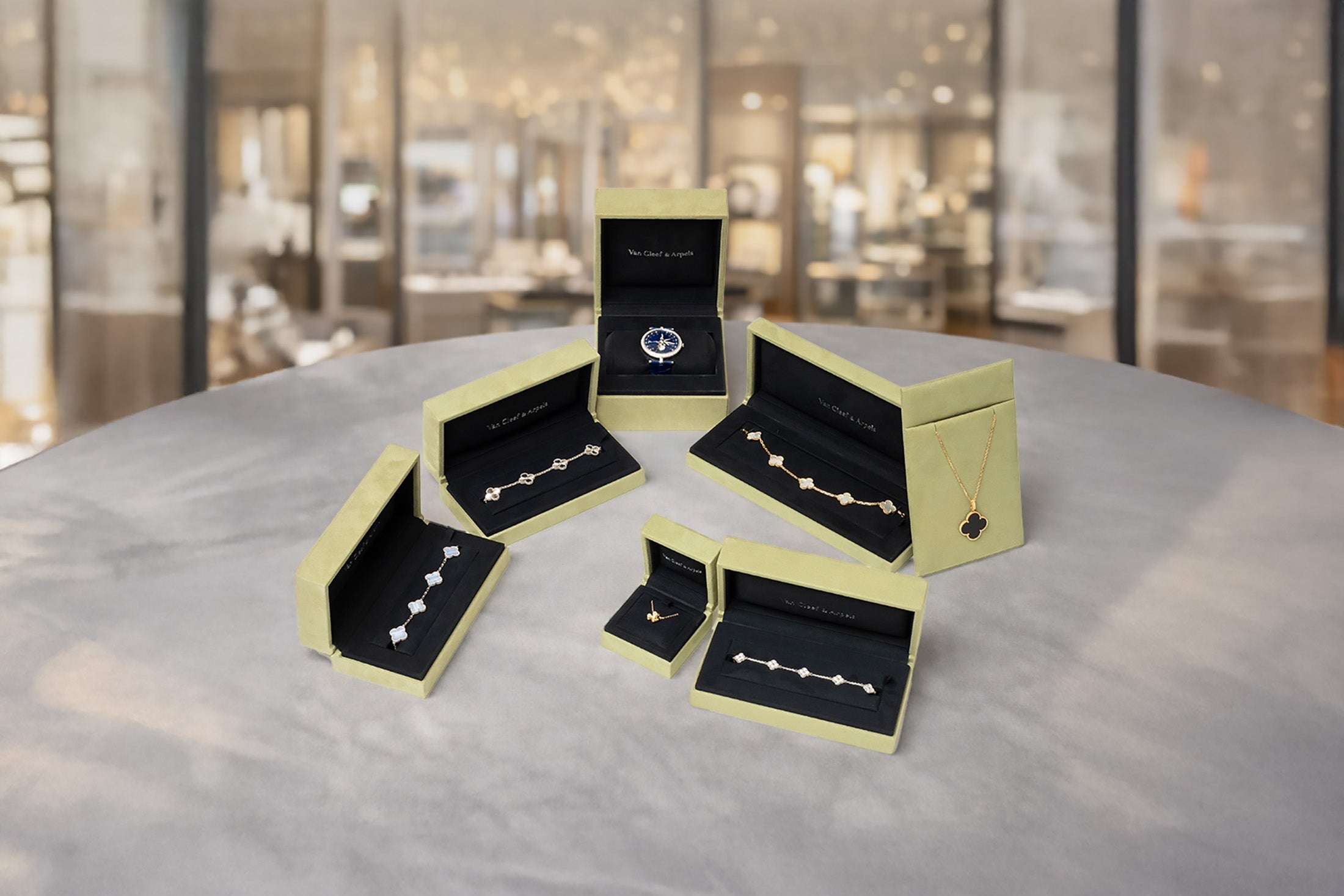

Why Van Cleef & Arpels Alhambra Jewelry Holds Exceptional Resale Value
Check out our Hermès collection and Birkin bags!
Van Cleef & Arpels Alhambra jewelry isn’t just beautiful, it’s one of the savviest luxury buys out there.
Most jewelry tanks in value the second you leave the boutique, but Alhambra pieces routinely hold onto 80-90% of their original price, and some vintage or rare editions even resell for more than what they cost new. That’s almost unheard of in this industry.
The iconic four-leaf clover has been charming collectors since 1968, outlasting trends and attracting fans across generations.
If you’re mulling over your first Alhambra piece or just curious about why these little clovers keep their value so stubbornly, it’s worth digging into what’s behind their resale strength. That’s how they’ve ended up as both status symbols and legitimate investments.
Exceptional craftsmanship, top-tier materials, a dash of strategic scarcity, and steady demand all mix together to create a resale market that honestly rivals the most stable luxury categories.
Let’s get into what actually makes Alhambra jewelry such a reliable store of value, and why, right now, these pieces are hotter than ever.
Key Takeaways
- Alhambra jewelry keeps 80-90% of its retail value thanks to craftsmanship, timeless design, and enduring collector demand
- Materials matter, a lot. Diamond pavé pieces fetch the highest prices, and discontinued stones like malachite can command big premiums
- Limited production, regular price hikes, and strategic discontinuations all help create the kind of scarcity that fuels the secondary market for authentic pieces
What Sets Van Cleef & Arpels Alhambra Jewellery Apart
The Alhambra collection stands out for its roots in 1960s Paris, its instantly recognizable four-leaf clover design, and its ongoing popularity with collectors who see these pieces as both adornment and investment.
Origins of the Alhambra Collection
Van Cleef & Arpels launched Alhambra in 1968, during a time when the house was busy reinventing fine jewelry for modern women. The collection grew out of La Boutique, which opened in Paris in 1954 to sell more accessible pieces for daily wear, not just gala nights.
The first piece was a 20-motif opera-length necklace that immediately got people talking. Jacques Arpels, a big believer in luck, took inspiration from both the four-leaf clover and the arches of Spain’s Alhambra Palace. That’s where the name and the motif come from.
Grace Kelly was an early fan, and her love for the design helped cement Alhambra as a status symbol. The collection marked a shift in luxury jewelry, making it something you could wear every day, not just on special occasions.
Signature Four-Leaf Clover Motif
That rounded quatrefoil shape is the heart of every Alhambra piece. The beaded gold border gives each one a soft, unmistakable silhouette. You’ll see this clover across necklaces, bracelets, earrings, and rings, always familiar but never boring.
Van Cleef & Arpels uses all sorts of materials for these motifs:
- Mother-of-pearl (white, grey, or pink)
- Hardstones (onyx, malachite, carnelian, tiger’s eye)
- Precious metals (guilloché gold, plain gold)
- Diamonds (pavé-set or bordered)
Each clover gets a gold border with those signature beads, a detail that takes real skill to pull off. The brand’s stuck to this design for over 55 years, but they still manage to keep things fresh with new materials, sizes (from mini to magic), and colors. It’s a tricky balance, keeping the look consistent without letting it get stale.
Iconic Status Among Collectors
Alhambra has pulled off what most jewelry collections can only dream of: cross-generational appeal that stretches from royalty to celebrities to everyday folks who just love a little luxury. You’ll spot these pieces at red carpets and Sunday brunches alike.
Collectors go wild for discontinued materials like tiger’s eye, lacquered wood, and certain guilloché finishes. The original 20-motif necklaces are especially prized, particularly in rare colorways where matching stones is a serious feat. Limited-edition holiday releases and the now-retired Lucky Alhambra (with 12 different motifs) fetch serious premiums.
Scarcity only makes things more intense. Van Cleef & Arpels keeps production tight, and crowd favorites like turquoise in white gold are often impossible to find at boutiques. That pushes collectors to the resale market, where authenticated pieces barely ever lose value.
Craftsmanship and Quality: The Backstory to Resale Success
Van Cleef Alhambra pieces hold their value because each one is the result of hundreds of hours of handwork, signature finishing techniques, and quality standards that most jewelry houses just can’t match.
Meticulous Handcrafting Techniques
Every Alhambra piece starts with artisans who cut, shape, and set everything by hand. These craftspeople train for years before they’re trusted with the real thing, and you can see that skill in the end result.
The Mystery Setting technique is especially demanding. Van Cleef & Arpels patented and perfected it, hiding all the metal prongs beneath the gems for a seamless look. One piece might take 300 hours, and only a handful get made each year.
Even the simpler Alhambra designs demand serious handwork. Each clover must be shaped perfectly, and the stones, whether it’s mother-of-pearl, onyx, or carnelian, are hand-picked for color and cut to exact specs.
The Signature Beaded Gold Border
Those tiny gold beads framing each clover aren’t just for show. They’re a trademark finishing touch that takes real precision and have become one of the most recognizable details in fine jewelry.
Each bead is applied by hand, one by one, circling every motif and catching the light just right. It’s a detail that works on everything from a simple pendant to a long, dramatic necklace.
It’s not just about looks, either. The beading helps protect delicate materials like mother-of-pearl from chipping and gives the 18k gold setting extra strength. The consistency of these beads, year after year, is something buyers notice, and trust, when they shop resale.
Rigorous Quality Standards
Van Cleef & Arpels keeps the bar high for materials and finishing. Every bit of 18k gold meets strict purity standards, and gemstones go through several rounds of inspection before making the cut.
Quality control is no joke here. Clasps are tested over and over for security. Surface finishes are checked under magnification for a flawless polish.
They even polish the backs of the motifs, which rest against the skin and rarely see the light of day. That’s the kind of attention to detail that explains why vintage Alhambra pieces from the 1970s still look and work beautifully if they’ve been cared for.
Precious Materials: The Jewel Tone Palette of the Alhambra
Van Cleef & Arpels sources top-notch materials for the Alhambra collection, think luminous mother-of-pearl, bold malachite, and deep lapis lazuli. Each material goes through tough selection and hand-polishing, which adds to both the beauty and the strong resale value.
Mother-of-Pearl and Its Shine
Mother-of-pearl is easily the most sought-after in the Alhambra lineup. Its iridescence makes every piece a bit different, shimmering as the light hits it.
White mother-of-pearl pieces do especially well on the resale market because they’re versatile, easy for everyday wear but still elegant enough for dressier moments. Vintage white mother-of-pearl necklaces have even sold at auction for more than their original prices, especially if they’re from early years.
Grey mother-of-pearl offers a cooler, more modern vibe, pairing nicely with white gold. Occasionally, rock crystal shows up in special editions, giving a transparent twist that really lets the perlée beading stand out.
The Allure of Malachite and Onyx
Malachite brings those bold green swirls and unique bands, no two clovers are exactly alike. That individuality makes malachite a favorite for collectors who want statement jewelry.
Onyx, with its deep black, creates a dramatic contrast, especially in yellow gold. The jet-black surface sets off the gold beads perfectly. A lot of collectors see onyx Alhambra as a smart investment, since demand on the secondary market never really drops.
Lapis lazuli adds a rich blue with flecks of gold, and Van Cleef & Arpels has used it in limited editions for anniversaries. Tiger’s eye brings in warm honey and amber shades, while turquoise offers a punchy blue-green that just feels fun and fresh.
Diamonds, Carnelian, and Rare Stones
Diamond pavé Alhambra pieces sit at the top of the range. Each clover needs careful hand-setting of dozens of stones, which takes plenty of time and skill. These are the pieces that often appreciate the most.
Carnelian brings a warm, reddish-orange tone that’s become popular for layering. Coral’s no longer made for environmental reasons, but vintage coral pieces now fetch high prices.
Agate is a newer addition, offering soft blue hues that pair well with guilloché yellow gold. Sometimes the maison brings out capsule collections with other stones, and those limited runs often outperform the classics at resale.
Gold Variations: Yellow, White, and Rose
All Alhambra pieces use 18k gold for settings and chains. Yellow gold is the classic, warm, flattering, and versatile. The perlée beading really pops in this metal.
White gold offers a cooler look, especially with grey mother-of-pearl or onyx. Rose gold’s been getting more love lately, with its soft pink tone that looks great on a lot of skin tones. Plenty of collectors like to mix and match gold colors for different outfits and moods.
Van Cleef & Arpels’ gold work holds up beautifully over time, which is a big reason why vintage Alhambra jewelry from decades ago still sells strong today.
Exclusivity and Limited Editions: How Rarity Drives Demand
Van Cleef & Arpels plays the scarcity game well, keeping production numbers low and dropping special editions that quickly become collector gold. This approach turns Alhambra from just jewelry into a real collectible, with prices that often climb over time.
Limited Editions and Discontinued Motifs
Every so often, Van Cleef & Arpels releases limited edition Alhambra pieces, unique stones, rare color combos, or special finishes you won’t find again. Once they’re gone, they’re gone.
Some discontinued colorways have shot up 40% or more above their original price. When the brand retires a design, collectors know it’s now or never, so they’ll pay a premium on the resale market. Even standard pieces gain value if Van Cleef phases out a certain stone or metal.
The Sweet Alhambra line, even though it’s supposed to be an entry point, sees the same effect, limited edition motifs in rare stones regularly sell above retail.
Bespoke and Seasonal Collections
Sometimes the maison puts out seasonal or bespoke Alhambra pieces, available only at certain boutiques or for a short time. These often tie in with holidays or anniversaries, and the color palettes or motifs feel special for the moment.
If you’re lucky enough (and have the budget), you can commission a custom Alhambra. But Van Cleef is picky, they only allow modifications that fit their style. These custom pieces almost never hit the resale market, but if they do, serious collectors are happy to pay up.
High jewelry versions with museum-quality stones and elaborate settings are the absolute rarest.
Scarcity on the Secondary Market
Finding a specific Alhambra piece on the resale market isn’t easy. Owners tend to hold onto them, both for sentimental reasons and because they keep their value so well. This is especially true for vintage pieces from the ’70s and ’80s.
When authenticated pieces in great condition do show up, they sell fast, sometimes in just a few days. The resale market has become more organized, with dealers and auction houses dedicating entire sales to Van Cleef. Prices for rare vintage Alhambra necklaces have doubled in recent years as collectors worldwide chase after them.
Bidding wars for pristine, discontinued motifs are now common, with some prices reaching heights that would’ve seemed wild not long ago.
Cultural Icons and Enduring Popularity
The Alhambra’s run as a cultural icon, its presence on famous wrists and necks, and its symbolism of good fortune have all helped turn it into a phenomenon. Celebrity fans and the motif’s lucky charm reputation keep these pieces in demand, fueling their status as must-have collectibles.
Celebrity Influence and Red Carpet Moments
Grace Kelly really set the tone for the Alhambra collection, famously layering necklaces in coral, malachite, rock crystal, and tortoiseshell through the 1970s. Her signature stacking style showed off the collection’s versatility and sparked a lot of interest among collectors.
The collection still pops up on modern celebrities and British royals, which keeps it in the spotlight across generations. These high-profile moments boost the Alhambra’s status as a luxury staple, not just another passing trend.
When celebrities wear the same pieces over decades, it signals lasting appeal to resale buyers. Pieces linked to famous figures often fetch premium prices at auction, especially vintage styles from the early days.
Symbolism of Luck and Fortune
The four-leaf clover motif has a universal pull as a symbol of good fortune, so these pieces feel like more than just jewelry. That emotional tie nudges buyers to see Alhambra as meaningful, maybe even as a personal talisman.
The design, inspired by the Alhambra Palace in Granada, gives each piece a bit of architectural and cultural depth. Many buyers love jewelry with history and thoughtful design, and that seems to translate into stronger resale value.
Luck symbolism keeps people attached to their pieces, so they stay in circulation instead of tucked away. When owners do sell, they often look for new versions in different materials, which keeps the market lively and pricing stable.
The Secondary Market: What Influences Alhambra Resale Value Today
The secondary market for Van Cleef Alhambra pieces moves to its own rhythm, with everything from seasonal buying habits to the importance of authentication papers affecting resale value. Vintage editions almost always get a premium over newer releases.
Market Trends and Peak Sale Seasons
Alhambra resale values tend to follow seasonal patterns, with demand peaking in fall and winter when luxury gifting ramps up. Fall 2025 saw record prices, thanks to collector demand and some strategic pricing moves from the maison itself.
The secondary market’s been strong lately. Van Cleef & Arpels keeps topping lists for fine jewellery resale value, with Alhambra designs averaging about 86% of their original retail price. About 90% of pieces sell within 30 days of listing, which is pretty impressive.
Some models stand out. Malachite Vintage Alhambra bracelets appreciated by around 20% between 2023 and 2025, and guilloché pieces went up 17.3%. Mother-of-pearl, often an entry point for new collectors, still saw a solid 16.6% increase.
Certification and Documentation
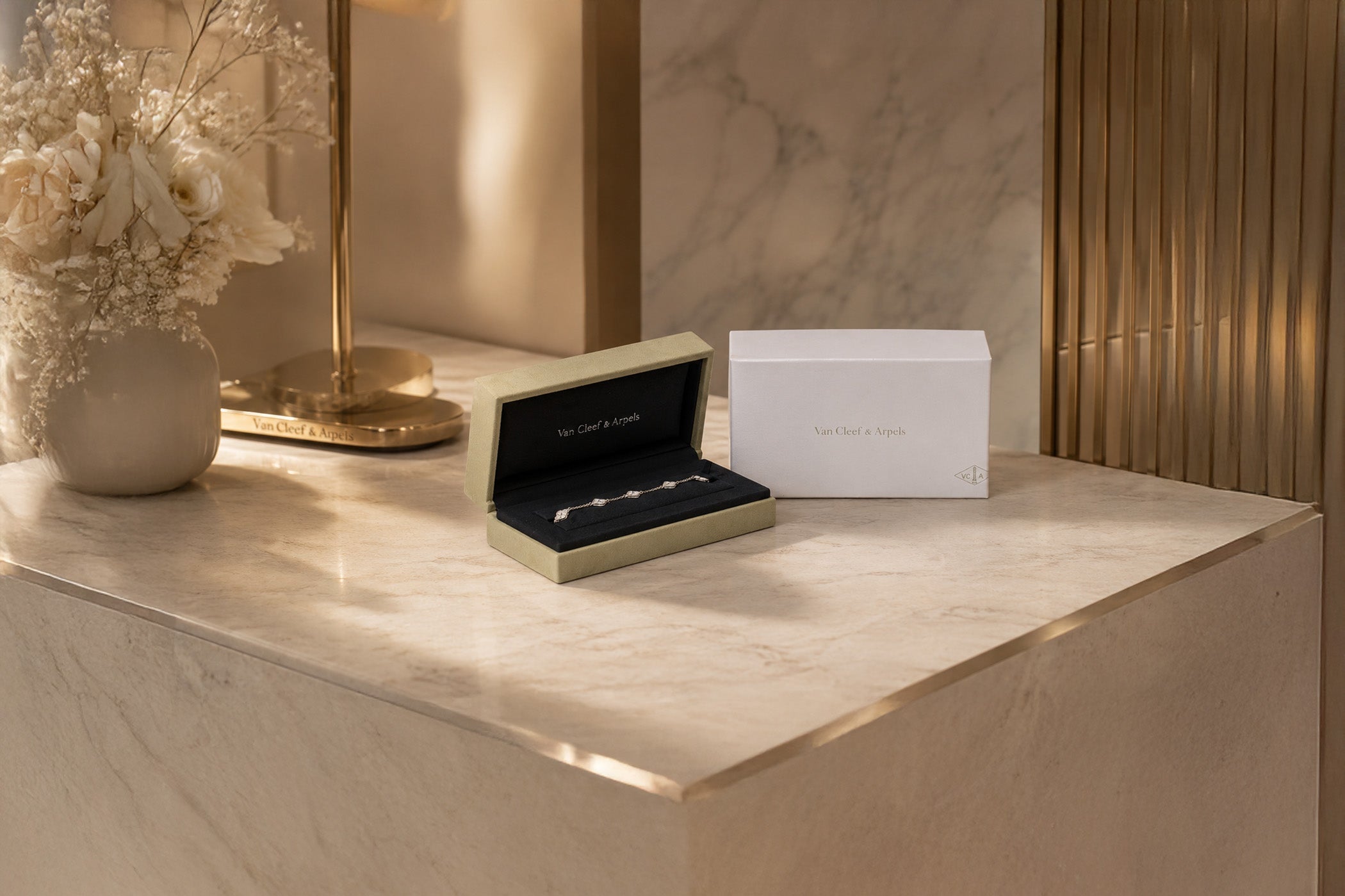
Original paperwork makes a huge difference when selling Van Cleef Alhambra pieces. If you’ve got the certificate, purchase receipt, and branded packaging, you might get 15-25% more than you would without them.
Authentication is everything in this market. Hang onto every document the maison gives you, they prove authenticity and provide key details about materials and craftsmanship. These days, professional authentication is just part of the process for high-value pieces, especially if you’re selling anything over £5,000.
Vintage Versus Contemporary Pieces
Vintage Alhambra pieces from the 1960s and 1970s often sell for much more than their original retail prices, sometimes double or triple. Early editions have subtle design quirks and craftsmanship details that collectors love.
Contemporary pieces still hold solid value, usually keeping 80-90% of their retail price if they’re in good shape. But vintage pieces get a boost from their rarity and history, something newer editions can’t quite match yet. Limited editions and discontinued stones land somewhere in between, appreciating faster than standard pieces but still more accessible than true vintage.
The pre-loved market’s grown a lot, and vintage models have outpaced inflation and even the rising retail prices of new pieces.
Frequently Asked Questions
The Alhambra collection’s strong resale performance comes down to Van Cleef & Arpels’ long-standing reputation, the classic four-leaf clover design from 1968, and smart production strategies that keep things exclusive but still meet collector demand.
What factors contribute to the enduring value of Van Cleef & Arpels' Alhambra collection?
The Alhambra collection stays valuable thanks to brand heritage, timeless design, and careful market positioning. Van Cleef & Arpels has built a reputation for quality and innovation over more than a century, which gives collectors confidence.
That four-leaf clover motif means more than just good looks. It stands for luck and good fortune, so people connect with these pieces emotionally, not just aesthetically.
Limited production keeps the market from being flooded. The maison controls supply, and that keeps demand high, preventing the kind of devaluation that hits mass-produced luxury items.
With over 50 years behind it, the collection has a proven track record. Buyers can feel pretty sure their investment won’t suddenly go out of style.
How does the craftsmanship of Alhambra jewellery influence its desirability on the secondary market?
Each Alhambra piece goes through serious quality control, which helps justify the premium price. The 18-karat gold meets the 750 hallmark, and gemstone settings are done with real precision.
Finishing work really sets Alhambra apart. The smooth mechanisms, secure clasps, and flawless polish make for a tactile experience that reinforces the brand’s reputation.
This level of craftsmanship means the jewelry lasts. Even after years of wear, pieces can look almost new if they’re cared for. Buyers in the secondary market look for this quality, they know it means the piece will hold up for decades.
Can you share some insights into the market demand for vintage Alhambra pieces?
Vintage Alhambra pieces pull in substantial premiums these days. Retired designs, especially, can sell for more than their original prices because collectors want the rare stuff.
Vintage Alhambra 20 Motif necklaces now range from £7,200 to £10,000 on the resale market. They capture the collection’s original vibe and appeal to purists who want the classic clover.
Recent numbers show vintage pieces appreciating by 12-15% annually. That kind of steady growth attracts both jewelry fans and investors who see Alhambra as a tangible asset.
Auction houses regularly include vintage Van Cleef & Arpels pieces in their jewelry sales, and bidding is strong. It’s clear there’s sustained collector interest worldwide.
What role does the iconic status of Van Cleef & Arpels play in the resale value of their Alhambra line?
Brand recognition adds a ton of value in the luxury resale world. Van Cleef & Arpels is instantly recognizable, which means both collectors and casual buyers want their pieces.
The Alhambra collection’s ties to royalty and celebrities only boost its appeal. When famous people wear these pieces, it reinforces the collection’s status and brings in new fans.
This iconic status creates what some call a "safe harbour value" in resale. Buyers know they’re getting a name with real worth, so it feels like a safer investment.
The brand’s consistent spot in the ultra-luxury segment helps too. Van Cleef & Arpels hasn’t watered down its image with mass licensing or discounting, so exclusivity stays intact.
How do limited edition Alhambra designs compare to standard pieces in terms of resale value?
Limited edition Alhambra pieces can go for up to 40% above their original retail prices. The mix of rarity and top-notch design creates real competition among collectors.
These special releases often use unique materials or mark special occasions, and once they’re gone, the only way to get one is on the secondary market, which pushes prices up.
Standard Alhambra pieces still hold 80-90% of their original retail price, which is strong for a core collection. But scarcity really does drive that extra premium.
From what we’ve seen, limited editions appreciate fastest right after release. Early buyers who spotted the potential tend to see the biggest returns.
What tips can collectors consider to maintain the value of their Alhambra jewellery over time?
Storing your pieces right really matters. Try to keep them in their original Van Cleef & Arpels boxes or pouches, separate from other jewellery, so they don’t get scratched up just rattling around together.
Getting a professional to check and clean your jewellery each year helps a lot. When someone looks over the mechanisms and gives everything a proper clean, your pieces stay looking sharp and working like they should. That’s a big deal if you ever want to sell.
Hang onto your paperwork. Original receipts, certificates, boxes, and service records? They’re not just clutter, they actually boost buyer confidence and can bump up resale prices by 10-20%. It’s kind of surprising how much that matters.
Try to keep your jewellery away from chemicals, wild temperature swings, and rough treatment. Take it off before swimming, working out, or slathering on beauty products. Little things like that can save you from repairs and keep your pieces holding their value.
Love Hermès? See More from Rome Station
Add us to your Preferred Sources on Google to see our newest Hermès guides and insider tips first.