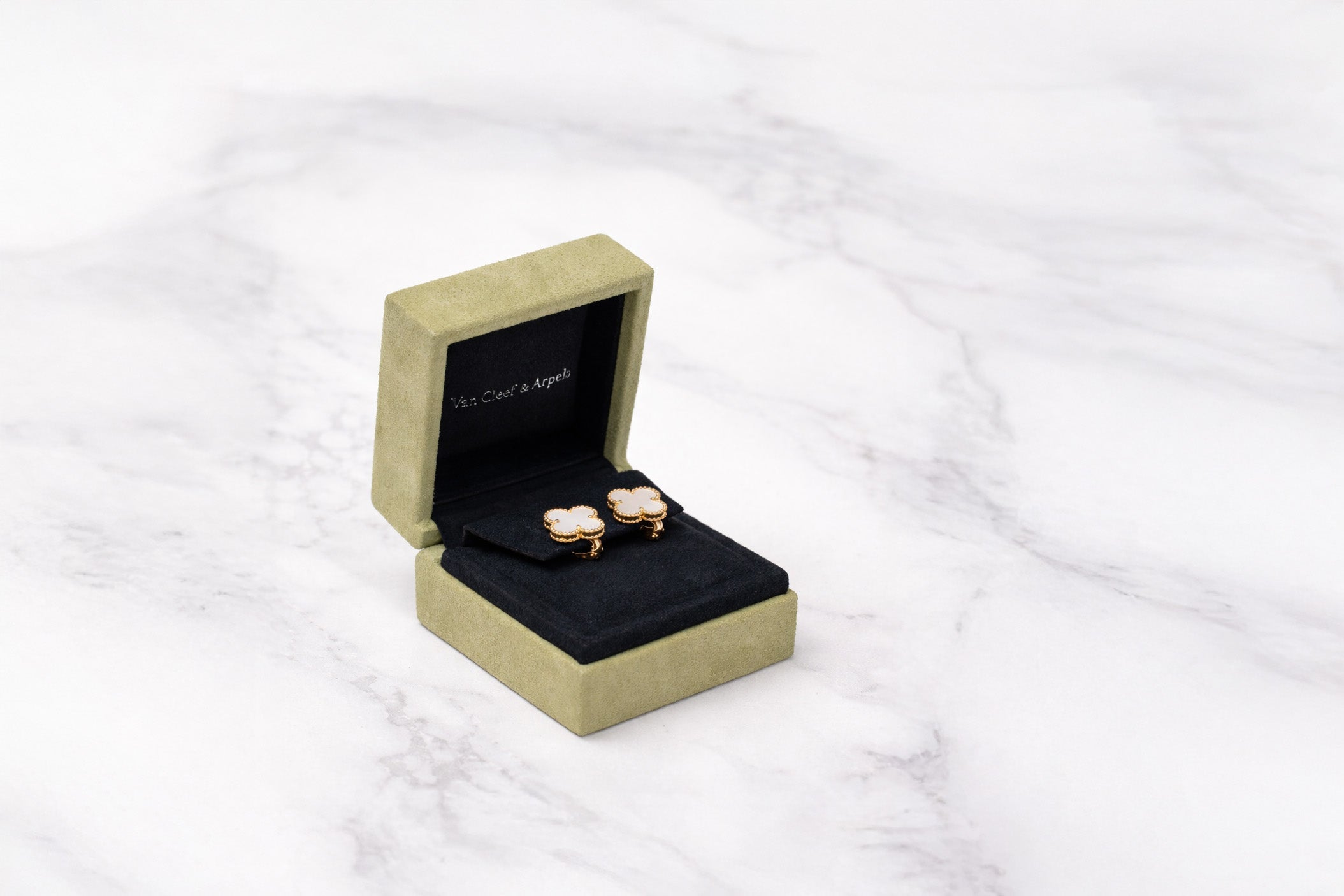



When Should You Use Professional Jewelry Polishing for Van Cleef & Arpels?
Check out our Hermès collection and Birkin bags!
Van Cleef & Arpels pieces are true investments and deserve thoughtful care, but figuring out when to call in the professionals versus just cleaning at home can be a little confusing.
Sure, we can handle basic cleaning with the kit that comes in the box, but some situations really do call for an expert’s touch, especially if you want to keep these beauties looking and feeling special for the long haul.
Professional polishing for Van Cleef & Arpels jewellery is best every 1-2 years for routine upkeep, and right away if you spot visible scratches, loose stones, or if the shine just isn’t coming back with home cleaning. The brand’s signature finishes and delicate stone settings are honestly too tricky for a basic polishing cloth to handle safely.
It’s not hard to spot when you need to book a visit to an authorized service center. Once you know the signs, you’ll save yourself time and avoid unnecessary trips.
Key Takeaways
- Get professional polishing every 1-2 years for your Van Cleef & Arpels jewellery.
- Scratches, loose stones, or stubborn dullness mean it’s time for expert help.
- Stones like turquoise and malachite are extra sensitive, only let authorized service centers handle them.
Understanding Van Cleef & Arpels Materials
Van Cleef & Arpels uses 18k gold (yellow, white, and rose), platinum, and a wide mix of precious and semi-precious stones. Each material needs its own approach, and not all are equally tough, so knowing what you’re dealing with can make all the difference.
Diamonds and High Jewellery Stones
Diamonds are famously tough, highest on the Mohs scale, so they can handle ultrasonic cleaners and steam without much worry.
Emeralds, though, are a whole different story. They’re full of natural inclusions and often treated with oils, so harsh polishing can strip away those treatments or even make cracks worse.
Sapphires and rubies are tougher than emeralds but still need a gentle hand. They can take more cleaning than emeralds, but you don’t want to go overboard and end up with tiny scratches.
Quick stone care breakdown:
- Diamonds: Fine with ultrasonic cleaning and polishing.
- Emeralds: Only hand polishing, no ultrasonic or steam.
- Sapphires/Rubies: Moderate polishing with the right gear.
Distinctive Gemstone Features
Van Cleef & Arpels loves their semi-precious stones, think mother-of-pearl, carnelian, onyx, malachite, turquoise, blue agate. These show up all over the Alhambra and other iconic lines.
Mother-of-pearl is pretty fragile, with a Mohs hardness of just 2.5 to 4.5. Only polish it when you absolutely have to, and use super gentle compounds.
Carnelian and onyx are a bit tougher but still porous. Too much polishing, especially with the wrong stuff, can leave them discolored.
Malachite and turquoise are probably the trickiest. They’re soft, porous, and react badly to heat, acids, and even water. Only let pros polish them, and only when really needed, every session takes off a little bit of the stone.
Gold, Platinum, and Design Detailing
All Van Cleef & Arpels gold is 18k, so 75% pure gold, with alloys for strength. Yellow gold gets a warm patina as it ages; white gold has a rhodium plate that eventually wears off and needs professional re-plating.
Rose gold, with its copper content, tarnishes a bit more easily. Polishing takes care of it, but don’t overdo it, too much and you’ll lose those signature beaded edges and details.
Platinum doesn’t tarnish but does develop a soft patina over time. Some collectors love this look. If you want the mirror finish back, a pro can polish it, but you’ll lose that aged vibe.
Van Cleef & Arpels designs are intricate. At-home polishing can mess up hidden clasps, undermount settings, or the Mystery Set technique, where you don’t see any metal between the stones.
Signs Your Van Cleef & Arpels Jewellery Needs Professional Polishing
Even the most carefully worn Van Cleef & Arpels pieces will start to show their age. Spotting when they need a pro’s attention keeps them looking their best.
Visible Tarnish and Loss of Shine
Your jewellery should have that unmistakable glow, but daily wear can dull it. If it stops catching the light or starts looking cloudy, it’s time for a professional.
Yellow gold might look hazy, white gold can show a yellowish tint as the rhodium wears off, and rose gold might get patchy.
Check your pieces in natural light. If you see a film or flatness that won’t budge with gentle cleaning, let the experts handle it. The Alhambra’s details, for example, are notorious for trapping oils and grime that just won’t come out at home.
Scratches, Abrasions, and Surface Wear
Scratches pile up fast, hairline marks from daily use, deeper dings from bumps, worn edges, dulled spots near stones. These all sap the shine.
Professional polishing buffs away a tiny layer of metal to erase these marks. Van Cleef & Arpels’ craftspeople know exactly how to do this for each metal and finish, so your piece keeps its shape and style.
Loose Stones or Structural Concerns
Loose stones are a big red flag. If you hear rattling when you gently tap your jewellery, or see gaps around the settings, get it checked right away. Prongs can wear down, and settings loosen with temperature swings or knocks.
Van Cleef & Arpels can repair links, replace clasps, and secure stones using their original techniques. Don’t wait, losing a stone is a headache you don’t want.
When to Choose Professional Polishing Over Home Care
Sometimes home care just won’t cut it. If your piece still looks dull, has loose parts, or you’re dealing with sensitive stones, it’s time for a pro.
Frequency for Optimal Maintenance
Van Cleef & Arpels suggests an annual checkup and polish, especially for pieces you wear a lot, Alhambra bracelets, Sweet pendants, that kind of thing.
Delicate pieces with porous stones might need more frequent care. Turquoise, malachite, tiger’s eye, they can discolor in ways you simply can’t fix at home. White gold needs pro polishing and rhodium re-plating every 12-18 months because the finish just wears out.
If your jewellery stays dull, stones look loose, or clasps aren’t secure, book a service. The maison’s craftspeople have the right tools to handle the intricate beaded settings and keep everything intact.
Routine Cleaning vs. Deep Polishing
At home, stick to soft cloths on yellow gold and diamonds between pro visits. This keeps fingerprints and light tarnish at bay.
Deep polishing is another beast, especially for pieces with mixed materials. For example, if you’ve got white gold with turquoise, the pros will remove the stones, replate the gold, and then reset everything. It’s pricier, but it protects stones that could get ruined by regular polishing compounds.
Pros can also clean areas you just can’t reach, under motifs, inside chain links, around clasps. Ultrasonic cleaners work for some pieces, but with Van Cleef & Arpels’ beaded settings, they can actually loosen or dislodge stones.
Stone-Specific Considerations for Polishing
Van Cleef & Arpels often uses fragile ornamental stones that need special care. Each type has its quirks, and mishandling can cause damage you can’t undo.
Mother-of-Pearl and Malachite Precautions
Mother-of-pearl and malachite are both really soft. Standard polishing can scratch or even erode them. Mother-of-pearl, especially, can delaminate or get cloudy if it heats up from rotary tools.
Malachite is porous and reacts badly to acidic cleaners. Ultrasonic cleaning? Forget it, the vibrations can crack the stone along its natural bands.
Honestly, it’s best to leave these to specialists who know Van Cleef & Arpels stones. They’ll use gentle hand-polishing and non-abrasive compounds, keeping pressure and heat to a minimum.
Turquoise, Carnelian, Onyx, and Blue Agate Care
These stones handle polishing a bit better, but you’ve still got to be careful. Turquoise is especially tricky, it soaks up compounds and oils, and chemicals can change its color for good.
Carnelian and blue agate are tougher but can still get scratched if polished too hard. Pros use diamond pads, starting coarse only if absolutely needed.
Onyx is the sturdiest of the bunch, but even then, experts avoid using rouge or tripoli directly. They’ll isolate stones during metal polishing and double-check all settings first, since vibrations can make stones shift or fall out.
The Professional Polishing Process Explained
Van Cleef & Arpels boutiques follow strict protocols to restore each piece while keeping true to the Maison’s standards. Their process blends old-school craftsmanship with modern tools.
What to Expect During a Service Appointment
When you bring your jewellery in, a specialist will carefully inspect it under magnification to check for scratches, dents, or any structural issues.
They’ll document everything with notes and photos, so there’s a clear record of the piece’s condition before any work starts.
Polishing usually goes in three steps, coarse compounds for big scratches, medium for smoothing, then fine rouge for that classic mirror finish. For pieces with both polished and brushed surfaces, like the Alhambra, they’ll use different techniques to keep the contrast.
The process can take a few weeks, since each piece gets individual attention from polishers who know Van Cleef & Arpels’ exacting standards inside and out.
Preserving Maison's Craftsmanship and Value
Van Cleef & Arpels keeps detailed archives of every design, right down to the specific finish each surface should have. Their polishers use these references to make sure your piece matches the original craftsmanship, not some generic look.
This is especially important for vintage or discontinued items. Over-polishing can actually hurt collector value. The maison’s experts know exactly how much metal they can safely remove without messing up the structure or proportions.
And here’s something you might not think about: getting your jewellery serviced by Van Cleef & Arpels keeps your provenance documentation intact. If you ever want to sell or pass down your pieces, having a full service history from official boutiques shows you’ve taken proper care and helps with authentication. Outside polishers, no matter how skilled, just can’t offer that.
Leveraging Expert Resources and Updates
Staying connected with Van Cleef & Arpels through their official channels gives you access to tailored care advice and exclusive services. They’ll let you know when it’s time for professional polishing, so you don’t have to guess or risk a DIY disaster.
Staying Informed Through Events and Newsletters
The Van Cleef & Arpels newsletter drops maintenance tips straight from the brand’s experts. We get reminders about seasonal care, upcoming boutique services, and even tweaks to polishing techniques for certain collections.
Official Van Cleef news often announces care events at boutiques, where certified technicians can check out our pieces. At these events, we get free consultations to figure out if our jewellery needs a pro polish or just a routine cleaning. The newsletter also tips us off about new care products, like those made for mother-of-pearl or carnelian, materials that need a gentler touch than your typical polish.
If you subscribe, you’ll catch material-specific updates. For example, recent newsletters have talked about how to handle the Frivole collection’s delicate petals versus the sturdier Alhambra motifs.
Exclusive Collection Care and Event Services
Van Cleef & Arpels puts on private care events where their master jewellers examine pieces from select collections and suggest when to polish. These usually line up with new launches or big boutique anniversaries.
We can book appointments during these events for on-site assessments. The brand’s experts use specialized equipment to spot wear that’s invisible to the naked eye, helping us decide if our jewellery needs just a light polish or something more. They also keep records of each piece’s service history, which comes in handy when we’re weighing home care against professional help.
Some boutiques throw in complimentary polishing for recent purchases during these care events, which saves us the regular service fees and gets our pieces some expert attention.
Frequently Asked Questions
Professional polishing depends on how often you wear your pieces and any visible damage. The choice between DIY and professional care really comes down to your jewellery’s complexity and the materials involved.
What's the magic number of wears before I should get my bling professionally shined up?
There’s no magic number, honestly. We suggest professional servicing every 1-2 years for pieces you wear a lot. If you’re rotating your Van Cleef jewellery daily, an annual check-up is a good idea. If you only wear certain items sometimes, you can probably go 2-3 years between visits.
Special occasion pieces that barely leave the box? They might only need attention every few years. Consistency matters more than counting wears.
How can I tell if my charming sparkler really needs a professional touch or if a DIY clean will do the trick?
If it’s just dust or fingerprints, your Van Cleef cleaning kit should handle it. A gentle wipe with the included cloth and you’re set.
But if you see scratches you can feel with a fingernail, persistent dull spots, or stones that seem loose, it’s time for a pro. White gold that’s turning yellow from worn rhodium plating needs professional replating, not a home fix.
Pieces with lots of tiny details or tricky crevices really benefit from professional ultrasonic cleaning and steam treatments.
Can going pro with my jewellery care ensure my gems keep their va-va-voom?
Absolutely. Professional care keeps your Van Cleef pieces looking their best for years. Trained jewellers check for loose stones, worn prongs, and other issues we’d probably miss on our own.
They use the right polishing compounds and techniques for each metal and gemstone, which helps avoid damage from the wrong products or too much pressure at home.
Regular pro maintenance catches little problems before they turn into major repairs. Spotting a loose stone during a routine polish is way cheaper than replacing one that’s fallen out.
Is there a risk to waving goodbye to DIY polishing and entrusting my treasures to the pros?
Polishing does take off a tiny layer of metal, but pros remove way less than we might with overzealous home polishing. Van Cleef specialists know exactly what each piece can handle.
The real risk? Letting an inexperienced jeweller touch your pieces. Wrong wheels or compounds can do serious harm. Stick to Van Cleef boutiques or their authorized service centers for anything valuable.
Honestly, skipping DIY polishing between pro services actually keeps your jewellery safer. Clean at home, sure, but leave the polishing to people who won’t accidentally wreck delicate details or loosen stones.
Any tips for keeping my sparkle spot on between professional polishes?
Store each piece in its original Van Cleef pouch so they don’t scratch each other. Take off your jewellery before working out, swimming, or putting on lotions and perfumes.
Give your pieces a quick wipe with the soft cloth from your Van Cleef kit after wearing. For a deeper clean at home, mix a drop or two of mild dish soap with lukewarm water and use a soft brush on the metal parts.
Don’t brush gemstones, especially softer ones like turquoise, malachite, or onyx in Alhambra pieces. Never use ultrasonic cleaners at home on Van Cleef jewellery, they can mess up stones and settings.
Pat pieces dry right away with a lint-free cloth and let them air dry fully before putting them away.
What's the deal with professional polishing costs, am I splurging on sparkle or investing wisely in my glittering assets?
Professional polishing at Van Cleef boutiques usually runs between $100 and $300 CAD for the basics. If your piece is more complicated, maybe it needs stone removal or rhodium replating, you might be looking at $400 to $800 CAD. That’s not just for show; it covers the specialized skills and gear these folks use.
Think of it as putting money back into your collection. Well-cared-for Van Cleef pieces tend to keep their value much better than ones with obvious scratches or dullness.
And honestly, skipping regular care can get pricey fast. Spending $200 on polishing that uncovers a loose stone? That might save you from losing a gem worth thousands. Plus, keeping up with professional maintenance means you’re still covered by Van Cleef’s warranty and can use their authentication services.
Love Hermès? See More from Rome Station
Add us to your Preferred Sources on Google to see our newest Hermès guides and insider tips first.