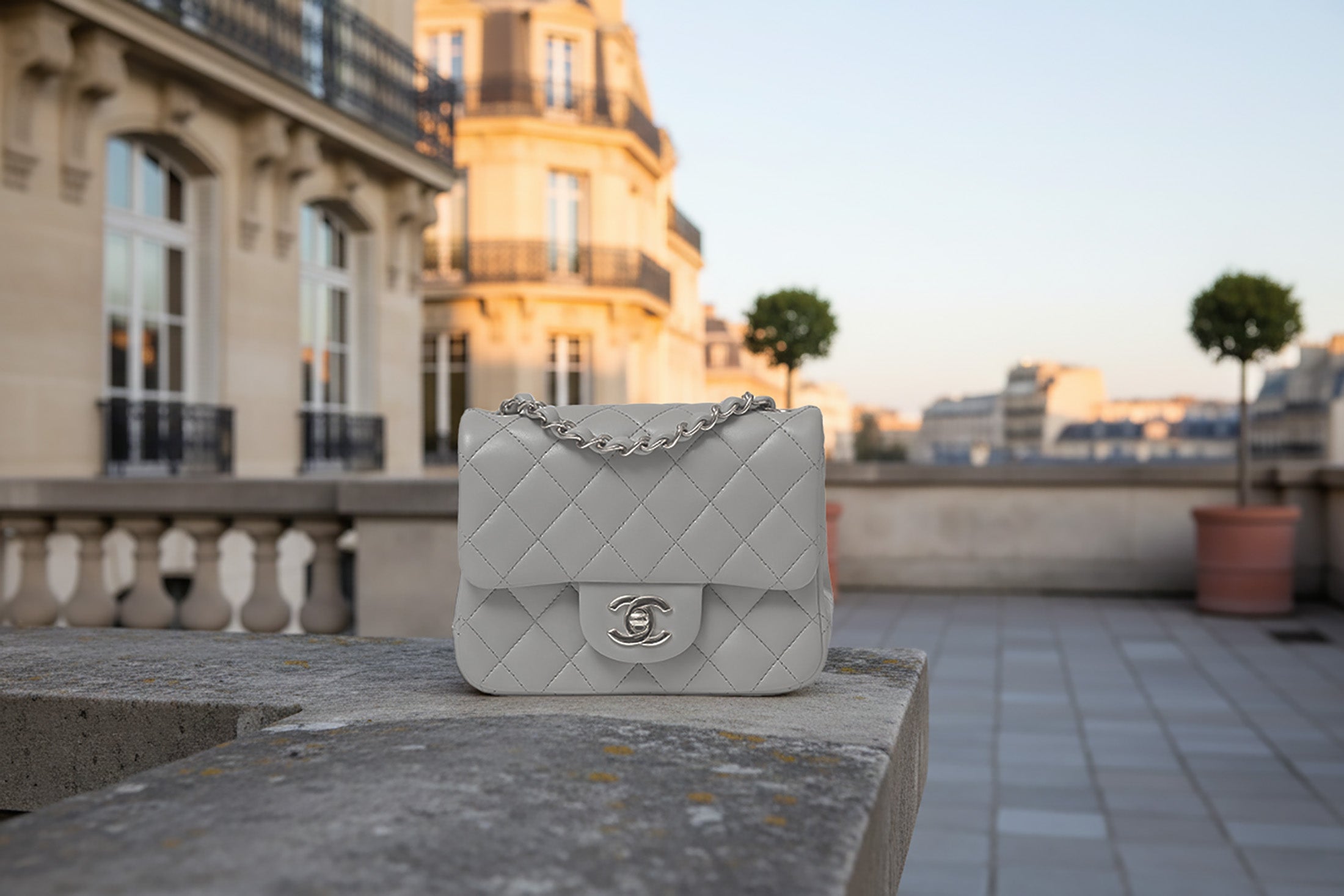
Should You Sell Your Chanel Bag Now or Hold It? Market Timing Insights
Check out our Chanel collection!
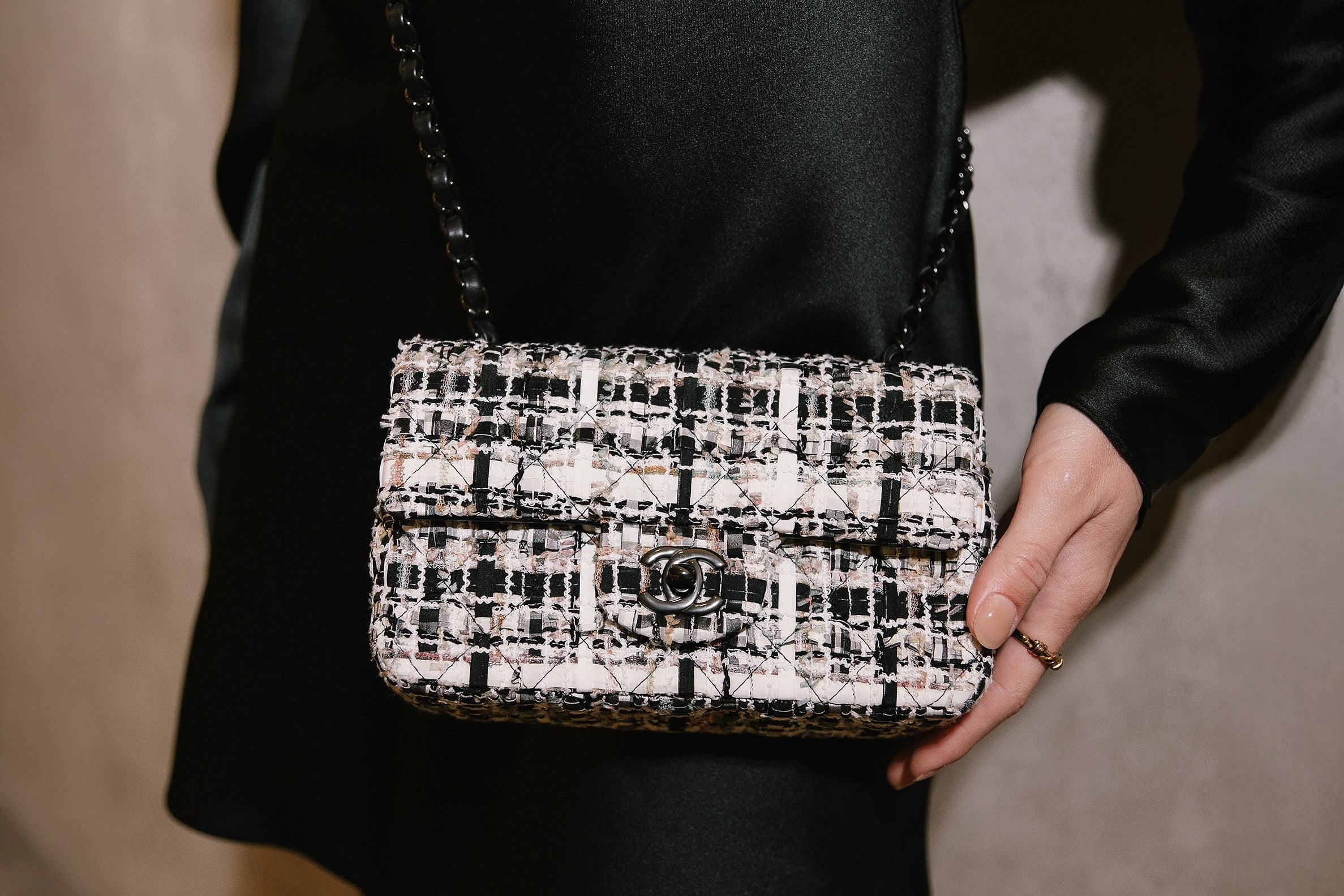
Chanel handbags have grown into more than just fashion accessories. They're investment pieces, sometimes appreciating dramatically, some styles have nearly doubled in retail price over six years. ,Take the Classic Jumbo Flap: it shot up from $6,400 in 2019 to $12,200 in 2025. That's not just a price tag; it's a real shot at profit if you're thinking about selling.
When to sell your Chanel bag really comes down to what's happening in the market, how your bag looks, and whether you actually need the money now or can wait for prices to climb more.
Classic styles like the Medium Double Flap, Boy Bag, and Chanel 19 tend to hold value best and move quickly, especially right before a rumored retail price hike when buyers scramble.
The pre-owned Chanel market is buzzing right now, with buyers dodging boutique quotas and sky-high retail prices. Deciding to sell or hold means you need to pay attention to things like your bag's style, its paperwork, and what's trending.
Let's get into the factors that could make a real difference for your wallet.
Key Takeaways
- Classic Chanel lines keep strong resale value, thanks to steady price hikes and loyal collectors
- Selling just before a price increase or during busy seasons can boost your profits on in-demand styles
- Condition, authenticity, and paperwork all play huge roles in how fast and for how much your bag sells
Understanding Chanel Bag Value and Price Trends
Chanel's pricing strategy and the wider market shape the best time to sell. Regular price bumps, new buying limits, and even the leather they use all feed into your bag's value.
Recent Chanel Price Increases
Chanel bumps up prices once or twice a year, and these aren't small changes. That Classic Jumbo Flap? It went from $6,400 to $12,200 in six years, a 91% jump.
In August 2025, Chanel raised Classic Flap prices by about 4-5%, tacking on $500 to every size. These increases hit certain collections, definitely not every bag in the store.
The main lines that get pricier:
- Classic Flap bags (all sizes)
- Chanel 19 collection
- Chanel 22 collection
- 2.55 Reissue styles
- Boy Bag
- Wallet on Chain (WOC)
- Coco Handle
When Chanel hints at a price hike, resale sites light up. Buyers rush to snag bags before secondary prices catch up.
Limited Supply and Quotas
Chanel now limits how many bags you can buy in a set period. These quotas have amped up demand on the resale market since you can't just walk in and buy as many as you want.
Because of this, more buyers turn to trusted resale sites. Certain styles, like the Deauville Tote, 22 Chain Hobo, and Coco Top Handle, even sell above retail now.
This forced scarcity is a win for sellers. Classic designs especially stay in demand since they're not always available in stores.
How Condition and Materials Affect Resale
Material matters, a lot. Caviar leather usually holds value better than lambskin because it's tougher. A Classic Flap in caviar will almost always fetch more than a well-used lambskin version.
Condition breaks down like this:
- Pristine/New: 85-95% of current retail
- Excellent: 70-85%
- Very Good: 60-75%
- Good: 45-60%
Paperwork and original packaging make a difference. Buyers want proof, authenticity cards, receipts, the whole set. Complete provenance makes selling easier and faster.
Rarity drives up prices too. Limited edition colors, seasonal runs, and discontinued styles usually appreciate faster than the standard black or beige bags.
Key Models: What Sells and What Holds
Not all Chanel bags are created equal in the resale world. Some sell right away, others linger, and knowing which is which can help you decide when to sell or hang on for a bit.
Classic Flap Bag and Its Resilience
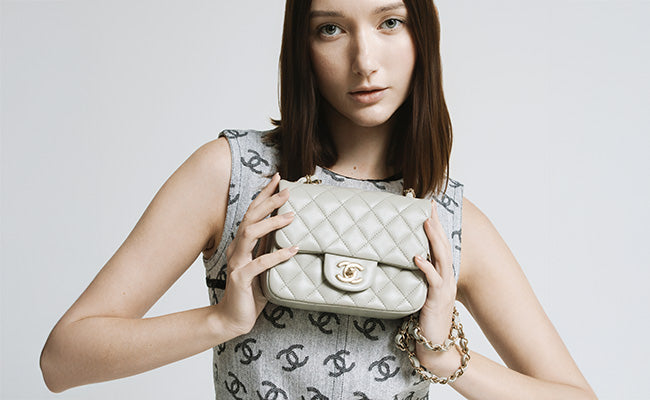
The Classic Flap is the king of resale. Lagerfeld's 1980s update of Coco's original design turned it into the ultimate luxury investment.
Why it wins:
- Always in demand, across ages and tastes
- Retail prices up 60-70% in five years
- Black caviar with gold hardware in excellent shape holds 85-95% of retail
- Medium size is the sweet spot for resale
Classic Flaps move fast, often in 2-4 weeks on big platforms. Buyers pay top dollar for bags bought just a few years ago, simply because retail prices have jumped so much. If you've got one in mint condition and all the paperwork, this might be a good time to sell.
Lambskin Flaps sell a bit slower and for 5-10% less than caviar, but they're still stronger than almost any other designer bag out there.
2.55 Reissue: The Collector's Choice
The 2.55 Reissue attracts Chanel purists. Relaunched by Lagerfeld in 2005, it stands out with its mademoiselle lock and chain-only strap.
This one takes longer to sell, sometimes 4-8 weeks. Still, it holds 75-85% of retail if it's in great shape and comes with paperwork. Collectors especially chase aged calfskin and limited editions.
Patience pays off here. Rushing the sale usually means leaving money on the table.
The Boy Bag and Modern Alternatives
The Boy Bag, launched in 2011, brings in younger buyers looking for something less traditional. It holds 70-85% of retail, depending on the details.
What we're seeing:
- Standard quilted calfskin sizes move in 3-6 weeks
- Exotic leathers and rare editions sometimes go above retail
- Discontinued colors go up faster than current ones
The Wallet on Chain (WOC) is worth a mention. It's popular thanks to its price and versatility. Black caviar WOCs in good shape often sell for 80-90% of retail, and sometimes within days.
Global Market Dynamics and Influences on Timing
The resale world changes depending on where and how you sell. Prices and demand shift from city to city, and each platform has its quirks. If you want to get the most out of your sale, you need to pay attention to these details.
How Resale Platforms Shape Demand
Resale platforms each have their own vibe. Sotheby's auctions can spark bidding wars, especially for rare pieces. The RealReal and Vestiaire Collective work on consignment, reaching lots of buyers but with a range of commission rates.
Rebag gives instant quotes and fast cash but usually pays less than auctions. Auction houses pull in serious collectors ready to pay top dollar, while peer-to-peer sites attract more bargain hunters.
Fees eat into your profits. Auction houses take about 10-15%, while consignment platforms can grab 15-40% depending on your bag's price and their services. Even if the listing price looks great, your take-home can vary a lot.
Influence of Major Cities on Pricing
Where you sell matters. Paris is always strong for classics, being Chanel's home turf. Hong Kong pays top dollar for Asia-exclusive releases. New York and London set global pricing trends.
In Asia, especially Hong Kong, buyers will pay more for mint bags and rare colors. Paris and London buyers lean vintage, and they care about the story behind the bag. Currency swings between these cities can mean you make more (or less) just by picking the right market.
Import taxes and duties are another headache. Hong Kong's free port status makes it a hotspot for high-value deals, while EU buyers have to factor in VAT. SacLàb reports up to a 25% price swing for the same Chanel bag depending on the city.
Authenticity, Documentation, and Presentation
Getting top dollar for your Chanel bag comes down to proving it's real, having all the extras, and showing it off right. These details can make or break a sale.
The Importance of Authentication
Authentication isn't optional. Buyers won't pay up without proof, and most platforms won't even list your bag without it.
Fakes are getting better, so pros check everything, serial numbers, stitching, hardware, leather, you name it. Most auction houses and big resale sites include authentication in their services.
If you're selling on your own, it's worth paying $25-100 for a third-party authentication. That certificate can bump your sale price up by hundreds, even thousands. Keep it with your paperwork.
Original Packaging and Full Sets
Chanel bags come with dust bags, authenticity cards, care booklets, and sometimes even ribbons and shopping bags. Keeping it all together actually matters.
A "full set" with all the packaging can net you 10-20% more than just the bag alone. Collectors love completeness, and the packaging proves the bag's story. The authenticity card is especially important since it matches the serial number.
People lose money all the time by tossing the box or losing the card. If you're missing something, just say so in your listing. Some buyers care more than others, but honesty goes a long way.
Keep everything in one spot, somewhere cool and dry. Use the dust bag to protect the leather and keep the set together for max value.
Photographing and Showcasing Your Bag
Good photos make a difference. Presentation changes how buyers see your bag.
Use daylight and a plain background. Snap every angle, front, back, sides, bottom, inside, hardware, and any flaws. Show the serial number and any wear.
Give measurements and real details about the condition. Mention scratches, stains, or tarnish. Hiding flaws just leads to headaches later.
Wipe the bag down gently before photos (test cleaning products first). Stuff it with tissue to keep its shape. These little touches show you cared for it, which reassures buyers.
Where to Sell: Channel Comparison and Strategies
Your choice of platform can mean thousands of dollars difference and change how quickly you get paid. Each one has its own fees, audience, and timeline, so picking the right channel really matters.
Auctions, Consignment, and Direct Sales
Auction houses like Sotheby's and Christie's can get the highest prices for rare or vintage Chanel bags. Bidding wars sometimes push prices 30-50% above estimates if collectors get competitive. But they charge 15-25% commission, and it can take 2-3 months from consignment to payout.
Consignment sites like The RealReal and Vestiaire Collective handle the hard stuff, authenticating, photographing, and talking to buyers. Their fees run 15-40% depending on the sale price. They're often the best bet for current styles under $8,000. Payments usually come through in a week or two after delivery.
Direct sales on peer-to-peer sites give you more control and a bigger cut, usually 85-95% after fees. But you're on the hook for authentication, photos, and answering questions. This works if you want quick cash or have a style that moves fast.
Private Sales vs Marketplace Options
Private sales, often through auction house specialists, connect you with buyers who want speed and privacy. Deals close in a week or two, and you skip the public listing. Commissions are similar to auctions, but you don't have to wait as long.
Marketplace options like Fashionphile's instant buyout or Rebag's upfront offers give you money within a couple of days. But you'll get 40-60% of retail, compared to 60-80% through consignment or private sales. This route makes sense if you need money fast or have a bag in only fair condition.
Some hybrid platforms let you try consignment pricing for 30 days, then accept a buyout if it doesn't sell. That flexibility can be handy if you're not sure what the market will do.
Timing Your Sale for Maximum Returns
Resale trends for Chanel bags swing with the seasons. Classic Flaps and Boy bags move quickly in September through November, when buyers prep for holidays, and again in January when folks spend gift money or tax refunds. We often see final prices jump 15-20% during these times compared to the slower summer months.
If you list right after Chanel announces a price hike, you can catch a brief spike in resale demand. Buyers who missed out at the boutique will sometimes pay 5-10% above previous prices for a couple of months. Historically, Chanel bumps prices twice a year, usually January/February and again in May/June.
For common colors and sizes, market saturation matters more than the season. When we spot several identical bags listed on our go-to platform, waiting three or four weeks for inventory to thin out usually leads to better offers and quicker sales.
Factors to Consider Before Selling or Holding
Deciding whether to sell your Chanel bag or keep it isn’t just about numbers. You have to weigh your emotional connection, how much use you actually get out of it, and the real risks of holding onto it as the luxury market shifts.
Personal Attachment and Emotional Value
Some Chanel bags hold memories that go way beyond any resale price. Maybe you bought that Mini Flap to celebrate a promotion, or your grandmother gave you the Classic Medium. Those are tough to part with.
Collectors often wrestle with this, especially when a bag marks a milestone or reminds them of someone special. If you’re hesitating because of the memories, that’s a perfectly good reason to keep it.
But let’s be honest, there’s a difference between true attachment and just feeling guilty about what you paid. If your bag has been sitting in its dust cover for years and it doesn’t spark any excitement, maybe the connection isn’t strong enough to justify holding onto it while the resale value goes up and down.
Investment Potential versus Use
The gap between investment potential and how you actually use the bag says a lot. Chanel bags have held their value well, some, like the Classic Jumbo Flap, shot up from $6,400 in 2019 to $12,200 by 2025. That’s a pretty wild increase for six years.
Still, if you never wear it, what’s the point? We have to be real about usage. If that seasonal Chanel has only seen daylight once in the past year, holding out for another price increase means you’re treating it like a stock, not a bag.
Consider:
- Did you use it more than a couple times last year?
- Does it work with your current style?
- Are you holding on out of love, or just hoping for more appreciation?
- Would selling it let you buy something you’d actually use?
Classic styles like the Medium Double Flap, Boy Bag, and Reissue usually hold value better than the trendy or seasonal ones. If you’ve got a limited edition in a wild color that doesn’t fit your wardrobe, its resale value could already be at its peak.
Risks of Waiting Too Long
The luxury resale market doesn’t always go up. Chanel’s regular price increases have boosted resale values, but things can change.
Market saturation is a real thing. More sellers jump in when values are high, and sometimes supply gets ahead of demand. We’ve seen average days to sale shift depending on what’s happening in the market.
Condition is another risk. Lambskin bags, gorgeous as they are, show wear faster than caviar leather. Every year you hang onto a bag is another year for hardware to tarnish or leather to dry out, even just sitting in storage. That hits your resale value.
Chanel’s quota system has created some artificial scarcity, which definitely helps resale prices for now. But if Chanel changes its retail strategy or the economy takes a turn, demand could cool off. There’s just no way to predict the market perfectly, and waiting for the “perfect” moment might mean missing your best shot.
Frequently Asked Questions
Chanel bag resale values are still rising, especially for classics, but timing and proper authentication make a big difference in how much you’ll get.
What's the scoop on Chanel bag resale values – are they still climbing, or has that ship sailed?
Nope, the ship hasn’t sailed. Classic Flaps and Boy Bags are still fetching strong prices in the secondary market. Chanel’s recent price hikes and the new quota systems have actually pushed more buyers toward pre-owned pieces.
If your Chanel’s authentic, in good shape, and comes with the original packaging and paperwork, you’re in a great spot. The market’s always shifting, though, collector demand, fashion trends, and the economy all play into specific values.
Considering the luxury market trends, when's the ideal moment to sell a high-end designer bag?
It depends on your bag and what’s happening in the market. Right now, demand’s strong, retail prices are up, and boutiques are limiting what you can buy. Peak demand tends to hit when buyers can’t get new pieces easily.
Timing also comes down to your bag’s style, color, and condition. Some bags get more valuable as they become rare, others peak with trends. Checking recent sales and current listings helps you figure out when your bag might bring the best price.
Is there a best season or time of year to sell designer bags for top dollar?
Handbag sales pick up before big holidays, lots of people shopping for gifts or treating themselves. January and February are good too, thanks to bonuses and tax refunds.
Still, the right moment is really about market demand for your specific bag, not just the calendar. If you’ve got something rare, serious buyers are out there all year. We’ve noticed that listing when similar styles are scarce makes buyers compete more.
What insider tips should I know to maximise profit when selling my investment piece?
Authentication is a must. Get your bag checked by a reputable expert before you list it, buyers trust you more, and you can ask a higher price. Original packaging, receipts, and authenticity cards add value and make your listing stand out.
Good photos matter. Use high-res images that show the condition, hardware, stitching, and serial numbers. Don’t hide any wear or flaws, showing them actually builds trust.
Set your price based on real data. Look at recent sales on different platforms, not just current listings (those aren’t always realistic). Factor in your bag’s model, age, condition, and demand.
How does the current economy impact the decision to sell a luxury bag now versus waiting it out?
The economy hits luxury resale a bit differently than other markets. Sometimes, collectors see Chanel bags as safer than stocks or cash, so demand for classics can hold up, or even rise, when things get rocky.
But if the economy tanks, there are fewer buyers with cash to spend on luxury. Right now, demand’s still strong, probably because new Chanel bags cost so much more.
In the end, your own finances matter more than trying to time the market. If you need cash or just don’t use the bag, selling now makes sense, even if things shift a little in the bigger picture.
Can you give us the lowdown on authentication and how it affects resale value?
Authentication really matters if you want to get the most for your bag. Buyers in the luxury world are sharp, they know the risks of fakes and want proof before spending big. If you sell through a platform that backs up authenticity, you’ll almost always get a better price than selling privately without any verification.
Experts look at stitching, hardware, serial numbers, and those tiny details that set real Chanel bags apart from knockoffs. Sometimes it’s the smallest flaw that gives away a fake, so having a pro check things over is worth it.
Original cards and receipts help, but honestly, people fake those too. If you can get a third-party authentication from a well-known service or an auction house like Sotheby’s, that’s your best bet. That kind of independent stamp of approval can bump your bag’s value by 15-25% over ones that aren’t verified.
Love Hermès? See More from Rome Station
Add us to your Preferred Sources on Google to see our newest Hermès guides and insider tips first.