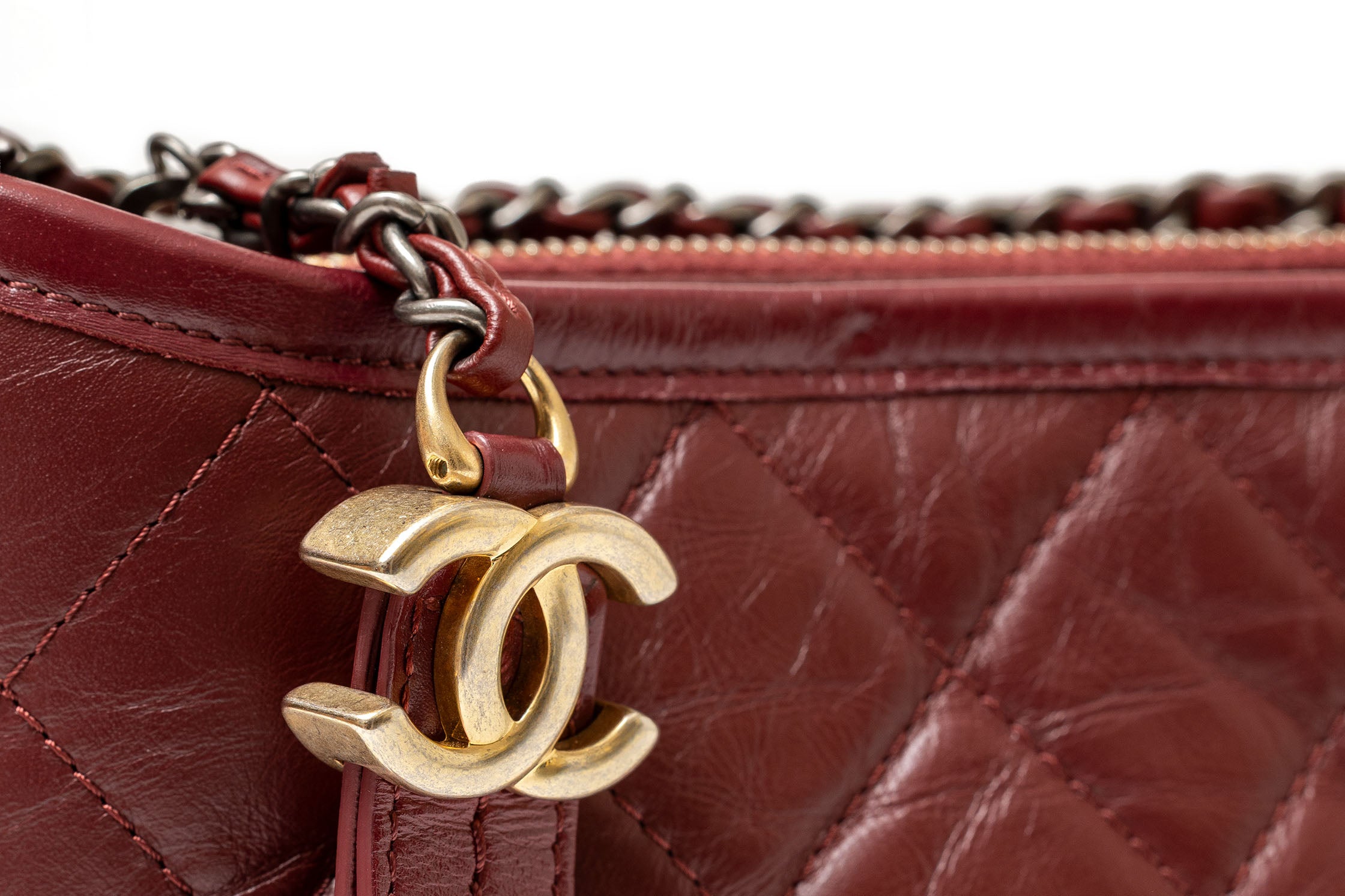

Chanel Glazing Cracks: Why They Happen and How to Prevent Them
Check out our Chanel collection!
Chanel glazing cracks are, let's face it, a frustrating surprise for anyone who loves luxury ceramics or accessories with glossy finishes. Those fine webs of hairline lines can sneak up on you, sometimes right after you get the piece, sometimes years down the road.
Glazing cracks happen because the glaze contracts more than the ceramic underneath as it cools, which pulls the surface tight until it just gives way and cracks.
Most collectors know that sinking feeling when those lines start to appear on a favorite item. It’s not just about looks, either.
Crazed glazes can trap bacteria and make cleaning a hassle, which is a problem whether you’re displaying a decorative piece or actually using it. Knowing what’s behind these cracks can help us figure out how to care for and protect our ceramics.
The upside? These cracks don’t just appear out of nowhere. They’re the result of specific material choices and environmental conditions, things we can actually learn about and sometimes influence. By understanding what’s going on beneath the surface, we can make smarter choices for our Chanel collections.
Key Takeaways
- Glazing cracks show up when the glaze contracts tighter than the ceramic body as it cools, surface tension does the rest
- Crazed glazes aren’t just an eyesore; they can harbor bacteria and weaken a piece
- Choosing the right materials and keeping things stable environmentally can help avoid glaze defects in luxury ceramics
What Are Chanel Glazing Cracks?
In Chanel ceramics, glazing cracks are those tiny, spiderweb-like fractures you see on the glossy surface. They’re not the same as full-on pottery cracks and might show up right away or take their sweet time.
Recognizing Glazing Cracks Versus Pottery Cracks
Let’s clear this up: crazing in the glaze is different from actual cracks in the ceramic itself. Glazing cracks only mess with the top layer, creating a delicate web of lines you can spot but usually can’t feel. They’re a result of the glaze pulling tighter than the clay as it cools.
Actual pottery cracks go deeper, they cut into the ceramic body and you’ll definitely feel them if you run your finger across. Those usually come from problems during forming or drying, not from the chemistry of the glaze.
It’s important to know the difference. Glazing cracks might not mean your piece is about to fall apart, but they do create tiny spots where grime or bacteria can settle in, especially if you use the item for food or cosmetics.
Crackle Effects and Their Appeal
Sometimes, glazing cracks are intentional, think crackle glaze. Potters use this technique to create controlled crazing for a vintage, aged look. Some folks love that effect.
It’s all about deliberately mismatching how the clay and glaze expand and contract, so the cracks form in a predictable way. Artists might even rub in pigment to make the cracks pop.
But for Chanel, crackle isn’t the goal. Their whole vibe is about clean, flawless surfaces, precision, not patina.
Crazing in Luxury Ceramics
Even luxury brands like Chanel run into the same technical headaches as any pottery studio. Crazing can show up right as the kiln cools, sometimes you’ll hear a faint ping, or it might appear months later.
Pieces that go through moisture or temperature swings are more likely to develop crazing down the line. The ceramic body can soak up a bit of water from the air, expand just enough, and push an already-tight glaze past its limit.
Collectors see crazing as a flaw, it dings the look and the function. Chanel’s reputation depends on technical perfection, so getting the glaze and clay to play nice is a must.
Why Do Glazing Cracks Occur in Chanel Pieces?
Chanel pieces crack for the same reason any glazed ceramic does: the glaze and clay don’t shrink and expand at the same rate, and environmental stress piles on over time. Even the fanciest pieces aren’t immune.
Thermal Expansion and CTE Explained
Thermal expansion, basically, how stuff grows or shrinks with heat, is key here. Every material has its own coefficient of thermal expansion (CTE). When Chanel fires up a kiln, both the clay and glaze expand, then contract as they cool.
If the glaze shrinks more than the clay as the piece cools, tension builds up. Eventually, the glaze can’t take it and those hairline cracks, crazing, appear.
Sometimes you’ll see the cracks right after firing, but they can also pop up years later. It’s not unusual for a piece to look perfect for ages, then suddenly show crazing as stress finally wins out.
Impact of Clay Body Composition
Different clays behave differently. Porcelain, stoneware, earthenware, each has its own expansion quirks because of its chemistry.
Chanel usually goes for fine porcelain or similar clays for that smooth finish. These clays are a mix of kaolin, feldspar, and silica. Even small tweaks in those ingredients can shift the CTE enough to mess with glaze fit.
A glaze that’s perfect on one batch might craze on another. That’s why you might see crazing in certain Chanel runs or colors but not others.
Role of Glaze Fit
Glaze fit is just how well the glaze and clay body match up in terms of thermal expansion. If they contract together, great. If not, you get crazing or, on the flip side, shivering (where glaze flakes off).
For luxury ceramics, nailing glaze fit means being precise with chemistry. Glaze thickness matters too, thicker layers are more likely to craze because there’s more tension in the material.
And just because a glaze fit is perfect now doesn’t mean it’ll stay that way. Environmental changes can mess with the clay over time, shifting how it interacts with the glaze.
Influence of Environmental Conditions
Environmental stuff doesn’t cause the initial mismatch, but it can push a borderline piece over the edge. Moisture is the main troublemaker. If the clay isn’t totally vitrified, it can slowly absorb water, especially if you live somewhere humid.
That extra moisture makes the clay swell a bit. The glaze can’t keep up, so stress builds until cracks show.
Temperature swings matter too. If you use a Chanel piece for hot drinks, or it goes from cold to warm a lot, those cycles create tiny changes that eventually add up to crazing.
Types of Ceramics Used in Chanel Accessories
Chanel sticks to three main types of ceramics in their accessories. Each one fires at a different temperature and has its own quirks when it comes to glaze cracking.
Porcelain: High-Fire Luxury
Porcelain is the top-tier pick for Chanel’s high-end jewelry and watch parts. It’s fired hot, between 1,200°C and 1,400°C, making it super dense and non-porous.
Porcelain’s low CTE (usually 4.0 to 6.0) means it doesn’t expand and contract much, which helps prevent delayed crazing.
Porcelain perks:
- Translucent when thin
- Fully vitrified, almost glassy
- Doesn’t soak up moisture
- Less likely to craze over time
Chanel uses it for their signature white ceramic watches and jewelry. Since it barely absorbs water, you’re less likely to see crazing pop up years later.
Stoneware: Durable and Chic
Stoneware gets fired at mid-range temps, around 1,150°C to 1,300°C. Chanel sometimes uses it for pieces that need both strength and looks.
It’s tougher than earthenware but not as dense as porcelain. Stoneware’s CTE (5.5 to 7.0) means you’ve got to match the glaze carefully to avoid crazing.
Stoneware holds up well to daily use. Its partial vitrification gives it strength, and it keeps color nicely, perfect for decorative Chanel elements that get handled a lot.
Earthenware: Classic Choices
Earthenware fires cooler 1,000°C to 1,150°C so it stays pretty porous.
That porosity means it soaks up more water, and its higher CTE (6.0 to 8.0) makes it more likely to craze, especially over time.
Why it’s tricky:
- Absorbs water and swells
- Adds stress to the glaze
- Crazing risk increases with age
You won’t find much earthenware in top-shelf Chanel pieces. It just doesn’t hold up to the standards of durability and appearance that luxury demands.
The Materials Behind Glaze Cracking
The chemistry of the glaze itself is a huge factor in whether cracks show up. Two oxide groups run the show: network formers (like silica and alumina) that build the structure, and fluxes (boron, potash, soda) that lower melting points but can ramp up expansion.
The Role of Silica and Alumina
Silica is the backbone of any glaze, it forms that glossy, glassy network. More silica means lower expansion, so less crazing. Most stable glazes are 60-75% silica by weight.
Alumina teams up with silica, making the glaze stronger and even less likely to craze. Just a small bump, 5-10% more alumina, can be the difference between a flawless glaze and a cracked one. Alumina also gives the glaze better resistance to wear and chemicals, which is handy for pieces that get touched a lot.
You have to balance these based on firing temp, but boosting either one helps the glaze contract at a rate closer to the clay underneath, keeping cracks at bay.
Boron, Potash, and Soda: The Hidden Players
Fluxes like boron, potash, and soda make glazes melt at lower temps, but they also increase expansion, especially soda.
When formulating glazes for luxury ceramics, it’s smart to swap out some soda or potash for boron. That way, you get the melting you want without ramping up expansion too much. Most pros keep total alkali (soda plus potash) under 15%.
You can’t skip these fluxes entirely, they’re needed for a nice finish. The trick is knowing how much you can get away with and adjusting the formula for the specific clay body.
Preventing Chanel Glazing Cracks
If you want to keep Chanel ceramics flawless, focus on four things: stable glaze recipes, careful firing, compatible materials, and precise glaze application. Each one matters.
Perfecting Glaze Recipes for Luxury Ceramics
Glaze fit is absolutely crucial for high-end ceramics. The recipe needs to balance materials so the glaze expands and contracts in sync with the clay.
Tips for preventing crazing:
- Add low-expansion stuff like silica, clay, or talc in small amounts
- Cut back on high-expansion ingredients like feldspar
- Use boron compounds for stability
- Change one thing at a time when testing recipes
The COE (coefficient of expansion) for glaze and clay should match. If the glaze expands more, you get crazing. If it expands less, you risk shivering, where the glaze chips off.
Keep notes on every recipe tweak. Start with small (2-3%) changes before throwing in new materials. That way, you’ll know exactly what worked and won’t waste pricey ingredients.
Best Practices for Firing and Cooling
How you fire the piece is just as important as the recipe. Temperature control can make or break your glaze.
Add a soak at peak temp for about 30 minutes. This lets the glaze fully melt and smooth out any rough spots. Rushing firing can leave pinholes or weak spots.
Slow cooling is key, especially between 600-500°C, that’s when most stress happens. Don’t open the kiln until it’s below 200°C. Seriously, it’s tempting, but patience pays off.
Essential firing parameters:
| Phase | Temperature | Duration | Purpose |
|---|---|---|---|
| Peak soak | Max firing temp | 30 minutes | Complete melting |
| Initial cooling | First 200°C drop | 2-3 hours | Reduces thermal shock |
| Critical zone | 600-500°C | Go slow | Prevents stress cracks |
Choosing Compatible Clay Bodies
The clay body you pick really shapes how your glaze turns out. For luxury ceramics, you want a clay that's designed to work well with your glaze.
Porcelain usually gives the most reliable results for fine pieces. It's got steady expansion rates and hardly any impurities, which is why so many pros swear by it. Stoneware can work too, but you'll need to pay more attention to matching your glaze.
Don't forget about the clay's maturation temperature. If you put a cone 6 glaze on a cone 10 body, things just won't line up, their expansion rates fight each other. Both the clay and glaze need to fire at the same temperature range.
Clay body selection criteria:
- Maturation temperature matches glaze firing range
- Low thermal expansion for stable glaze fit
- Minimal grog or big particles that mess up the surface
- Consistent batch composition from the supplier
Test out new clay bodies with your go-to glazes before making a whole run of pieces. Trust me, skipping this step gets expensive fast.
Optimizing Glaze Application Techniques
How you apply glaze matters just as much as the recipe. Good technique keeps you from dealing with crawling, where glaze pulls away and beads up during firing.
Make sure your bisque ware is clean and free of dust. We usually sponge pieces lightly and let them dry overnight. Any oil or dust left behind can make the glaze separate.
Glaze thickness is huge. Too thick, and it cracks as it dries, leading to crawling. Too thin, and you get pinholes or bare spots.
Application guidelines:
- Aim for 1-2mm thickness on most surfaces
- Go thinner on rims and edges
- Stir glaze well before every dipping session
- Keep glaze viscosity steady throughout the day
We check viscosity by seeing how long the glaze takes to drip off a stirring stick,10-15 seconds usually means it's good for dipping. If it thickens from settling, add a little water at a time.
After throwing, we sponge the pieces to smooth out rough spots. Grog bits or throwing marks can become weak points where pinholes form. It only takes a few minutes and saves a ton of headache later.
Related Issues: Shivering and Other Glaze Faults
Crazing shows up as fine cracks on the glaze, but shivering is the opposite, the glaze flakes right off. Both stem from mismatched thermal expansion between glaze and clay, just in different directions.
What Is Shivering and How Is It Different?
Shivering happens when the glaze is squeezed too tightly and peels away from the clay in sharp, jagged shards. With crazing, you get hairline cracks but the glaze stays put. Shivering actually causes pieces of glaze to break off, especially on edges and rims. It's honestly a more dangerous problem.
The flaking might show up right after firing or even years later as the piece gets stressed. Vintage ceramics can suddenly start shivering long after they've left the kiln. Those sharp bits? Not great for anything you eat or drink from.
The Importance of Fit: Glaze and Clay Partnership
The glaze-clay relationship reminds me of a designer jacket that just fits right, when it doesn't, you notice. As the piece cools, both materials contract differently, and if they're out of sync, you get crazing (glaze under tension) or shivering (glaze under compression).
To fix shivering, you basically do the opposite of what you'd do for crazing. Add materials that bump up thermal expansion, like feldspar or sodium-based stuff. Cutting back on silica in the glaze or clay body can help too. The goal is to get both materials expanding and contracting together so you don't end up with stress cracks or flakes.
Frequently Asked Questions
Glazing issues on luxury handbags come up a lot with collectors, people want to spot early signs and know how to care for their investment. Here’s what we’ve figured out over the years.
What are the tell-tale signs that my luxury handbag might start showing glazing issues soon?
The first hints usually look like slight discoloration or a chalky edge. Sometimes the coating feels a little sticky or tacky, especially where the bag rubs against skin or clothes.
Tiny cracks often start at stress points, corners, handles, that sort of thing. At first, they’re barely visible, but they get worse as the glaze keeps breaking down.
If you notice a dullness where the shine used to be, that’s another warning. Run your fingers along the edges; any roughness or flaking means the glaze is starting to pull away from the leather.
Is there a recommended way to store high-end bags to ensure the glazing stays pristine?
We store our bags upright and stuff them just enough to keep their shape, not so much that it puts pressure on the glazed edges. The best spot is somewhere with a steady temperature (15-21°C) and humidity around 40-50%.
Direct sunlight is a no-go, it speeds up glaze breakdown. We use dust covers and keep bags in a closet, not near windows. Plastic bins aren't great either; they trap moisture and can mess up the coating.
We also make sure bags aren’t pressed against each other or hard surfaces. Leaving space between them helps avoid friction that wears down the glazed finish.
Could frequent use be causing the glazing on my designer tote to crack, and how can I minimize the wear?
Yeah, regular use definitely wears down the glazing, especially if bags rub against rough surfaces or go through lots of temperature changes. Setting your bag on concrete or textured floors? That really does a number on the edges.
Weather swings can stress the glaze, too. We rotate our bags and give the most-used ones a break now and then.
Oils from hands and friction from clothes slowly wear down the finish. We try to handle bags by the body, not by the edges, and pay attention to what the glazed parts touch throughout the day.
What kind of maintenance routine should I follow to keep my purses looking fabulous and crack-free?
Each month, we wipe glazed edges with a damp, soft cloth to get rid of oils and dirt. Let the bag air dry fully before storing, never use heat or set it in the sun.
We condition the leather body every few months but keep conditioner away from the glazed bits. The glaze needs different care than the leather underneath.
After every use, we give bags a quick check for early wear. Catching small issues early means you can fix them before they turn into bigger problems.
Are there specific environmental conditions I should avoid to prevent glazing deterioration on my premium leather goods?
Really hot temps (over 30°C) soften the glaze and make it easy to damage. We never leave bags in hot cars or near heaters, and we skip carrying them on super hot days.
Humidity swings are bad news, too, below 30% makes the glaze brittle and crack-prone, above 60% can make it sticky or cause separation from the leather.
Sudden temperature changes stress the glaze. If you’re moving bags between cold and warm places, let them adjust slowly.
I've heard professionals can fix these issues; how often should I take my cherished collection in for a spa day?
We usually get our bags checked by professionals every 12 to 18 months if they're in regular use. The ones we grab every week might need an annual check-up, but bags we only use now and then can go longer without a visit.
Honestly, it comes down to how they look and feel. If I spot any discoloration, rough patches, or tiny cracks, that's when I know it's time to book an appointment, doesn't matter how long it's been since the last one.
A good repair pro will strip away damaged glazing and put on a fresh coat. With decent care, that new finish can last anywhere from two to four years. I try to plan for these maintenance costs ahead of time. In my experience, a little prevention is way cheaper than fixing major damage later.
Love Hermès? See More from Rome Station
Add us to your Preferred Sources on Google to see our newest Hermès guides and insider tips first.