

Selling a ‘Loved’ Hermès vs. ‘Store-Fresh’: How to Talk About Wear Without Killing Trust
TL;DR
When selling a Hermès bag, describe its actual condition rather than relying solely on labels such as “store-fresh” or “loved.” A store-fresh bag should show little to no evidence of use, while a loved bag may have visible corner wear, handle patina, hardware scratches, or interior marks. For sellers, accurate condition storytelling means explaining how the bag has aged without minimizing imperfections. Clear descriptions, honest photographs, and complete accessory information help resale specialists prepare more accurate quotes and give potential buyers confidence in what they are purchasing.
How do you describe a Hermès bag that has been carried regularly without making it sound less desirable than it really is? And when can you reasonably call a bag store-fresh if it has been handled, displayed, or stored for years?
These questions matter when submitting a Birkin, Kelly, or another Hermès design for a resale quote. The way you explain its condition helps a specialist assess the bag, identify potential value differences, and communicate its appeal to prospective buyers.
A carefully maintained bag with light wear can still attract serious interest. Conversely, an unused bag described as flawless may create unrealistic expectations if closer inspection reveals scratches or storage-related marks.
The goal is not to disguise signs of use or emphasize every imperfection. It is to tell an accurate condition story supported by photographs, documentation, and realistic pricing expectations.
Here is how to distinguish store-fresh from loved condition, explain wear clearly, and provide the details needed for a reliable resale assessment.
Key Takeaways
- Build an accurate condition story: Explain how your Hermès bag has been used, maintained, and stored, while describing observable wear rather than relying on flattering condition labels.
- Improve quote accuracy with complete disclosure: Clear photographs of corners, handles, hardware, interior, stamps, and accessories help resale specialists evaluate condition and reduce the likelihood of unexpected quote adjustments.
- Use store-fresh claims carefully: Exceptional condition can support buyer confidence and stronger market positioning when the bag's photographs, ownership history, and physical condition consistently support the description.
What Do 'Store-Fresh' and 'Loved' Mean for Hermès Bags?
Condition terminology helps buyers quickly understand what to expect, but these labels are not universal grades. Different sellers may apply them differently, which makes supporting details essential.
Characteristics of a Store-Fresh Hermès Bag
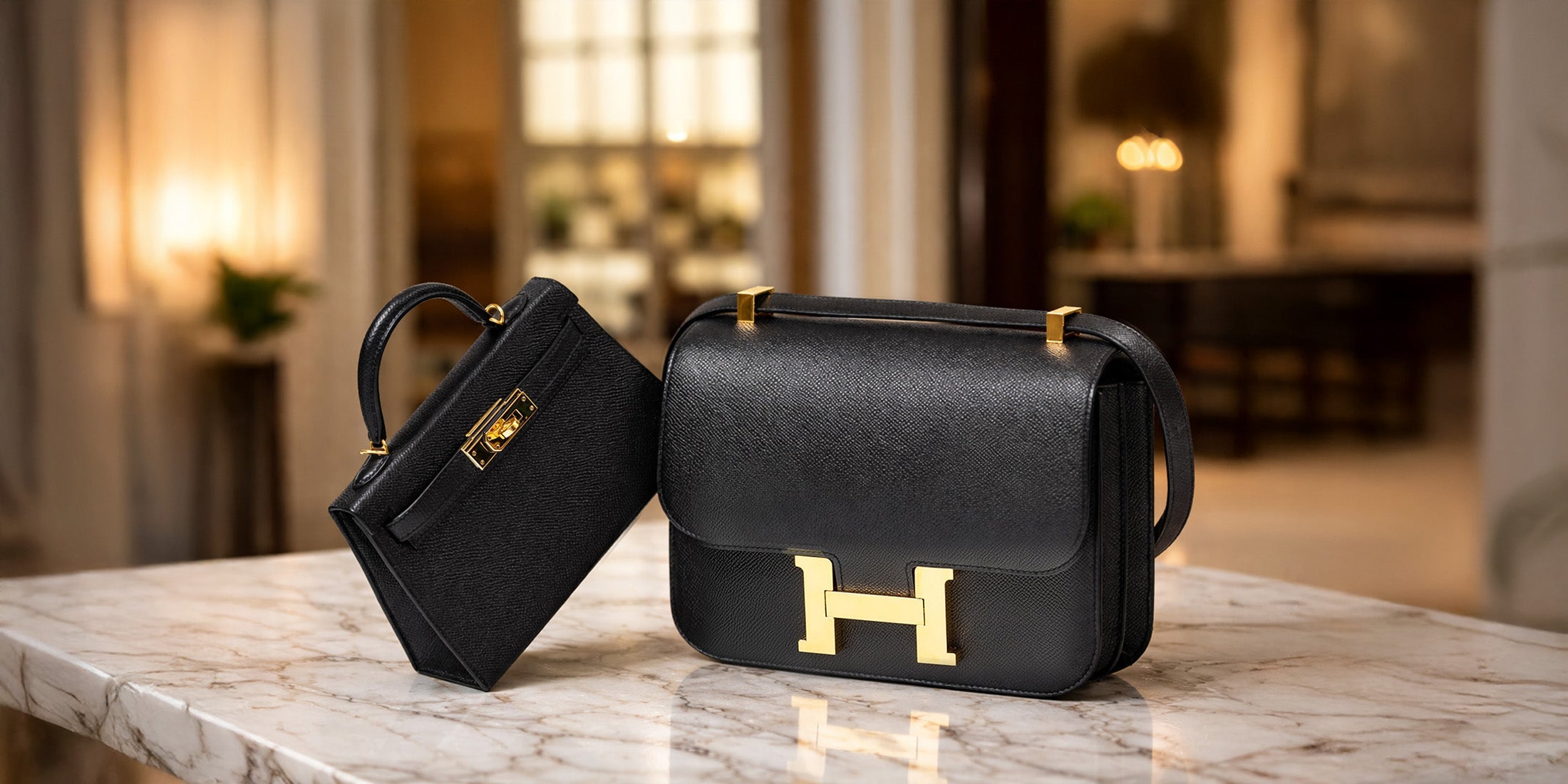
Store-fresh generally describes a bag that has not been carried and remains in an exceptionally well-preserved condition. It may have been handled during its original purchase, briefly displayed, or stored after leaving the boutique.
Typical characteristics include:
- Leather without visible scratches, stains, or significant creasing.
- Corners and edges without apparent abrasion or color loss.
- Handles without darkening from regular contact with skin or clothing.
- Hardware without noticeable scratches, tarnishing, or plating wear.
- A clean interior without stains, odors, or impressions from stored belongings.
- Original accessories and packaging, where available, in well-maintained condition.
Some bags retain protective hardware films, but their presence is not a requirement for store-fresh condition. Films can be removed during boutique handling or purchase, and their presence alone does not establish that a bag is unused.
Store-fresh should also not be confused with brand-new. A previously owned bag may appear unused without having the same purchase history or status as an item being sold directly by Hermès.
When Store-Fresh Condition Supports Buyer Confidence
Store-fresh condition can be particularly reassuring to buyers who prioritize an unused appearance, pristine hardware, and minimal signs of handling. However, the label only strengthens confidence when the evidence supports it.
For sellers, that means showing the bag's corners, handles, interior, and hardware clearly, rather than relying on photographs of the overall silhouette.
If the bag was purchased several years ago but never carried, disclose that history. If it has been removed from its box for inspection or photographs, that does not automatically make it used, but any resulting marks should be acknowledged.
A store-fresh claim becomes more credible when the stated history, visible condition, and included accessories tell a consistent story. This can make the bag easier for a resale specialist to present accurately and for a buyer to evaluate without unnecessary uncertainty.
Even exceptional condition cannot guarantee a particular selling price. It supports the presentation of the bag, while actual demand and comparable transactions determine its market position.
Typical Signs of a Loved Hermès Bag
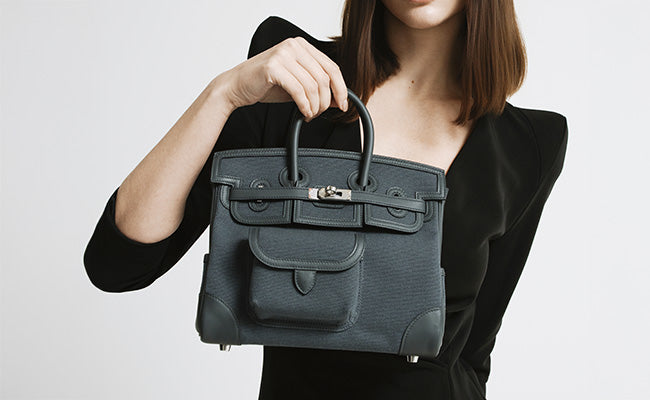
A loved Hermès bag has been carried or handled enough to develop visible signs of use. Those signs do not necessarily indicate poor maintenance or structural damage.
Common examples include:
- Handle darkening from natural skin oils and repeated contact.
- Minor corner scuffs or changes in color.
- Fine scratches on locks, clasps, turnlocks, or metal feet.
- Interior impressions, light staining, or small pen marks.
- Leather creasing around frequently opened areas.
- Softening or a more relaxed silhouette from use.
These details should be described individually because two bags labeled loved can differ substantially in overall condition.
A Birkin with minor hardware scratches and a clean interior presents differently from one with heavily darkened handles, substantial corner abrasion, and damaged stitching. Both have been used, but their condition and likely buyer expectations are not equivalent.
How Condition Grades Help Buyers Understand Wear
Resale businesses commonly use descriptive condition grades to organize their inventory. However, there is no single grading system applied consistently across every Hermès resale platform.
The following descriptions provide a practical framework for sellers preparing a bag for assessment.
Store-Fresh and Excellent Condition
Store-fresh: The bag appears unused, with no readily visible signs of wear. Its actual ownership and handling history should still be disclosed accurately.
Excellent: The bag shows minimal evidence of careful use, such as faint hardware hairlines, slight leather softening, or very minor marks visible under close inspection.
Very Good, Good, and Fair Condition
Very good: The bag has light but identifiable signs of use, including small corner marks, moderate leather softening, or surface scratches.
Good: The bag remains functional and presentable but shows more noticeable wear, such as handle darkening, visible corner abrasion, interior staining, or pronounced hardware scratches.
Fair: The bag has significant cosmetic wear or condition issues that may require professional attention. Structural integrity and functionality should be assessed separately.
These grades are descriptive rather than guarantees of value. Sellers should explain the condition of individual components instead of assuming that a single label communicates everything buyers need to know.
When requesting a quote, you can describe the bag using the grade you believe fits best, but the resale specialist may assign a different grade after reviewing photographs or conducting a physical inspection.
How Store-Fresh and Loved Condition Affect Hermès Resale Value
Condition influences what buyers may be willing to pay, but a universal percentage difference between store-fresh and loved bags would be misleading.
Resale pricing depends on how a specific bag compares with other available examples of the same or closely comparable model.
Why Store-Fresh Bags Can Command Premiums
An unused Birkin or Kelly may attract buyers who prioritize pristine condition, particularly when the bag is a desirable size, color, leather, or limited edition.
Original accessories and documentation can strengthen its presentation. A complete set may include the box, dust bag, lock, keys, clochette, strap where applicable, and purchase documentation.
For sellers, store-fresh condition can become a meaningful advantage when the bag's condition is easy to verify. A specialist may be able to position it for buyers specifically seeking an unused example rather than a previously carried alternative.
However, store-fresh condition does not guarantee a resale price above retail. Market demand, model availability, and current comparable transactions remain important.
Why Loved Bags Can Still Attract Serious Buyers
A pre-owned Hermès bag with documented, manageable wear may appeal to someone who intends to carry it regularly rather than preserve it as an unused collectible.
For example, a Birkin 30 with minor hardware scratches, clean lining, and well-maintained corners may remain attractive even if it no longer qualifies as store-fresh.
Buyers can also prefer the softened feel of certain leathers or the patina associated with older pieces.
When presenting a loved bag, sellers should explain the difference between cosmetic aging and functional deterioration. A history of careful use can provide useful context, but the visible condition must still speak for itself.
Condition Issues That Often Have Greater Pricing Consequences
Minor surface wear and structural problems should not be treated as equivalent.
Issues that may have a greater effect on buyer interest include:
- Deep corner abrasion or exposed underlying material.
- Torn or weakened stitching.
- Broken or malfunctioning hardware.
- Significant staining, persistent odors, or moisture damage.
- Major deformation or loss of structure.
- Cracking or deterioration along handles and leather edges.
- Unprofessional repairs or undisclosed alterations.
These concerns deserve direct disclosure. If a repair has been completed, the seller should explain what was done and provide supporting records when available.
Disclosing these issues during the initial quote submission is especially important. A preliminary quote based on incomplete condition information may need to be revised after physical inspection reveals additional wear.
How to Tell Your Hermès Bag's Condition Story Honestly
Condition storytelling is the process of explaining how a bag has been used, maintained, and preserved while keeping the description grounded in what a buyer or resale specialist can verify.
For sellers, a useful story connects the bag's history with its present condition. It should add context, not replace objective information.
Explain How the Bag Has Been Used and Cared For
A seller may know details that are not immediately visible in photographs, such as whether the bag was carried occasionally, stored for several years, or professionally maintained.
These details can help explain its current appearance.
For example:
“Purchased in 2020 and carried occasionally. Stored in its dust bag between uses. The handles show light darkening, and the hardware has fine surface scratches. No repairs or recoloring have been performed.”
This tells a more complete condition story than simply describing the bag as loved or gently used.
Only include information you know to be accurate. If you purchased the bag secondhand and do not know its earlier maintenance history, state that instead of assuming it has never been repaired.
Use Specific Language Instead of Vague Condition Claims
Expressions such as “almost perfect,” “normal wear,” and “beautifully loved” can sound reassuring, but they provide limited information.
More useful descriptions include:
- Instead of “slight wear”: “Minor darkening along both handles from regular handling.”
- Instead of “hardware looks good”: “Fine surface scratches visible on the front turnlock under direct light.”
- Instead of “corners in great shape”: “Light rubbing on the lower left corner with no exposed underlying material.”
- Instead of “clean interior”: “Interior lining is clean overall, with one small pen mark inside the slip pocket.”
- Instead of “vintage character”: “Visible surface scratches and an even patina across the Box Calf leather.”
Descriptions should reflect what is actually present. Patina can be attractive, but it should not be used as a substitute for disclosing staining, abrasion, or damage.
Describe the Location and Severity of Each Imperfection
A useful description answers three questions: where is the wear, what kind of wear is it, and how visible is it?
For example:
“The bag is in very good pre-owned condition. There is light darkening on the underside of the handles, small surface scratches on the palladium-finish hardware, and minor rubbing at two lower corners. The interior is clean, with no noticeable staining or persistent odor.”
This explanation gives buyers and resale specialists a clearer basis for judging condition than simply calling the bag gently used.
If the exact cause of a mark is unknown, describe its appearance without speculating about its origin.
Make the Condition Story Consistent With the Photos
The written explanation and photographs should support each other.
If your description mentions slight corner rubbing, include a close-up showing it. If you call a bag store-fresh, provide enough detailed photographs to demonstrate that its hardware, leather, interior, and handles are consistent with that claim.
A mismatch between the description and visible evidence can weaken buyer trust and make the initial resale quote less reliable.
Consistency matters more than persuasive language. A clear explanation of minor imperfections can be more convincing than an unsupported claim of flawless condition.
Avoid Overstating the Benefits of Ageing
Some leathers develop appealing surface changes over time, but not every sign of wear should be presented as an improvement.
A uniform patina on an older Barenia bag may be desirable to a particular buyer. Deep scratches, cracked glazing, or severe discoloration still deserve straightforward disclosure.
Buyers should be able to decide for themselves whether the aging suits their preferences.
How to Photograph a Loved or Store-Fresh Hermès Bag
Condition photographs are essential because they allow buyers and resale specialists to evaluate details that written descriptions cannot fully convey.
The objective is to document the bag faithfully, not to make imperfections disappear through lighting, filters, or selective framing.
Essential Condition Photography Checklist
Before submitting a bag for a resale quote or preparing a listing, capture the following:
- Front: Show the complete front panel, flap or closure, handles, and overall shape.
- Back: Photograph the rear panel to reveal surface marks, creasing, or color transfer.
- Sides and base: Show both side profiles, structural condition, and the bottom of the bag.
- Corners: Include close-ups of all four corners, especially where rubbing or color loss appears.
- Handles: Capture the upper and underside surfaces, including darkening, cracking, or softening.
- Hardware: Photograph locks, clasps, turnlocks, feet, and other metal components clearly.
- Interior: Show the lining, pockets, stains, impressions, and interior wear.
- Stamp: Provide a clear photograph of the relevant Hermès markings or date stamp, where accessible.
- Full set: Photograph the box, dust bag, lock, keys, clochette, strap, receipt, and other included accessories.
Photograph any visible flaw both close up and from a normal viewing distance. This helps the viewer understand the scale of the imperfection relative to the entire bag.
Lighting and Presentation Tips
Use soft, even light and a neutral background. Avoid strong reflections that conceal hardware scratches or shadows that make leather discoloration difficult to judge.
Keep photographs sharp and use consistent color representation. Heavy filters, artificial smoothing, and edits that remove visible imperfections can create misleading expectations.
A short video showing the bag from multiple angles can provide additional context, particularly for leather flexibility, shape, and hardware function.
How Complete Photos Improve Quote Accuracy
A preliminary resale quote is often based on the information available at the time of assessment. When photographs omit important areas, the specialist may have to make assumptions or request additional evidence.
For example, an overall photograph may show a well-maintained Birkin, but it may not reveal cracking along the handle edges or scratches on the underside of the hardware.
If those details become apparent only during physical inspection, the final assessment may differ from the initial quote.
Providing complete photographs from the beginning helps the specialist understand the bag's condition more accurately. It can also reduce unnecessary correspondence and make the selling process more predictable.
Even a comprehensive photo submission cannot guarantee that the final quote will remain unchanged, since some issues may only be identifiable during an in-person inspection.
How Different Hermès Leathers Develop Wear
Leather type affects how signs of use appear. The same amount of handling may produce different visible changes on Togo, Clemence, Box Calf, and other Hermès materials.
Togo Leather: Texture and Surface Wear
Togo is known for its pebbled grain and relatively structured appearance. Its texture can make some minor surface marks less apparent than they would be on smooth leather.
With use, handles may develop a slight sheen, corners can become softer, and frequently flexed areas may show creasing.
Although Togo is often considered practical for regular wear, it is not scratch-proof. Deep scratches, abrasion, and color transfer should still be documented.
Clemence Leather: Softening and Shape
Clemence generally has a softer, more relaxed character than some structured Hermès leathers.
Over time, a Clemence Birkin may develop a slouchier silhouette, particularly in larger sizes or when stored without sufficient support.
Some buyers appreciate this relaxed appearance. Others prefer a firmer shape, so the seller should describe the bag's actual structure rather than automatically classifying softness as damage or a benefit.
Box Calf Leather: Scratches and Patina
Box Calf has a smooth, glossy surface that can show fine scratches and handling marks more readily than heavily grained leathers.
With age and careful use, it can develop a distinctive patina that appeals to vintage Hermès collectors.
However, a desirable patina should not be confused with deep scratches, significant cracking, or poorly performed refinishing.
A condition description should identify visible marks separately so buyers can assess the leather without relying on the general term “vintage patina.”
Exotic Leathers: Scale Condition and Surface Changes
Crocodile, alligator, and ostrich leathers have distinct surface characteristics and care requirements.
Matte crocodile and alligator may develop localized sheen through handling. Ostrich leather has a recognizable follicle pattern, while color changes and surface marks can become more apparent with wear.
When describing exotic skins, pay particular attention to:
- Scratches, abrasions, or damaged scales.
- Changes in sheen or uneven surface appearance.
- Dryness, cracking, or other signs of deterioration.
- Discoloration or staining.
- Wear around corners, handles, and closures.
Exotic skins should not be assumed to become more durable with age. Their condition requires careful evaluation, and improper handling or cleaning can cause lasting damage.
How Material Rarity Changes Buyer Expectations
Scarce materials and discontinued colors can attract collector interest even when a bag shows some wear.
For example, an older Barenia piece with an established patina may appeal to buyers looking for that material's characteristic appearance. A comparable level of visible handling on a newer Togo bag may be evaluated differently.
For a resale submission, explain the material and describe its condition separately. Rarity can influence demand, but it does not eliminate the need to disclose defects accurately.
Birkin and Kelly Condition: What Buyers Examine Most Closely
Although the same general disclosure principles apply to all Hermès handbags, construction and intended use can affect which areas deserve particular attention.
Birkin 25, 30, 35, and 40
Birkin condition assessments should consider both the bag's size and how its structure has aged.
For smaller Birkins, buyers may pay close attention to corner condition, handle darkening, and hardware because these details can be particularly noticeable on compact bags.
Larger Birkins may show more pronounced leather relaxation, base creasing, or changes in silhouette after regular use.
Important areas to document include:
- Both handles, including their attachment points.
- Front flap, straps, and closure hardware.
- All four base corners and metal feet.
- Edge glazing and stitching.
- Interior lining and pocket condition.
- Overall silhouette when the bag is empty.
Birkin 25 and 30 models may attract different levels of demand than larger sizes, but a fixed resale premium cannot be assumed from size alone.
Kelly Sellier and Retourne: Different Wear Patterns
Kelly Sellier and Kelly Retourne have different constructions that influence how wear may appear.
The more defined edges of Sellier construction can make corner and edge abrasion especially noticeable.
Retourne construction generally creates a softer appearance, making changes in shape and leather relaxation important to document.
For either version, examine:
- The top handle and attachment points.
- The turnlock and closure straps.
- Corner and edge condition.
- Shoulder strap attachments, where applicable.
- Flap creasing and leather around the closure.
- Interior cleanliness and structural integrity.
These observations help buyers and resale specialists understand whether the bag has light cosmetic wear or issues that could affect its functionality.
Limited-Edition Birkins and Kellys
Rare designs such as the Himalaya Birkin, Shadow Birkin, and Birkin Faubourg may attract specialized collector interest.
However, uncommon materials, decorative elements, and distinctive construction details may also require more careful condition documentation.
Buyers evaluating rare pieces may consider provenance, originality, previous repairs, and the preservation of unusual design features alongside visible wear.
A rare bag should not automatically be described as retaining its value regardless of condition. Prices depend on the specific example and market demand.
Why Documentation and Accessories Matter When Selling Hermès
Original accessories and purchase records can help buyers understand a bag's history and what will be included in the sale.
They also make it easier for a resale specialist to assess completeness alongside physical condition.
Original Receipts and Purchase History
An original boutique receipt may help establish purchase details, including the date and location of the transaction.
However, a receipt alone does not prove that a bag is authentic. Purchase documents can be lost, altered, or separated from the original item.
When documents are available, provide accurate information about them without overstating what they establish.
Dust Bags, Boxes, Locks, and Other Accessories
A complete set may include:
- Original Hermès box and dust bag.
- Lock, keys, and clochette, where applicable.
- Original shoulder strap for designs supplied with one.
- Rain protection accessory, if originally included and retained.
- Purchase receipt or invoice, where available.
- Relevant repair or maintenance records.
Not every Hermès design is supplied with the same accessories. Sellers should list only what is genuinely included rather than describing every bag as having a full set.
Hermès handbags also should not be expected to include a brand-issued authenticity card as standard documentation.
Repair and Maintenance Records
Repair history can be important when assessing condition, particularly if a bag has undergone leather restoration, hardware replacement, recoloring, or other interventions.
Professional Hermès repair records may help explain the work performed, but they do not remove the need for an independent assessment of the bag's current condition.
Undisclosed alterations can complicate resale because buyers may place different values on original condition and restored condition.
How to Prepare a Hermès Bag for an Accurate Resale Quote
A reliable preliminary quote begins with accurate information. Before approaching a resale specialist, organize the bag's specifications, condition history, photographs, and supporting documents.
A complete submission can reduce follow-up questions and help the specialist distinguish cosmetic wear from issues that may materially affect value.
Prepare a Clear Condition Summary
Include the model, size, leather, color, hardware finish, approximate purchase year if known, and a concise description of visible wear.
For example:
“Hermès Kelly 28 Retourne in Togo leather with palladium-finish hardware. The bag has been regularly carried but carefully maintained. Light handle darkening, small corner scuffs, and fine hardware scratches are visible. The interior is clean. Original dust bag, strap, lock, keys, and clochette are included.”
This gives a specialist relevant information without exaggerating the bag's strengths or concealing imperfections.
Explain Condition History Without Making Unsupported Claims
If the bag was purchased new and has remained unused, mention that history. If you know it has been professionally serviced, explain when and what work was completed.
If its history is incomplete, describe only what you can confirm.
For example, a seller who purchased a bag secondhand should not automatically claim it has never been restored. A more accurate explanation would be that no restoration is known to the current owner.
This distinction protects the credibility of the submission and helps specialists determine whether additional inspection is necessary.
Understand Why a Preliminary Quote May Change
An initial quote may be based on photographs and seller-provided details rather than a full physical inspection.
After the bag is examined directly, a specialist may identify differences in condition, authenticity concerns, undisclosed repairs, or missing accessories that affect its final valuation.
Accurate descriptions and comprehensive photographs reduce the risk of surprises, but they cannot eliminate every uncertainty.
Sellers should understand whether a quote is preliminary or final and ask what circumstances could lead to an adjustment before proceeding.
Compare Relevant Market Examples
When estimating resale value, compare bags with similar specifications and condition.
Relevant factors include:
- Model and size.
- Leather type and color.
- Hardware finish.
- Year or approximate production period.
- Condition of the exterior, interior, and structure.
- Accessories and available documentation.
- Recent comparable sales and current demand.
Completed transactions generally provide more useful pricing context than ambitious asking prices, although differences in sales channels and fees still matter.
Consider the Selling Process
Private sales, specialist resale businesses, and auctions can differ in their fees, condition review procedures, and payment arrangements.
Some sellers prioritize a straightforward transaction. Others may accept a longer selling period in pursuit of a particular price.
Before agreeing to any arrangement, clarify how the bag will be assessed, what fees apply, when payment occurs, and whether the final offer may change following physical inspection.
For market context, explore the Hermès collection and Birkin collection at Rome Station to see how different models are presented.
Final Thoughts
Whether your Hermès bag is store-fresh or visibly loved, the strongest resale presentation combines an accurate condition story with clear photographs, complete accessory details, and realistic expectations. Careful disclosure helps specialists prepare better-informed quotes and gives buyers greater confidence that the bag they receive will match its description.
If you are considering selling your Hermès bag, request a personalized quote from Rome Station with detailed condition photographs and an honest summary of its history and wear.
Fact Check and Data Sources
Condition terminology and resale assessments: Labels such as store-fresh, excellent, and loved are descriptive resale terms rather than universally standardized Hermès condition grades. The guidance on quote accuracy reflects general resale assessment principles, not a guarantee of Rome Station's specific valuation procedures or final offers.
Frequently Asked Questions
How should I describe a loved Hermès bag when requesting a resale quote?
Can I describe my Hermès bag as store-fresh if it was handled but never carried?
Can incomplete condition photographs affect my Hermès resale quote?
Does store-fresh condition automatically increase a Hermès bag's resale value?
Should I disclose minor scratches and handle patina even if my Hermès bag is in excellent condition?
Can I request a Rome Station quote for a Hermès bag with visible wear?
Do I need the original Hermès receipt and full set to sell my bag through Rome Station?
Love Hermès? See More from Rome Station
Add us to your Preferred Sources on Google to see our newest Hermès guides and insider tips first.