
TL;DR
Buying a Hermès bag on consignment can be a smart way to access coveted styles, but only if you assess the specific piece with discipline. The safest purchases come from trusted resale sources that offer written authentication, clear condition reporting, strong provenance, and sensible return terms. Look closely at documentation, leather, hardware, stamps, structure, and original accessories. A beautiful listing is never enough on its own. When you evaluate authenticity, condition, provenance, and seller credibility before you buy, you protect both the pleasure of ownership and the long-term appeal of the bag.
Check out our Hermès collection and Birkin bags!
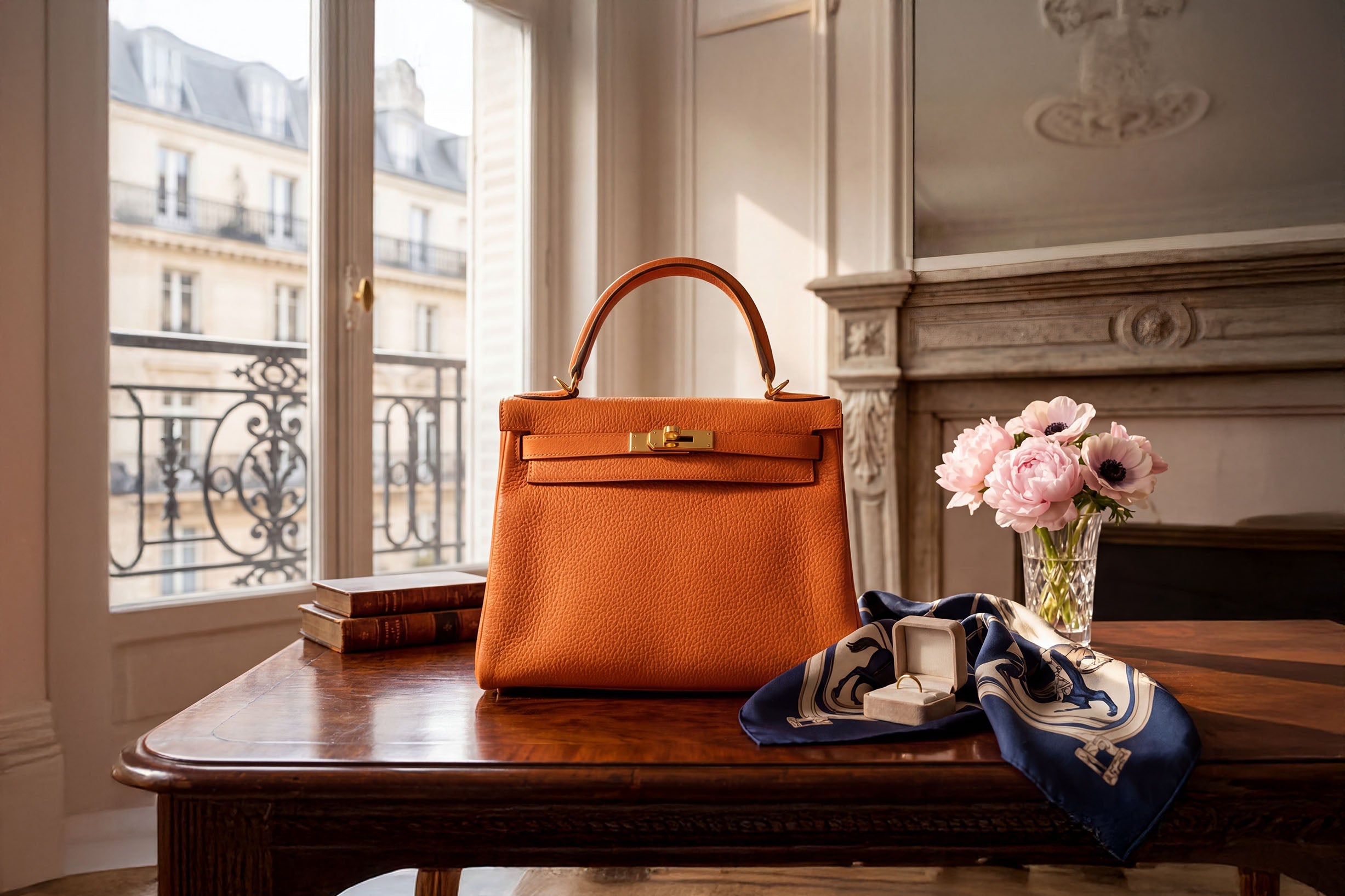
The appeal of the secondary market is easy to understand. It offers access to sought-after Hermès styles without relying on boutique availability alone. But buying a Hermès bag on consignment demands a different kind of confidence. The real question is not simply whether a Birkin, Kelly, or Evelyne is desirable. It is whether the exact bag in front of you is authentic, honestly represented, and worth the price being asked.
Smart buyers do not rely on polished photos or a vague promise of authenticity. They scrutinize documentation, inspect condition, question provenance, and evaluate the seller with the same care they would give the bag itself.
This guide breaks down how informed collectors assess risk before they buy, so you can approach the consignment market with more clarity, better judgment, and far fewer expensive surprises.
Key Takeaways
- Prioritize provenance, written authentication, and seller transparency before rarity or hype.
- Judge the specific bag, not just the model, by examining condition, hardware, leather, structure, and missing accessories.
- Choose resale sources with clear grading, fair return terms, and a credible track record with Hermès.
Foundations of Hermès Consignment Buying
Hermès bags command attention because of craftsmanship, scarcity, and enduring prestige. Before you assess risk properly, it helps to understand what you are buying, how these bags reach the resale market, and why some listings inspire more confidence than others.
Understanding the Hermès universe
The Birkin and Kelly remain the most recognized names in the house, but they are not the only models that matter. The Constance offers a more compact shoulder style, while the Evelyne and Picotin bring a more relaxed entry into Hermès leather goods. Each model attracts a different buyer, and each carries a different balance of structure, function, and formality.
Leather matters as well. Togo and Epsom are popular because they wear differently and hold shape in different ways, while Clemence feels softer and more relaxed. Exotic skins sit in a separate category altogether, with higher prices, stricter scrutiny, and more demanding care.
How Hermès bags reach the secondary market
Hermès bags enter consignment for many reasons. Some owners are refining a collection. Others are reselling gifts, inherited pieces, or boutique purchases they no longer use. Estate sales and private collections can also release unusual bags back into circulation.
Consignment platforms typically photograph, describe, authenticate, and market the item while the seller retains ownership until it sells. That structure can work well for buyers, but only when the platform is disciplined. The strongest resale sources provide detailed condition notes, clear images, original accessories when available, and a transparent process for authentication and returns.
Why provenance matters before you buy
Provenance is the bag’s backstory, and it often shapes buyer confidence. A bag with a receipt, service history, and a clear chain of ownership usually feels safer than one with little supporting information.
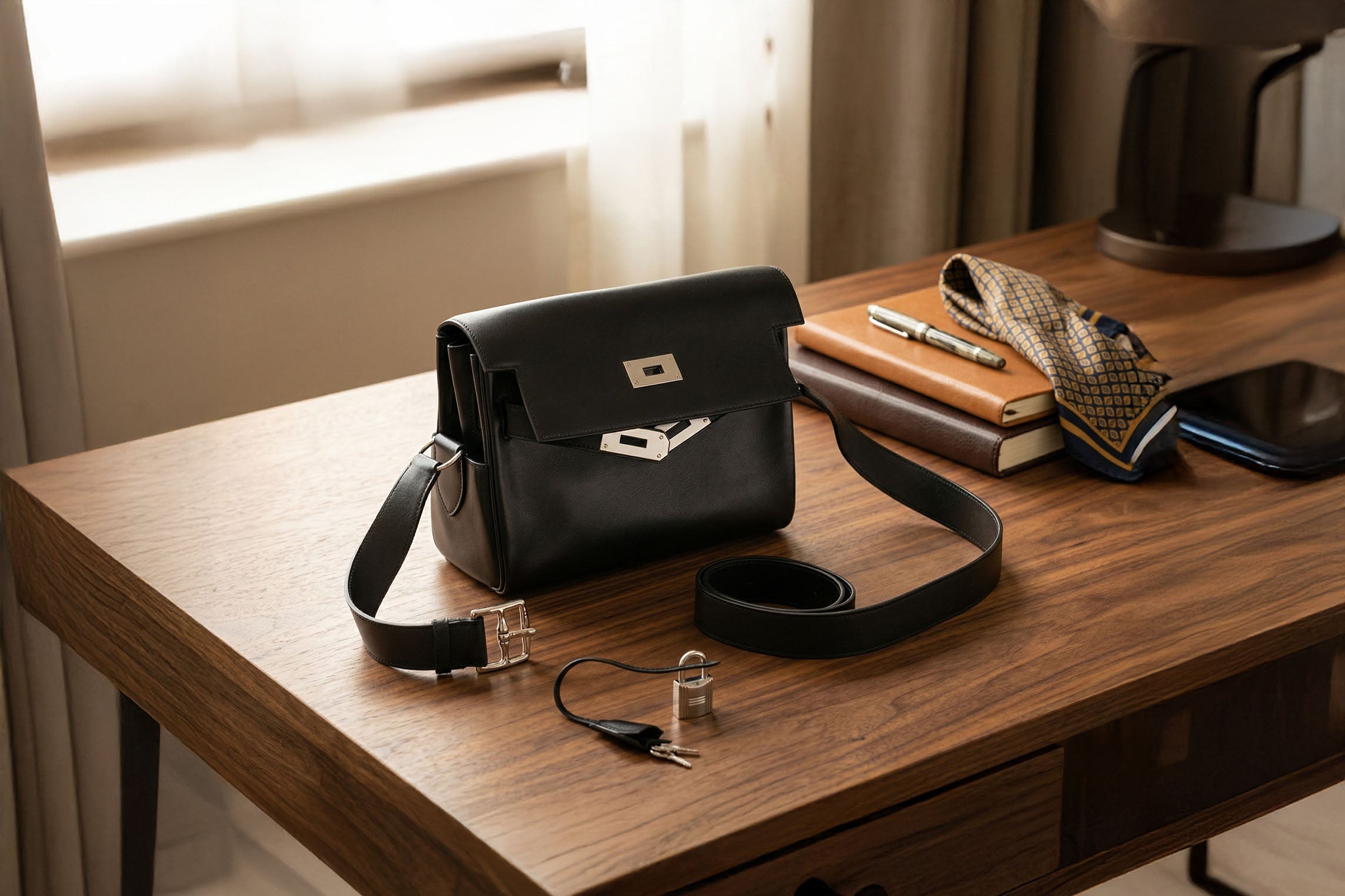
Original packaging is helpful, but it does not prove authenticity on its own. What matters more is whether the documentation, physical details, and seller narrative all line up. Even when a bag photographs beautifully, missing elements such as the clochette, keys, lock, strap, or dust bag can affect confidence and long-term appeal.
Assessing Authenticity and Provenance
If you want to avoid an expensive mistake, slow down here. A Hermès bag can look convincing in a listing and still raise concerns once you examine the paperwork, the quality of the authentication, and the physical details that reveal how it was made.
Documentation and the paper trail
The ideal paper trail starts with an original Hermès receipt or invoice that helps support the bag’s story. If a receipt is available, check whether its details make sense alongside the bag’s leather, colour, and stamp.
Service or repair records can also be helpful, especially when they explain replaced parts or later work. Previous authentication reports may add comfort, but they should never replace your own review of the piece or the seller.
Useful items to request include:
- Original Hermès receipt or invoice, if available
- Dust bag, box, lock, keys, clochette, and strap, where applicable
- Service or repair records
- Any prior written authentication report
If there is little or no provenance, the burden shifts to the physical evidence. That is when buyers need to become especially exacting.
Evaluating third-party authentication
Third-party authentication can be valuable, but not all services carry the same weight. What matters is the quality and accountability of the opinion behind the document. Strong authentication explains what was reviewed and why the bag was accepted, rather than offering a vague assurance.
Look for specificity, recent review, and clear recourse if a problem later emerges. A written opinion from a credible expert is far more useful than a casual verbal promise that the bag is authentic.
Red flags that deserve a pause
Some warning signs appear again and again. Leather that looks overly glossy, unnaturally stiff, or chemically treated deserves extra scrutiny. Stitches should look consistent and disciplined, not puckered, knotted, or carelessly uneven.
Hardware engravings should be crisp and intentional, not fuzzy, crooked, or shallow. The heat stamp and blind stamp should look coherent with the model, era, and overall construction of the bag.
- Chemical odour instead of the natural feel of leather
- Awkward, weak, or inconsistent stamping
- Mismatched hardware finish or poorly formed engravings
- Edges that look heavily machine-finished or poorly restored
- Several small irregularities appearing together in one bag
One isolated inconsistency may reflect age or repair. Several at once usually mean it is time to walk away.
Evaluating Condition, Craftsmanship, and Materials
Condition is never a side note. It shapes value, usability, and the confidence you will feel once the bag is in your hands. The same model can look like a wise purchase or an expensive compromise depending on wear, structure, hardware, and leather integrity.
Reading condition grades correctly
Most reputable resale sources use a grading scale, but the label alone is never enough. A pristine bag should show little to no evidence of use and retain strong structure, clean corners, and bright hardware. Excellent condition usually means minimal wear with no major distraction, though light signs of handling may appear on close inspection.
Bags described as very good or good deserve a more careful price discussion, especially if there is corner wear, handle darkening, scratches on hardware, loss of shape, interior marking, or visible restoration. Ask for close-up photographs in natural light and request detail shots of the base, corners, handles, interior, and closure before you commit.
Construction and hardware quality
Hermès is known for disciplined handwork, balanced stitching, solid hardware, and clean finishing. On a strong example, the stitching looks controlled, the closure operates smoothly, and the hardware feels substantial rather than lightweight.
Check locks, clasps, zipper pulls, feet, handle attachments, and any removable strap hardware. These areas reveal wear quickly, and they also expose replacements or repairs. Finish should look even across the bag. When one piece of hardware looks noticeably different from the rest, ask why.
Leather types and exotic skins
Togo is often appreciated for its pebbled grain and forgiving wear profile. Epsom feels lighter and more structured, with a refined embossed finish. Clemence is softer and more relaxed. Smoother leathers can be beautiful, but they may show marks more readily in everyday use. Exotic skins require even more discipline from a buyer.
Condition, hydration, storage history, and supporting paperwork matter more, not less, when a bag sits at the upper end of the market. If you are considering an exotic piece, ask direct questions about care, climate exposure, and any documentation that accompanies the bag.
Model, Size, and Long-Term Appeal
Desirability on the secondary market is shaped by more than the model name alone. Size, colour, leather, and hardware all influence how a bag lives in daily use and how broad its appeal may be later. The smartest buyers separate genuine preference from market noise.
Choosing between Birkin, Kelly, and other models
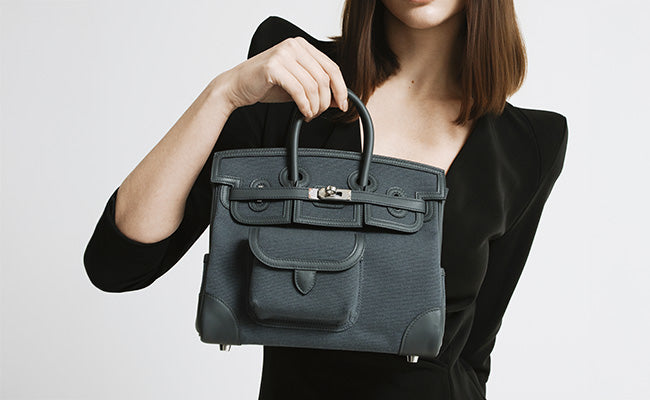
The Birkin usually appeals to buyers who want the most recognizable Hermès silhouette and a more relaxed open-top structure. The Kelly tends to suit those who prefer a more polished, structured shape and a slightly different kind of formality.
Constance attracts buyers who want a compact shoulder bag, while the Evelyne and Picotin often feel more casual and approachable. None of these models is automatically the better purchase. The stronger buy is the one that suits your routine, your wardrobe, your budget, and your tolerance for maintenance.
How size changes desirability and use
Size can shift both daily practicality and resale appeal. Smaller formats often attract strong attention, while mid-size options can offer the most comfortable balance of elegance and usability.
Sizes such as Birkin 25, Birkin 30, and Kelly 28 are frequently discussed because they combine presence with practicality, but the best size is still the one you will actually carry. Larger bags can be excellent purchases for the right owner, yet they often appeal to a narrower secondary-market audience.
Colour and hardware choices
Neutral shades such as Black, Gold, and Étoupe generally appeal to the widest range of buyers because they integrate easily into a wardrobe. Seasonal colours can be beautiful, but they may be more dependent on taste and timing. Hardware also changes how a bag is perceived.
Gold and palladium often feel like the most straightforward choices, while less common finishes can be more selective. If you are buying with long-term flexibility in mind, proven colour and hardware pairings usually offer a more stable path than highly specific combinations that require a very particular buyer.
Selecting a Trusted Resale Source
Even an excellent bag becomes a risky purchase if the seller cannot support it properly. The resale source determines how much information you receive, how protected you are after payment, and how confidently you can resolve issues if the bag is not as represented.
Established resellers and auction houses
Established resellers usually offer fixed pricing, standardized condition grading, detailed photos, and clearer after-sale communication. Auction houses can surface unusual pieces and rare combinations, but the pace is faster and the terms are often stricter. Neither route is inherently wrong.
The safer route is the one with transparent authentication, honest condition reporting, and policies you understand before you pay. Compare how the seller describes bags, how questions are answered, and whether the presentation feels careful rather than merely persuasive.
Return policies, payment protection, and after-sale rights
Read the fine print before you fall in love with a listing. Some sellers offer a short inspection period. Others allow returns only for authenticity disputes, and some make all sales final. Check whether fees apply, who pays return shipping, what condition the bag must be returned in, and how quickly a claim must be opened.
Use payment methods that provide buyer protection whenever possible. Also remember to account for the full landed cost of the purchase, including shipping, insurance, duties, taxes, authentication fees, and currency conversion if the bag is coming from abroad.
Buying for your real life, not just the listing
Luxury handbags are not only about desirability. They are also about ownership. A Kelly 28 asks something different of your routine than a Birkin 35 or an Evelyne. Think about weight, storage, climate, travel, and maintenance before you buy.
Hermès bags reward careful ownership, which means proper storage, limited light exposure, and attention to leather condition over time. A beautiful bag is only a smart purchase if it fits the way you actually live.
Final Thoughts
The smartest way to buy Hermès on consignment is to evaluate the specific bag with patience, not just the prestige of the name attached to it. When authenticity, condition, provenance, and seller credibility all line up, the purchase becomes far more confident.
If you are weighing a particular piece, Rome Station can help you shop with a more informed eye.
Fact Check and Data Sources
Brand-specific descriptions in this guide have been kept general and conservative so they remain supportable. For current information on Hermès collections, leather goods, and care, readers should consult the official Hermès website directly.
Guidance on provenance, condition, authentication, and buyer protection reflects standard secondary-market due diligence, not a guarantee of future value or resale performance. Official brand source: Hermès Official Website.
Frequently Asked Questions
These are the questions buyers most often ask when they want a final layer of reassurance before committing to a consigned Hermès bag. The answers are brief, but each points back to the same principle: evaluate the specific piece, not just the prestige of the model.
What matters more, a receipt or an authentication report?
Ideally, you want both. A receipt supports provenance, while a detailed authentication report helps support the bag’s physical legitimacy. Neither one should be treated as sufficient in isolation.
Are missing accessories a deal breaker?
Not always, but they matter. Missing elements such as a lock, keys, clochette, strap, or dust bag should be disclosed clearly and reflected in the price, especially on a bag marketed as highly collectible.
Which condition issues deserve the most attention?
Focus on structural loss, corner wear, handle darkening, interior stains, hardware damage, and signs of restoration or replacement. These issues affect both day-to-day satisfaction and long-term value perception.
Is an auction safer than buying from a consignment platform?
It can be, but only when the auction house shows real Hermès expertise and transparent terms. Many auction sales are final, so the burden on the buyer is usually heavier before the bid is placed.
How should I compare two similar Hermès bags?
Compare the specific pieces side by side. Look at provenance, condition, leather, hardware, accessories, seller protections, and total cost to own. The better bag is rarely the one with the most exciting description. It is the one that stands up best to close scrutiny.