

What Separates High-Performing Hermès Listings from Unsold Inventory
TL;DR
High-performing Hermès listings usually share the same essentials: clear photography, credible authentication details, honest condition notes, complete accessory disclosure, and pricing that reflects current demand. In the Hermès resale market, buyers move faster when they can verify provenance, assess wear clearly, and compare a bag’s size, leather, colour, hardware, and inclusions without guessing. Unsold inventory tends to stall for the opposite reasons. The pricing is out of step, the listing is vague, or the presentation leaves too much uncertainty. The difference is rarely luck. It is trust, accuracy, and market positioning.
Check out our Hermès collection and Birkin bags!
In the world of Hermès handbag resale, some listings disappear quickly while others sit for months. It is rarely luck. High-performing Hermès listings use transparency, market awareness, and buyer-centered presentation to create confidence from the start. That matters even more in a category where buyers are spending serious money and often making a decision from photographs, documentation, and a description alone.
The patterns are remarkably consistent. Bags that move well tend to answer every important question before the buyer has to ask. Bags that linger usually leave gaps around condition, provenance, pricing, or presentation. This article breaks down the market drivers behind those outcomes, so sellers can position their pieces more effectively and buyers can better recognize what separates a strong listing from one that is likely to stall.
Key Takeaways
- High-performing listings reduce uncertainty with clear photos, precise specifications, and credible authentication details.
- Condition, completeness, and market-aligned pricing matter more than hype when buyers compare Hermès inventory.
- Listings usually stay unsold because of overpricing, vague presentation, or missing information that weakens trust.
Understanding the Hermès Resale Market
Hermès resale pricing can move quickly because demand is concentrated around a relatively small group of models, sizes, colours, and materials. Retail access is selective, and the secondary market becomes the open route for buyers who value immediate availability, clearer comparison, and the chance to choose a very specific combination.
Why Birkin and Kelly Listings Attract the Most Attention
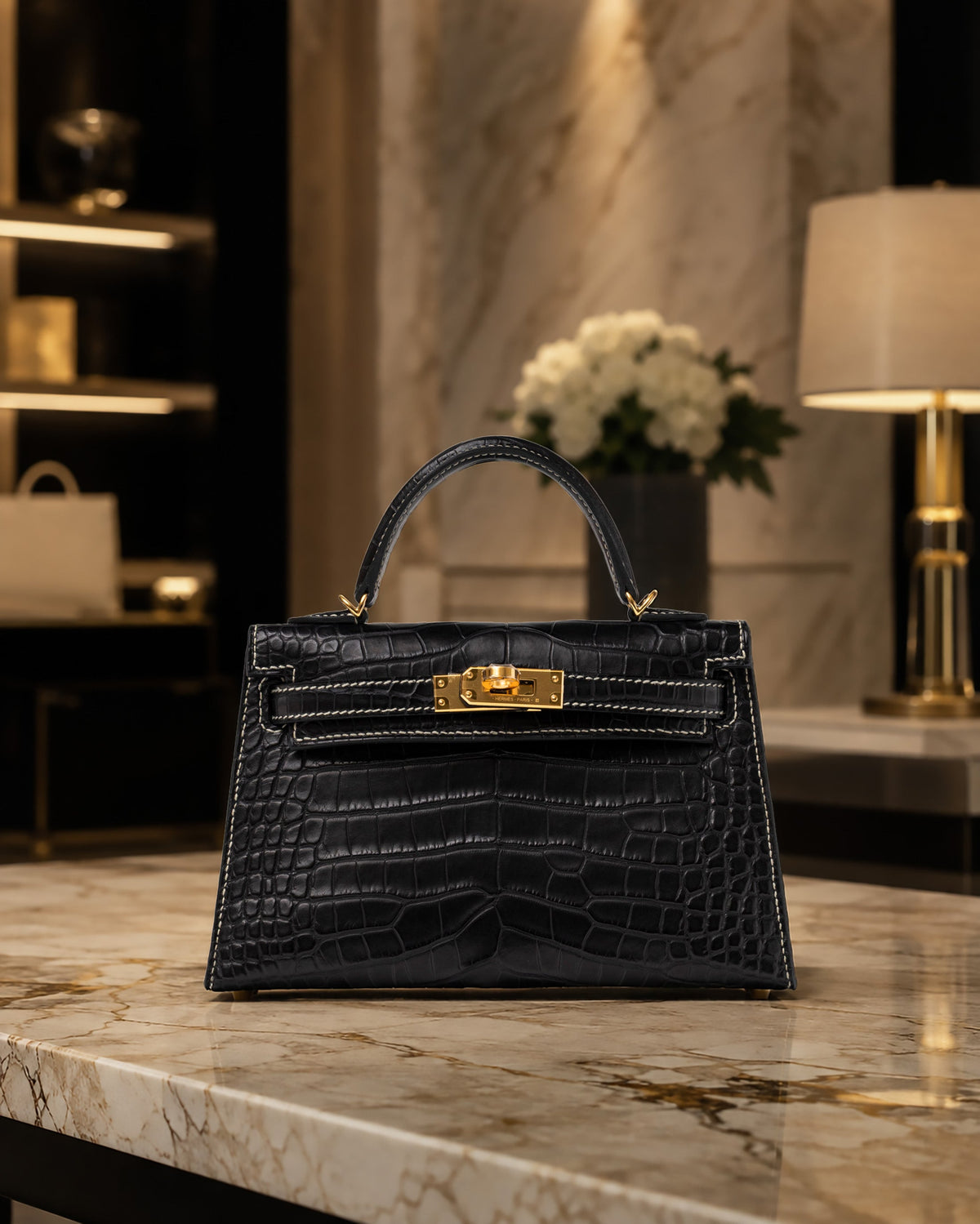
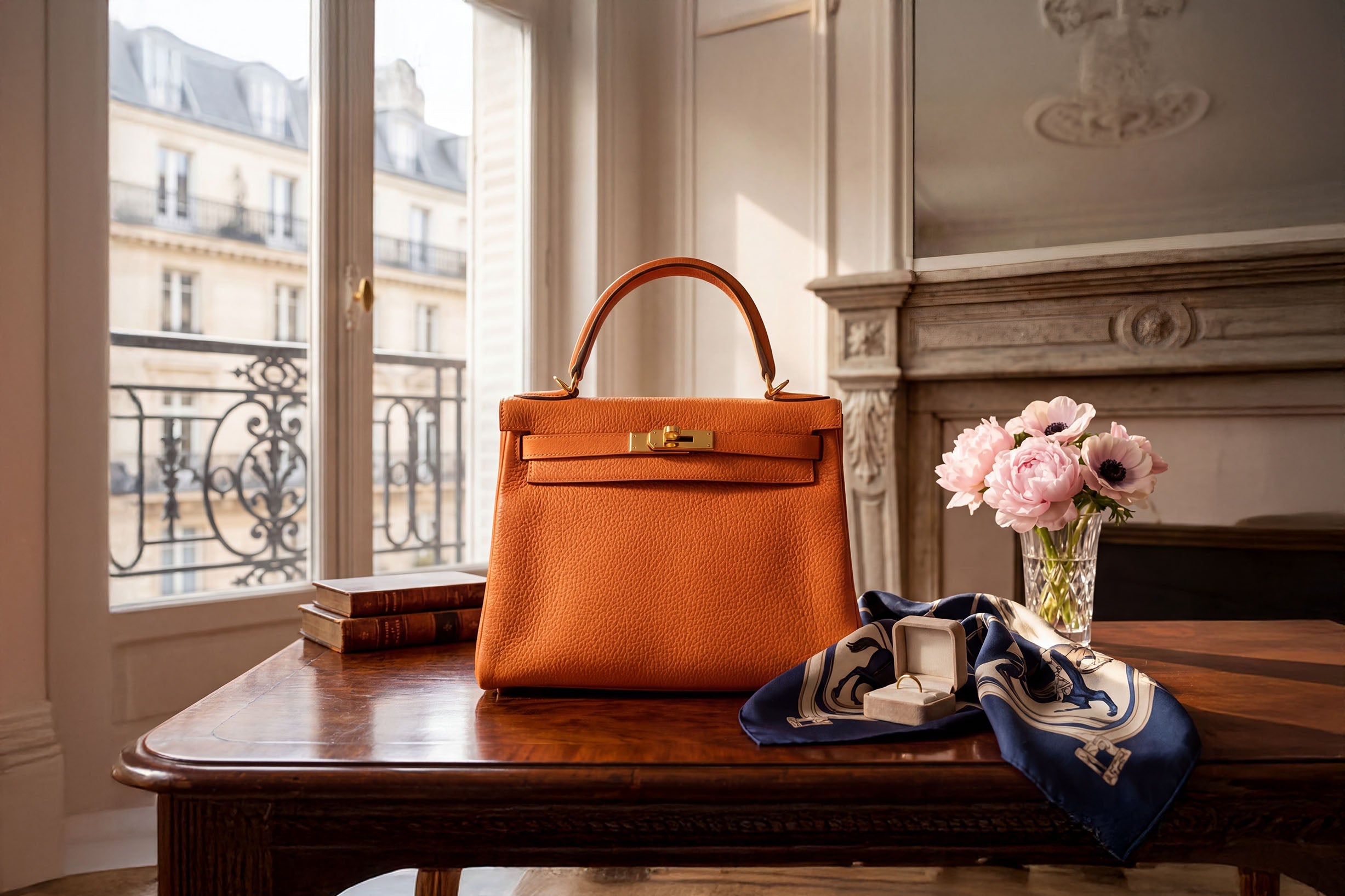
The Birkin and Kelly remain the centre of gravity in Hermès resale. They are the models most buyers search for first, and they set the tone for how the broader market behaves. Hermès also notes that Kelly, Birkin, and Constance handbags are sold exclusively in Hermès stores, which helps explain why the secondary market is so important for buyers seeking faster access to particular configurations.
When demand is focused this tightly, the best-performing listings are usually the ones that make comparison easy. In-demand sizes, strong everyday colours, desirable hardware pairings, and a clean condition profile give buyers fewer reasons to hesitate. The listing works because it removes guesswork.
Scarcity, Craft, and Immediate Availability
Exclusivity at Hermès is tied not only to brand positioning, but also to the house’s production model. Hermès continues to frame its bags around workshop-based craftsmanship and long-term transmission of savoir-faire, rather than speed or scale. That is part of why immediate access carries such weight in resale.
Sellers who understand this do more than post a product. They position a listing as a direct path to a specific bag that may be difficult to source through retail. That sense of access matters most when the listing is precise enough to feel credible.
Buyer Psychology Favors Certainty
In Hermès resale, buyers often care more about certainty than bargain hunting. They want to understand exactly what they are buying, how it presents in real light, what comes with it, and whether the provenance feels secure. Confidence is what moves a listing from interesting to actionable.
That is why vague descriptions, thin photography, or soft condition language slow momentum so quickly. At this level of spending, hesitation is expensive. Buyers do not want surprises. They want proof.
What High-Performing Hermès Listings Consistently Get Right
The strongest listings tend to succeed for the same reason: they combine excellent merchandising with disciplined disclosure. Condition, documentation, material detail, and completeness all work together to signal that the seller understands both the bag and the buyer.
Condition That Matches the Brand’s Reputation
Hermès bags command attention because buyers associate the house with exceptional workmanship. Listings perform best when the bag’s condition still reflects that standard. Clean structure, tidy stitching, well-kept corners, and hardware that presents honestly all matter. So do the photographs that prove it.
Original extras can strengthen that impression. A clochette, lock, keys, dust bag, box, and receipt do not guarantee a quick sale, but they can improve both confidence and perceived completeness. Missing elements do not make a bag unsellable, though they often affect price, audience, and time on market.
Material-specific wear also matters. Togo, Epsom, Clemence, Swift, Box calf, and precious leathers all age differently, so good listings explain what the buyer is seeing rather than assuming the photos will do the work alone.
Detail-Rich Descriptions and Provenance
Strong Hermès listings do not treat the description as filler. They use it to answer the questions a serious buyer is already forming: What year is this bag from? What leather is it made from? What hardware finish does it have? What size is it? What exactly is included?
Date stamps or blind stamps, artisan marks, material type, colour, hardware, measurements, strap details, pocket layout, and included accessories all help the buyer evaluate the piece with more confidence. The best descriptions also make room for provenance. A clear purchase history or credible sourcing note adds reassurance without overselling the story.
Colour, Material, Size, and Rarity Still Shape Demand
Colour can influence both speed and audience. Neutrals such as Black, Gold, Etoupe, and Etain typically attract a broad buyer base, while bolder seasonal colours may appeal more to collectors waiting for a very specific match. Neither approach is inherently better, but they do not move at the same pace.
The same is true of leather, size, and rarity. Some combinations are easier to wear, easier to compare, and easier to resell. Others are more specialised. Precious leathers can draw strong interest, but they also require a more educated buyer and more careful documentation. A smart listing respects that difference instead of treating every configuration as equally liquid.
Trust Signals That Turn Interest Into Action
Hermès buyers are not just buying a bag. They are buying peace of mind. The closer a listing gets to answering authenticity, condition, and completeness without prompting, the more likely it is to convert interest into a serious inquiry or sale.
Authentication and Supporting Documentation
Authentication is foundational. Serious buyers expect close-up views of date stamps, artisan marks, hardware details, stitching, and other identifying features. They also expect the seller to speak precisely about the bag, not vaguely.
Original paperwork, boutique receipt information, care materials, and reputable third-party authentication can all reinforce trust. The point is not to overload a buyer with paperwork. It is to remove the feeling that they have to take a leap of faith.
Photography That Shows, Rather Than Sells
Great photography is not about flattering a bag into something it is not. It is about showing it accurately. Buyers want to see the front, back, base, corners, handles, interior, hardware, stamps, and any flaws that matter. They also want lighting that reads as honest.
Natural-looking images tend to outperform dark, heavily edited, or over-filtered photographs because they reduce suspicion. The same principle applies to condition notes. A line such as “light corner wear visible in the final images” builds more trust than a generic claim of excellent condition with no proof behind it.
Measurements, Inclusions, and Completeness
Precise measurements help buyers picture scale in a way photographs often cannot. Base width, height, depth, handle drop, strap length, and model size all matter, especially when a buyer is comparing multiple listings.
Completeness matters too. Buyers want clarity on what is present and what is not. If the bag includes its lock, keys, clochette, dust bag, or box, say so clearly. If anything is missing, say that clearly too. Transparency shortens the path to trust.
Pricing and Market Positioning
Even a strong Hermès listing can stall if the price does not line up with the market. The best-performing listings usually sit in the narrow space where the bag still feels premium, but the asking price also reflects condition, inclusions, current demand, and comparable outcomes.
Price to the Market You Have, Not the Market You Want
Strong sellers watch what similar bags are actually achieving, not just the numbers attached to optimistic listings that have been sitting for weeks. A Black Togo Birkin 30, a Kelly in a classic neutral, or a rare colour in a less common leather will each behave differently. Pricing needs to follow those realities.
This is where discipline matters. A pristine example with full accessories and strong provenance can justify a firmer ask. A piece with visible wear, missing extras, or a more selective colour story usually needs a more measured approach. When sellers price from hope instead of evidence, the market often responds with silence.
Competitive Does Not Mean Cheap
Competitive pricing is not the same as underpricing. It means placing the bag where serious buyers will engage without questioning the listing’s credibility. Pricing too low can create its own problems in luxury resale, especially when it causes buyers to wonder what is missing.
Often, the best strategy is not chasing the absolute top of the market unless the bag truly supports it. A rare, flawless piece may deserve that position. Many others perform better when the pricing signals realism as well as confidence.
Positioning Across the Right Sales Channels
Channel strategy also affects performance. A seller’s own website offers more control over presentation and client communication, while select resale platforms can widen exposure and reassure buyers who value built-in authentication or a familiar purchasing environment.
The key is not to be everywhere. It is to be in the right places, with consistent information and disciplined inventory control. High-performing listings tend to look coherent across channels, even if the presentation is adjusted slightly for the audience or fee structure of each platform.
E-Commerce Execution Still Matters
In a market this visual and specification-driven, discoverability is part of conversion. The bag itself may be desirable, but the listing still has to be found, understood, and trusted. Good e-commerce habits make that easier.
Search-Friendly Titles and Complete Metadata
Clear titles outperform vague ones. A buyer searching for a specific combination is far more likely to respond to a listing that names the brand, model, size, leather, colour, and hardware than one that relies on shorthand. The description should continue that clarity, not repeat it lazily.
Complete metadata helps too. Accurate product fields, useful image alt text, and consistent terminology make a listing easier to surface and easier to compare. In Hermès resale, specificity is not clutter. It is service.
Consistency Supports Buyer Confidence
When the title, description, photos, measurements, and accessory list all tell the same story, buyers relax. When they conflict, or when key fields are left blank, buyers start looking elsewhere. This is especially true for high-value bags, where even small inconsistencies can feel consequential.
That is why polished listings tend to feel calm rather than crowded. They present the right information in the right order, with no need for the buyer to fill in missing pieces.
Why Some Hermès Listings Stay Unsold
Unsold inventory rarely comes down to one single flaw. More often, it reflects a combination of overpricing, incomplete presentation, and a mismatch between the listing and the buyer most likely to want it. When several small points of friction accumulate, even a desirable bag can sit.
| High-Performing Listing | Listing That Tends to Stall |
|---|---|
| Clear images that show stamps, hardware, corners, and interior | Limited or poorly lit photos that leave buyers guessing |
| Specific condition notes tied to visible details | Generic claims with little proof or unclear wear disclosure |
| Pricing aligned with condition and current demand | Pricing based on old comparables or seller expectations |
| Complete detail on leather, size, hardware, date stamp, and inclusions | Missing specifications, incomplete provenance, or vague descriptions |
Overpricing and Outdated Comparables
One of the most common reasons a Hermès listing sits is simple: the asking price does not reflect the market it is entering. Sellers sometimes benchmark against the very highest examples without matching the same condition, accessories, rarity, or presentation. Buyers notice that quickly.
Common colourways and familiar leather combinations face especially close scrutiny because they are easy to compare. The more alternatives a buyer can evaluate side by side, the less room there is for optimistic pricing that is not clearly supported.
Weak Presentation Creates Friction
Low-resolution images, vague descriptions, missing date stamp details, or incomplete disclosure around flaws all slow down momentum. None of these issues necessarily kills a listing on its own, but together they create the impression that the seller has not done the work.
That is why strong condition reporting matters so much. Terms such as “excellent” or “gently used” only help when the listing explains what those words actually mean in practice. Precision is always more convincing than softness.
Regional and Seasonal Fit Still Matter
Some bags move differently depending on where and when they are offered. Size preferences, colour appetite, and even leather choices can vary by region and season. A listing that feels perfectly timed for one audience may take longer with another.
This does not mean sellers should over-engineer every listing around trend forecasting. It simply means market awareness matters. The closer the presentation, pricing, and channel strategy are to the buyer most likely to want that exact bag, the stronger the performance tends to be.
Final Thoughts
The gap between a fast-moving Hermès listing and stale inventory usually comes down to clarity, credibility, and market alignment. When a listing gets the condition report, documentation, photography, and pricing right, buyer trust follows naturally. For sellers and buyers navigating the secondary market, Rome Station offers a more considered way to evaluate what truly drives resale performance.
Fact Check and Data Sources
This article focuses on market behavior and listing quality rather than unsupported hard statistics. Where brand-specific statements are included, they have been kept to points that can be checked against official Hermès materials. Interpretive resale observations have been presented as market guidance, not fixed guarantees.
- Hermès explains that its leather is full grain, that leather develops patina over time, and that hardware finishes include gold, palladium, and permabrass: Hermès Leather Care.
- Hermès also describes its craft model as workshop-based and notes that its bags are handcrafted in France, with ongoing investment in leather goods workshops and artisan training: Hermès In The Making and Hermès Finance Publications.
Frequently Asked Questions
What makes a Hermès listing sell faster than similar inventory?
Usually it is a combination of strong photography, credible authentication detail, honest condition notes, complete specifications, and pricing that reflects current demand. Buyers move faster when they do not have to guess.
Do original accessories and receipts really matter?
Yes, especially in a trust-driven category like Hermès. A lock, keys, clochette, dust bag, box, and receipt can strengthen confidence and support value, even though a bag can still sell well without every original extra.
How detailed should condition notes be?
Detailed enough that the buyer can understand real wear without interpretation. Corner wear, scratches, softened structure, glazing issues, interior marks, and hardware scuffs should be described clearly and shown in photos.
Is premium pricing always the best strategy for Birkin and Kelly listings?
No. Premium pricing works when the bag genuinely supports it through condition, rarity, completeness, and demand. When it does not, the listing often loses momentum and ends up sitting longer than expected.
Why do some colours or sizes sit longer than others?
Because demand is not evenly distributed. Neutral colours and broadly wearable sizes often attract a larger buyer pool, while highly specific colours, materials, or proportions can take longer because the right buyer is more selective.
Should sellers use third-party authentication?
For higher-value Hermès pieces, it is often a smart confidence-builder. It does not replace good photography and accurate descriptions, but it can reduce hesitation and make the listing feel more professional.
Love Hermès? See More from Rome Station
Add us to your Preferred Sources on Google to see our newest Hermès guides and insider tips first.