How Does Emotional Value Influence Van Cleef Buying Decisions?
Check out our Van Cleef & Arpels collection!
When you’re eyeing a Van Cleef & Arpels piece, the decision rarely boils down to carats, clasp mechanisms, or even what the current market says. Emotional value drives Van Cleef buying decisions through a blend of personal meaning, brand storytelling, and psychological triggers that override pure financial logic.
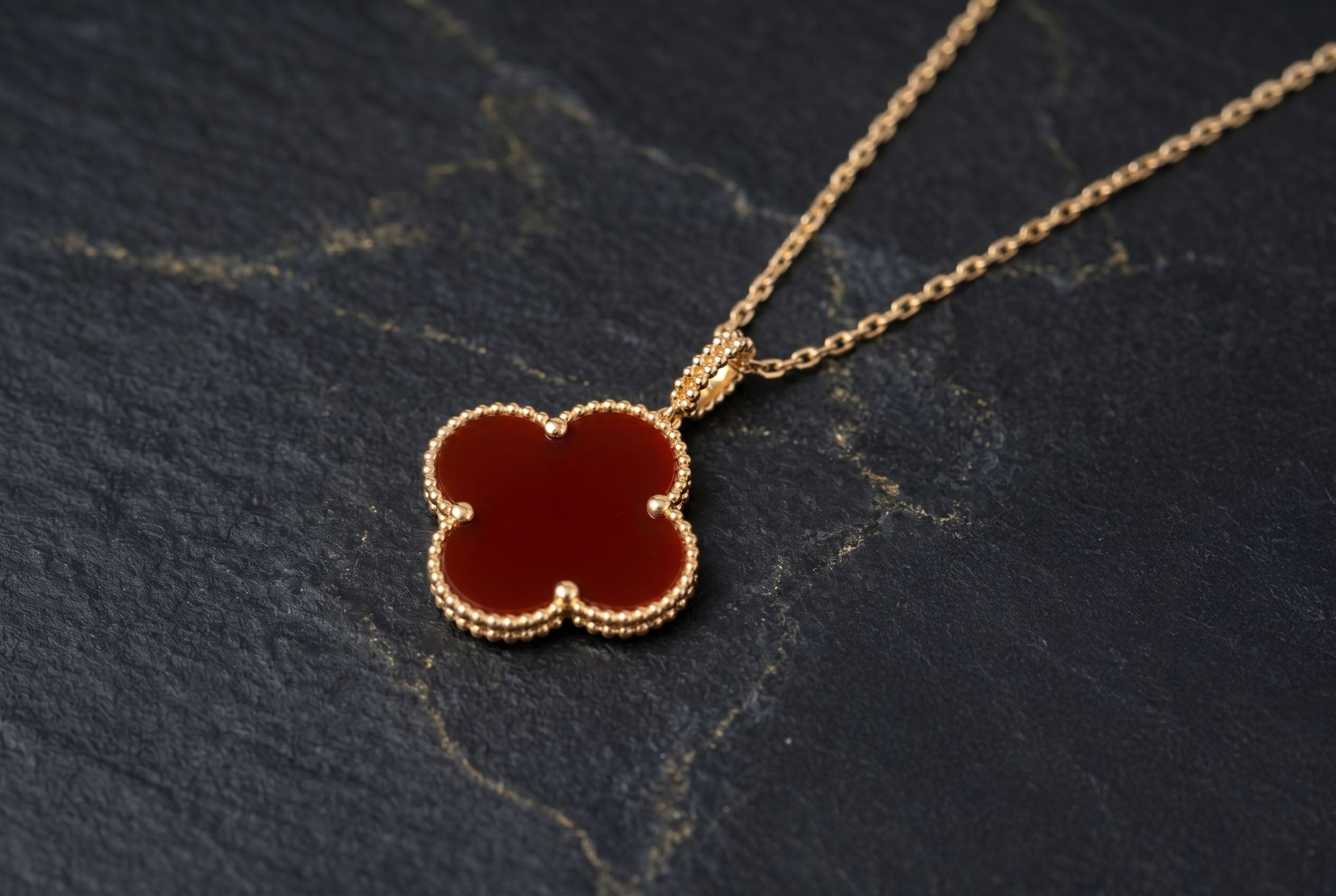
We’re not just paying for mother-of-pearl and gold when we invest in an Alhambra necklace. We’re buying into a narrative of luck, legacy, and the promise of joining a world that feels deeply personal.
The luxury jewellery market doesn’t play by the same rules as everyday purchases. Van Cleef & Arpels has mastered emotional resonance, weaving fairy-tale narratives into collections and building a heritage that signals status and taste in an instant.
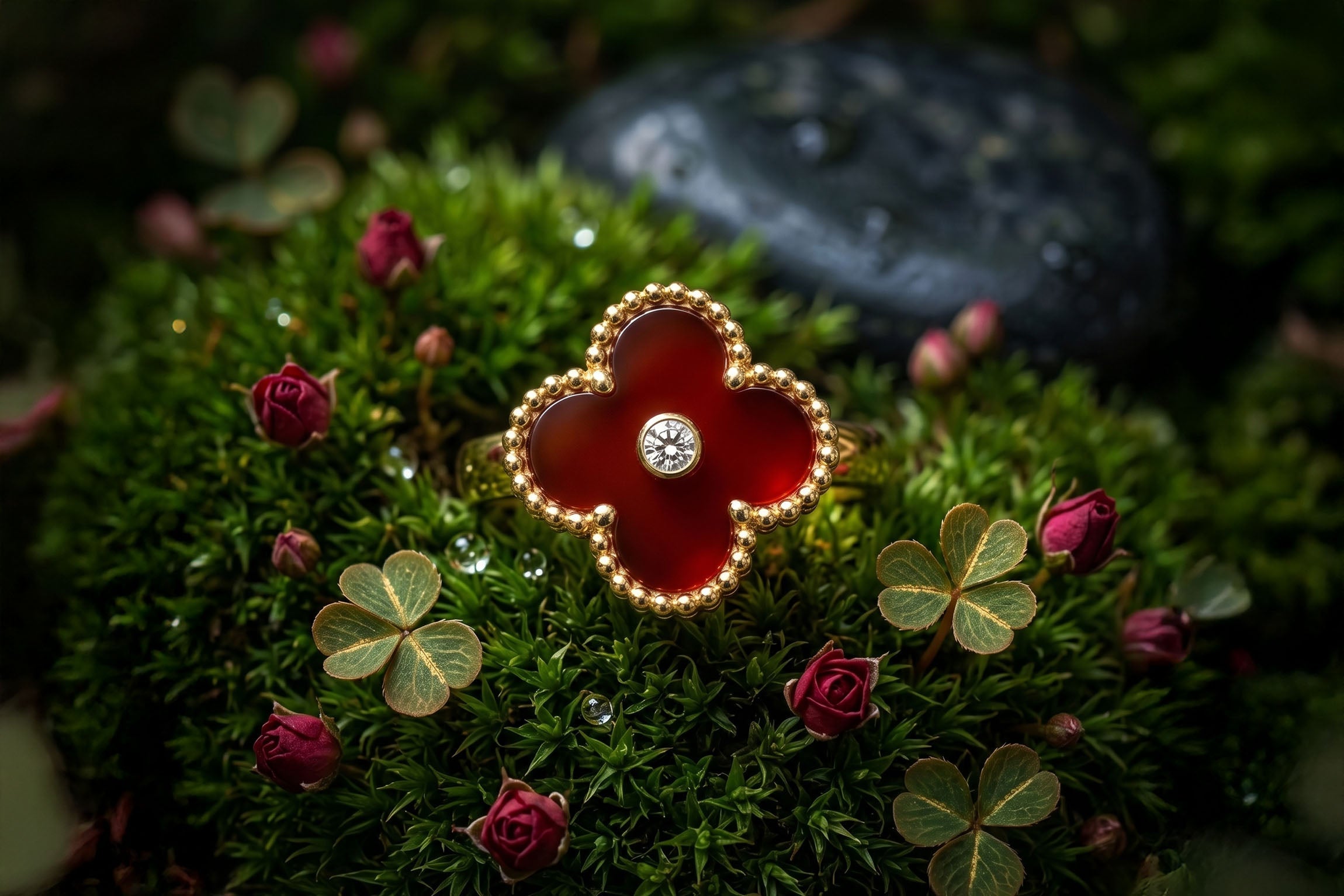
Clover motifs symbolize protection, and the Mystery Set technique showcases next-level craftsmanship. Every detail is there to spark a connection that feels bigger than the materials themselves.
Whether you’re picking your first piece or growing a collection, understanding these emotional drivers matters. Brand identity, social proof, scarcity, and personal attachment shape not just what we buy, but why some Van Cleef pieces keep their allure on the secondary market while others fade.
Recognizing your own motivations can lead to smarter choices and a deeper appreciation for what you’re actually getting.
Key Takeaways
-
Emotional connections and personal meaning usually matter more than financial calculations in Van Cleef purchases
-
The brand crafts value through storytelling, heritage, controlled scarcity, and psychological triggers that connect with luxury buyers
-
Understanding your own emotional motivations can help shape both your first purchase and your long-term collection plans
Emotional Value as the Core of Van Cleef Buying Decisions
Van Cleef purchases run on emotional value, not just numbers. Feelings guide decisions from the first spark of interest all the way to checkout. The emotional brain jumps in before logic has a chance, making sentiment the real driver.
Understanding Emotional Triggers in High-End Jewellery
Emotional triggers in luxury jewellery aren’t like those in regular consumer goods. Van Cleef designs tap into universal symbols, the four-leaf clover, butterflies, images our brains latch onto instantly and emotionally.
These pieces hit multiple emotional notes at once. Status recognition is huge; you want others to notice and understand what you’re wearing. There’s self-reward, too, especially when you’re marking a personal win. Romance and big relationship moments drive a lot of purchases, and legacy-building appeals to those thinking about the next generation.
The timing of emotional triggers is just as important as the triggers themselves. Seeing a friend’s new Alhambra necklace, spotting a celebrity in Frivole, or stumbling onto a rare vintage piece in a shop can all flip a switch. That moment when desire clicks isn’t really about needing more jewellery. It’s about craving what that piece stands for.
Limited availability ramps up these feelings. Hearing that a collection might be discontinued or that a piece sells out fast? FOMO turns mild interest into a sudden need.
Emotional Drivers: Why Feelings Outweigh Financial Logic
I’ve watched buyers justify $10,000+ purchases within minutes, even after months of “logical” research. Emotional decision-making in luxury follows its own rules.
Main emotional drivers:
-
Affirming identity, becoming who you want to be
-
Social validation from luxury circles
-
Aesthetic pleasure and daily joy
-
Dodging regret, better to own it than wonder
Logic usually shows up late. By the time we’re checking authenticity or comparing Alhambra sizes, the heart’s already decided. Those “practical” steps mostly just support what we already feel.
Financial logic? It barely factors in. A Van Cleef piece costing as much as a used car makes no sense on paper. But frame it as an investment in identity, a family legacy, or emotional well-being, and suddenly the price seems reasonable.
Consumer behavior research backs this up. Positive emotions, joy, pride, excitement, drive luxury buying more than negatives like guilt or anxiety, though those can creep in later.
The Role of Memories, Milestones, and Sentiment Analysis
Van Cleef pieces become emotional anchors for life moments. Wearing them brings back memories of the promotion, anniversary, or achievement they marked. This layering of memory adds value that has got nothing to do with gold or gems.
Milestones push a huge chunk of Van Cleef sales. Big birthdays top the list. Engagements and anniversaries are obvious, but buyers also mark divorce recoveries, health wins, or career changes. The jewellery becomes a physical reminder of that turning point.
Passing pieces down multiplies the emotional value. When you inherit or gift a Van Cleef item, you’re handing over stories and family history. Recipients often treasure these more than newer, pricier items because of the emotional weight.
Sentiment analysis of buyers shows some fun patterns. First-timers feel more anxious and want more validation. Repeat buyers show confidence and nostalgia, often saying “time for another” instead of second-guessing. Long-term collectors talk about their pieces as part of themselves, not just stuff they own.
The buying pattern is steady: feeling first, rationalization later, and sentiment deepens with time. That’s why Van Cleef pieces stick around in collections and rarely get flipped fast on the secondary market.
Storytelling, Heritage, and the Van Cleef & Arpels Identity
Van Cleef & Arpels turns jewellery into narrative through heritage storytelling, iconic motifs like the Alhambra clover, and marketing that taps into aspiration and belonging. These elements create an identity that feels personal, even if thousands of collectors own the same design.
Heritage Storytelling and Brand Legacy
Founded in 1906 at Place Vendôme, Van Cleef & Arpels has spent over a century building a legacy around romance, nature, and fairy-tale inspiration. The Maison doesn’t just mention its history. It puts that story front and center.
You see it in how they describe innovations like the Mystery Set, a technique that hides the metal beneath the gems. They’ll tell you about the artisan who spent days perfecting it, and suddenly the jewellery feels tied to real human skill.
Their heritage storytelling usually hits three notes:
-
Craftsmanship documentation, explaining techniques and time spent
-
Historical milestones, linking collections to cultural moments and style icons
-
Family legacy framing, presenting pieces as future heirlooms
L’ÉCOLE, School of Jewelry Arts, takes it further with courses on gemology and jewellery history. When buyers understand the “why” behind the craft, they’re not just buying luxury. They’re joining a tradition. That knowledge creates emotional investment that outlasts trends.
The Power of Iconic Motifs: Alhambra and Beyond
The Alhambra four-leaf clover motif has anchored Van Cleef’s identity since 1968. It’s instantly recognizable, loaded with luck and protection, and flexible enough to show up in dozens of variations without losing its heart.
Van Cleef spins multiple stories around the same motif for different buyers. One person sees a Vintage Alhambra as a graduation gift, another calls it a collector’s cornerstone, and someone else wears it as a daily charm. The clover stays the same, but the meaning shifts.
This consistency in branding pays off in resale interest. Alhambra pieces often hold strong attention on the secondary market, proof that storytelling can translate into lasting demand. Other collections like Frivole (flowers) and Perlée (beading) follow the same playbook: nature-inspired, instantly recognizable, emotionally charged.
The clover motif works because it hits universal ideas while still feeling exclusive. We’re not just wearing jewellery. We’re carrying a symbol millions recognize, but only a few actually own.
How Storytelling Shapes Emotional Marketing
Van Cleef & Arpels uses storytelling as the backbone of its emotional marketing, not just as window dressing. Their campaigns lean into fairy tales, romance, and artistry instead of technical specs or price tags. You almost never see them lead with gold weight or gem grades.
This visual storytelling shows up everywhere. Social content features collectors wearing their pieces in real life, not just studio shots. The brand partners with public figures who fit the world it has built, giving authenticity to the message.
Their private viewings and personalized consultations keep the story going. Sales advisors don’t just show you jewellery. They share the inspiration behind each collection and help you find pieces that fit your story. That kind of engagement turns shopping into an experience that cements brand identity.
L’ÉCOLE’s educational content adds another layer. Learning about the history of precious stones or jewellery techniques deepens our connection to the Maison’s values: creation, expertise, and know-how. That emotional foundation makes future buys feel less like spending and more like collecting pieces of a story we’re already part of.
Craftsmanship and Innovation: Building Perceived Value
Van Cleef & Arpels builds emotional value through technical mastery and material choices that really speak to collectors who care about what goes into each piece. Innovations like the Mystery Set and the thoughtful use of stones, mother-of-pearl, malachite, you name it, create a value that goes way beyond raw materials.
Mastery of Jewellery Techniques and Mystery Set Innovation
The Mystery Set stands as one of Van Cleef’s most impressive achievements. Patented in 1933, it involves setting stones so precisely that the metal disappears, creating a seamless surface that looks almost unreal. Each stone is hand-cut with grooves on the back, then slid onto invisible gold rails.
It takes a master sertisseur extraordinary precision to execute this skill, and making even one piece demands remarkable time and care. Knowing how hard something is to make, that’s a big part of the pull. When we see that effort, we value the piece more.
You’ll find this technique in high jewellery collections, often with rubies, sapphires, emeralds, and diamonds in botanical or abstract patterns. Limited pieces using the Mystery Set command premium prices, both new and pre-owned. Collectors know this isn’t just fine jewellery. It’s wearable proof of human skill at its peak.
Material Choices: Mother-of-Pearl, Onyx, Malachite, and More
Van Cleef doesn’t just rely on diamonds and gold. Their signature use of semi-precious materials, mother-of-pearl, onyx, malachite, has become a big part of their identity, especially in the Alhambra line.
Mother-of-pearl brings an organic, glowing quality that shifts with the light. The brand sources it carefully, picking pieces with consistent color and shine. Onyx gives a sharp contrast and a cool, modern vibe. Malachite, with its bold green bands, adds a collectible punch that stands out in any jewellery box.
These material choices aren’t just for looks. They make luxury feel more accessible while keeping craftsmanship high. A mother-of-pearl Alhambra pendant costs less than a diamond version but carries the same design DNA and build. That pricing lets more people into the Van Cleef world, building long-term emotional bonds that often lead to bigger purchases later.
Timeless Design and the Maison’s Iconic Collections
Van Cleef & Arpels’ best collections have a common thread: they don’t chase trends. The Alhambra, launched in 1968, still feels fresh today. Its four-leaf clover motif taps universal symbolism and keeps clean, recognizable lines.
Key collections that nail timeless design:
-
Alhambra: Clover motifs in different sizes and materials, from Vintage to Magic versions
-
Perlée: Gold beading that catches light without being over the top
-
Frivole: Flower-inspired designs that look delicate but last
These collections work because they balance innovation with restraint. The designs stand out but are simple enough to go with anything. That versatility boosts their value. We’re not buying something we’ll ditch in a year or two.
The Maison’s innovation is more about subtle evolution than wild reinvention. New Alhambra colors or Perlée styles feel new but don’t abandon what made the originals work. This keeps resale value strong and long-time collectors happy, knowing their older pieces won’t look out of place next to new releases.
Exclusivity, Scarcity, and Social Proof: Elevating Desire
Van Cleef & Arpels turns exclusivity into an emotional force that drives buying, using limited availability, social validation, and strategic visibility to make desire feel urgent and justified. These aren’t just marketing tricks. They’re psychological triggers that make us feel like part of something rare and meaningful.
Limited Editions and the Power of Scarcity
Van Cleef & Arpels doesn’t flood the market. They keep things rare, using limited editions and tight distribution to drive up desire. When something feels hard to get, our brains just can’t help but want it more.
Whenever Van Cleef releases a seasonal Alhambra or a special color, collectors know it’s not sticking around. Suddenly, it’s not just window shopping. You’re doing the mental math: buy now, or risk regretting it forever?
The scarcity effect shows up in:
-
Discontinued pieces that shoot up in value on resale sites
-
Special orders you can only get at certain boutiques
-
Collections released in small numbers, with no production totals shared
Then there’s natural scarcity. Some gemstones really are hard to find. When Van Cleef uses rare materials, you can actually see and feel the difference. That’s not just clever marketing. It’s part of the emotional hook.
You can’t just wander into any jewellery shop and find Van Cleef. That barrier makes finally landing a piece feel like a win, not just another purchase.
FOMO and Fear of Missing Out in Luxury Collecting
FOMO hits different in the Van Cleef universe. We’re not talking about cheap, last-minute buys. These are five-figure decisions that sometimes happen in a flash because someone else might snatch up that vintage Alhambra first.
The resale market just cranks up the urgency. When a rare piece pops up, collectors move fast, sometimes in minutes. That’s not hype. It’s learned from watching pieces vanish, only to reappear later with a steeper price tag.
FOMO in Van Cleef buying looks like:
-
Racing to grab pieces before collections disappear
-
Obsessively checking resale sites for that one style
-
Convincing yourself to buy now, just to avoid future regret
New releases spark FOMO storms in collector circles. As soon as a fresh Alhambra drops, forums and chat groups buzz with debates: buy now, or wait? More often than not, memories of missed chances tip people into the “buy now” camp.
Social Media and Influencer Partnerships in Brand Positioning
Instagram made Van Cleef collecting a public, social thing. Now we see pieces styled in real life, not just glossy ads, and that social proof makes the whole thing feel more legitimate.
Van Cleef’s influencer partners are actual collectors, not just models for hire. That matters a lot, because we can sense real excitement versus a paid promo.
User-generated content really drives the point home. When collectors post their own Van Cleef moments, it creates this loop of aspiration and validation. You spot someone’s Frivole earrings at brunch or see a stack of Alhambra necklaces at an event, and suddenly the brand feels like part of a lifestyle you want in on.
Digital marketing and social media connect by:
-
Building a sense of community around certain collections and looks
-
Giving visual proof that these pieces fit into daily luxury
-
Offering informal lessons on authenticity and styling through collector posts
Their Instagram is polished and thoughtful, with gorgeous visuals and stories that tie jewellery to emotions and real-life moments. It lines up with how collectors want to picture themselves: sophisticated, selective, part of something exclusive but still within reach.
Personalization and the Custom Van Cleef Experience
Van Cleef & Arpels treats personalization like an art. Bespoke services and attentive clienteling forge strong emotional ties that keep collectors coming back, sometimes across generations.
Bespoke Services and Clienteling Excellence
Van Cleef’s personalized approach isn’t just about remembering your name. Advisors track your collection, your style, even your milestones, and offer private viewings or early access that actually feel tailored.
That exclusive treatment turns buyers into insiders. When your advisor reaches out about a rare piece that fits your taste, or sets up a quiet, private appointment, it builds real loyalty. It’s not about pushy sales. It’s thoughtful curation.
Customization goes further. For select pieces, details like engraving can make a piece feel more like yours. Full-on bespoke is reserved for the highest-end clients, but even small touches make a piece feel more personal.
Aftercare, including shining, maintenance, and repair, keeps the relationship alive long after you buy. That ongoing attention makes Van Cleef feel like a long-term partner, not a one-and-done brand.
Creating Heirlooms and Multi-Generational Bonds
Van Cleef positions its jewellery as future heirlooms, and its personalization strategies lean into that. Advisors often steer clients toward designs that will still look good decades from now.
The emotional weight grows when pieces carry family stories. Some collectors buy matching Alhambras for mothers and daughters, or commission special orders to mark births or weddings. These aren’t just purchases. They’re attempts to create legacy.
Engraving adds another layer, turning a bracelet into something deeply personal, with initials or dates tucked inside. When buyers picture their Van Cleef pieces on future grandchildren, the price starts to feel more like an investment in family than just a splurge.
That way of thinking shifts the decision from “do I want this now?” to “will this matter in fifty years?” Van Cleef’s approach makes sure the answer feels like yes.
The Digital Touch: E-Commerce, Online Engagement, and the Secondary Market
Van Cleef buying now happens across digital channels, where emotional stories, polished platforms, and resale transparency all shape how collectors find and commit to pieces. Online isn’t just an add-on. It has become a crucial stage for building desire and validating long-term value.
Luxury E-Commerce and Seamless Digital Touchpoints
Van Cleef’s digital presence isn’t just a shop. It’s a digital atelier. Product pages show off rich imagery and detailed specs, trying to mimic that in-boutique feel.
Client advisor support and personalized follow-ups keep the white-glove vibe alive, even online. These touches help calm nerves when you’re about to spend serious money. You can also book boutique appointments through the brand’s online channels, bridging digital browsing with in-person confirmation.
Mobile access means you can browse collections on the go, during your commute or while traveling. Honestly, smooth navigation and quick load times make a bigger difference than you’d think. Nobody wants to get cold feet because a page won’t load.
Digital Storytelling and Emotional Marketing Online
Van Cleef’s digital marketing leans into storytelling. Social content traces the Alhambra clover from sketch to finished piece, connecting collectors to history and craft.
Email campaigns dig into the symbolism behind collections. For example, a Frivole campaign might talk about the fleeting beauty of flower petals, way more memorable than a list of specs.
On social media, Van Cleef shows pieces at cultural events and red carpets, framing jewellery as part of life’s big moments. Collectors share their own pieces at celebrations or on trips, adding a layer of authenticity that you just can’t fake.
Video content, like showing off the Secret watch or Poetry of Time, turns technical features into stories. This kind of education builds confidence in the value, keeping the emotional draw front and center.
Resale, Provenance, and Value in the Secondary Market
The secondary market for Van Cleef depends on provenance and transparency. Major resale platforms usually want sellers to provide boxes, certificates, and service records to support authenticity.
Trust in resale platforms affects new purchases. Collectors feel safer investing when they know there’s a healthy secondary market with clear pricing. Emotional attachment meets economic logic, and pieces from popular collections like Alhambra often retain a meaningful share of value.
Detailed photos showing wear, hallmarks, and serial numbers help reduce anxiety for online buyers. Sites that authenticate items before listing build far more confidence than peer-to-peer marketplaces.
Price transparency across resale channels lets collectors compare new boutique buys with pre-owned options. That shift puts power in the hands of informed buyers who can weigh condition, rarity, and emotional pull side by side.
Neuromarketing and Psychological Insights in Van Cleef Buying
Van Cleef & Arpels taps into brain science and clever marketing to turn emotional sparks into purchases. They use brand equity, neurological triggers, and positioning to make expensive jewellery feel not just desirable, but sometimes downright necessary.
How Emotional Appeals Shape Brand Equity
Van Cleef weaves emotional marketing right into its DNA. They’re not just selling jewellery. They’re selling luck, romance, and belonging, all wrapped up in every Alhambra clover and Frivole flower.
Key emotional appeals that shape Van Cleef’s brand equity:
-
Heritage storytelling that ties buyers to a century of craft
-
Symbolic motifs, clovers, butterflies, that hit us emotionally, instantly
-
Exclusivity, with limited access and special orders
-
Lifestyle imagery that positions pieces as status markers
These emotional threads stick with us. See that four-leaf clover? Your brain fires off prestige and meaning before you even think about the price. That’s brand equity, emotional value so deep that logic barely gets a say.
The brand’s visual language and stories keep reinforcing those bonds. We’re not just buying gold and stones. We’re buying a set of feelings and social signals that Van Cleef has been perfecting for decades.
The Science of Emotional Decision-Making in Luxury
Neuromarketing shows our emotional centers react to luxury before logic does. Van Cleef leans into this, designing pieces that trigger instant emotional responses, colors, shapes, and symbols our brains process in a flash.
When you anticipate owning a Van Cleef piece, your reward pathways light up. That rush can override financial doubts, which is why so many buyers say it “just felt right,” even with a hefty price tag.
Neurological factors in play:
-
Dopamine hits when we see luxury items we crave
-
Mirror neurons firing when we spot others wearing Van Cleef
-
Emotional memories that tie pieces to big life moments
-
Social validation circuits lighting up at brand recognition
A lot of buying decisions are emotional. With Van Cleef, sensory details, the weight, the sparkle, the velvet box, create deep impressions that justify the decision we’ve already made in our hearts.
Strategic Marketing and Brand Positioning in the Modern Era
Van Cleef’s marketing adapts neuromarketing to digital life while keeping things exclusive. They blend personalized content, social proof, and influencer partnerships that actually feel real.
The brand plants itself at the crossroads of art and luxury, setting itself apart from brands that go for pure flash. This draws in collectors who see themselves as connoisseurs, not just shoppers, and that builds deeper loyalty.
Modern marketing tactics Van Cleef uses:
| Tactic | Emotional Driver | Result |
|---|---|---|
| Private viewings | Exclusivity, VIP status | Stronger personal connection |
| L’ÉCOLE workshops | Intellectual curiosity | Deeper brand appreciation |
| Selective social media | FOMO, aspiration | Organic demand growth |
Digital tools let Van Cleef track what we browse and serve up content that matches our emotional triggers. If you’ve been eyeing Perlée bracelets, expect to see more gold bead designs in your feed. This kind of personalization makes it feel like the brand just gets you. That’s what turns curiosity into intent, and intent into repeat buying.
Frequently Asked Questions
Van Cleef buying decisions come with a lot of questions.
What drives the perceived emotional value of a Van Cleef piece when considering a purchase?
Brand heritage, symbolic motifs, craftsmanship, and scarcity shape emotional value. Buyers respond not just to materials, but to the feeling of luck, legacy, and belonging built around each collection.
How do collectors factor in the sentimental worth of Van Cleef jewels in their acquisition strategies?
Collectors often tie purchases to milestones like anniversaries, promotions, or family moments. That emotional context can matter as much as design or resale potential, especially when a piece is bought with heirloom value in mind.
In what ways does the emotional appeal of Van Cleef jewellery affect its resale value in the luxury market?
Emotional appeal can help keep demand steady, especially for iconic collections and discontinued styles. Still, resale value also depends on authenticity, condition, provenance, and rarity.
Can the affection attached to a Van Cleef item influence its care and maintenance routine?
Yes. Owners tend to store, service, insure, and wear emotionally important pieces more carefully. That attachment often leads to better upkeep, which can help preserve both sentimental value and market appeal.
What role does buyer psychology play in determining the desirability of Van Cleef & Arpels pieces?
Buyer psychology shapes desire and urgency. Social proof, scarcity, status signaling, and the anticipation of ownership all influence how collectors perceive Van Cleef pieces, often making them feel more meaningful and worth stretching for.
How might one's lifestyle and personal style narratives intertwine with the choice to invest in Van Cleef & Arpels jewellery?
Lifestyle and personal style help determine which pieces feel right for daily wear, gifting, travel, or special events. The more naturally a design fits someone’s routine and self-image, the stronger the attachment becomes.
Love Hermès? See More from Rome Station
Add us to your Preferred Sources on Google to see our newest Hermès guides and insider tips first.