
Birkin 25 vs Birkin 30: Which Size Holds Better Resale Value in Canada?
TL;DR
For most Canadian resale conversations, Birkin 25 vs Birkin 30 comes down to one core trade-off: the Birkin 25 usually attracts stronger scarcity-driven resale interest, while the Birkin 30 offers broader everyday appeal and steadier practical demand. The 25 tends to feel more collector-led, more compact, and more fashion-forward. The 30 tends to feel more versatile, easier to live with, and easier to justify as a primary luxury bag. Neither size performs well on size alone. Condition, leather, colour, hardware, and overall desirability still shape the final outcome. If your priority is potential upside and compact polish, the Birkin 25 often leads. If your priority is usability with strong long-term relevance, the Birkin 30 is usually the more balanced choice.
Check out our Hermès collection and Birkin bags!
Few luxury bag decisions feel as nuanced as Birkin 25 vs Birkin 30, especially when resale value is part of the equation. A difference of just five centimetres changes more than capacity. It changes proportion, mood, styling, and the type of buyer each bag tends to attract on the secondary market.
That is exactly why this comparison matters for Canadian buyers. Some want the size that feels most collectible. Others want the size they will actually carry often, without compromising future resale appeal. In practice, those are not always the same bag.
Deciding between a Birkin 25 and Birkin 30? Here’s a clear breakdown of how they compare in resale strength, daily usability, buyer interest, and future desirability to help you pick the right one.
Key Takeaways
- Birkin 25 often commands stronger resale attention because it feels scarcer, more compact, and more collector-driven.
- Birkin 30 is usually the more practical and versatile size, which helps it maintain broad and consistent demand.
- Condition, leather, colour, hardware, and completeness can influence resale just as much as size, and sometimes more.
How Birkin 25 and Birkin 30 Actually Differ
On paper, the difference between Birkin 25 and Birkin 30 sounds modest. In real life, it feels substantial.
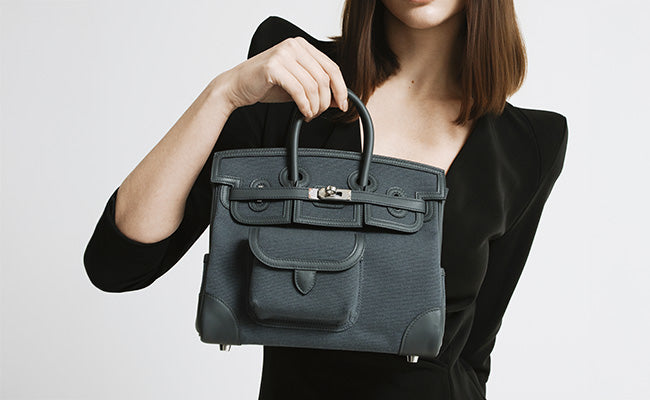
The Birkin 25 reads as more compact, more edited, and more formal. It sits closer to the body visually and creates a sharper, more curated impression. For many buyers, that is exactly the appeal. It feels intentional.
The Birkin 30 carries more like an all-round luxury handbag. It still feels elegant and structured, but it offers enough room to move through a full day with less compromise. That wider practicality is a major reason it remains such an enduring size.
| Comparison Point | Birkin 25 | Birkin 30 |
|---|---|---|
| Overall impression | Compact, polished, collector-leaning | Balanced, classic, highly versatile |
| Best suited for | Essentials, curated outings, smaller carry | Daily use, longer days, broader utility |
| Resale positioning | Often stronger on scarcity and desirability | Often stronger on practicality and broad appeal |
| Visual proportion | More compact on the frame | More substantial, more universally balanced |
| Typical buyer mindset | Collector, fashion-focused, size-conscious | First-time buyer, everyday user, classic buyer |
Neither size is inherently better. They simply appeal in different ways. That distinction matters because resale strength is often driven by the type of buyer a bag attracts, not just the name on the stamp.
Which Size Usually Holds Better Resale Value?
In most resale discussions, the Birkin 25 is the size that draws more premium-focused attention. It is widely viewed as the more elusive, more fashion-sensitive, and more collector-led option. When demand is strong and the bag checks the right boxes, that can translate into more aggressive resale positioning.
The Birkin 30, by contrast, tends to hold value through consistency rather than hype. It appeals to buyers who want the classic Birkin look with real utility. That often makes it easier to understand, easier to style, and easier to use, which supports stable long-term demand.
For Canadian sellers, that distinction matters. The Birkin 25 often wins on desirability per square inch. The Birkin 30 often wins on breadth of audience. One is frequently treated as the more coveted size. The other is frequently treated as the more livable size.
That does not mean every Birkin 25 will outperform every Birkin 30. A highly desirable Birkin 30 in exceptional condition can be more appealing than a less compelling Birkin 25. Resale is rarely decided by size alone.
Why the Birkin 25 Often Leads
The Birkin 25 benefits from a specific kind of appeal. It feels modern without losing the house codes that make the Birkin iconic. It photographs beautifully, works well for collectors who already own larger bags, and aligns with a strong preference for smaller luxury formats.
It also tends to be the size buyers are least willing to compromise on. When someone wants a Birkin 25, a Birkin 30 usually does not feel like a substitute. That sharper intent can support stronger resale performance.
Why the Birkin 30 Still Holds Its Own
The Birkin 30 remains one of the most sensible sizes in the line. It is elegant, recognisable, and genuinely useful. For many buyers, especially those entering Hermès for the first time, that combination is hard to beat.
Resale value is not only about the highest possible premium. It is also about how enduring the demand feels. The Birkin 30 benefits from that kind of durability. It may not always create the same scarcity narrative as the 25, but it often remains easier to justify as a serious everyday investment piece.
Resale Value Is About More Than Size
Size gets attention, but it does not tell the full story. In resale, the real hierarchy is usually built on desirability. A more desirable bag in the less hyped size can outperform a less desirable bag in the more talked-about size.
Condition Still Leads the Conversation
Condition is one of the strongest value drivers in any Hermès resale discussion. Clean corners, crisp structure, tidy interiors, attractive hardware, and an honest overall presentation matter tremendously. Small issues may be acceptable, but visible wear changes how confidently a buyer will pay.
This is especially important with compact sizes like the Birkin 25, where overfilling or shape distortion tends to show more quickly. The Birkin 30 can sometimes absorb daily use a little more gracefully, but condition remains central for both.
Leather Changes the Personality of the Bag
A Birkin does not feel the same from one leather to another. Structure, sheen, grain, softness, and perceived durability all affect buyer preference.
More structured leathers can make a Birkin 25 look especially crisp and architectural. More relaxed leathers can make a Birkin 30 feel softer and more practical. Neither is automatically superior. What matters is how the leather interacts with the size and whether that combination matches what buyers are looking for.
In general, classic leather choices with broad recognition tend to be easier to resell than unusual combinations that require a more specific buyer.
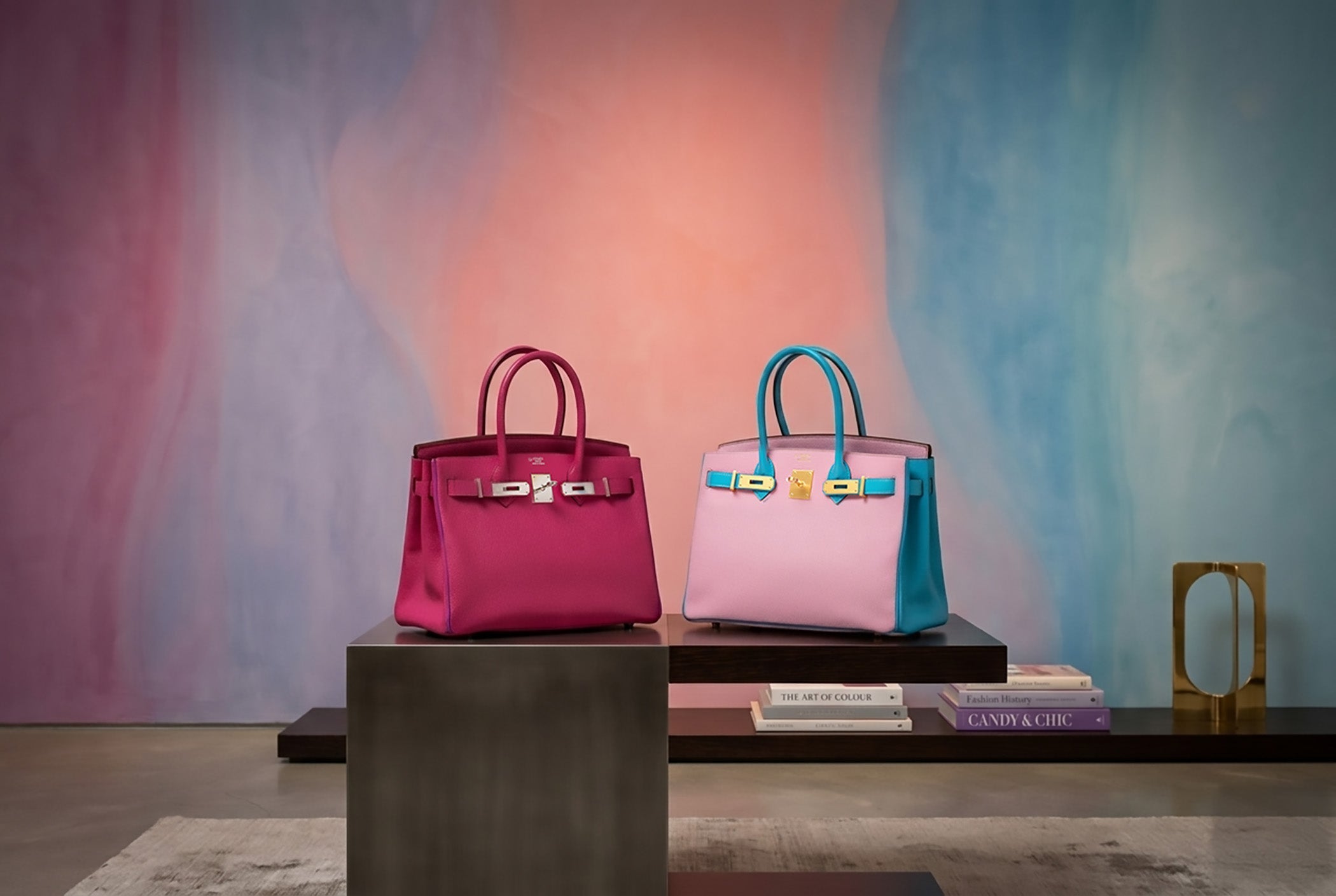
Colour and Hardware Matter More Than Many Sellers Expect
Neutral tones usually have the widest audience because they work across seasons, wardrobes, and age groups. That does not mean rare or vivid shades cannot perform well. They can. But they often depend on a narrower buyer pool.
Hardware also shapes the final impression. Some buyers prefer a warmer, more traditional look. Others prefer a cooler, more understated finish. When size, colour, leather, and hardware align well, resale confidence tends to rise. When one element feels off, the bag can become harder to place even if the size itself is strong.
Completeness Helps Support Buyer Confidence
For resale in Canada, presentation matters. Sellers with original accessories, purchase documentation when available, and a well-preserved bag usually inspire more confidence than sellers with a bag alone and an unclear history.
Completeness does not rescue an undesirable bag, but it can strengthen an already attractive one. On high-value pieces, trust is part of price.
Everyday Use: Birkin 25 vs Birkin 30 in Real Life
The strongest resale choice is not always the smartest ownership choice. If you plan to use the bag often, practicality becomes part of the value equation.
What the Birkin 25 Does Best
The Birkin 25 is ideal for buyers who carry lightly and dress with intention. It works beautifully for lunches, dinners, appointments, events, and polished daytime looks where only the essentials are needed.
It also has a refined visual discipline. Because it cannot comfortably hold everything, it forces selectivity. For some buyers, that is a benefit. The bag feels more precious, more elevated, and less like a workhorse.
The trade-off is obvious. On busy days, colder days, or travel-heavy days, the smaller format can feel restrictive. If you already know you prefer room, the Birkin 25 may be more aspirational than practical.
What the Birkin 30 Does Best
The Birkin 30 is easier to integrate into regular life. It accommodates more without losing the classic Birkin silhouette that buyers want. That makes it particularly appealing for professionals, travellers, and anyone who wants one major bag that can do more.
It also tends to feel more forgiving. You do not have to edit your carry quite as strictly, and that often translates into more frequent use. For many buyers, especially in Canada where weather and layering can affect what you carry, that flexibility matters.
If your goal is to buy one Birkin and use it meaningfully, the 30 is often the more natural fit.
Which Size Makes More Sense for Different Buyers?
For the Collector
The Birkin 25 often makes the stronger case. It feels more deliberate, more scarcity-driven, and more distinctly collectible. Buyers who already own practical bags may prefer the 25 because it adds something specific to a collection rather than duplicating what they already have.
For the First-Time Birkin Buyer
The Birkin 30 is frequently the safer entry point. It feels classic, not overly trend-led, and easier to justify beyond the thrill of acquisition. It gives you the Birkin identity with less compromise.
For the Minimalist Dresser
If your wardrobe leans tailored, clean, and edited, the Birkin 25 can feel exceptionally right. Its smaller footprint complements that aesthetic well.
For the Buyer Who Values Use as Much as Resale
The Birkin 30 usually comes out ahead. It offers a stronger balance between desirability and function, which often makes ownership more satisfying over time.
Birkin 25 vs Birkin 30 for Canadian Resale Strategy
For Canadian buyers thinking ahead to consignment or resale, the most useful question is not simply which size is worth more. The better question is which size is most likely to remain desirable in the exact configuration you buy.
If you choose a Birkin 25, the bag usually needs to feel sharp, desirable, and well-composed. Buyers are often paying for the full compact fantasy. If the leather, colour, or condition weakens that story, the premium can soften quickly.
If you choose a Birkin 30, the value story tends to be broader. Buyers may care a little less about scarcity and a little more about overall balance. That can make the right Birkin 30 feel dependable on the resale market even if it does not always generate the same intensity as the 25.
In other words, the Birkin 25 can be the stronger upside play. The Birkin 30 can be the more balanced risk profile.
Final Thoughts
The Birkin 25 usually leads when scarcity, compact elegance, and collector appeal are the priority. The Birkin 30 usually leads when practicality, versatility, and long-term everyday relevance matter more.
If you are choosing with both ownership and resale in mind, the best answer is often the size you will love enough to preserve well. For a more tailored view of what makes sense in today’s market, explore Rome Station’s curated Hermès selection and resale guidance.
Fact Check and Data Sources
All sizing, history, and official availability details are drawn from Hermès’ own records, including the Birkin’s 1984 origin and exclusive boutique distribution. Resale trends and market observations for the Birkin 25 and Birkin 30 in Canada are based on current secondary-market data from leading auction houses and reputable luxury consignment platforms as of early 2026, where condition, leather, colour, and hardware remain the primary drivers of value.
Frequently Asked Questions
Is the Birkin 25 always worth more on resale than the Birkin 30?
No. The Birkin 25 often attracts stronger premium-driven interest, but resale outcomes still depend on condition, leather, colour, hardware, and overall desirability. A highly compelling Birkin 30 can outperform a less attractive Birkin 25.
Which size is better for everyday use in Canada?
The Birkin 30 is usually the easier everyday choice. It offers more flexibility for longer days, layered dressing, and a fuller daily carry. The Birkin 25 tends to suit lighter, more intentional use.
Which size is better for a first-time Birkin buyer?
For many first-time buyers, the Birkin 30 is the more balanced place to start. It feels timeless, usable, and less restrictive. The Birkin 25 can be a strong first Birkin too, but it usually suits buyers who are already certain they want a compact format.
Does colour matter as much as size for resale?
Often, yes. A classic, widely loved colour can materially strengthen resale demand. Size matters, but it works alongside colour, leather, condition, and hardware rather than replacing them.
Should you choose based on resale value alone?
Usually not. A Birkin that fits your actual lifestyle is often easier to preserve and enjoy, which can support resale later. Choosing only for theoretical upside can backfire if the bag ends up feeling impractical or unused in the wrong way.
Love Hermès? See More from Rome Station
Add us to your Preferred Sources on Google to see our newest Hermès guides and insider tips first.