
Why Van Cleef & Arpels Jewelry Holds Value Across Generations
Check out our Van Cleef & Arpels collection!
Van Cleef & Arpels jewelry manages something rare in the luxury world: it holds its value, sometimes even outpacing its original price. Alhambra pieces often retain a high percentage of their retail value on the resale market, and certain vintage or discontinued editions can exceed their original retail prices. That’s a big deal in an industry where most jewelry loses half its value as soon as it leaves the store.
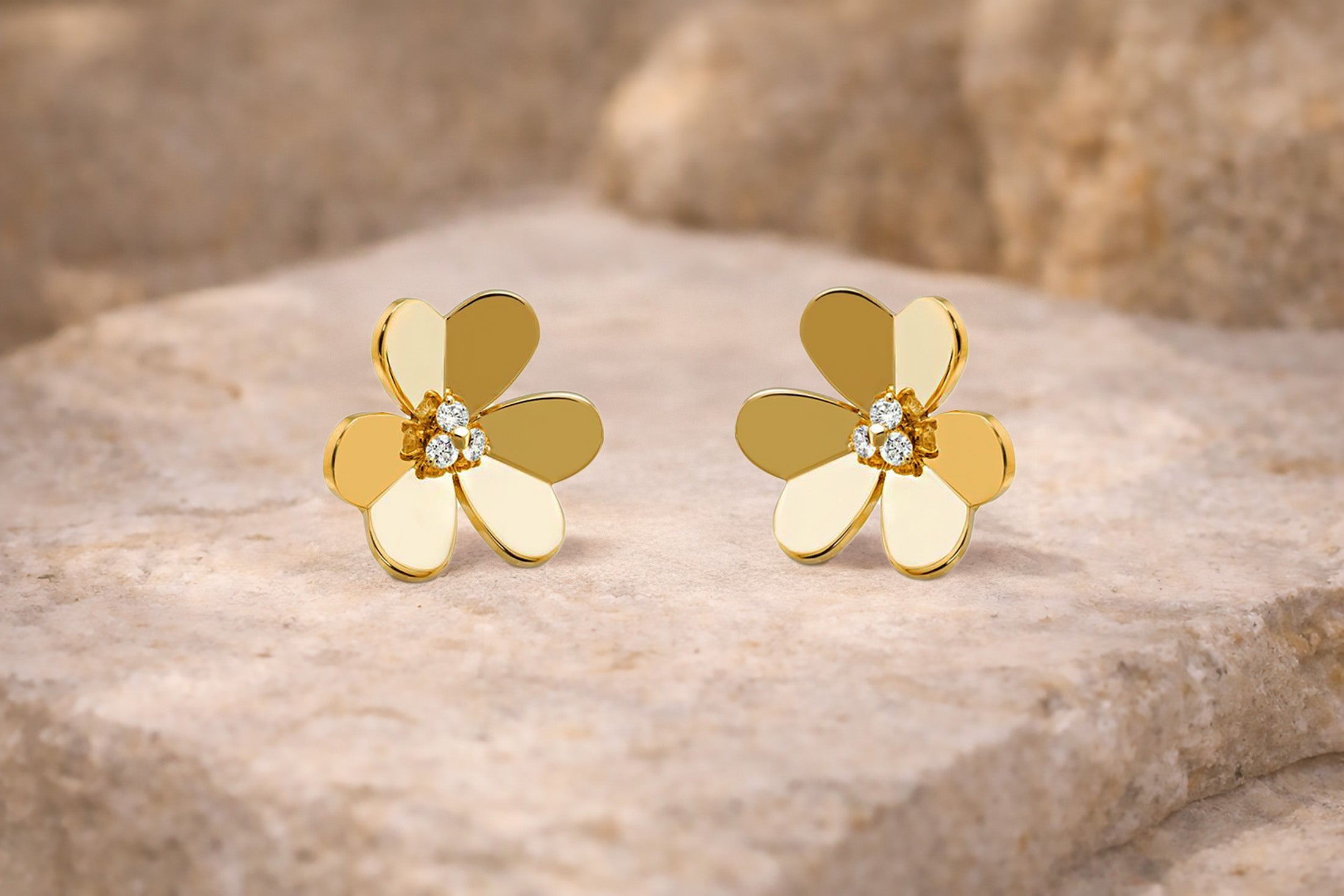
This isn’t just a lucky break. The brand’s long history of careful craftsmanship, timeless design, and limited production has turned pieces like the four-leaf clover Alhambra into real investments.
Maybe you’ve been eyeing a Van Cleef piece or wondering if luxury jewelry can actually be a smart place to put your money. Let’s get into what really makes these pieces last, materials, handwork, and that certain cultural magic that keeps collectors searching for the next vintage treasure.
Key Takeaways
- Van Cleef & Arpels jewelry keeps 80-90% of its retail value thanks to top-notch craftsmanship, high-quality materials, and careful scarcity
- The Alhambra collection’s four-leaf clover design has stayed iconic since 1968, drawing collectors from every generation
- Limited editions, discontinued stones, and strict production control fuel a hot secondary market where rare pieces often fetch more than their original price
What Makes Van Cleef & Arpels an Heirloom of Value
Van Cleef & Arpels goes beyond typical luxury with its deep-rooted heritage, brand prestige tied to royalty and celebrities, and designs that just don’t age. These qualities turn each piece into something you’d actually want to pass down.
The Power of Maison Heritage
Alfred Van Cleef and Estelle Arpels opened their jewelry house in 1906 at 22 Place Vendôme, right in the heart of Paris’s haute joaillerie scene. From the beginning, their focus was family craftsmanship and innovation. Being at Place Vendôme put them among the world’s best jewelers from day one.
What really sets Van Cleef & Arpels apart is their unique techniques. The Mystery Set, patented in 1933, is still one of the trickiest gem-setting methods out there. Only specially trained artisans can master the invisible setting that makes stones appear to float.
The maison maintains extensive archival records, allowing many pieces to be traced and authenticated through its heritage documentation, so provenance is never a question. That kind of documentation is gold for collectors and anyone inheriting a piece. Each creation ties back to over a century of expertise, there’s real history in every clasp.
Brand Prestige and Iconic Patrons
Princess Grace of Monaco’s love for Van Cleef & Arpels locked in its royal reputation and boosted its status among collectors. Her collection was filled with pieces that show off the brand’s artistry and exclusivity.
The client list is a parade of 20th-century royalty and Hollywood stars. This wasn’t just about marketing; these were people who genuinely appreciated the level of craftsmanship that Van Cleef delivered.
The brand keeps a tight grip on its distribution, only selling through boutiques and authorized retailers. This keeps the brand’s image sharp and avoids the kind of overexposure that kills value in other luxury circles.
Enduring Popularity Across Eras
The Alhambra collection, born in 1968, is just as in-demand now as it was back then. The four-leaf clover motif works for any age because it’s instantly recognizable but never flashy or outdated.
Vintage Van Cleef & Arpels pieces from the mid-20th century often sell for more than their original prices at auction. These designs don’t get stuck in a particular fashion moment, they stay relevant.
The maison updates classics with new materials and colors but always keeps the signature elements. This lets new generations connect with the same pieces their grandmothers wore, but in a way that feels current.
Timeless Designs: Icons That Transcend Trends
Van Cleef & Arpels has a knack for creating designs that don’t age. Pieces from the 1960s still look fresh today. The Alhambra collection, that signature clover, and Perlée all show how the house sidesteps fleeting trends.
The Alhambra Collection Phenomenon
The Alhambra collection hit the scene in 1968 and quickly became a brand staple. Its simple quatrefoil shape somehow works everywhere, from the office to fancy events.
Key Alhambra Variations:
- Vintage Alhambra: The classic size, most recognizable style
- Sweet Alhambra: Petite and subtle, easy for everyday
- Magic Alhambra: Larger, bolder pieces for those who want to make a statement
Alhambra necklaces come in everything from mother-of-pearl and onyx to diamonds and unusual gems. That range means one design can fit lots of budgets and styles. And honestly, Alhambra jewelry just layers so well, it’s fun to mix materials and sizes, especially if you’ve collected over the years.
The design’s staying power speaks for itself. ’70s pieces still fetch high prices, and new releases don’t stay on shelves for long.
Signature Four-Leaf Clover Motif
The four-leaf clover goes beyond the Alhambra collection. It’s a symbol of luck, but Van Cleef keeps it from feeling too cutesy or obvious.
You’ll spot the clover in rings, earrings, bracelets, and watches. It always keeps its recognizable shape, but the scale and context change. The soft edges and symmetry make it comfortable and balanced, no matter how you wear it.
Van Cleef’s take on the clover isn’t about chasing trends. Instead, they focus on craftsmanship, sometimes using the Mystery Set to make stones appear to float. That’s what turns a simple shape into something extraordinary.
Perlée and Other House Classics
The Perlée collection shows Van Cleef’s love for detail. Launched in the 2000s, these pieces have tiny gold beads along the edges. It’s subtle, but it adds a lot of texture and interest without relying on gems.
Creating those beads takes real skill, they’re not just stamped out. Perlée pieces work for everyday wear but still feel like “real” jewelry, not just accessories.
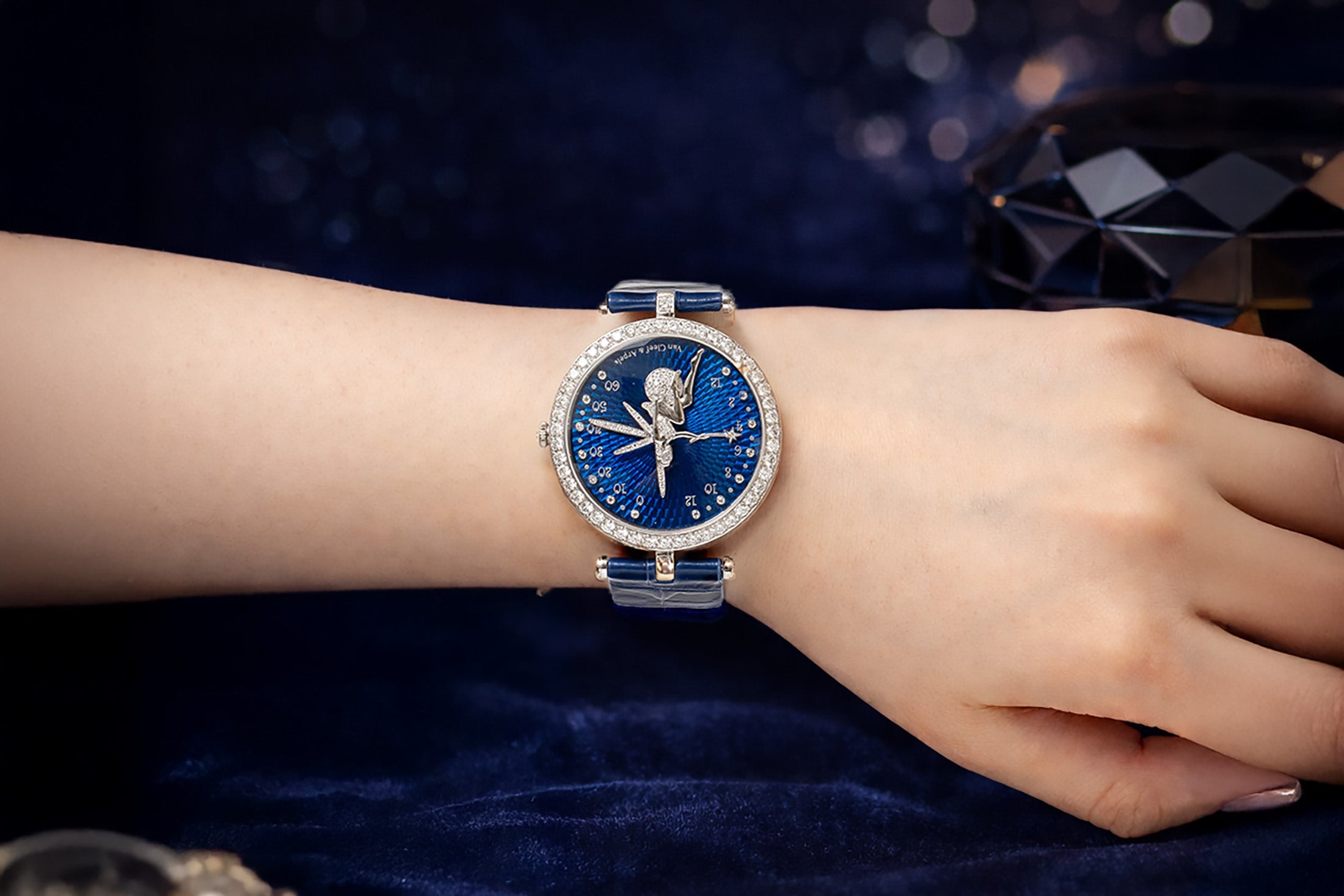
Other classics from the archive include the Zip necklace (which can be worn as a collar or a bracelet) and the delicate Ballerina brooches. They all share the same DNA: smart engineering, careful handwork, and designs that enhance rather than overpower.
Craftsmanship and Materials: The Backbone of Lasting Value
Van Cleef & Arpels’ value comes down to meticulous handwork, unique stone-setting, and a commitment to materials that last.
Exceptional Handcrafting Techniques
There’s something different about holding a Van Cleef piece. Each one passes through several artisans, sometimes over weeks or months. Workshops are full of specialists, some only do stone matching, others focus on setting or polishing.
Those signature beaded gold edges on Alhambra pieces? They’re all made by hand, bead by bead, then polished for perfect spacing and smoothness. That level of finishing gets rid of the sharp edges and rough spots you find on mass-produced jewelry.
Stone matching is its own art. Artisans spend days picking out mother-of-pearl, onyx, or malachite so colors and textures match across a piece. Even a small mismatch would throw off the whole look.
The Mystery Setting: A House Signature
The Mystery Set (or serti mystérieux) is one of Van Cleef’s most impressive tricks. This technique lets stones sit side by side, with no visible metal between them, they just seem to float.
Invented in 1933, the Mystery Set requires each stone to be cut with tiny grooves, then slipped onto a hidden gold framework. Every stone has to fit perfectly, or the whole piece is ruined.
What makes Mystery Set pieces stand out:
- No metal visible between stones
- Rows of rubies, sapphires, emeralds, or diamonds line up perfectly
- Master setters spend months on a single piece
- Only the best gem-quality stones make the cut
Very few artisans in the world can pull this off, which is why Mystery Set jewelry always commands top dollar and keeps its value.
Premium Gemstones and Precious Metals
Van Cleef doesn’t cut corners on materials. They use only 18K gold, yellow, white, or rose, chosen for durability and color that won’t fade. That 75% gold content strikes the right balance between strength and richness.
With diamonds, the focus is on cut and clarity, not just size. This makes for jewelry you can actually wear, instead of pieces that just scream for attention.
When it comes to colored stones, standards are strict. Sapphires need deep, even color; emeralds should have few inclusions; carnelian must be warm and uniform. This consistency means you can mix pieces from different decades and they’ll still look right together, another reason they hold value.
Scarcity, Exclusivity, and the Allure of Limited Editions
Van Cleef & Arpels keeps things exclusive by limiting production and occasionally dropping pieces that sell out fast. This kind of scarcity, plus a lively vintage market, keeps demand (and prices) up.
Limited Production and Rare Releases
The maison doesn’t flood stores with stock. Production stays small, and some popular combos, like turquoise in white gold, can be impossible to find for months.
When they do limited editions, they mean it. Special holiday pieces, anniversary collections, or unique stones tend to vanish quickly. It’s that classic scarcity effect: people want what they can’t easily get.
Discontinued materials are especially hot. Tiger’s eye, lacquered wood, or certain shades of carnelian that aren’t made anymore can go for 40% or more above their original price. Once a style or color is gone, the only way to get it is secondhand.
Rare releases that collectors chase:
- Seasonal capsule collections with unique stones
- Discontinued hardstone motifs (malachite, coral)
- Limited anniversary editions
- Retired Lucky Alhambra styles
Vintage Van Cleef and the Pre-Owned Market
Vintage Van Cleef from the ’70s and ’80s has its own cult following. Early pieces, especially 20-motif necklaces with original boxes and papers, often sell at or above their inflation-adjusted original price.
The pre-owned luxury jewelry market has grown up. Dealers and auction houses now dedicate whole sales to Van Cleef, and authentication services give buyers peace of mind. When a pristine vintage Alhambra shows up, it usually sells fast.
Well-kept pre-owned Van Cleef pieces typically hold 80-90% of their retail price, and rare vintage examples can double or triple. Standards back then were just as high as today, so a piece from 1975 can look almost new if it’s been cared for.
Collectors hunt for early Alhambra details, different clasps, subtle changes in size, or stone cuts the brand doesn’t use anymore. Those little differences can make a vintage piece especially valuable to serious fans who know the history.
Investing in Van Cleef & Arpels: What Drives Appreciation
Van Cleef jewelry shows real value growth thanks to certain collections, changing market trends, and its place among luxury jewelry brands. If you’re wondering whether Van Cleef is a smart investment, these are the key factors to watch.
Resale Value of Key Collections
Certain Alhambra motifs and high-jewelry pieces have shown strong appreciation over time, with rare and iconic designs achieving significant gains at auction. These entry-level pieces are more accessible but still carry strong resale premiums.
Mid-tier lines like Magic Alhambra and Butterfly have appreciated over 35% since launch, with limited editions fetching even more at auction. These collections balance accessibility with scarcity.
Top-tier pieces see the biggest jumps. Zip necklaces have risen over 200% in value in the last decade, and Mystery-Set creations have hit 300% increases at auction. A rare Mystery-Set brooch sold at Sotheby’s in 2024 for triple its estimate.
Perlée stays steady, usually reselling above retail. Heritage pieces with rare gems and intricate work keep setting auction records, especially when provenance is documented.
Market Trends and Collector Demand
In 2024, the luxury jewelry market saw a 25% jump in demand from high-net-worth buyers in Asia and the Middle East. Van Cleef responded by opening more exclusive boutiques there, further expanding its global reach.
Digital authentication tools and enhanced provenance tracking have increased buyer confidence in the secondary market, making provenance checks transparent and straightforward. This shift has really boosted buyer confidence, especially for vintage pieces and those intricate Mystery-Set designs.
Christie's 2023 results were telling: limited-edition Alhambra pieces sold for twice their original prices. Auction houses keep seeing strong interest in vintage Van Cleef, with collectors after both investment upside and wearable art.
Younger collectors are starting to view jewelry as a way to diversify their portfolios. Van Cleef’s blend of daily wearability and value appreciation appeals to anyone looking for something tangible that tends to hold up through economic ups and downs.
Comparing Van Cleef to Other Luxury Brands
Van Cleef’s limited production runs mean true scarcity, unlike mass-luxury brands. Cartier, for example, makes more jewelry, but Van Cleef keeps things exclusive by tightly controlling distribution and releasing seasonal collections.
Heritage authentication gives Van Cleef an edge over newer luxury houses. Pieces from the 1950s to 1970s have both historical significance and real investment potential, which you just don’t get from brands with short histories.
The craftsmanship, especially in Mystery-Set techniques, is still unmatched. That technical mastery isn’t just for show, it’s why their prices stay high and why value holds, even as design-focused competitors try (and fail) to copy the magic.
Van Cleef’s pricing strength holds steady, regardless of market swings. While some fashion jewelry brands ride the trend rollercoaster, Van Cleef’s timeless look and well-documented appreciation rates make it a more stable luxury jewelry investment.
Emotional Appeal and the Gift of Legacy
Van Cleef & Arpels jewelry means more than precious metals and stones. These pieces are memory-keepers, marking milestones and family stories that only grow richer over time.
Gifting, Sentiment, and Storytelling
When you give Van Cleef & Arpels jewelry, it’s not just an accessory. These pieces celebrate big moments: engagements, graduations, anniversaries, births. The Alhambra collection’s four-leaf clover, launched in 1968, has become a go-to symbol for gifting luck and protection.
Each piece gathers stories. A mother’s vintage Alhambra necklace might turn into her daughter’s daily good luck charm. Butterfly earrings can carry memories of a grandmother’s encouragement. With over a century of history, many families now have Van Cleef collections that span generations, blending monetary value with something you can’t replace.
It’s tough to part with Van Cleef & Arpels pieces. The build and design keep them wearable decade after decade, while the layers of sentiment turn them into family heirlooms. That’s something you just don’t get with newer luxury brands.
Status Symbols That Last Generations
Van Cleef & Arpels jewelry signals lasting taste, not just fleeting trends. The signature Alhambra motif and Mystery Set technique quietly communicate sophistication, no matter the decade or social setting.
Unlike logo-heavy luxury goods that can feel dated, Van Cleef & Arpels pieces keep their prestige understated. A vintage piece from the 1970s holds as much cachet as a brand-new one. That timelessness means their status doesn’t fade as fashion cycles spin.
The brand’s legacy, linked to royalty, celebrities, and cultural icons, only strengthens this lasting prestige. Wearing or gifting these pieces means joining a tradition of refinement that outlasts temporary social trends. They’re less about showing off new money and more about signaling established taste and success that lasts.
Frequently Asked Questions
Van Cleef & Arpels jewelry prompts plenty of questions, about design longevity, craftsmanship, gemstone quality, scarcity, historical significance, and provenance. All of these play into how well these pieces hold value across generations.
What are the time-tested design elements that make Van Cleef & Arpels pieces so iconic?
The quatrefoil clover from the Alhambra collection, launched in 1968, is still instantly recognizable after nearly 60 years. It’s distinctive enough to spot at a glance, but simple enough to wear with anything, jeans or a gown, doesn’t matter.
Van Cleef’s design philosophy sidesteps trends that would date a piece. The Perlée collection’s beaded gold nods to traditional jewelry-making, so these pieces look just as at home in old photos as they do today.
The Between the Finger rings from the 1950s introduced a silhouette that connects two fingers, creating a sculptural effect. Other houses have tried to copy it, but Van Cleef’s version just stands apart. These architectural touches become more valuable with time because they reflect real design innovation, not just passing fads.
How does the craftsmanship of Van Cleef & Arpels contribute to its enduring value?
Every piece gets hand-finished by artisans who’ve spent years honing their craft. The Mystery Set, developed in 1933, involves calibrating and setting gemstones without visible prongs or bezels, a process so challenging that only a handful at the maison can pull it off.
You can actually feel the difference with authentic Van Cleef jewelry. The clasps click shut with a certain resistance and sound that fakes rarely get right. That mechanical precision helps each piece last far longer than mass-produced jewelry.
They use only 18-karat gold, marked with the 750 hallmark. That higher gold content means pieces hold their shine and structure for decades, while lower-karat gold just doesn’t age as well.
Can you shed some light on the gemstone selection process at Van Cleef & Arpels and its impact on the brand's prestige?
Van Cleef applies exceptionally strict gemstone selection standards, rejecting the majority of stones evaluated during sourcing. Their buyers travel directly to mines and cutting centers to secure the best materials before anyone else can.
The brand set strict color-matching standards for pieces with multiple stones. If you look at a 20-motif Alhambra necklace in turquoise or onyx, each stone matches its neighbor so closely that the whole piece reads as one continuous color field.
For diamonds, Van Cleef requires a clarity grade that’s higher than most luxury jewelry standards. Even the tiny accent diamonds meet specs that other brands reserve for their center stones. The result? Van Cleef pieces have a presence, photographically and in person, that’s hard to match.
What role does scarcity play in the valuation of Van Cleef & Arpels jewelry on the secondary market?
Limited editions and discontinued designs naturally drive up prices on the secondary market, sometimes by 40% or more over retail. Van Cleef just doesn’t make as many pieces as its competitors, so even current collections can be tough to get without a waitlist.
Sometimes, Alhambra variations in specific materials get discontinued out of the blue, instantly turning once-available pieces into collectibles. When Van Cleef stopped making the grey mother-of-pearl Alhambra, prices shot up in just a few months.
Vintage pieces from the ‘60s and ‘70s rarely come up at auction because original owners usually keep them or pass them down. So when an exceptional vintage piece does appear, competitive bidding often pushes prices well past estimates.
In what ways has Van Cleef & Arpels jewelry been a symbol of status and fashion throughout history?
Princess Grace of Monaco was one of the first to wear the Alhambra collection after its 1968 debut, often photographed in the pieces. Her endorsement set Van Cleef apart as the choice for those who value understated elegance instead of obvious displays of wealth.
The Duchess of Windsor’s Van Cleef collection, built up in the ‘30s and ‘40s, included custom pieces that highlighted the brand’s ability to craft one-of-a-kind designs for truly discerning clients. When her jewelry went to auction at Sotheby’s in 1987, the Van Cleef pieces fetched some of the highest prices compared to estimates.
This legacy carries on today. Contemporary style icons pick Van Cleef because it signals insider knowledge of real luxury. These pieces keep showing up in fashion editorials, not as paid placements, but because stylists just know they photograph beautifully and carry cultural weight.
Could you speak to the importance of provenance and how it affects the collector value of Van Cleef & Arpels jewelry?
When you can trace a piece’s ownership, especially if a celebrity or royalty owned it, the value can skyrocket, sometimes doubling or tripling compared to similar items without that backstory. Collectors get pretty serious about documentation. Things like original receipts, certificates, and those little boxes from Van Cleef boutiques? They’re not just keepsakes; they’re proof.
Honestly, with how good fakes are getting, it’s smart to hold onto every scrap of original packaging and paperwork. Since the 1970s, Van Cleef started adding serial numbers, which makes it much easier for them to confirm when and how a piece was made.
Auction houses like Christie's or Sotheby's also play a role. If your jewelry ends up in one of their catalogues, with detailed lot notes and condition reports, that record becomes part of its story. That kind of documentation adds a layer of credibility and context you just can’t get from a private sale.