
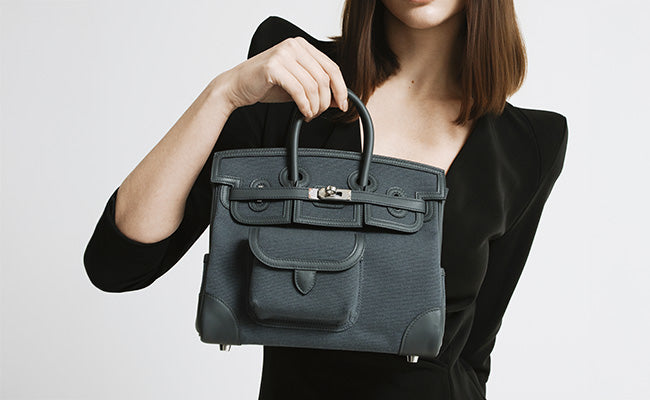


Why Two Similar Hermès Birkin Bags Can Receive Different Resale Offers
TL;DR
Two Hermès Birkin bags can look nearly identical and still receive very different resale offers. In the Hermès Birkin resale market, value depends on more than size, leather, colour, and hardware. Condition, completeness, documentation, stamp year, buyer confidence, current demand, and market timing all influence what a collector is willing to pay. A pristine full set with strong provenance will usually command more confidence than a similar bag with corner wear, missing accessories, or unclear ownership history. Understanding these details helps sellers set realistic expectations and helps buyers recognize fair value in the secondary market.
Check out our Hermès collection and Birkin bags!
At first glance, two Hermès Birkin bags may appear almost the same. They may share the same size, leather, colour, and hardware, yet receive offers that are thousands of dollars apart. This is one of the most common questions in the Hermès Birkin resale market, even among experienced collectors.
The reason is simple: resale value is shaped by nuance. Condition, completeness, colour depth, leather structure, hardware finish, documentation, stamp year, and buyer confidence all come together to determine what a Birkin is worth in the secondary market. A black Togo Birkin 30 with gold hardware may sound straightforward, but scuffed corners, missing packaging, or unclear documentation can change the final offer significantly.
This guide explains why similar Birkins can command different resale prices and what buyers and sellers should look for before making a decision.
Key Takeaways
- Condition, completeness, and documentation can create meaningful price differences between similar Birkins.
- Colour, leather, hardware, size, and stamp year all shape buyer demand and resale confidence.
- Market timing, provenance, and authentication trust influence what buyers are prepared to pay.
Featured Products


Key Determinants in Birkin Resale Valuation
When two Hermès Birkins look similar on paper, the difference in resale value usually comes down to details that are easy to miss. Buyers look beyond the model name and compare the bag’s condition, ownership history, completeness, and authenticity signals before deciding what they are willing to pay.
The Role of Condition and Provenance
Condition is one of the biggest factors in Birkin resale value. A store-fresh Birkin in desirable leather, with protected hardware and minimal signs of handling, will usually receive stronger interest than the same bag with visible corner wear, handle patina, or scratched hardware.
Pristine recent-stamp bags often outperform older examples when everything else is similar. A never-carried bag with clean corners, firm structure, protected hardware, and an immaculate interior gives buyers more confidence. Even small details, such as base softness, handle shape, or interior marks, can influence the final offer.
Provenance adds another layer of value. A bag with a clear purchase history and supporting documentation is easier for buyers to trust. Most Hermès bags do not have unusual ownership stories, but when the history is clear and credible, it helps reduce hesitation in the resale process.
Impact of Documentation and Accessories
Complete packaging can make a meaningful difference. A Birkin that comes with its original box, dust bag, care booklet, ribbon, raincoat, clochette, lock, keys, and invoice will usually be viewed more favourably than one missing key accessories.
An original receipt or boutique documentation helps establish purchase history and supports authentication confidence. While a receipt alone does not determine value, it gives buyers a clearer understanding of where the bag came from and when it entered the market.
Completeness matters especially for newer bags. If buyers expect a full set and several pieces are missing, the offer may be more conservative. Even when the bag itself is authentic and well kept, missing accessories can affect perceived value.
Market Perceptions of Authenticity
Buyer confidence in authenticity directly affects resale pricing. Bags with clear provenance, full accessories, and consistent details tend to move more smoothly through the resale process.
The secondary market has become more sophisticated, and buyers expect transparency. Stitching, leather texture, stamp placement, hardware weight, foil clarity, and overall construction all matter during authentication. A genuine bag can still receive a lower offer if there is uncertainty around documentation, sourcing, or condition history.
In the luxury resale market, confidence is part of value. When buyers feel certain about the bag, they are more willing to pay a stronger price.
Size, Model, and Market Demand
Size plays a major role in resale value because it reflects both lifestyle preferences and market availability. Even within the same model family, demand can shift as buyers favour different proportions, carrying styles, and levels of practicality.
Why Size Influences Resale Outcomes
Size matters because it shapes what buyers want and how they plan to use the bag. Smaller Birkins often feel more modern and versatile, while larger sizes appeal to buyers who prioritize space and function.
The Birkin 25 has become especially desirable because of its compact proportions and relative scarcity in the resale market. In many cases, a pristine Birkin 25 can command interest equal to or stronger than a larger Birkin, even though it offers less interior capacity.
Larger sizes such as the Birkin 35 and Birkin 40 still have their audience, but the buyer pool can be narrower. When demand is more selective, pricing may be softer compared with smaller sizes in similar condition.
Birkin 25 vs. Birkin 30
The Birkin 30 has long been considered a balanced size because it offers both wearability and practical space. The Birkin 25, however, has gained strong attention from collectors looking for a more compact and current silhouette.
When condition, colour, leather, and hardware are all desirable, both sizes can perform strongly. The difference often comes down to current buyer appetite. A pristine neutral Birkin 25 may attract more competition because fewer examples are available, while a Birkin 30 may appeal to buyers who want a more functional everyday option.
This is why two similar bags can move differently. The size itself is not the only factor. It is the size in combination with scarcity, condition, and current demand.
Colour, Leather, and Hardware Preferences
Colour, leather, and hardware create the identity of a Birkin. These details determine whether the bag feels timeless, seasonal, rare, practical, or highly personal. In resale, the strongest offers usually go to combinations with broad buyer appeal and lasting desirability.
Why Neutral Colours Often Perform Strongly
Neutral colours tend to attract the widest buyer pool. Black, Gold, Etoupe, Craie, Etain, and similar tones are often favoured because they are versatile, elegant, and easy to style across seasons.
Brighter shades and more saturated colours can still be desirable, especially when they are rare or tied to a sought-after release. However, they usually appeal to a more specific buyer. A vivid colour may be perfect for one collector but less practical for another, which can make the resale pool smaller.
Special combinations, bi-colour designs, and Horseshoe Stamp bags can be highly personal. Some collectors love them, while others prefer classic solid neutrals. Because resale depends on matching the right buyer to the right bag, highly customized combinations may receive more selective interest.
Leather Types and Their Impact on Value
Leather choice strongly influences buyer demand. Togo is widely appreciated because it is durable, textured, and practical. Clemence has a softer, more relaxed feel and develops a slouchier shape over time. Epsom appeals to buyers who prefer structure, lightness, and a crisp silhouette.
Swift is smooth and refined, but it can show wear more easily, so condition becomes especially important. Exotic leathers such as crocodile and alligator can command strong interest when the colour, finish, and condition align with buyer demand.
The strongest leather choice depends on the specific bag. A classic neutral Togo Birkin may appeal to a broad resale audience, while an exotic Birkin may attract a smaller but highly motivated collector base.
How Hardware Finish Affects Buyer Interest
Gold hardware and palladium hardware remain among the most recognizable and widely desired choices. They pair well with many classic Hermès colours and usually feel familiar to buyers.
Less common finishes, such as rose gold, brushed hardware, or permabrass, can be very attractive when paired with the right colour. However, they may appeal to a narrower audience. Hardware condition also matters. Scratches, tarnish, plating wear, or missing protective stickers can affect how buyers assess overall care.
For similar Birkins, the hardware finish may not change value on its own, but it can influence desirability when combined with colour, leather, and condition.
Retail Access Versus Secondary Market Realities
Hermès boutique access and the resale market operate very differently. At retail, availability is limited and allocation varies by boutique, client relationship, timing, and inventory. In resale, buyers pay for immediate access, clarity, and choice.
The Role of Boutique Relationships
Getting a Birkin at retail is not as simple as joining a public waitlist. Boutique availability depends on many factors, including local demand, client preferences, and the relationship between the client and the store.
Some buyers build long-term boutique relationships across categories, while others turn to resale because they want a specific size, colour, leather, or hardware combination without waiting. The resale market exists partly because many buyers value immediate access and certainty.
For sellers, this means the right Birkin can command strong attention when it offers something buyers cannot easily access at retail.
How Scarcity Shapes Secondary Market Prices
Secondary market prices reflect the gap between demand and availability. When desirable combinations are difficult to find, buyers may be willing to pay more for immediate access. When the market becomes more cautious, buyers may focus more heavily on condition, documentation, and classic specifications.
Resale prices respond to size, leather, colour, hardware, geography, seasonality, and buyer confidence. A classic neutral Birkin in excellent condition may hold broader appeal, while a rare or unusual specification may depend on finding a highly specific collector.
Scarcity supports value, but scarcity alone is not enough. The strongest resale performance usually comes from the right combination of rarity, condition, authenticity confidence, and buyer demand.
Buyer Confidence and Trust Signals
When two similar Birkins receive different offers, the difference may come down to trust. A buyer is not only purchasing a handbag. They are purchasing confidence in authenticity, condition, provenance, and the seller’s expertise.
Authentication Standards for Pre-Owned Birkin Bags
Authentication is central to any serious Hermès resale transaction. A pre-owned Birkin should be assessed through a careful review of materials, construction, markings, hardware, stitching, and overall consistency.
Documentation and accessories support the process, but they do not replace expert authentication. A full set can strengthen buyer confidence, while unclear sourcing or missing information may lead to more cautious offers.
For buyers, authentication reduces risk. For sellers, it helps position the bag more confidently in the market.
Reputation and Transparency of Resale Platforms
The reputation of the resale platform affects how much buyers are willing to pay. Established resellers with clear authentication practices, accurate condition descriptions, and transparent sourcing can create stronger buyer confidence.
Buyers want real photos, clear descriptions, careful grading, and expert support. They also want to understand what is included with the bag and how its condition has been assessed.
This is one reason trusted resale experts can create a stronger experience for both buyers and sellers. The more confidence buyers have, the more willing they are to act decisively.
Timing and Global Market Trends
The Birkin resale market is not static. Buyer preferences shift by season, region, economic sentiment, and fashion mood. A bag listed at one moment may receive a different response than the same bag listed later.
Changing Preferences Across Regions
Regional preferences can influence demand. Some buyers prefer classic neutrals, while others are drawn to brighter colours, seasonal releases, or exotic leathers. North American buyers often show steady interest in black, gold, and other versatile tones, while statement shades may appeal to collectors seeking something more distinctive.
Seasonality can also affect interest. Lighter colours may feel more appealing in spring and summer, while deeper tones can attract more attention in cooler seasons. These shifts do not guarantee a specific price, but they can influence buyer urgency.
Economic Sentiment and Resale Offers
Economic sentiment affects how confident buyers feel. In cautious markets, buyers often focus on classic colours, standard sizes, excellent condition, and strong documentation. In more active markets, collectors may be more open to rare specifications, unusual colours, and higher-value pieces.
The Hermès Birkin remains one of the most recognized luxury handbags in the world, but resale offers still respond to broader market conditions. This is why timing, presentation, and trust signals matter when selling.
Final Thoughts
Two similar Hermès Birkin bags can command different resale prices because the market values details, not just names. Condition, completeness, documentation, size, leather, colour, hardware, timing, and buyer confidence all shape the final offer.
For buyers and sellers seeking clarity, Rome Station offers trusted Hermès resale expertise, authentication support, and immediate access to rare, carefully selected pieces.
Fact Check and Data Sources
This article reflects commonly observed valuation factors in the authenticated luxury resale market, including condition, documentation, rarity, completeness, and buyer demand. Brand-specific references have been kept broad and supportable, with unsupported hard statistics removed or softened.
For official Hermès brand information, craftsmanship context, and current product presentation, readers may refer to Hermès.
Frequently Asked Questions
Why can two similar Hermès Birkin bags receive different resale offers?
What condition details matter most when comparing similar Birkin bags?
Does a full set make a Birkin more valuable in resale?
How does documentation affect a Birkin resale offer?
Which Birkin colours tend to attract broader resale demand?
Why does Rome Station focus so strongly on authenticity and condition?
Is resale a good option for buyers who want a specific Birkin without a boutique wait?
Love Hermès? See More from Rome Station
Add us to your Preferred Sources on Google to see our newest Hermès guides and insider tips first.