


Why Some Van Cleef Pieces Sell Faster Than Others
TL;DR
Some Van Cleef pieces sell faster because they match what resale buyers already trust: recognizable design, excellent condition, clear documentation, strong authentication details, and fair pricing. In the Van Cleef resale market, familiar collections like Alhambra, Perlée, and Frivole often attract more attention because buyers understand their style, wearability, and long-term appeal. Pieces with original boxes, certificates, sharp hallmarks, clean surfaces, and honest photography usually create less hesitation. Rare or collectible pieces can also perform well, but only when the right buyer recognizes the value. For sellers, resale speed is rarely about beauty alone. It is about clarity, confidence, condition, and how well the piece is positioned for today’s luxury jewellery buyer.
Check out our Van Cleef & Arpels collection!
Not every Van Cleef & Arpels piece moves quickly on the resale market. Some attract serious buyers in just a short time, while others need more patience, careful positioning, and realistic pricing.
When looking at why some Van Cleef pieces sell faster, a clear pattern appears. The fastest-moving pieces are usually from recognizable collections, arrive in strong condition, come with original documentation, and are priced according to current market expectations. Buyers in the luxury resale world appreciate transparency and familiarity. They want pieces they can trust, wear right away, and potentially resell later with confidence.
It is rarely just about beauty or craftsmanship. The real difference is how well a piece matches what buyers are searching for and what gives them confidence in a resale purchase. This guide explains the key resale factors behind faster Van Cleef sales, from iconic motifs and materials to condition, provenance, photography, pricing, and collector demand.
Key Takeaways
- Recognizable Van Cleef & Arpels collections like Alhambra, Perlée, and Frivole often draw broader buyer interest than less familiar designs.
- Excellent condition, clear hallmarks, honest photography, and original documentation help reduce hesitation and support buyer confidence.
- Realistic pricing based on comparable resale activity is one of the biggest factors in whether a piece moves quickly or sits longer.
Featured Products


Recognizable Design and Iconic Collections
Design familiarity has a big impact on how quickly a Van Cleef & Arpels piece sells. Collections with a strong visual identity and broad recognition tend to move faster because they need less explanation and already have demand built in.
Alhambra: The Benchmark for Appeal
The Alhambra collection is one of the most recognized Van Cleef & Arpels lines on the resale market. Since its introduction in 1968, the quatrefoil motif has stood out for its balance of elegance, symbolism, and wearability. Vintage Alhambra pieces, especially necklaces and bracelets in classic materials, tend to attract steady attention because they feel both iconic and easy to style.
Magic Alhambra attracts buyers who want something bold, while Sweet Alhambra appeals to those who prefer subtlety, gifting, or layering. The motif appears across materials like mother-of-pearl, onyx, malachite, carnelian, diamonds, and gold, so buyers can choose what fits their style without losing the classic look. This flexibility helps many Alhambra listings turn over faster than more obscure designs.
Alhambra necklaces and bracelets in strong condition with clear hallmarks, secure clasps, crisp beading, and intact gold borders often perform especially well. Buyers appreciate those details because they show the piece has been properly cared for.
The Power of Motifs in Buyer Demand
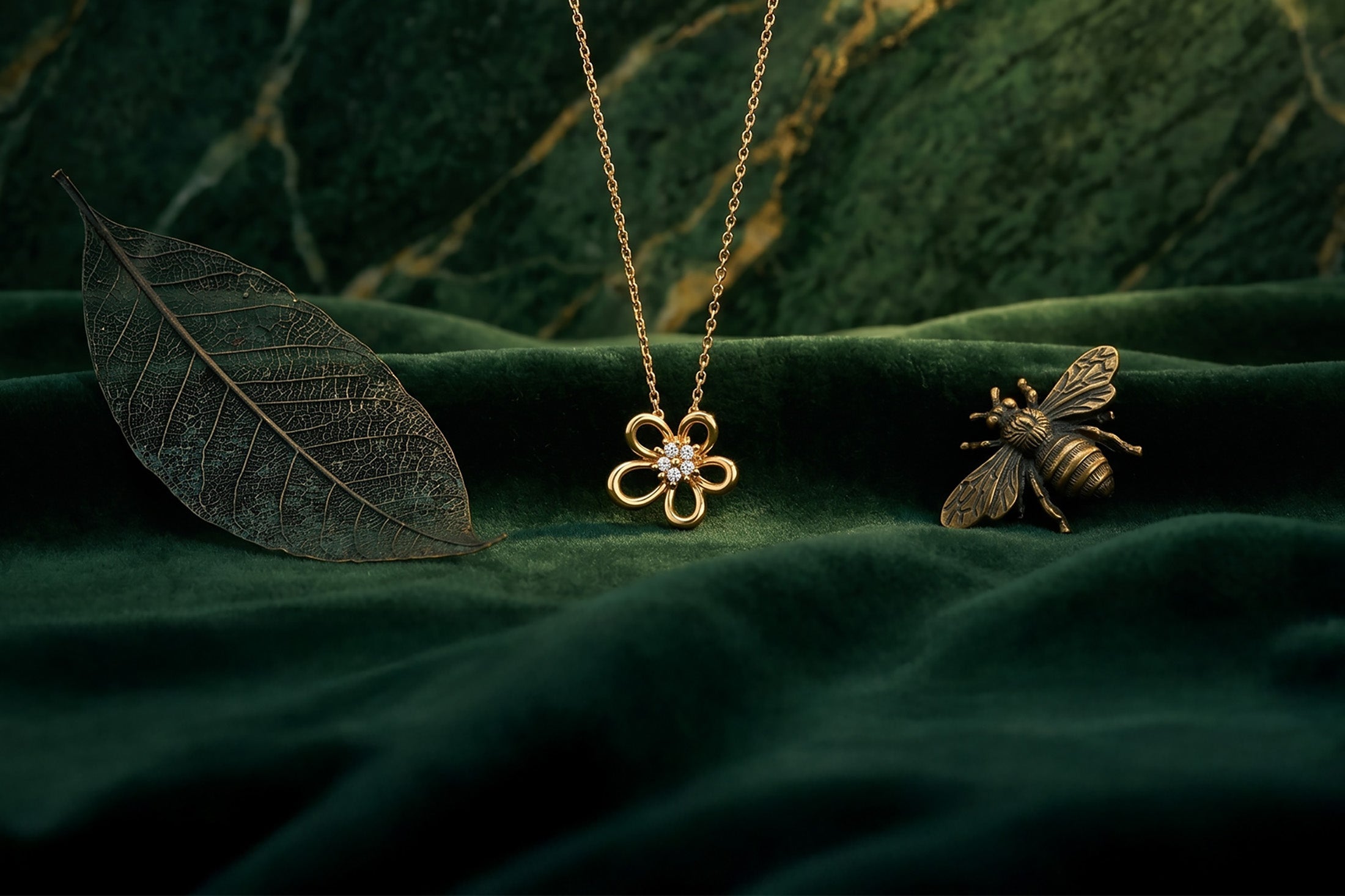
Outside of Alhambra, other Van Cleef motifs also influence resale interest. The Frivole collection, with its floral shapes and polished petals, draws buyers who like feminine detail without too much fuss. Perlée is known for its beaded texture and understated look, making it attractive for buyers who want refined pieces for daily wear.
Some iconic designs, like ballerina brooches, Zip necklaces, and Between the Finger rings, attract collectors who know the brand’s history and technical achievements. These pieces can take longer to sell because of their higher prices and more specialized audience, but when the right buyer comes along and the condition is right, they receive strong attention.
Motifs that clearly show their design intent, without needing a long backstory, tend to spark faster inquiries and more confident buying decisions.
Statement Pieces Versus Everyday Jewellery
The resale market shows demand for both statement pieces and everyday jewellery. Statement items, such as transformable jewels or large High Jewellery creations, appeal to serious collectors but often need time to find the right buyer.
Everyday pieces from well-known collections usually sell faster because they fit into more wardrobes and attract a broader range of buyers. Single Alhambra pendants, Perlée bracelets, and smaller Frivole earrings are good examples. These offer accessible entry points while still carrying the brand’s signature style.
Buyers often go for pieces they can wear often and without worry. This practical side affects how many inquiries a listing receives and how quickly buyers make a decision.
Condition, Wear, and Presentation
Physical condition affects resale speed more than almost anything else. It shapes buyer confidence, supports pricing, and influences how quickly someone feels ready to act. How a piece looks, feels, and photographs can make or break a quick sale.
Why Strong Original Condition Matters
Buyers prefer pieces that feel ready to wear, with no immediate service needs. Strong original condition means the clasp works well, surfaces are clean, gemstones or hardstones look even, and gold borders keep their crisp detail. When a Van Cleef bracelet or necklace arrives with sharp hallmarks, balanced motif colour, and clean finishing, buyers move faster because there is less to explain.
Restoration history matters, too. Even if a piece looks clean, buyers may ask if it has been refinished, repaired, or rebuilt, since that can affect originality. Pieces where the patina, signatures, and construction match the age and style usually create more confidence.
Original condition gives a clearer story and speeds up decisions. Pieces in top shape also allow sellers to price with more confidence, because the value is easier for buyers to see.
Visible Factors: Clasps, Surfaces, and Finishing
Clasp wear stands out right away. Loose springs, stretched parts, or thinning around attachments can worry buyers about longevity. Even small issues become negotiation points. A secure, smooth clasp shows the piece was worn with care.
Surface quality matters, too. Scratches on mother-of-pearl, dull onyx, faded colour, or uneven hardstone surfaces change how a piece looks and feels. Buyers notice when motifs differ in shine or when gold beading looks softened from polishing. These small details quickly change how buyers see value.
Hallmarks and signatures also help confirm authenticity. Clear, correct stamps that match the period make buyers more confident. If marks are worn, unclear, or hard to photograph, buyers usually ask more questions before moving forward.
How Honest Photography Builds Buyer Trust
Good photos remove buyer hesitation faster than almost any written description. Natural lighting, multiple angles, and close-ups of hallmarks, clasps, edges, and motif surfaces let buyers judge condition themselves. Listings with clear, honest visuals of the gold border, signature spots, and any wear often feel more trustworthy than styled shots that hide important details.
Honest photography works especially well for vintage Van Cleef pieces. Buyers expect some signs of age and want to see them upfront. Showing wear, rather than hiding it, builds trust. If there is an original box, certificate, receipt, or service history, include it in the photos. Visible documentation is stronger than simply mentioning it.
Vague or heavily filtered images create doubt. Buyers compare listings across platforms and want to see exactly what they are getting. Clear presentation shortens the decision process and encourages serious buyers to act.
Documentation, Authenticity, and Buyer Confidence
Pieces with full documentation and clear authenticity markers move through consignment channels with much less friction. Buyers feel more comfortable when provenance is obvious, condition is transparent, and hallmarks match what experts expect to see.
The Value of Provenance and Original Packaging
Original packaging signals care and legitimacy in ways that words alone cannot. When a Van Cleef piece comes with its box, pouch, certificate, receipt, or service documents, buyers often decide faster and ask fewer questions.
A certificate or original receipt can help confirm the item’s description, material, purchase history, and reference details. These details support the story of the piece and make resale feel more secure. Buyers treat documentation as a confidence anchor, especially when details match the piece being offered.
What can add to provenance:
- Original box and branded pouch in good condition
- Certificate or official documentation with matching details
- Original receipt showing purchase date and boutique information
- Service records from Van Cleef & Arpels boutiques
Pieces without these items can still sell, but they usually require more explanation and stronger authentication support. Buyers take on more uncertainty without paperwork, so pricing and presentation need to reflect that gap.
Hallmarks, Receipts, and Service History
Van Cleef hallmarks give important information that authenticators review carefully. Markings, signatures, serial details, metal stamps, and engraving quality all need to be consistent with the piece, period, and collection.
| Element | What Buyers and Experts Review |
|---|---|
| Hallmarks | Font, spelling, placement, depth, and consistency |
| Serial Details | Format, engraving quality, and match with available documentation |
| Metal and Construction | Gold or platinum quality, weight, finishing, and structure |
| Stone or Motif Quality | Colour, surface condition, matching, polish, and setting precision |
Original receipts show when and where the item was bought, which helps support authenticity and provenance. Service history from official Van Cleef & Arpels locations adds another layer of confidence, showing that the piece received professional care.
How Documentation Supports Consignment
When a piece is offered for consignment, documentation affects how quickly it can be reviewed, positioned, and priced. Full paperwork can make the listing process smoother because there is more information available from the start.
Buyers in the luxury resale market often prefer items with certificates, original packaging, and clear condition notes. These listings usually require fewer follow-up questions because the important details are already visible.
Items missing documentation need extra authentication review, including hallmark checks, material assessment, and detailed condition inspection. This can add time before listing and may require a more cautious pricing strategy. Clear documentation helps both sides of the sale by reducing uncertainty, disputes, and hesitation.
Material Quality, Craftsmanship, and Rarity
How quickly a Van Cleef piece sells often depends on how well it shows the brand’s technical standards, the quality of stone selection, and whether it is rare enough to stand out. Buyers act quickly when they see material integrity, strong craftsmanship, and meaningful scarcity.
Gemstone Selection and Precious Metals
The fastest-selling Van Cleef pieces often have stones or motifs with strong colour, clean surfaces, and good matching. Buyers look for diamonds with brilliance and even setting, and coloured stones or hardstones with consistent tone. Any piece with carefully chosen materials tends to feel more desirable than one with obvious wear or uneven presentation.
Precious metals matter, too. Yellow gold remains highly recognizable in classic Van Cleef designs, while rose gold and white gold appeal to buyers with more specific preferences. Hardstone pieces with onyx, malachite, carnelian, lapis lazuli, or mother-of-pearl can move quickly when surfaces are clean, edges are crisp, and the motif still feels fresh.
Diamond pavé is especially important in popular lines like Alhambra, Perlée, and Frivole. Buyers compare stone placement, setting precision, and evenness. Pieces with tight pavé, secure settings, and little visible wear usually list and sell with fewer objections.
Mystery Set and Technical Innovation
Van Cleef & Arpels is known for technical achievements, including the Mystery Set, which was patented in the 1930s. This technique uses carefully cut gemstones set into a concealed structure, creating the appearance of uninterrupted colour with little visible metal.
Collectors value Mystery Set pieces because they represent a high level of skill, stone cutting, and design precision. Mystery Set clips and brooches with strong geometry, rich colour, and solid structure can draw serious attention, especially when condition and provenance are strong.
Other technical designs matter, too. Transformable jewels, such as Zip necklaces or articulated pieces, can be highly desirable if the mechanism remains smooth, secure, and original. For these pieces, condition is especially important because complex construction leaves less room for damage or poor repair.
Limited Editions, High Jewellery, and Collector Demand
High Jewellery and limited pieces get attention because there are fewer of them available. These pieces often feature rare stones, special techniques, and design details that do not appear in regular production. When a High Jewellery piece comes with strong paperwork and clear provenance, buyers can better understand its rarity and significance.
Anniversary releases, special orders, and archival-inspired designs can also shorten listing time when they connect to the maison’s broader story. A vintage ballerina clip or a special motif variation moves differently than a standard piece because the audience is more collector-driven.
Still, scarcity only helps when the design feels desirable. Limited pieces built on classic Van Cleef codes often attract stronger interest than obscure designs. Buyers want rarity, but they also want confidence that the piece fits the house’s long-term style language.
Market Dynamics and Listing Performance
How quickly a piece sells depends on pricing, where it is listed, and how much trust the listing creates. Pieces priced close to current market expectations, presented clearly, and supported by authentication details usually move faster.
Pricing Discipline and Realistic Expectations
Good pricing starts with knowing what similar pieces actually sold for, not just what sellers asked. Retail and resale prices are not the same. Sellers who base their price only on original retail, without adjusting for the secondary market, may receive fewer inquiries. This is especially true for popular collections where buyers have more comparable listings to review.
Condition, completeness, and paperwork also matter. Full packaging, certificates, service history, and minimal wear can justify stronger pricing. Scratches, missing parts, unclear provenance, or weak photography usually create negotiation points. Buyers make offers based on what they can confirm and what risk they feel they are taking on.
A realistic price does not mean undervaluing the piece. It means positioning it correctly for the current market so serious buyers feel confident moving forward.
Liquidity and Resale Platforms
Liquidity in the Van Cleef resale market changes by platform. Specialized luxury resale channels with authentication and consignment support attract buyers who are more likely to act when price and condition line up. Broader marketplaces may reach more people, but they can also create longer waits, more questions, and more negotiation.
The platform you choose sets the tone for buyer intent. Serious collectors and repeat buyers often look for platforms that vet inventory, show condition clearly, and stand behind authenticity. Listings on these channels can receive less pushback because buyers trust the process.
Better liquidity also comes from sharp photos, detailed condition notes, accurate measurements, and clear descriptions. Buyers compare options across multiple channels. The listing that is most transparent and complete usually has the advantage.
The Influence of Auctions and Comparable Sales
Auction results and comparable sales often shape Van Cleef resale expectations. When a rare signed jewel, Mystery Set piece, or important necklace sells publicly, that sale can become a reference point for private sales and consignment pricing.
Auction houses add legitimacy by cataloguing pieces, reporting condition, and presenting provenance where available. For rare or high-value pieces, buyers may view auction provenance as an added trust signal.
Comparable sales also influence how sellers and buyers behave on resale platforms. Sellers use recent results to judge pricing, while buyers use the same information to evaluate fairness. That is why some Van Cleef pieces move quickly while others linger, even when condition and paperwork appear similar.
Vintage Versus New: What Influences Consignment Success
The age of a Van Cleef & Arpels piece changes how buyers see it, what they expect, and how quickly they decide. Vintage pieces have the charm of rarity and old-world craftsmanship. Newer pieces offer the comfort of like-new condition and fuller documentation.
How Vintage Character Drives Collector Interest
Vintage Van Cleef, especially from earlier production periods, draws buyers who want designs that may no longer be easy to find. These pieces often have hand-finished details, construction, and materials that appeal to collectors. When a vintage Alhambra necklace or Van Cleef clip appears in strong original condition, it stands out in a way newer pieces cannot always match.
Vintage buyers often care more about originality than perfection. They want honest signs of age, not heavy restoration. Hallmarks from the era, original clasps, untouched settings, and period-correct details all help support authenticity and appeal.
Documentation matters, but expectations shift. Original receipts may be rare for older pieces, but any provenance, service records, or period packaging helps build trust. Clear age indicators, honest condition notes, and verifiable construction are especially important for vintage consignment success.
Newer Pieces and Boutique-Fresh Assurance
Newer Van Cleef pieces attract buyers who want certainty: strong condition, original paperwork, and a closer-to-boutique experience. These pieces can sell quickly when they come with original boxes, certificates, receipts, and minimal signs of wear.
Recent pre-owned Van Cleef often competes directly with boutique inventory, so condition and price matter a lot. Buyers look for sharp hallmarks, flawless stones or motifs, smooth clasps, and no visible repairs. Any issue can create hesitation, especially if the price is close to retail.
Having all documentation helps. When a piece includes what buyers expect from a boutique purchase, the listing feels less like a compromise and more like an opportunity. That sense of security usually leads to faster decisions and less negotiation.
Final Thoughts
Some Van Cleef pieces sell faster because they make the resale decision easier. Recognizable design, strong condition, original documentation, trustworthy authentication, and fair pricing all work together to create buyer confidence.
For collectors, sellers, and luxury buyers in Canada, Rome Station offers a refined resale experience built around expertise, authenticity, rarity, and long-term value.
Fact Check and Data Sources
This article reflects Rome Station’s luxury resale expertise, market observation, and experience with authenticated designer jewellery and handbags. Brand-specific collection names and historical references have been kept selective and aligned with widely recognized Van Cleef & Arpels information.
- Van Cleef & Arpels introduced the Alhambra collection in 1968, and the collection remains one of the maison’s most recognizable jewellery signatures. Source: Van Cleef & Arpels.
Frequently Asked Questions
Why do some Van Cleef pieces sell faster than others on the resale market?
Which Van Cleef collections usually attract the strongest resale interest?
Does original Van Cleef packaging make a piece easier to sell?
How does condition affect the resale speed of Van Cleef jewellery?
Do rare Van Cleef pieces always sell faster?
How should sellers price Van Cleef jewellery for resale?
Where can buyers in Canada purchase authenticated pre-owned Van Cleef jewellery?
Love Hermès? See More from Rome Station
Add us to your Preferred Sources on Google to see our newest Hermès guides and insider tips first.