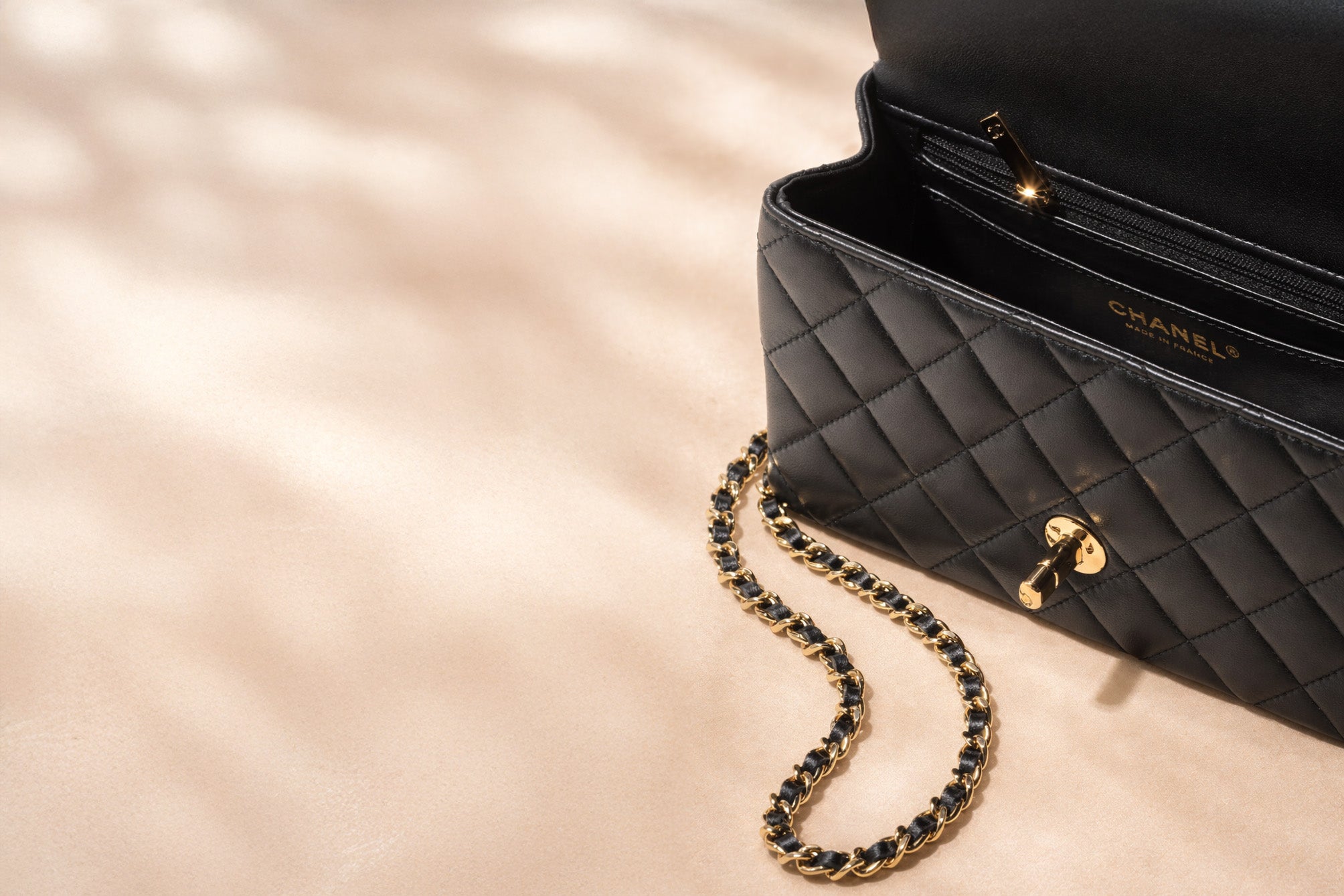
Why Some Chanel Bags Depreciate Faster Than Others on Resale
Check out our Chanel collection!
Chanel bags have a reputation for holding their value, but honestly, not every style lives up to that promise when you try to resell. Some bags fly off the shelf at strong prices, while others linger and lose value faster than you’d expect from such a legendary brand.
It really boils down to a few things: which model you’ve got, how popular it is, the materials and condition, whether it’s rare or classic, and even where or when you try to sell.
The Classic Flap or Boy Bag usually holds up much better than seasonal or less iconic designs. If you want to make smart buys, or just not lose your shirt when selling, understanding these details is a must.
We’ve watched certain Chanel bags climb in value while others drop shockingly fast. If you’re looking to invest in Chanel or thinking about selling, it’s worth knowing what actually drives resale value. So, what makes some bags keep their worth while others don’t?
Key Takeaways
- Classic, recognizable Chanel styles keep their value way better than trendy or seasonal ones.
- Material, condition, and original packaging seriously impact resale prices.
- Where you sell and what the market’s doing right now change how fast your bag sells and for how much.
How Resale Value Differs Between Chanel Bags
Chanel bags don’t all perform the same when it’s time to let one go. The Classic Flap in black caviar leather typically retains 70% to 90% of its original retail price. On the other hand, seasonal styles may lose up to half of their retail value in just a year or two.
Most Sought-After Chanel Bags and Their Resale Performance
The Classic Flap is basically the MVP of Chanel resale. Black caviar leather with gold hardware? You’ll see those sell for 80 to 90 percent of retail, sometimes even more. The Classic Jumbo Flap, in particular, has done well, its retail price shot up from $6,400 in 2019 to $12,200 by 2025.
The 2.55 Reissue is also highly sought after. Its vintage vibe and link to Coco Chanel’s original 1955 design keep collectors coming back.
Boy Bags typically hold value better than seasonal styles but don't retain as much as the Classic Flap. They’re popular and hold value better than seasonal styles, but don’t quite match the Classic Flap. Usually, Boy Bags keep around 65 to 75 percent of their retail value, depending on size and leather.
The Wallet on Chain (WOC) does surprisingly well for a small bag. It’s more affordable and versatile, so demand stays high, though the actual dollar returns are lower since the starting price is less.
Depreciation Trends by Chanel Style
Chanel 19 bags have seen a drop in resale value since their release in 2019. We’ve seen them sell for just 50 to 65 percent of retail. The puffy, casual look just doesn’t pull the same prices as the more structured classics.
The Chanel 22 faces a similar struggle. Even with all the marketing, its oversized, slouchy style hasn’t proven itself yet. Resale values hover around 55 to 70 percent of retail.
Seasonal and runway-only styles lose value the fastest. Limited edition colors in classic shapes do better than totally new silhouettes. Oddly enough, neon pink Classic Flaps can hold value better than equally bold seasonal bags that lack the famous quilted pattern.
Material makes a huge difference too. Lambskin Classic Flaps typically sell for slightly less than their caviar counterparts, even when the retail price is identical. Caviar’s durability just makes it more appealing for everyday use.
Recent Price Movements and Secondary Market Impact
Chanel’s August 2025 price hike added $500 to every Classic Flap size, a 4 to 5 percent jump. These regular increases create weird ripples on the resale market. Older pre-owned bags often sell for less than current retail, so they’re a tempting entry point for new collectors.
We’re noticing pre-owned Chanel bags sell faster, especially right before price jumps. Sellers who bought years ago can sometimes break even or even profit, while buyers save thousands compared to boutique prices.
The gap between retail and resale has gotten bigger for newer styles like the Chanel 19 and 22. A pre-owned Chanel 19 might cost 40 percent less than retail, but a Classic Flap usually only gives you 10 to 20 percent savings. That difference really shows where the market thinks long-term value will stick.
Design, Popularity, and Rarity: Why Styles Matter
Not every Chanel bag is equal when it comes to keeping its value. The design, how popular it stays, and whether it’s rare, all these play a big role in whether a bag keeps its price or takes a hit on resale.
Timeless Silhouettes vs Trendy Releases
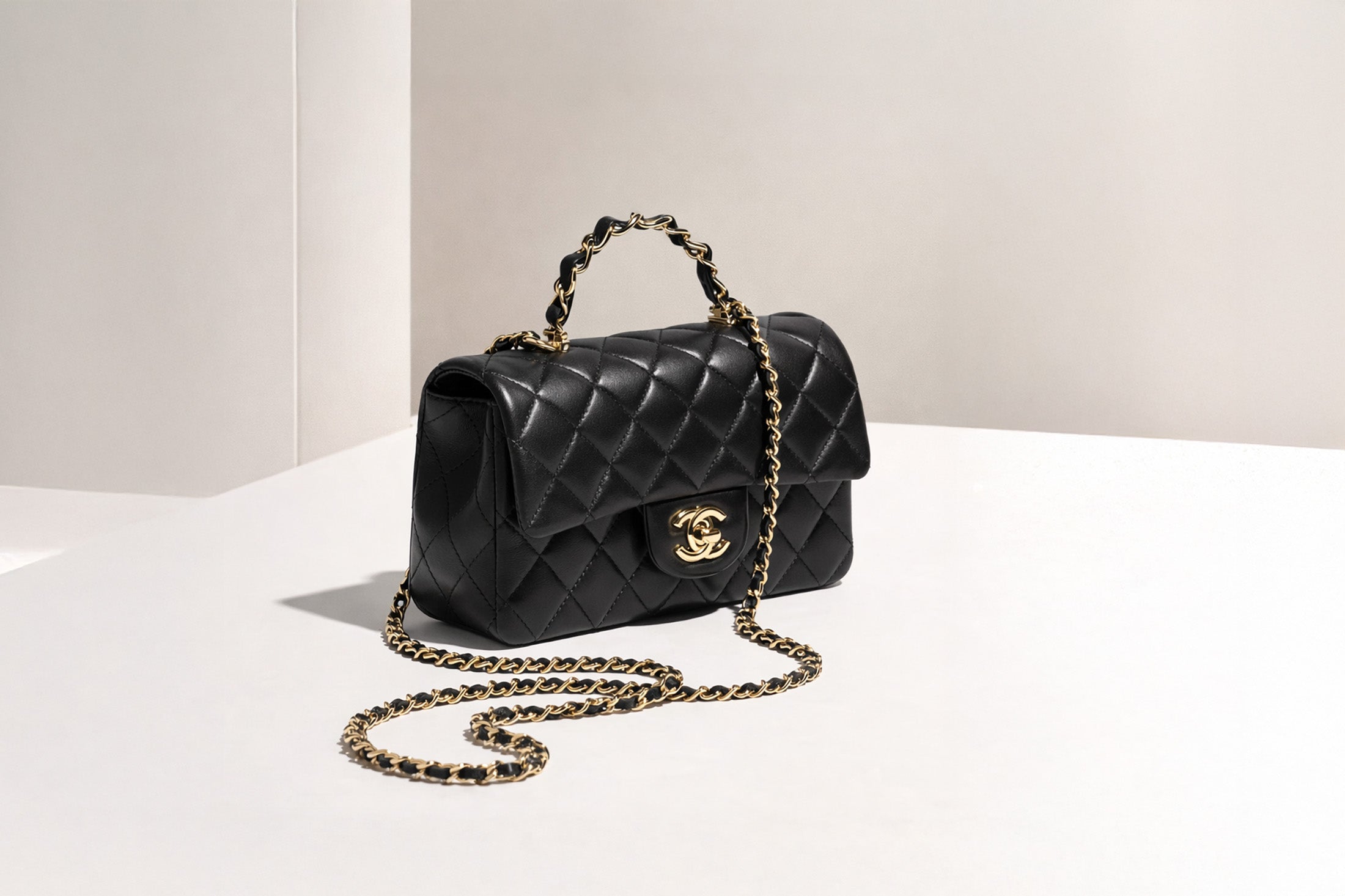
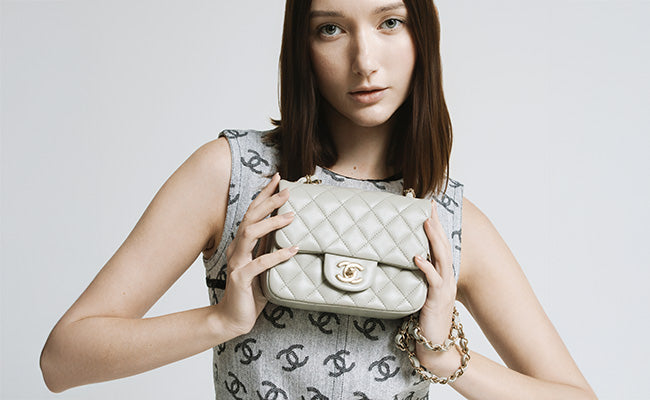
The Classic Double Flap is still the gold standard. Its design hasn’t changed much since Karl Lagerfeld’s 1980s update. These bags almost always hold 70-90% of retail, and sometimes even sell for more. The quilted pattern, chain strap, and CC lock make it instantly recognizable, something trends just can’t touch.
Trendy releases are a different story. When Chanel drops bags linked to specific fashion moments or wild new shapes, they often lose value fast once the trend fades. The Coco Top Handle, for example, is gorgeous but hasn’t hit that universal appeal. These fashion-forward pieces get attention when they’re new but struggle to hold value a few years later.
The 2.55 and Boy Bag have earned their spot among the classics. Bags with proven staying power just don’t lose value as quickly as seasonal experiments.
Limited Editions and Discontinued Styles
Limited editions are a bit of a wild card. The 2014 Graffiti Collection, for instance, fetches crazy prices now because everyone knows it won’t be made again. The Graffiti Art School backpack and On the Pavement Messenger Bag often sell for way above their original price.
Discontinued exotic leather bags blew up in value after Chanel stopped using crocodile, alligator, and other exotics in 2018. With supply permanently capped, prices shot up.
But not every limited edition is a winner. Some collabs or seasonal themes just don’t catch on. We’ve watched limited edition bags in weird shapes or with super-trendy details lose value faster than the mainstays, simply because they only appeal to a niche crowd.
Seasonal Colours and Special Materials
Black, beige, and red Chanel bags hold their value best. A black lambskin Medium Classic Double Flap barely depreciates because it goes with anything and appeals to just about everyone. Vintage Chanel bags in these shades from the 80s and 90s sometimes sell for more than they cost new.
Seasonal colors, think bright orange, electric blue, or pastel lavender, lose value faster. They’re beautiful, but fewer people want them when it’s time to resell. Pink is interesting: softer, classic shades do better than loud, trendy ones.
Materials really matter. Lambskin and caviar leather in vintage Chanel pieces hold up because they show off the brand’s old-school craftsmanship. Denim, canvas, or odd textures usually drop in value unless they’re part of a super collectible limited run.
Material Quality and Craftsmanship
What a Chanel bag is made from, and how well it’s put together, directly affects how it holds up on resale. Durable leathers and solid hardware just do better than delicate materials that show wear easily.
Caviar vs Lambskin: Durability and Buyer Preferences
Caviar leather rules the resale market, no question. The textured, grained surface shrugs off scratches and still looks good after years of use. We’ve seen caviar bags sell quickly and keep 75-85% of retail, even with a bit of wear.
Lambskin is a different beast. It’s super soft and luxurious but scratches and scuffs easily. Corner wear and surface marks pop up fast if you use it regularly.
Resale buyers usually pay 15-20% less for lambskin bags in similar shape to caviar. The exception? If a lambskin bag is mint, it can still get a strong price, but most buyers are pickier about visible wear. A lot of collectors see lambskin as “special occasion only,” which shrinks the market a bit.
Other Leathers and Fabrics
Patent leather looks amazing at first, but it’s a magnet for transfer marks and creases, which really hurt resale. Patent Chanel bags can lose 40-50% of their value in just a few years.
Calfskin sits somewhere between caviar and lambskin, softer than caviar, tougher than lambskin, but still needs some care.
Tweed bags are a bit unpredictable. Classic black and neutrals hold up, while colorful or trendy tweeds drop in value as tastes change. Exotic leathers like python or alligator stay valuable because they’re rare, but buyers worry about authenticity and upkeep.
Effects of Hardware Finish on Value
Gold hardware almost always does better than silver, especially on the classics. Gold just feels more “Chanel” to a lot of buyers.
Ruthenium and aged finishes can chip or fade, which knocks down the price. Bags with perfect hardware can get 10-15% more than ones with scratches or tarnish.
Limited hardware colors are cool for collectors but limit your buyer pool. Standard gold and silver finishes appeal to more people and keep prices steadier.
Condition, Completeness, and Authenticity
How your Chanel bag looks, whether it comes with all the original stuff, and if you can prove it’s real, all of that creates different price brackets. A pristine bag with everything included will always get more than the same bag showing wear or missing packaging.
Importance of Original Accessories
Complete packaging makes a real difference. The original box, dust bag, and authenticity card add value because they prove the bag’s legit and help with storage.
Bags with their authenticity card usually sell for 10-20% more than ones without. The card matches the serial number and gives buyers peace of mind.
The dust bag protects the leather, and the original box matters most for collectors who want everything just right. Limited editions or vintage styles especially benefit from having all the extras.
Key original accessories that affect value:
- Authenticity card with matching serial number
- Original dust bag, in good shape
- Original box and ribbons
- Receipt or boutique paperwork
- Care booklets and brand materials
Authenticity Checks and Market Confidence
Checking Chanel authenticity takes a sharp eye. The interlocking CC logo should have perfect alignment and spacing, fakes usually mess this up.
First thing we look at is the material. Real Chanel uses top-notch leather with even texture and natural grain. The stitching should be spot on, with 10-11 stitches per diamond on most Classic Flaps.
The serial number sticker or microchip (on new bags) has to match the production era. Chanel’s changed how they do this over the years, so knowing those details helps.
Hardware should feel heavy and look flawless. Fakes often use cheap, light metal that tarnishes fast.
How Wear Affects Resale Price
Condition changes everything. A pristine Classic Flap might sell for 85-90% of retail, but if it’s really worn, you might only get 50-60%.
Corner wear is a big deal because it’s hard to hide or fix. Scratches on the CC lock or hardware also drop the price. We’ve seen beautiful bags lose 15-20% just from tarnished closures.
Leather matters too. Lambskin shows wear faster than caviar, but if it’s cared for, collectors still want it for the feel.
Inside condition isn’t as critical, but stains, pen marks, or bad smells turn buyers off. Clean interiors with intact lining show the bag’s been treated well, which buyers notice.
Brand Power, Global Recognition, and the Chanel Name
Chanel’s brand strength is a huge reason some bags hold value while others lag. The house’s long history, iconic founders, and careful branding create a halo effect that protects certain styles and leaves others more at risk.
Chanel's Legacy and Cultural Influence
Chanel’s been building its reputation for over a century. You see it in movies, museums, and pop culture all the time.
That double C logo is one of the most recognized symbols in the world. Buyers know exactly what they’re getting, which boosts resale confidence. Bags with obvious branding usually hold their value better because they’re easier to authenticate and everyone knows they’re Chanel.
Cultural cachet is real. If people dream of owning a bag from a brand, it’ll always fetch more than something from a lesser-known label, even if the quality’s the same. Chanel sits in the luxury conversation right alongside Hermès, and that matters.
Consistency helps too. Chanel doesn’t reinvent itself every few years. Its design codes stay steady, so buyers trust their bags will still look good years down the line.
The Role of Coco Chanel and Karl Lagerfeld
Coco Chanel kicked things off back in 1910, tossing out those stiff old rules in favor of comfort and a kind of casual elegance. Her 2.55 bag, which debuted in February 1955, set the tone: quilted leather, chain strap, details that still scream Chanel today.
Karl Lagerfeld took the reins in 1983 and, honestly, he walked a tricky line. He modernized the brand but didn’t lose sight of its roots. The Classic Flap with its CC turn-lock? That was his creation in the ‘80s, and it’s become the piece everyone’s hunting for on the resale market.
Lagerfeld stuck around for 36 years, which is almost unheard of in fashion. Instead of tearing everything up, he tweaked and refined what was already there. That’s probably why a Chanel bag from the ‘90s still meshes with one from the 2010s, it all feels like part of the same story.
The design language Coco and Karl built is instantly recognizable. Buyers trust it. When Chanel experiments too much or releases wild limited editions, those bags usually lose value faster. People want that classic Chanel DNA.
Positioning in the Luxury Handbag Market
Chanel sits right between Hermès’s world of waitlists and Louis Vuitton’s more widespread approach. You can actually walk into a Chanel store and, if you’re lucky, buy a Classic Flap. No need for the years-long relationships Hermès expects for a Birkin or Kelly.
That accessibility keeps demand strong. More people can swing a Chanel than a Hermès, so the resale market’s bigger and more active. Plus, Chanel’s habit of raising prices twice a year nudges buyers toward pre-owned bags to dodge those ever-climbing retail tags.
Chanel keeps things exclusive by limiting how many bags each customer can buy and controlling where they’re sold. This stops resellers from flooding the market, keeping supply just tight enough to feel special without being totally out of reach.
Being privately owned by the Wertheimer family lets Chanel play the long game. They don’t chase every trend or slap their name on everything, and that’s probably a big reason their bags hold value so well.
Where and How You Sell: Platforms, Trends, and Market Movement
Where and when you sell your Chanel bag makes a huge difference in what you’ll get for it. Different resale sites attract different buyers, and trends can shift what moves fast versus what gathers dust.
Authentication standards really matter. Sites with stricter checks tend to get higher prices because buyers feel safer. Platforms that focus on luxury bags usually pull in better numbers than generic marketplaces.
How fast your bag sells depends on the style. Classic Flaps can go in days on the big sites, but seasonal colors or less popular models might sit for months. For the iconic bags, the platform isn’t as important; for everything else, it can make or break your sale.
Regional and Global Trends in Chanel Bag Resale
North America and Europe lead the pack in demand for pre-owned Chanel. In parts of Asia where Chanel stores are sparse, buyers hunt for authentic bags online.
Classic black and beige caviar bags always move, but bold colors or seasonal pieces do better in trendier cities. Currency swings can also shake things up, international buyers get more active when their money goes further.
The luxury secondhand market’s growing at about 12% a year, way faster than the main luxury market. More buyers, more sellers, supply and demand constantly shift. There’s always a rush before Chanel hikes prices or during the holidays, while things slow down a bit after.
Buyer Preferences in 2025
Buyers now demand solid authentication and clear condition info. They want sharp photos, every scuff, every detail, plus receipts or cards if possible, and honest notes about any repairs.
Classic styles win out over trendy ones. Black and navy caviar leather outsell lambskin because people worry about durability, especially with pre-owned bags. Medium and jumbo Classic Flaps are hot; minis had a moment but don’t move as fast anymore.
Sustainability is a big deal for younger buyers. Many see buying pre-owned Chanel as both smart and eco-friendly. Social media and influencers play a huge role in what’s considered valuable, so platforms with a strong online presence have an edge with this crowd.
Frequently Asked Questions
Chanel resale values depend on a tangle of factors, model, rarity, condition, color, timing, you name it.
What influences the resale value of a Chanel bag more: the model or the rarity?
The model almost always matters more than rarity. Classic styles like the Medium Double Flap and Jumbo Flap keep their value because buyers know they’ll never go out of style.
Rarity only adds value if the bag’s already desirable. A rare version of an unpopular style? Still not worth much. The market’s pretty clear: timeless classics beat out limited editions of oddball designs.
Are there specific features that make some Chanel bags hold their value better over time?
Lambskin and caviar leather in that iconic quilted pattern hold up best. Buyers specifically look for these on the resale market.
The chain strap, especially the interwoven leather and chain, makes a difference too. Bags with this signature Chanel strap almost always do better than those with unusual straps.
Hardware color counts. Gold and silver are safe bets; unusual finishes like ruthenium can make a bag harder to sell. Standard sizes (medium, jumbo) tend to keep value better than minis or maxis.
How does seasonal demand affect the resale price fluctuation of Chanel handbags?
Seasonal demand follows a rhythm. Before Chanel announces a price hike, buyers rush to snag bags at current rates, driving up resale activity.
Holiday shopping (November, December) bumps up demand, while January and February usually see things slow down. Summer’s sometimes quieter for Classic Flaps, but lighter colors and casual styles like the Chanel 19 pick up. Price swings aren’t huge, usually in the 5-10% range.
What's the real deal with limited editions - do they always guarantee a better resale value?
Limited editions don’t always mean higher resale. Actually, many lose value faster than the classics because they’re tied to trends that fade.
The exception? Limited runs based on core classics with just a twist, like a rare color of the Classic Flap. Novelty shapes or funky materials? They often just sit unsold.
We’ve seen plenty of limited editions linger while standard Classic Flaps sell out. Scarcity only helps if people actually want the bag.
Can the condition of a Chanel bag outweigh its model and age when it comes to resale?
Condition can totally trump model or age, especially if a bag’s really beat up. A worn-out Classic Flap with heavy damage might sell for less than a pristine Chanel 19, even though the Flap’s usually more valuable.
Within the same model, condition’s everything. A mint Classic Flap can fetch 30-40% more than one with scuffs or hardware issues.
Age matters less if a bag’s in great shape. A well-cared-for vintage Classic Flap from the ‘90s can actually go for a premium, thanks to its rarity and the materials they used back then.
Is it true that certain colours or patterns can cause a Chanel bag to depreciate more quickly?
Trendy colours tend to lose value a lot faster than classic neutrals. Sure, bright pinks or lime greens might catch your eye in the boutique, but let's be honest, they're tough to resell. Not everyone wants a statement shade, so your pool of buyers shrinks fast.
Black, beige, navy, and white usually keep about 70-90% of their retail value when you sell them pre-owned. There's just something about these colours, they fit almost any season, any wardrobe, any mood. Buyers know what they're getting, and that's a safe bet.
Unusual patterns or heavy embellishments? Those can be tricky. Tweed, graffiti prints, or bags covered in embroidery only attract a certain crowd. You might wait ages to find the right person, and even then, the price probably won't match what you'd get for a plain quilted leather one.