
Why Chanel Bags Hold Strong Resale Value Compared to Other Luxury Brands
Check out our Chanel collection!
Chanel bags have built a reputation as some of the most reliable luxury investments out there, and the numbers really do tell the story.
While plenty of designer bags lose 30 to 50 percent of their value as soon as you walk out of the boutique, Chanel’s most iconic styles tend to hold onto 70 to 85 percent of their retail price. Sometimes, they even appreciate as the years pass. That’s not common.
It’s a mix of Chanel’s regular price hikes, tight production, outstanding craftsmanship, and classic design. Few other brands can quite pull off this recipe for strong resale performance.
Watching the pre owned luxury market shift over the years, Chanel consistently pops up as one of the few brands (Hermès being the other big one) that treats handbags almost like collectible assets, not just accessories.
Rather than flooding the market with endless new releases, Chanel keeps things exclusive through careful supply and those much discussed price increases. This approach doesn’t just protect the brand’s image.
It also makes pre owned bags more appealing to buyers who want the real deal without swallowing current retail prices.
If you’re thinking about investing in a luxury bag, understanding why Chanel holds its value so well compared to other brands can help you make a smarter call.
Whether you’re eyeing the Classic Flap, the 2.55 Reissue, or maybe the Boy Bag, knowing what drives resale value can actually turn a splurge into a solid investment.
Key Takeaways
- Chanel bags hold onto 70 to 85 percent of their retail value thanks to strategic pricing, low production, and strong, ongoing demand.
- The Classic Flap in black caviar leather with gold hardware is the standout for long term value.
- Authentication, condition, and having all the right paperwork can make a big difference in resale price.
What Makes Chanel Bags Stand Out in Resale Markets
Chanel bags manage to fetch impressive resale prices because they mix steady demand across generations with tightly controlled production and a global brand presence that’s hard to ignore. All these factors come together to create a secondary market that sometimes even outpaces original retail values.
Consistently High Demand Across Generations
Chanel bags attract buyers from their twenties up into their seventies, building a customer base that keeps demand pretty consistent.
The Classic Flap, for example, appeals to young professionals buying their first luxury bag and to seasoned collectors alike. This broad appeal means there are always buyers out there, no matter what’s happening with the economy or trends.
Some bags lose their luster after a few years, but Chanel’s main styles stick around. A bag from 1995? Still looks right at home in 2025.
That kind of timelessness keeps resale value high because buyers trust they’re investing in something that won’t scream “last season” in a year.
Chanel’s regular price jumps also light a fire under the resale market. When retail prices shoot up by thousands, suddenly those authenticated vintage bags from a few years back look like a bargain.
We see buyers hunting for these pieces, hoping to snag something iconic for less than the current sticker price.
Limited Production and Rarity of Iconic Styles
Chanel keeps a tight lid on production, refusing to chase trends or pump out bags in unlimited numbers. This creates real scarcity, and as any collector knows, scarcity drives up value. The brand doesn’t play the fast fashion game.
Some styles get even more valuable because they were only released in small numbers. Think seasonal colors, unique materials, or discontinued hardware.
These become collector’s items and can appreciate fast. We’ve seen limited editions sell for double their original price.
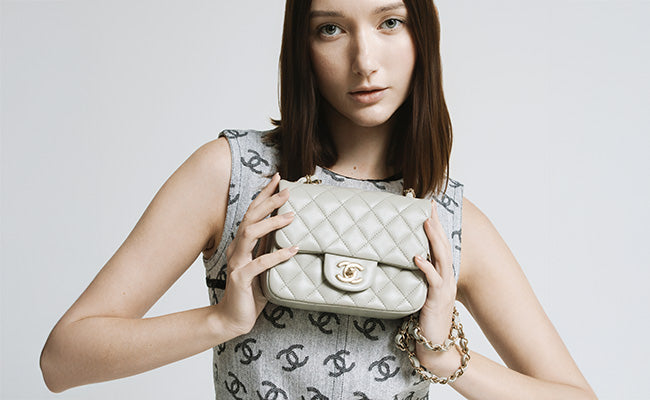
The 2.55 Reissue and Classic Flap in certain combos (especially black caviar with gold hardware) really hold their own because Chanel never lets the market get oversaturated with them.
Even though these are “classic” styles, they’re not everywhere. That mix of recognition and scarcity makes them prime investment pieces.
Enduring Global Recognition and Brand Power
Chanel’s interlocking CC logo is one of the most recognizable symbols in the world. That instant recognition gives buyers confidence and makes selling easier. Everyone knows exactly what they’re getting.
The brand’s reputation for quality means pre owned Chanel bags usually hold up better than most. Caviar leather tends to shrug off years of use, and the hardware keeps its shine. Buyers feel reassured that they’re getting something built to last, not just a fancy name.
Chanel’s position right up there with Hermès gives it unique leverage. While Louis Vuitton pushes higher volumes and other brands chase whatever’s hot, Chanel keeps things exclusive without being out of reach.
Resale data backs this up. Chanel bags in great shape often hold 70 to 90 percent of their original value.
Signature Chanel Models That Drive Resale Value
Some Chanel bags just consistently outperform the rest when it comes to holding and even gaining value. The Classic Flap is the clear winner, but the 2.55 Reissue, Boy Bag, and Wallet on Chain each have their own strengths on the resale scene.
Classic Flap Bag: An Investment Grade Icon
The Chanel Classic Flap Bag is easily the top performer in the luxury resale market. Year after year, we watch this bag appreciate, fueled by Chanel’s steady price hikes and global demand.
The medium size in black caviar leather with gold hardware? That’s the sweet spot. Caviar’s pebbled texture resists scratches way better than lambskin, so these bags stay in great shape longer. Huge plus for resale.
Prices for the Classic Flap have shot up over the last five years. In a lot of markets, the medium is now flirting with €10,000 retail. Bags bought just a few years ago at much lower prices have seen impressive appreciation on the secondary market.
Key value drivers:
- Timeless design that never feels out of place
- Carefully managed supply from Chanel
- Broad appeal across age groups and styles
- Steady demand in all the big luxury markets
2.55 Reissue and Its Collector's Appeal
The Chanel 2.55 Reissue is Coco Chanel’s original 1955 design, brought back by Karl Lagerfeld in 2005. It’s a favorite among purists for its history and subtle elegance.
Collectors seem to gravitate toward the 2.55. The mademoiselle lock and all chain strap set it apart from the Classic Flap, attracting a dedicated crowd. Limited editions in unique finishes, like aged calfskin, often fetch top dollar.
Resale values usually sit a bit below the Classic Flap, but they’re still solid. Bags in excellent shape with all the paperwork can hold 75 to 90 percent of their retail value. The collector market stays active, partly because supply is more limited.
The Boy Bag: Modern Popularity and Value
The Boy Bag, launched in 2011, gave Chanel a more modern edge. Its boxy shape and bold hardware brought in younger, trendier buyers.
Boy Bags usually hold 70 to 85 percent of their retail value. Limited editions and rare colors can go even higher. Exotic leathers and special hardware really stand out once they’re off the shelves.
Condition matters a lot here. The structured shape and metal details can show wear more than the softer Classic Flap, so keeping it pristine pays off.
Chanel Wallet on Chain: Compact Versatility
The Chanel Wallet on Chain (WOC) is a favorite entry point for new Chanel fans and punches above its weight in the resale game. It’s compact, crossbody, and just plain practical.
Black caviar versions with gold or silver hardware do best. We’ve seen WOCs holding 65 to 80 percent of their retail value when kept in good shape. The lower starting price makes it attractive for first time buyers, keeping demand strong.
The WOC’s flexibility is a big selling point. People love that it works as a casual crossbody or an evening clutch, so it appeals to a wide range of buyers.
Craftsmanship and Materials: The Foundation of Chanel's Value
Chanel’s resale value comes straight from its commitment to top notch materials and skilled construction. The leathers, hardware, and the way each bag is put together all help these bags stay beautiful and functional for decades.
Premium Leathers: Caviar, Lambskin, and Calfskin
Chanel uses some of the best leathers in the business. Caviar leather has a distinctive, pebbled grain that shrugs off scratches. Perfect for everyday use. It holds up for years.
Lambskin is incredibly soft and smooth, and while it’s more delicate, it develops a lovely patina if you take care of it. Some buyers actually prefer this lived in look.
Calfskin sits somewhere in between, blending durability with a softer touch. It’s used across a bunch of Chanel styles and ages well. All these leathers go through strict quality checks to meet Chanel’s standards.
Gold Plated Hardware and Distinctive Finishes
Chanel’s hardware has a heft that sets it apart. The brand has used real gold plated hardware for years, giving bags a weight and shine you can feel. This attention to detail is a big deal for collectors.
The CC logo and chain straps get multiple finishing steps to achieve that signature look. Gold plated parts keep their color longer, though vintage pieces might show some natural wear. Light gold and ruthenium finishes give buyers more style options.
Meticulous Construction and Attention to Detail
Chanel artisans spend years perfecting their craft. The diamond quilting, for example, requires precise stitching and tension for that iconic look.
Inside the bag, everything from pocket placement to lining and edge finishing gets the same level of care. This focus on every detail helps Chanel bags keep their shape and value much longer than mass produced alternatives.
Timeless Design and Its Influence on Resale Prices
Chanel’s design philosophy is all about lasting style, not chasing trends. That’s a huge reason resale prices stay strong. The most iconic shapes keep selling because they just never go out of fashion.
The Power of Timeless Silhouettes
We’ve noticed that the Classic Flap, 2.55 Reissue, and Boy Bag always beat out trendier styles on the resale market. These bags have clean lines, balanced shapes, and iconic touches like quilted leather and chain straps. Details that never really age.
The Classic Flap, launched in the 1950s and tweaked by Karl Lagerfeld in the ‘80s, often sells for 70 to 90 percent of its current retail price on the secondary market. Some vintage ones even go for more than their original price.
Compare that to seasonal or experimental styles, which tend to lose value much faster. Buyers looking for investment pieces stick with what they know will still look good in five or ten years. Timeless is the safer bet.
How Chanel's Heritage Drives Buyer Trust
Karl Lagerfeld’s long run as creative director cemented a design language that buyers instantly recognize. He respected Coco Chanel’s original codes, so each collection built on what came before, rather than tossing it out.
This consistency builds trust in the resale market. You can spot a Chanel bag from 2010 or 2020 and know it’s authentic because the design stays true. Buyers appreciate this clarity.
Chanel’s dedication to craftsmanship is another trust factor. Hand stitched quilting, quality hardware, and premium leathers mean vintage bags often keep their structure and look for decades. That kind of durability is rare and makes them reliable investments.
Chanel's Pricing and Market Strategies: Keeping Value Sky High
Chanel keeps resale values high with regular price bumps and strict purchase limits that make sure demand stays ahead of supply.
Intentional Price Increases Over Time
Chanel tends to raise prices twice a year, and it’s not just for show. It really impacts resale. In August 2025, they bumped Classic Flap prices by 4 to 5 percent, adding $500 to each size. The Boy Bag saw similar hikes, with prices now between $6,700 and $7,600.
Here’s where things get interesting: a Classic Jumbo Flap that sold for $6,400 in 2019 now costs $12,200. That’s almost double in six years. These steady increases mean pre owned bags sometimes sell for more than what buyers originally paid.
Chanel focuses these hikes on their most in demand styles: Classic Flap, Chanel 19, Chanel 22, Boy Flaps, and Reissue. These bags start to look less like fashion splurges and more like appreciating assets.
Purchase Limits and Availability Controls
Chanel limits how many bags any one customer can buy, which keeps things scarce and protects resale value. The brand restricts purchases in boutiques, so resellers can’t just buy up all the inventory.
This approach keeps demand high, both in stores and in the resale market. You can’t just walk into a bunch of boutiques and scoop up multiple Classic Flaps. If you miss out at retail, you’re probably heading to the pre owned market. And you’ll pay a premium for authenticated bags in good shape.
These controls, paired with price increases, help Chanel maintain the prestige that luxury buyers expect.
Comparison with Other Luxury Brands: Chanel Versus Hermès and the Rest
Chanel sits in a luxury market where Hermès rules resale values, while brands like Louis Vuitton focus on volume over exclusivity. Chanel’s bags generally hold 70 to 90 percent of their value, which is strong, but Hermès bags can actually sell for more than retail, giving collectors different options depending on their goals.
Chanel vs Hermès: Accessibility and Market Presence
Hermès takes the crown for pure investment returns, but Chanel offers something Hermès doesn't, you can actually buy one without waiting years.
Hermès bags appreciate around 14 percent annually and often sell for 120 to 180 percent of retail on the secondary market. Their Birkin and Kelly bags require relationship building with sales associates and purchase histories that can take years to establish.
Chanel's Classic Flap, meanwhile, holds about 80 to 90 percent of its original value and is far more accessible through boutiques worldwide. You can walk into most Chanel stores and buy a Classic Flap without the allocation games that define the Hermès shopping experience.
Brand power plays out differently for each house. Hermès leans into scarcity and artisanal heritage, with a single craftsperson spending 18 to 24 hours on each bag.
Chanel banks on Coco's revolutionary design legacy and broader brand recognition across fashion, beauty, and accessories. Both strategies work, but they serve different collectors and budgets.
Luxury Brand Resale Rankings and Brand Loyalty
The resale market consistently ranks Hermès first and Chanel second for value retention among luxury handbag brands. Hermès bags have appreciated 14.2 percent annually over the past decade, while Chanel comes in at 11.8 percent annual appreciation.
Louis Vuitton and Gucci follow behind, typically retaining 50 to 70 percent of retail value. These brands produce higher volumes and prioritize accessibility over scarcity, which definitely impacts their secondary market performance.
Brand loyalty drives different behaviors across houses. Hermès collectors get a bit obsessive about tracking down rare colors and exotic leathers, treating bags like portfolio assets.
Chanel buyers appreciate the brand's fashion forward edge while still loving its classic appeal. This difference shows up in purchasing patterns: Hermès clients build relationships for allocation, while Chanel customers enjoy more straightforward transactions.
What Sets Chanel Apart from Louis Vuitton and Others
Chanel sits in a sweet spot between Hermès's extreme exclusivity and Louis Vuitton's mass luxury approach.
Louis Vuitton produces much higher volumes and focuses on logo driven designs that saturate the market. This accessibility hurts resale values, with most LV bags losing 30 to 50 percent of retail value within the first year.
Chanel keeps tighter production controls than Louis Vuitton while staying more accessible than Hermès. Regular price increases, sometimes 15 to 20 percent annually, help existing owners maintain value since older bags become comparatively affordable.
Chanel's positioning also differs from Gucci and Prada, which chase trends more aggressively. The Classic Flap has barely changed since 1955, giving it a timeless appeal that trend focused brands can't really match.
Resale data backs this up: Chanel classics consistently outperform seasonal pieces from other luxury houses by 20 to 30 percent.
The Role of Authentication, Condition, and Sales Platforms
Authentication credentials and proper documentation matter a lot when you sell a Chanel bag, and the platform you choose affects how quickly it sells and at what price.
Importance of Authenticity Cards and Full Sets
An authenticity card acts as proof of legitimacy and can boost resale value by 15 to 30 percent compared to bags without documentation.
Chanel authenticity cards feature a unique serial number that matches the sticker inside the bag, making verification straightforward for buyers and authentication services.
Complete sets: bag, box, dust bag, authenticity card, and original receipt: command premium prices. Buyers pay more for the peace of mind that comes with full documentation, especially for high value styles like the Classic Flap.
The authenticity card itself has evolved over the years. Vintage Chanel bags from the 1980s and early 1990s didn't always include cards, which doesn't hurt their value as much as missing cards from recent purchases.
Authentication experts can still verify these pieces through construction details, hardware, and serial number placement.
Missing documentation doesn't make your bag unsellable, but it does narrow your buyer pool. Many luxury resale platforms have in house authentication teams who can verify genuine Chanel pieces even without cards, though you'll probably get a lower payout.
How Condition and Documentation Impact Resale
Pristine condition bags with minimal wear fetch 80 to 90 percent of retail value on luxury resale platforms, while moderate wear typically brings 60 to 75 percent of current retail prices. We're talking about corner wear, hardware scratches, and interior staining.
Original receipts prove purchase history and help establish authenticity beyond doubt. They're especially valuable for limited edition or seasonal pieces where authentication can be trickier.
Bags with professional cleaning or spa treatments often sell faster than untreated pieces. Light refurbishment from authorized leather specialists can increase resale value by restoring hardware shine and treating minor scratches.
Storage matters too. Bags kept in their original dust bags and away from direct sunlight maintain better condition than those stored improperly. Shape retention, leather suppleness, and hardware finish all factor into condition grading that affects your payout.
Frequently Asked Questions
Chanel bags command exceptional resale prices thanks to meticulous craftsmanship, strategic scarcity, and decades of brand legacy that create consistent collector demand worldwide.
What makes Chanel bags a timeless investment for luxury collectors?
Chanel bags hold their investment appeal through deliberate retail price increases that happen multiple times per year.
These steady price hikes create a ripple effect in the resale market, where certain styles like the Classic Flap regularly hold or exceed their original purchase price.
The brand's selective distribution strategy limits supply while demand keeps climbing. You can see this in resale data where styles like the Chanel 22 and Classic Double Flap move quickly despite premium pricing.
Beyond financial returns, Chanel bags offer stability in an unpredictable luxury market. Vintage pieces and limited editions often appreciate significantly, making them both wearable assets and portfolio diversification tools for serious collectors.
How does crafting technique influence the longevity and resale value of Chanel purses?
Each Chanel bag gets extensive hand finishing by skilled artisans who spend years perfecting their craft. The iconic quilting, developed by Coco Chanel herself, isn't just for looks. It actually reinforces the leather's durability and structure.
Hardware quality sets Chanel apart in the resale market. The brand uses premium metals that resist tarnishing and wear, which directly impacts how well bags age over decades of use.
Leather selection plays a huge role in long term value retention. Caviar leather, with its textured finish, shows minimal wear even after years of regular use. Lambskin appeals to collectors seeking that ultra luxurious feel, though it does require a bit more careful handling.
Why do classic Chanel pieces often fetch more at auction than other luxury brands?
The Classic Double Flap dominates auction results because it represents peak Chanel design philosophy. With a desirability score of 92.32 based on recent resale data, it outperforms most competing luxury bags in both price and speed of sale.
Auction houses recognize that Chanel's biannual price increases create urgency among buyers. When retail prices jump, previously purchased bags become more valuable overnight, making auction acquisition strategically smart for collectors.
Provenance matters a lot at auction. Bags with documented history, especially those from notable collections or specific vintage eras, command premiums that other luxury brands rarely achieve.
In terms of exclusive fashion pieces, how does scarcity impact Chanel's resale pricing?
Chanel tightly controls production volumes to maintain exclusivity. Unlike brands that flood markets with seasonal releases, Chanel limits quantities of core styles, which keeps secondary market prices elevated.
Regional availability restrictions amplify scarcity effects. Certain colorways, sizes, or special editions release only in select boutiques, creating geographic demand imbalances that drive up resale prices globally.
The brand's decision to exit online retail for handbags intensifies the sense of scarcity. Buyers have to visit physical boutiques, often facing waitlists, which makes authenticated resale pieces more accessible and valuable to those unwilling to wait.
Can you break down the factors that keep Chanel's pricing at a premium in the second hand market?
Retail price momentum directly influences resale valuations. When Chanel raised prices again in 2025, styles like the Deauville Tote and Coco Top Handle started exceeding their original retail values on resale platforms.
Authentication concerns boost prices for verified sellers. You see consistent premiums on bags sold through established resale platforms with rigorous authentication processes, as buyers pay extra for purchase confidence.
Condition grading creates price tiers within the same model. Pristine examples with original packaging command significantly more than well loved pieces, though even heavily used authentic Chanel bags retain baseline value other brands can't match.
Material choice affects pricing stability. Analysis of 10,000+ recent sales shows caviar leather pieces maintain more consistent pricing with lower variance compared to lambskin or exotic materials.
What role does the brand's heritage play in the sustained demand for Chanel bags?
Coco Chanel's bold design philosophy still strikes a chord almost a century later. The 2.55 bag, launched back in February 1955, hasn't really changed in structure and people still chase after it. Proof that great design outlasts fleeting trends.
Karl Lagerfeld led Chanel for decades, blending tradition with fresh ideas. He respected the brand's roots but also brought in styles like the Boy bag, which gave fans more reasons to collect within the Chanel universe.
Chanel stays firm on its standards, never giving in to outlets, big discounts, or overusing its logo. This stubbornness keeps the brand's prestige intact and, honestly, that's why collectors keep paying top dollar for Chanel bags from any era or style.
Love Hermès? See More from Rome Station
Add us to your Preferred Sources on Google to see our newest Hermès guides and insider tips first.

