
Why Certain Chanel Bags Sell Instantly While Others Sit Unsold
TL;DR
In the Chanel bags resale market, the fastest sellers are usually the most recognizable, practical, and confidence-building pieces. Classic Flap styles, Boy Bags, Chanel 19 bags, and selected vintage pieces often attract strong buyer interest when they are in desirable colors, excellent condition, and supported by clear authentication details. Design, scarcity, craftsmanship, documentation, and realistic pricing all influence how quickly a listing moves. A black caviar flap with clean corners and original components will usually appeal to more buyers than a heavily seasonal design with limited styling flexibility. For sellers, the goal is to understand what buyers trust. For buyers, the strongest resale choices are often the bags that combine timeless Chanel identity with condition, provenance, and long-term wearability.
Check out our Chanel collection!
Not every Chanel bag moves at the same speed in resale. Some styles attract attention quickly, while others, though authentic and well-kept, take more time to find the right buyer. In the Chanel bags resale market, this difference is rarely about luck. It usually comes down to design recognition, condition, scarcity, craftsmanship, and buyer confidence.
When clients consign or purchase Chanel bags, the same patterns appear often. Signature styles with timeless visual cues tend to create faster decisions because buyers know what they are looking at. Less iconic models, unusual colors, or heavily seasonal designs may still be valuable, but they often require more patience and a more specific buyer.
This guide explains why certain Chanel bags sell faster than others, which details matter most in resale, and how buyers and sellers can evaluate demand with more confidence.
Key Takeaways
- Signature Chanel styles with iconic design codes and broad recognition usually sell faster than lesser-known or highly seasonal models.
- Condition, documentation, leather type, hardware finish, and accurate pricing all influence buyer confidence and resale speed.
- Vintage and limited Chanel bags can attract strong collector interest, but they often need clearer provenance and a more targeted buyer.
Signature Chanel Styles With Enduring Demand
Some Chanel designs consistently receive stronger buyer attention because they are easy to recognize, easy to compare, and easier for buyers to trust. The Classic Flap, Boy Bag, Chanel 19, and selected totes each serve a different resale audience, but the fastest-selling examples usually share a strong visual identity and practical appeal.
Classic Flap and Chanel Classic Styles
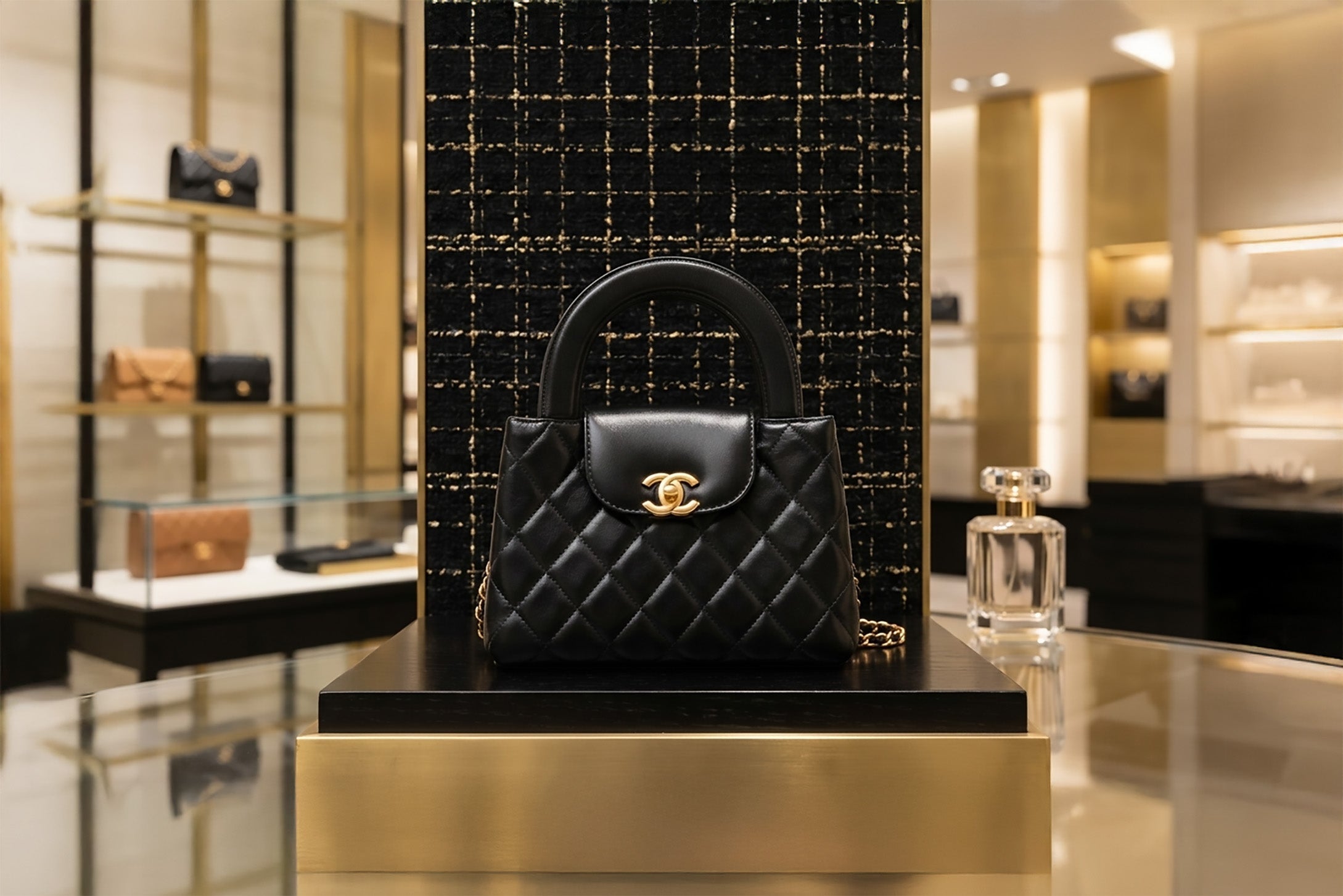
The Chanel Classic Flap remains one of the most in-demand styles in the resale market. Its quilted leather, turn-lock closure, chain strap, and structured silhouette make it instantly recognizable to buyers looking at pre-owned luxury.
Medium and jumbo sizes in black caviar or lambskin often attract the widest interest. Small and mini versions can also perform well, especially when fashion trends favor compact bags, but their demand may be more trend-sensitive than long-term collector demand.
Buyers usually look closely at hardware finish, leather type, signs of wear, interior condition, and whether original components are included. Because the Classic Flap’s design language has remained highly recognizable for decades, buyers know what to expect. That familiarity makes it easier to judge condition and price, which helps reduce hesitation.
Boy Bag and Chanel 19
The Boy Bag brought a more structured, graphic look to Chanel. Its sharper lines and bold hardware appeal to buyers who want a recognizable Chanel bag without the softer feel of a traditional flap. Medium Boy Bags in neutral colors with balanced hardware often sell reliably because they offer both status and everyday wearability.
The Chanel 19 has a softer shape, a puffy quilted body, and a mixed-metal chain. It attracts buyers who want a modern Chanel look while still keeping important house codes visible. Buyers of this model often care strongly about condition because the softer leather and fuller shape can show wear differently than firmer caviar styles.
Iconic Totes and Special Editions
Chanel bags outside the classic flap category fall into their own resale segment. The Grand Shopping Tote and Deauville styles often appeal to buyers who want practical, everyday bags with clear branding and more carrying space.
Totes in neutral colors and understated finishes usually move more easily than pieces with very bold prints or year-specific details. Buyers in this category often focus on practicality, including size, durability, and how easy the bag is to use day to day.
Limited editions and seasonal pieces can perform well, but they do not always move predictably. Some collectors value rare releases, unusual hardware, or special materials, but the audience is usually smaller. These bags need clear photos, careful condition notes, and accurate descriptions so the right buyer understands why the piece is special.
Why Timeless Design and Visual Identity Matter
Chanel bags often sell quickly when buyers can recognize the brand’s most important design codes immediately. Quilting, chain straps, interlocking C details, balanced proportions, and classic colors all help create confidence. In resale, visual clarity can be just as important as rarity.
Quilting, Hardware, and Brand Motifs
The quilted pattern is one of Chanel’s most recognizable handbag details. Buyers often read clean, even quilting as a sign of craftsmanship and careful ownership. Bags with sharp structure, aligned stitching, and well-preserved shape usually create stronger first impressions than bags with softened quilting or uneven wear.
The interlocking C logo, chain strap, and signature closure details also help anchor buyer confidence. These elements make a bag instantly identifiable, which matters in a market where trust and recognition influence purchase decisions.
In resale, a bag that clearly communicates “Chanel” from the first image often attracts more attention than a design that requires explanation. This is why classic visual codes usually outperform niche seasonal experiments.
Color, Leather, and Hardware Combinations
Color has a major effect on resale speed. Black usually attracts the broadest buyer pool because it is versatile, elegant, and closely tied to Chanel’s classic identity. Beige, navy, and other refined neutrals can also perform well when the condition is strong.
Seasonal shades, pastels, bright colors, and unusual prints may still be desirable, but they often need a more specific buyer. A rare color can be valuable, but it may not sell as quickly if it feels difficult to style or too closely tied to one fashion moment.
Hardware finish also matters. Gold-tone hardware often appeals to buyers who want the traditional Chanel look, while silver-tone and ruthenium finishes attract those who prefer a cooler or more understated feel. The strongest combinations usually feel balanced, wearable, and aligned with the bag’s design.
Timeless Style and Collectibility
Timeless design in resale means steady demand. Bags with quilted patterns, structured shapes, and simple hardware often move faster because buyers understand them without needing trend forecasting or niche fashion knowledge.
Collectibility works in a similar way. Styles that have remained recognizable over time attract buyers who appreciate consistency. Limited editions and seasonal novelties can be exciting, but they may require more buyer education and a narrower resale strategy.
A black caviar flap can appeal to a wide audience at almost any time. A very bold seasonal mini may still be beautiful, but it usually needs the right buyer at the right moment. In the secondary market, timeless does not mean plain. It means the design has enough history, polish, and versatility to remain desirable beyond one season.
Exclusivity, Availability, and Buyer Urgency
Resale demand is also shaped by access. When certain Chanel bags are difficult to find in boutiques, authenticated resale becomes more appealing to buyers who want immediate access. Limited availability, boutique allocation, and seasonal production can all create urgency.
Controlled Boutique Access
Chanel’s retail model is selective, and buyers may not always find the exact style, size, color, or hardware combination they want at the moment they are ready to purchase. Some pieces are easier to access than others, and the most desirable combinations may be difficult to secure through boutiques.
This helps explain why trusted resale listings can generate fast interest. Buyers who cannot find a bag in-store, who live far from a boutique, or who want a discontinued or older version may turn to the secondary market for a more direct path.
Seasonal Runs and Scarcity
Some Chanel colors, materials, and finishes are released for specific seasons. Once those pieces are no longer available through retail, resale becomes the main way to find them. This can increase urgency, especially when the design still feels wearable and aligned with Chanel’s classic codes.
Scarcity alone does not guarantee a fast sale. A rare bag still needs to appeal to the right buyer, be priced credibly, and be presented with enough detail to support trust. The strongest scarce pieces tend to combine rarity with beauty, condition, and practical styling potential.
How Limited Access Shapes Resale Speed
| Market Factor | Effect on Resale Speed |
|---|---|
| Recognizable classic style | Attracts a wider buyer pool |
| Limited boutique availability | Creates urgency for authenticated resale |
| Neutral color and wearable size | Makes the bag easier to style and resell |
| Rare seasonal material | Can attract collectors, but may need a more specific buyer |
| Strong documentation | Improves confidence and shortens buyer hesitation |
Craftsmanship, Authenticity, and Buyer Confidence
Buyers pay close attention to quality, authenticity, and ownership history when deciding how quickly to move on a Chanel bag. A desirable model can still sit if the condition is unclear, the documentation is weak, or the listing does not communicate trust.
Materials and Construction
The way a Chanel bag is made has a direct impact on its resale appeal. Buyers look for neat stitching, even quilting, strong structure, and hardware that feels solid and precise. These details show that the bag has been made and maintained with care.
Material choice matters too. Caviar leather is popular because it is more resistant to visible wear and often photographs well. Lambskin attracts buyers who love a softer, more refined look, although it requires more careful handling. Both can sell well when condition is strong, but caviar often appeals to a wider resale audience because it is easier to maintain.
Interior finishing counts as much as the outside. Clean lining, tidy pockets, secure stitching, and well-kept edges all add to the sense of quality. If the construction looks tired or the materials appear poorly maintained, buyers are more likely to hesitate.
Authentication and Provenance
In Chanel resale, authenticity is essential. Buyers want confidence that they are purchasing the real piece, especially when the price is significant. They look closely at construction details, hardware placement, quilting alignment, era-specific markers, and documentation.
Key details buyers often review include:
- Quilting that lines up cleanly and consistently
- Hardware with crisp engraving and a balanced finish
- Correct CC turn-lock orientation and movement
- Serial sticker, authenticity card, or microchip details that align with the production period
- Consistent interior construction and quality lining
Documentation adds another layer of trust. A bag with original receipt, dust bag, box, authenticity card where applicable, and a clear ownership history often feels more secure to buyers. These extras do not replace expert authentication, but they help support the overall story of the bag.
Preserving Value Over Time
Resale value comes down to how well a bag has been cared for. Chanel bags with clean corners, preserved structure, smooth chain movement, bright hardware, and tidy interiors usually receive more attention than bags with sagging shape, deep scuffs, odors, or visible staining.
Storage also matters. Bags kept in dust covers, away from direct sunlight, and supported properly tend to hold their shape better over time. Leather that remains supple, hardware that still shines, and interiors that feel fresh all suggest careful ownership.
A Chanel Classic Flap, for example, is usually most appealing when it has strong structure, minimal wear, and its original components. Buyers tend to move more confidently when the bag looks respected, well maintained, and ready to use.
Pricing, Size, and Vintage Appeal in the Secondary Market
A bag’s resale performance depends on how well it matches what buyers want now. Classic looks, good materials, clear provenance, practical size, and credible pricing all work together. The strongest listings feel desirable, transparent, and realistically positioned.
Credible Pricing Signals
Listings priced in line with model, condition, color, leather type, documentation, and current market demand tend to attract serious buyers more quickly. A credible price shows that the seller understands the resale market and has realistic expectations.
Overpricing can cause a bag to linger, even if the style is desirable. Buyers often compare multiple listings before making a decision, and they may skip a bag that feels too far above similar options. Underpricing can create quick attention, but it can also raise doubts about condition or authenticity. The strongest pricing sits in the credible middle, where the number matches the bag’s real value and presentation.
Size, Practicality, and Daily Use
Size plays an important role in demand. Medium and small Chanel bags often attract strong interest because they balance elegance, usability, and collectibility. They work for a range of occasions and are easy for buyers to imagine wearing regularly.
Larger Chanel bags can appeal to buyers who want more space, but they may attract a narrower audience. Very small bags can trend strongly during certain seasons, but their limited capacity may affect long-term practicality. Buyers usually care about more than appearance. Comfortable straps, accessible interiors, secure closures, and strong shape retention all influence resale appeal.
Vintage Chanel Versus Pre-Loved Chanel
There is a meaningful difference between vintage and pre-loved Chanel in resale. Vintage usually refers to older pieces with era-specific construction, hardware, and design details. Pre-loved often describes more recent secondhand pieces from modern collections.
Vintage Chanel has a distinct appeal, especially for collectors who appreciate earlier craftsmanship, archival silhouettes, and details that are no longer common in current production. Buyers may accept gentle age-related wear if it feels consistent with the bag’s history and does not affect structure or usability.
Recent pre-loved Chanel bags are often judged more strictly. Buyers tend to expect cleaner corners, fresher interiors, and a near-new appearance. For vintage bags, provenance and authenticity markers are especially important. For newer bags, condition and completeness often carry more weight.
Final Thoughts
Certain Chanel bags sell faster because they combine recognition, condition, scarcity, craftsmanship, and trust. The strongest resale pieces are usually those that feel classic, wearable, well documented, and carefully preserved.
For collectors, sellers, and buyers considering Chanel in the secondary market, Rome Station offers a refined resale experience built around authenticity, expertise, and confidence.
Fact Check and Data Sources
This article is based on observed resale market behavior, luxury consignment standards, and publicly available Chanel product information. Claims about resale speed, buyer demand, and condition sensitivity have been kept directional rather than overly precise because resale performance varies by model, condition, timing, and buyer demand.
- Chanel describes the 2.55 handbag as following the original principles created by Gabrielle Chanel in 1955 on the official Chanel 2.55 handbag page.
Frequently Asked Questions
Which Chanel bags usually sell fastest in the resale market?
Why do black Chanel bags often attract more resale demand?
Does caviar or lambskin leather sell faster for Chanel bags?
How important is documentation when selling a Chanel bag?
Do vintage Chanel bags sell faster than newer pre-loved Chanel bags?
Can seasonal Chanel bags be strong resale pieces?
How can Rome Station help with Chanel resale decisions?
Love Hermès? See More from Rome Station
Add us to your Preferred Sources on Google to see our newest Hermès guides and insider tips first.