
Why Accurate Weight Disclosure Matters in Van Cleef Consignment
Check out our Van Cleef & Arpels collection!
When you’re buying or selling Van Cleef & Arpels jewellery on consignment, weight isn’t just a number on a spec sheet. Accurate weight disclosure is one of the most reliable indicators of authenticity, directly affects fair market value, and protects both buyers and sellers from costly authentication mistakes. A real Vintage Alhambra bracelet commonly weighs in the low-to-mid teens in grams depending on materials and configuration, while many counterfeits show up noticeably lighter. That’s not a subtle difference if you know what to look for.
Too often, consignment deals fall apart because no one bothered to check or document the weight at the start. Solid 18k gold is dense at roughly 15 to 16 g/cm³, and Van Cleef typically uses precious-metal construction consistent with its hallmarking and finishing standards. If a piece feels unusually light or the weight doesn’t match the usual range for that model and configuration, it raises immediate red flags about authenticity, materials, or modifications.
Knowing why weight matters, and how to use it alongside other authentication clues, gives you a real edge, whether you’re consigning your own pieces or thinking about a purchase. The typical weight ranges across collections, and the way metal content affects value, all add up to more transparency and confidence in every transaction.
Key Takeaways
- Accurate weight disclosure helps confirm authenticity since genuine pieces use precious-metal construction with densities that many counterfeits struggle to match
- Proper weight documentation protects transaction value by confirming material quality and avoiding disputes between consignors and buyers
- Weight should be checked alongside hallmarks, craftsmanship, and gemstone quality for a full authentication
The Critical Role of Accurate Weight in Van Cleef & Arpels Consignment
Weight documentation sits at the heart of transparency in the secondary market, shaping everything from buyer confidence to final sale price. When consigning pre-owned Van Cleef & Arpels, precise weight records protect everyone involved and keep transactions smooth.
Establishing Trust Through Consignment Listings
Plenty of consignment deals rise or fall based on the accuracy of the initial documentation. For Van Cleef & Arpels, weight is one of the first things experienced buyers check.
Listing the exact total weight in grams for pre-owned Van Cleef pieces builds credibility right out of the gate. For example, long necklaces with many motifs can vary widely by length, stone type, and version, but they typically land well above 30 grams. If the number’s way off, suspicion follows.
Key weight documentation elements:
- Precise measurement in grams (to two decimal places)
- Metal purity confirmation (750 for 18k gold)
- Gemstone weights, if relevant
- Total piece weight vs. metal weight
Many professional resale channels double-check these numbers before accepting consignments. When our weights line up with their checks, we look like reliable consignors, people they want to work with again. That kind of reputation leads to better placement and more eyes on future consignments.
Preventing Disputes with Buyers and Auction Houses
Weight discrepancies can spark authentication issues in the pre-owned Van Cleef & Arpels world. Even a 2 or 3 gram difference can mean questions about materials, repairs, or modifications.
Deals have collapsed when consignors guessed at weights instead of measuring. Buyers who receive pieces that weigh less than advertised immediately wonder if they’ve been duped or if something’s missing. The Alhambra collection especially gets scrutinized because counterfeits often use lighter base metals and plated construction.
Many consignment agreements include weight verification clauses to protect the selling channel. If a stated weight turns out wrong during their checks, they might reject the piece or ask to renegotiate. This delays sales and can damage relationships.
We avoid all that by photographing pieces on calibrated scales, keeping certification papers with original specs when available, and noting any repairs that might have changed the weight. This paper trail has our back if questions come up and shows we’re serious about transparency.
Impact on Pricing and Market Value
Weight ties directly to material value and sets a baseline for pricing pre-owned Van Cleef. Gold prices mean even small weight differences can affect value, especially for larger pieces.
A 30-gram bracelet in 18k gold holds about 22.5 grams of pure gold (since it’s 75% gold). At current prices, that’s significant intrinsic value before you even factor in brand or craftsmanship. Accurate weight lets buyers do the math and see if the price is fair.
Weight affects pricing by:
- Calculating value for gold and platinum
- Boosting confidence in authenticity
- Allowing buyers to compare with similar pieces
- Supporting insurance valuations
The secondary market leans on weight to compare sellers. When we list accurate weights, savvy buyers can quickly size up our pricing against others. That kind of openness usually works in our favor. It shows we know real value, not just hype.
Why Weight Indicates Authenticity in Van Cleef & Arpels Jewellery
Van Cleef & Arpels produces pieces in 18k gold or platinum, giving them a heft that can be difficult for counterfeiters to replicate consistently. The difference can be noticeable the moment you handle a piece, making weight a fast checkpoint in an overall authentication process.
Weight Differences Between Authentic and Fake Pieces
Authentic Van Cleef & Arpels jewellery often falls into repeatable weight bands for a given model, but weight can vary based on stone type, chain length, and version. A Vintage Alhambra pendant commonly lands around the mid-single digits in grams, while a five-motif bracelet commonly lands in the low-to-mid teens.
Many counterfeits come in lighter because they use plated base metals, thin construction, or hollowed components. Weight alone isn’t proof, but when it’s clearly outside a plausible range, it’s a strong warning sign.
Common weight ranges (approximate and configuration-dependent):
| Piece Type | Typical Authentic Weight | Many Counterfeits Often Fall Around |
|---|---|---|
| Sweet Alhambra Pendant | About 2.5 to 3.5g | About 1.2 to 2g |
| Vintage Alhambra Pendant | About 4 to 6g | About 2 to 3.5g |
| Magic Alhambra Pendant | About 9 to 12g | About 4 to 7g |
| Vintage Alhambra Bracelet (5 motifs) | About 13 to 16g | About 6 to 10g |
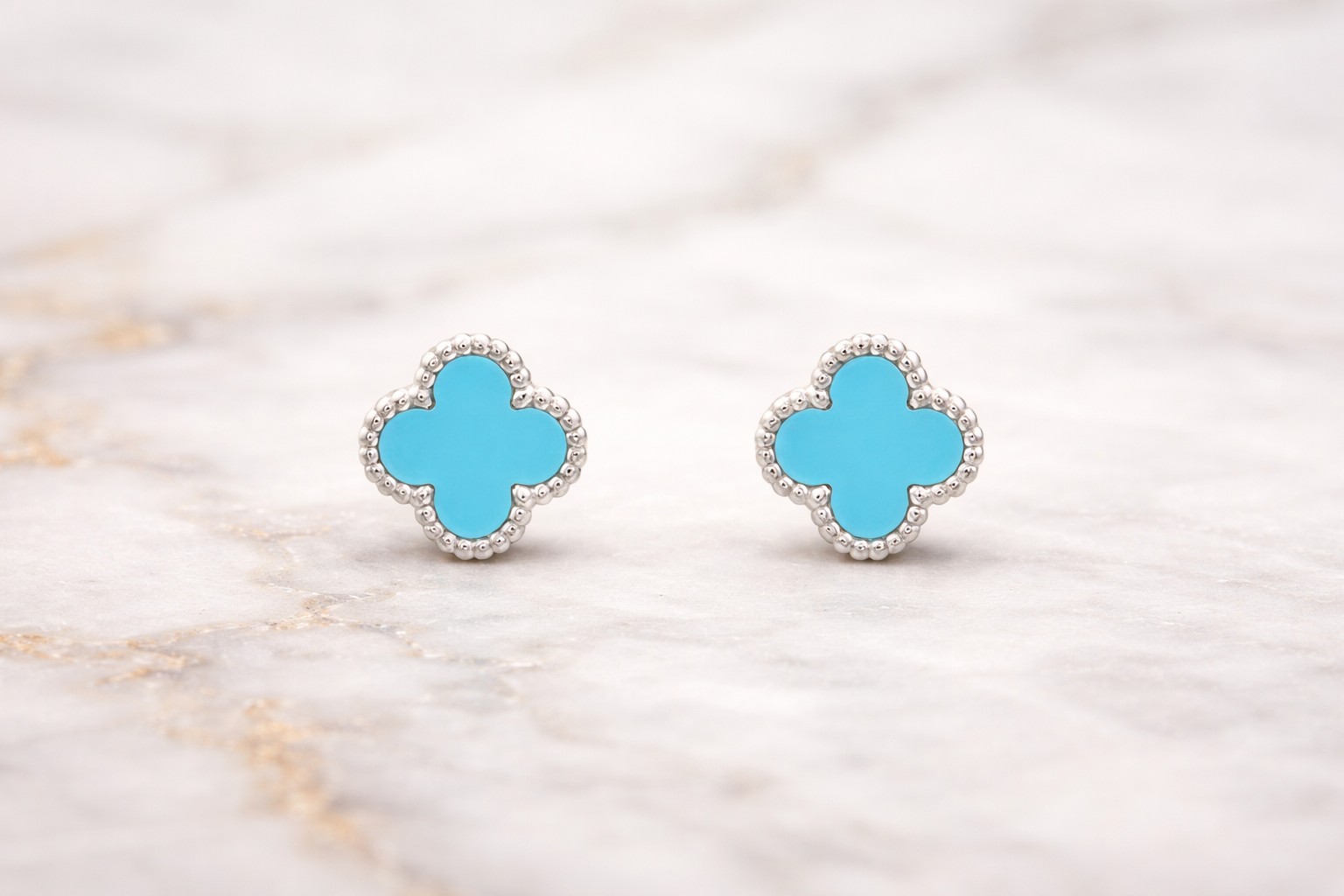
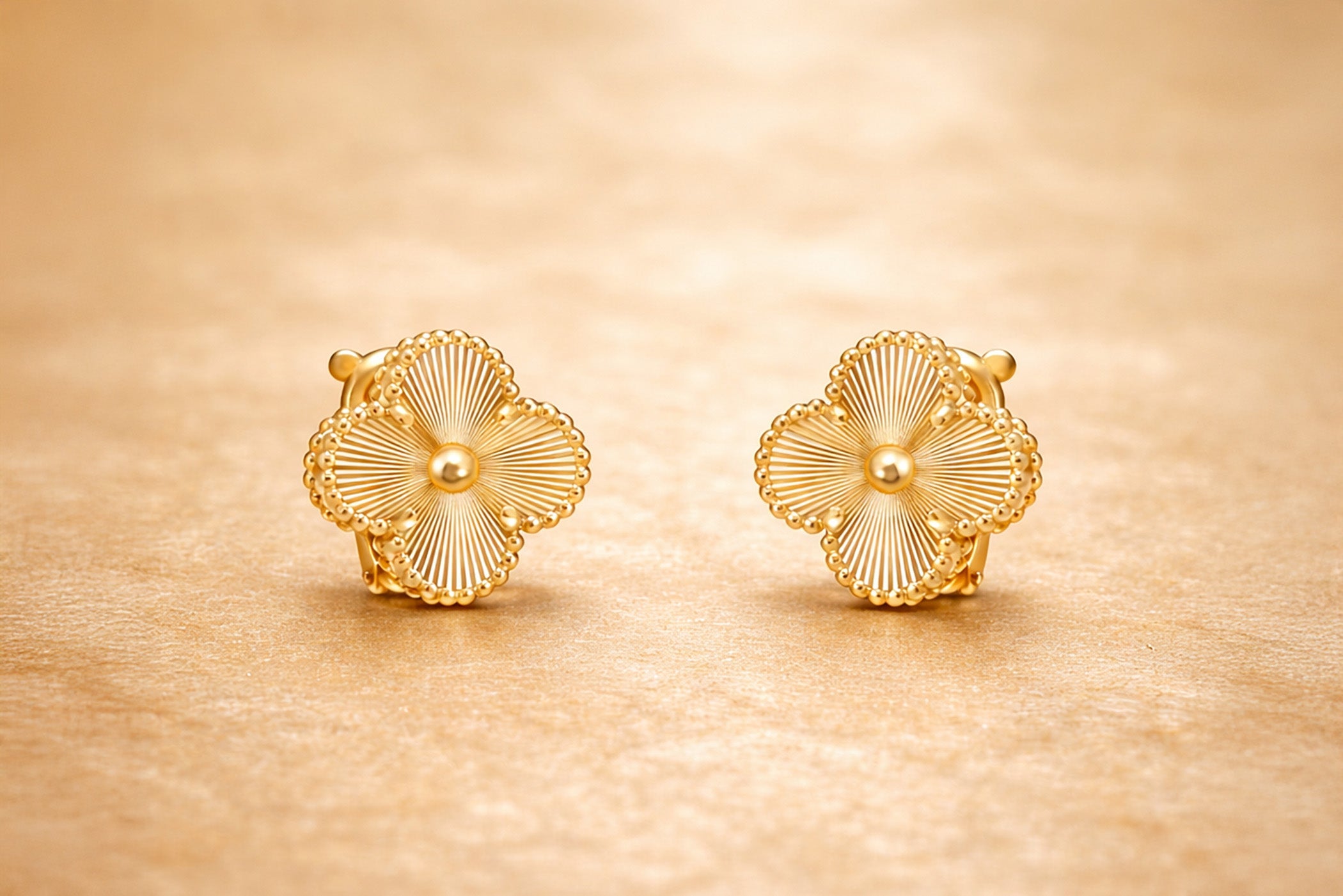
The beaded borders on Alhambra motifs add weight that counterfeits sometimes skip, flatten, or hollow out. We’ve seen plenty of pieces that look right at first glance, but the weight raises immediate concerns.
Solid 18k Gold Versus Plated Imitations
Van Cleef & Arpels uses 18k gold, marked AU750 or 750, meaning 75% pure gold. This gives a density around 15 to 16 g/cm³, and counterfeits have a hard time matching that without introducing other issues.
Gold-plated pieces often use brass or similar base metals, which can change the overall feel and weight. Even the small parts, like clasps and jump rings, are typically solid precious metal on genuine pieces.
We always check the VCA AU750 hallmarks alongside the weight. These marks should be deeply engraved with sharp edges, usually on the clasp tag for necklaces or inside the band for rings. Some fakes try to cheat by adding heavy metals for extra heft, but that can throw off balance, for example the motif feels oddly heavy while the chain feels too light.
Chains tell you a lot. Genuine chains use solid links that feel sturdy and don’t collapse when you pinch them. Counterfeit chains often use thin wire or hollow links to reduce cost.
Balancing Heft Across Collections
Different collections have their own weight profiles. Magic Alhambra pieces commonly come out heavier than Vintage because the designs and construction can use more metal and added decorative elements.
Stone choice also influences weight. Different stones have different densities, so a mother-of-pearl motif can weigh differently than onyx or carnelian, even if the gold setting is the same. What matters is whether the overall weight and balance make sense for that exact configuration.
When we authenticate pieces for consignment, we check that the weight’s distributed evenly across all parts. A genuine piece tends to drape with a balanced, smooth weight. Many counterfeits feel off, one side heavy, the other suspiciously light.
Sweet Alhambra is trickier since the pieces are smaller, but genuine pieces still feel dense for their size. A real Sweet Alhambra pendant at around 2.5 grams can feel more substantial than a counterfeit at around 1.5 grams, even if the difference is just a gram.
Iconic Van Cleef Collections: Signature Weights and Details
Each collection has its own typical weight patterns, shaped by design and materials. Knowing these helps spot red flags and keeps documentation tight for consignment.
Alhambra: Vintage, Magic, and Sweet Variations
Vintage Alhambra sets the classic weight profile. A single Vintage Alhambra pendant in 18k gold commonly lands around 4 to 6 grams, and the five-motif bracelet often sits around 13 to 16 grams depending on configuration. The beaded border contributes meaningful weight that counterfeits often fail to replicate accurately.
Magic Alhambra commonly trends heavier than Vintage because of construction and design elements that can require more metalwork. Many pendants land around 9 to 12 grams depending on version.
Sweet Alhambra is more delicate but still solid 18k gold. Pendants commonly land around 2.5 to 3.5 grams, while bracelets often land around 6 to 8 grams depending on chain length and configuration.
| Collection | Pendant Weight | 5-Motif Bracelet |
|---|---|---|
| Vintage Alhambra | About 4 to 6g | About 13 to 16g |
| Magic Alhambra | About 9 to 12g | About 18 to 22g |
| Sweet Alhambra | About 2.5 to 3.5g | About 6 to 8g |
Perlée and Mystery Set Weight Considerations
The Perlée collection uses rows of gold beads, adding weight differently than Alhambra’s clover shapes. A Perlée ring in 18k gold often lands around 3 to 5 grams depending on size and version, since the beaded texture can use more gold than a plain band. Perlée bracelets can vary widely by style and size.
Mystery Set pieces are among the brand’s most technical work. The invisible setting requires precisely cut stones and hidden metalwork. These pieces can weigh more than you’d expect because of the framework under the stones, but weight still varies by size, stone coverage, and design.
Necklaces, Bracelets, and Ring Variations
Necklaces vary a lot by chain length and motif count. For 20-motif long necklaces, weights can range broadly depending on length and stone type, often from around 40 grams into the 60-gram range for some versions.
Bracelet weights change with motif number and chain type. Diamond pavé pieces can also vary based on settings and components. Genuine clasps and tags add noticeable weight that some counterfeits underbuild.
Rings vary the most because finger size changes everything, and designs can range from simple bands to heavy stone-set pieces. For consignment, what matters most is documenting the exact weight and including hallmark and serial number photos.
Authentication Essentials: More Than Just Weight
Weight’s a great starting point, but to confirm a real Van Cleef & Arpels piece, you’ve got to check hallmarks, serial numbers, hardware, and gemstone quality. All these details work together, and counterfeits rarely get them all right.
Identifying Hallmarks and Engraving Quality
Every genuine piece has hallmarks showing metal purity. The AU750 mark (or 750) appears on 18k gold, while platinum is typically marked 950. These marks should be cleanly executed, consistent, and appropriately placed for the piece type.
The VCA signature sits with these marks, and the engraving quality tells you a lot. Genuine pieces tend to show consistent depth and precision. Counterfeits often have shallow, uneven, or off-center stamps that look added rather than integrated.
Location matters. On many necklaces, you’ll find hallmarks on the clasp tag or connecting ring. Rings have them inside the band, and earrings often show them on the clip or post area. We check that the engraving style matches across all marks, same depth, same sharpness.
Serial Numbers and Certificate of Authenticity
Van Cleef & Arpels engraves a unique serial number on each piece, usually near the hallmarks. The format can vary by collection and year, but the digits should look sharp, evenly spaced, and match the quality of the other marks.
Certificates may accompany new purchases and typically include identifying details. For pre-owned items, paperwork adds reassurance, though many genuine older pieces may be missing original documents. Lack of paperwork doesn’t automatically mean a piece is counterfeit.
Original boxes and packaging help too. Packaging has changed over time. Counterfeit packaging often shows inconsistencies, cheap materials, or printing that feels off.
Prong Settings and Clasp Styles
Van Cleef & Arpels uses refined settings to hold stones securely and maintain elegant proportions. Authentic prongs and settings look even, with smooth finishing and consistent symmetry.
Clasp styles change by model but are engineered precisely. Clasps should close with a solid, reliable action, never loose or gritty.
Counterfeit clasps often feel flimsy or sticky. The spring action lacks refined tension. We check that every moving part works smoothly and that the clasp weight feels appropriate for the piece.
Stone Quality and Inclusions
The brand is known for strict stone selection standards. Mother-of-pearl should present consistent luster and color. Onyx should look deep and uniform. Diamonds are evaluated on color, clarity, cut, and carat weight.
Natural inclusions can appear in genuine stones, but selection and finishing should still look high quality overall. Stones should sit flush, with no rattling or major gaps. Polish should be consistent and faceting, if present, should look clean.
Counterfeits often use incorrect materials, synthetics, or lower-grade stones the brand would not typically use. Cloudy mother-of-pearl, off-tone onyx, or visibly included diamonds are common red flags.
Maximizing Value in Van Cleef Consignment Through Accurate Weight
Weight matters a lot when consigning Van Cleef jewellery. Accurate documentation and expert verification can mean the difference between a fast sale at a great price, or a piece that just sits. The right marketplace and paperwork really make a difference.
Presentation and Documentation for Top Offers
Always include weight specs for every piece you’re consigning. We list exact weights in grams on appraisals and any available service records.
Photos should show the jewellery on a calibrated scale, ideally one that measures to 0.01 grams. This backs up your paperwork and gives buyers confidence, even before they see the piece.
A thorough documentation package includes:
- The original certificate, if available
- Current weight measured on a calibrated scale
- Clear photos of the piece on the scale
- Service history for any repairs or changes
- Original packaging and accessories
If the weight you list doesn’t match the actual weight, buyers get suspicious right away. If a necklace weighs less than expected, people may assume parts were replaced or repaired. We always check current weight against reasonable expectations for that model and configuration before listing.
Transparency pays off in the secondary market. List exact weights, down to the hundredth of a gram for high-value pieces. Serious buyers notice this kind of detail.
Working with Expert Gemologists
Independent gemologists can verify your piece and protect both you and buyers. They’ll weigh it on certified scales and issue an official appraisal that many resale channels trust.
We work with gemologists who have recognized credentials and experience with estate jewellery. They understand how pieces are built and can spot if a stone or setting was swapped.
A strong report should show total weight, metal weight when applicable, and stone details for diamond or colored gem pieces. This breakdown matters, because value can hinge on gemstone specifics, not just total piece weight.
Expect appraisal costs to vary based on complexity, and keep in mind that credible third-party documentation often supports stronger offers, especially when original paperwork is missing.
Gemologists can also spot replaced clasps or jump rings that change weight. Even small changes can raise buyer concerns later if not disclosed up front.
Marketplace Preferences: Auction Houses, Curated Platforms, and More
Different platforms want different documentation. Many major auction houses and curated luxury resale platforms prefer professional appraisals and exact weights for high-value pieces.
Many high-end marketplaces expect full specs, including weight, in every listing. Leave it out, and buyers either skip your listing or send low offers.
Platform requirements for weight documentation:
| Platform | Weight Documentation | Additional Requirements |
|---|---|---|
| Major auction houses | Professional appraisal often required | Provenance preferred |
| Curated luxury marketplaces | Exact weight in listing | Professional photos required |
| Luxury consignment | Certificate or new appraisal | Original packaging valued |
| Private sales | Varies by buyer | More flexible, but often lower prices |
Collectors and investors care most about precise weights. They may cross-check against authenticated examples and known specifications for similar models.
Some local shops may be more flexible, but sellers often leave meaningful value on the table without detailed documentation. The secondary market rewards sellers who provide the details up front.
Best Practices for Sellers and Buyers
Authenticating before consignment and keeping solid documentation helps avoid disputes and supports resale value. Original packaging and independent authentication reports can make the process smoother for both sides.
How to Authenticate Van Cleef Before Consignment
Start with the hallmarks and signatures. Genuine pieces typically have “VCA,” a serial number, and metal purity marks (750 for 18k gold, 950 for platinum). The engraving should be clean and consistent.
Craftsmanship is a key indicator. Specialty techniques like Mystery Set are difficult to replicate well. Check stones closely, finishing consistency, symmetry, and overall refinement.
For sellers, professional authentication before listing adds trust. Some consignment shops do in-house checks, but independent verification carries more weight. Weight disclosure matters even more when paired with authentication, because it supports consistency with what the model and configuration should plausibly be.
Navigating Disputes and Third-Party Opinions
If there’s a weight dispute, an independent gem lab or qualified gemologist can provide neutral answers. They can verify both authenticity indicators and weight.
Keep records. Photograph your pieces on calibrated scales and date the measurements. If a buyer questions weight later, you’ve got proof of what was disclosed.
Buyers worried about accuracy should request a condition report from an independent appraiser before purchase. Most reputable sellers are fine with this. If not, be wary. Disputes usually resolve quickly if both sides agree to use the same trusted expert instead of dueling opinions.
The Value of Original Packaging and Documentation
Original boxes, certificates, and receipts can add value on the resale market, especially for sought-after pieces. Packaging is distinctive and tends to include branded boxes and accompanying documents.
We always tell sellers to dig for these materials before listing. Check storage boxes, safety deposit boxes, and ask family. Original packaging supports authenticity and provenance.
If you don’t have the originals, create a detailed provenance file. Include receipts from reputable jewelers, service records, and any appraisals. While it’s not quite the same as factory documentation, this paper trail shows the piece’s history and your transparency. Insurance appraisals listing weights and measurements are especially helpful when certificates are missing.
Frequently Asked Questions
Weight disclosure impacts authentication, pricing, insurance, and even legal protection in the Van Cleef resale world. Knowing how all this works helps both consignors and buyers navigate the process.
How does the weight of a Van Cleef piece impact its resale value and marketability?
Weight supports material-value calculations and can help flag authenticity concerns when it’s clearly outside a plausible range for that model and configuration.
A Sweet Alhambra bracelet that weighs a lot less than expected for its configuration is a warning sign, possibly lightweight materials, repairs, or authenticity issues. Listings with accurate weights tend to sell faster because buyers get a concrete checkpoint early.
Heavier pieces can command higher prices due to more precious metal, but pricing ultimately depends on model, materials, condition, and demand. When weight aligns with what’s reasonable for the piece, buyers feel more confident.
What are the risks of underestimating the weight when listing Van Cleef items for consignment?
Listing an inaccurate weight can trigger suspicion and lead to canceled deals and a hit to your reputation.
Insurance can also get messy if documented specs don’t match the item. If the insured details are off, it can complicate valuations and claims.
Appraisals rely on accurate measurements. If weight is wrong at the start, the error can carry through the whole consignment process and affect pricing and documentation quality.
Why is precision in weight critical for maintaining Van Cleef's reputation among high-end buyers?
High-end buyers expect detailed documentation that reflects the standards associated with luxury jewellery. Accurate weight signals professionalism and care, and it supports confidence in the listing.
Sophisticated buyers often compare weights to authenticated examples of similar models and configurations. When we list gram-accurate weights, it signals expertise and transparency.
Collectors share information about what seems normal for various pieces. Inaccurate listings hurt credibility and can cast doubt on authentication practices.
In what ways does accurate weight disclosure influence insurance and appraisal processes for Van Cleef jewellery?
Insurance valuations often incorporate material value, and weight is a key input for that baseline.
Appraisers use weight as a checkpoint alongside hallmarks, serials, and craftsmanship. We include calibrated scale measurements because weight helps confirm materials and can help flag counterfeits.
For claims, listed specs should match the actual item. If there’s a major gap between documented and actual weight, it can complicate verification and replacement-value assessments.
Can you walk us through the best practices for documenting weight in Van Cleef consignment listings?
Use calibrated jewellery scales accurate to 0.01 grams. Digital scales should be checked regularly against certified test weights.
Documentation should show total weight and, if possible, note whether it includes clasps or extenders. For multi-part pieces, record both overall and individual component weights when practical.
Take photos of the piece on the scale. Visual proof helps. Keep those records with consignment documents in case buyers, platforms, or insurers ask questions later.
Cross-check measured weight against reasonable expectations for that collection and configuration. If it’s outside a plausible range, investigate before listing so you represent the piece accurately.
What potential legal implications could arise from inaccurate weight listings in the Van Cleef resale market?
Misrepresentation claims can arise when listed specs don't match what buyers actually receive. If someone buys a piece expecting a certain material profile because of the stated weight, and it’s clearly lighter, they may claim they were misled and try to unwind the deal.
Consumer protection laws in many places require honest product descriptions. If sellers knowingly publish incorrect weights, they can expose themselves to legal risk, especially with high-value goods.
Sometimes, authentication services won’t certify a piece if the weight doesn’t line up with other indicators, which can create problems for platforms and sellers if the listing relied on inaccurate information.
Professional sellers can face greater scrutiny. Repeated inaccuracies may lead to complaints, financial penalties, or other enforcement depending on local regulations.
Love Hermès? See More from Rome Station
Add us to your Preferred Sources on Google to see our newest Hermès guides and insider tips first.