
When to Use Professional Restoration for Your Chanel Bag
Check out our Chanel collection!
Owning a Chanel bag is like holding a piece of fashion history in your hands. But let's face it, no matter how careful you are, even the most pampered luxury handbags eventually show their age.
We all want our favorite accessories to look amazing, but figuring out when to call in the pros versus tackling minor fixes ourselves? That's a bit of a puzzle.
Professional restoration really comes into play when your Chanel bag suffers from deep scratches, structural problems, hardware tarnish, stubborn stains, or worn leather, basically, anything you can't handle at home.
Luxury bags are designed to last, but they're not invincible. Daily wear, weather, and just the passage of time can do a number on them. Sure, regular cleaning and gentle care go a long way, but sometimes, only expert hands and tools will do the trick.
If you want your Chanel bag to keep its looks, and its value, knowing when to invest in professional help is key. Cutting corners or ignoring early signs of trouble can leave you with regrets.
So, here's a guide to help you spot when it's time to trust your luxury investment to the experts.
Key Takeaways
- Professional restoration handles structural damage, hardware issues, and material deterioration you can't fix at home
- Qualified specialists who know Chanel's materials and construction methods protect your bag's value and authenticity
- Mixing regular professional maintenance with good daily care keeps your Chanel bag beautiful for longer
Key Signs Your Chanel Bag Needs Professional Restoration
Spotting the right moment to get expert help can save your Chanel from lasting damage and keep its value intact. Here are some clear signs that say, "No more DIY, call the pros."
Visible Scratches, Scuffs, and Surface Damage
Surface wear usually shows up first. Lambskin gets scratched easily; caviar leather tends to scuff around the corners and bottom.
Common surface damage:
- White piping showing at the corners
- Dull or patchy leather
- Scratches that go beyond the top layer
- Grime buildup making the bag look oddly shiny
If you can see scratches from a regular distance, or the protective finish is gone, it's time for professional care. Lambskin especially needs color matching and refinishing to keep that buttery feel. Getting corners fixed early (usually starting around £40) stops little problems from turning into big, expensive ones.
Deep Stains and Discolouration
Stains that sink below the surface, think ink, dye from jeans, spilled drinks, even mold, need pro-level cleaning. Basic surface wipes won't cut it.
Specialists use cleaners that pull out stains while leaving the leather's finish alone. Caviar leather, especially the unfinished kind, is tricky, removing stains without ruining the texture or sparkle takes real skill.
Mold? That's a straight-to-the-experts situation. Besides looking gross, it stinks and can permanently discolor the leather if you wait too long. Professionals can kill the spores, fix the smell, and treat any color loss.
Structural Issues and Lining Tears
When the bag's structure or lining goes, so does its function. Sticky, flaking linings are a common headache.
Serious structural problems:
- Torn or peeling lining
- Bag losing its shape or sagging
- Seams or stitches coming apart
- Weak handles or straps
Pros can strip and re-dye linings without swapping out the original fabric, keeping things authentic. Trying to fix these issues yourself usually makes them worse, and might tank your bag's resale value.
Tarnished or Damaged Hardware
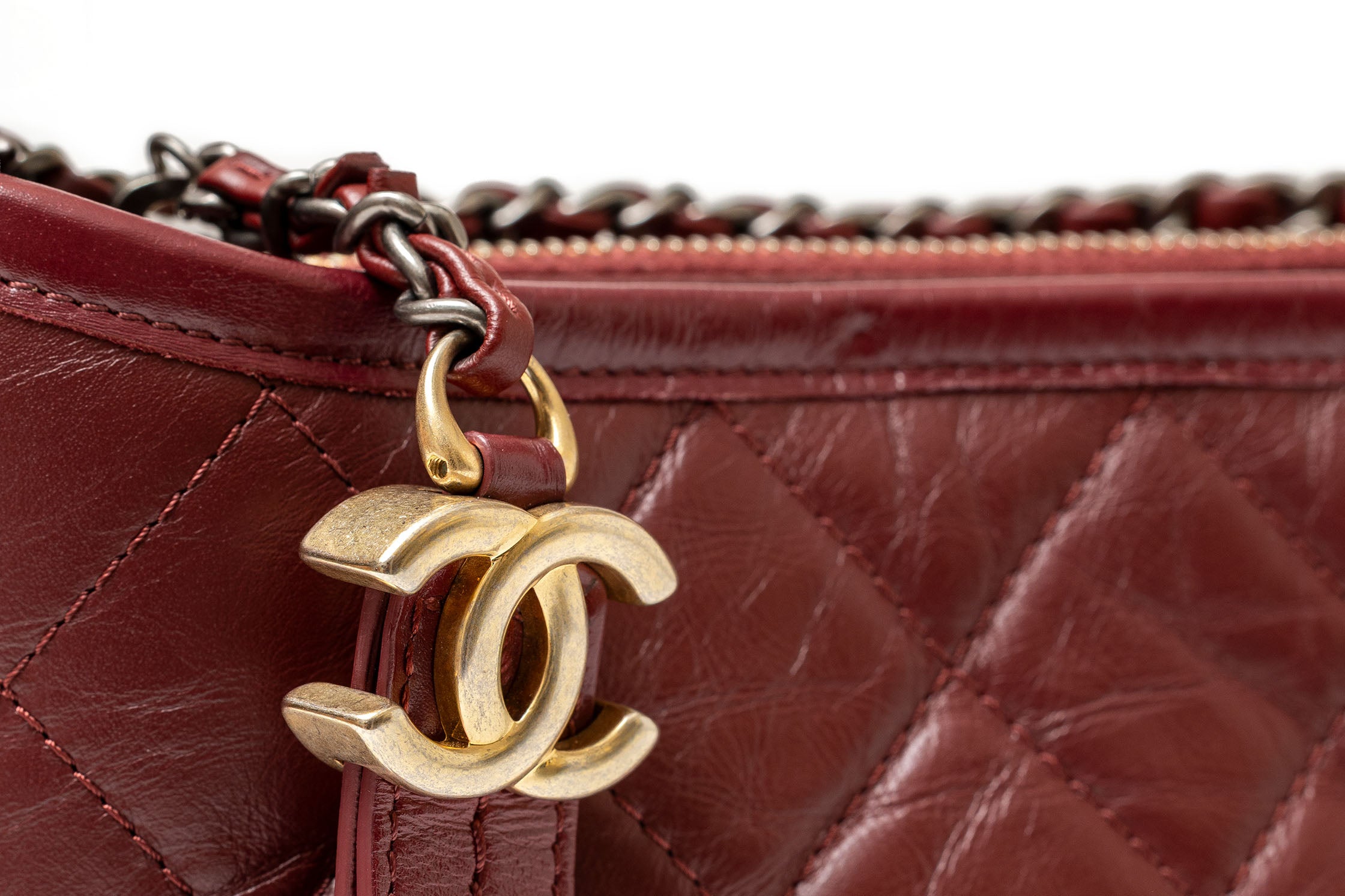
Chanel's hardware is iconic. If chains are tarnished, logos scratched, or clasps busted, the whole look suffers.
Experts restore hardware using techniques and materials that match Chanel's original finishes. Hardware issues often go hand in hand with other wear, so a full restoration is often smarter (and more cost-effective) than piecemeal fixes. Take care of your hardware, but if tarnish or damage stands out, let a professional handle it.
Understanding Chanel Bag Materials and Care Challenges
Every Chanel material needs its own care routine. Knowing the differences helps you figure out when it's time to call in the experts. Different leathers and fabrics react differently to wear, weather, and cleaning.
Lambskin, Caviar, and Calfskin Leather
Lambskin is the most delicate, soft as butter, but scratches at the slightest provocation, especially near the corners and hardware. Sometimes gentle rubbing helps with surface marks, but deeper scratches? That's pro territory.
Caviar leather is tougher, thanks to its pebbled texture. It hides small scratches better, but isn't bulletproof, color transfer, tarnish, and structural issues can still pop up.
Calfskin is the middle ground: smoother than caviar, a bit tougher than lambskin. Still, harsh cleaners can strip its oils or mess up the finish, so go easy.
Soft cloths and proper storage help all three, but knowing when home care isn't enough saves your bag from lasting harm.
Suede, Tweed, and Fabric Bags
Suede is tough to clean. Liquids can leave permanent stains, and dirt gets deep into the fibers. Without the right brushes and techniques, you'll just make things worse. Water damage on suede almost always needs a professional.
Tweed bags are classic Chanel, but the fabric snags, frays, and soaks up oils from your hands. You can't just wipe them like leather, moisture can warp the fabric or mess with the color. DIY stain removal on designer fabric? Usually a mistake.
These materials need special cleaners that won't wreck them. Home fixes are risky, especially for vintage pieces where the fabric's already fragile.
Patent, Exotic, and Vintage Pieces
Patent leather is a different beast. It gets sticky, attracts color transfer, and the glossy coating can crack if you use the wrong stuff. Removing dye from light patent leather is definitely a job for the pros.
Exotic leathers (python, alligator, stingray, and so on) need specialized care. Each type has its own quirks, different scales, moisture needs, everything. These bags are valuable, so expert handling is a must.
Vintage bags? They're a whole other challenge. Materials age, stitching dries out, hardware might not even be made anymore. You need someone who knows how to source the right parts and use restoration techniques that keep things authentic.
What Professional Restoration Services Offer
Professional restoration goes way beyond a quick clean. We're talking leather reconditioning, color matching, hardware replacement, the works. These jobs take pro-grade materials and serious experience.
Leather Restoration and Reconditioning
Pros tackle damage that home remedies can't touch. They check the leather, then use treatments just for Chanel's lambskin, caviar, or calfskin.
Usually, it starts with a deep clean using leather-safe cleaners that remove dirt but leave the oils. Then they condition the leather to keep it soft and prevent cracks. For bigger problems, they fix scratches, scuffs, and worn corners with filling, buffing, and refinishing.
They also fix loose stitches, sagging corners, and frayed edges, jobs that need a light touch to keep the bag's shape. Professional conditioning gets deeper than anything you can buy and adds protective finishes for longer life.
Colour Renewal and Refinishing
Color restoration brings faded or stained bags back to life. Pros use advanced dyeing techniques to match Chanel's original colors.
They carefully strip damaged surface coats, then layer on new color in thin, even coats. Custom dyes are mixed to match your bag, whether it's classic black, beige, or something seasonal. This keeps things even and avoids the patchy look you get from DIY jobs.
Refinishing also fixes color transfer, water stains, and sun damage. They can even out the color across the whole bag without messing up the leather's texture.
Hardware Polishing and Replacement
Restoring hardware means bringing back the shine to chains, clasps, and logos. Some pieces just need polishing; others need a full replacement.
Specialists use jewelry-grade tools to remove tarnish and restore luster to gold or silver hardware. If something's beyond saving, they hunt down authentic Chanel parts, chains, turnlocks, zippers, decorative bits.
They also fix sticky clasps, loose screws, and worn chain links. Good hardware restoration keeps your bag authentic and valuable, and makes sure everything works like it should.
When DIY Is Not Enough: Home Care Versus Expert Intervention
Basic maintenance keeps your Chanel looking good between pro visits, but some situations are just out of reach for home care. Knowing where to draw the line protects your bag's value and structure.
Surface Cleaning and Spot Care
You can handle some light cleaning at home. A clean microfiber cloth is great for dusting, and keeping your bag in its dust bag wards off grime. For fresh, non-oily marks, a barely damp microfiber cloth can help, just don't soak it.
Spot cleaning needs a gentle touch. Water-based marks on lambskin sometimes come out with a little blotting, but never rub or scrub. The trick is to act fast, use as little moisture as possible, and let it air dry away from heat.
If a spot doesn't budge with these gentle steps, it's time to call in a professional. Oil stains, ink, color transfer, and watermarks all go deeper than you can reach at home.
Risks of DIY Fixes on Luxury Leather
Generic leather cleaners can ruin Chanel bags. They might have the wrong pH, harsh solvents, or conditioners that strip the finish. Even so-called "luxury" products can mess up lambskin or change the color.
We've seen people try baby wipes, alcohol, or household cleaners, only to end up with dull spots or faded color. Chanel leather just reacts differently, it's been treated in unique ways at the factory.
DIY fixes like gluing loose edges, coloring worn corners with markers, or slathering on conditioner usually make things worse. Sometimes they look okay at first, but then the damage shows up later, and even pros struggle to undo it. Fixing DIY mistakes often costs more than the original repair would have.
Recognizing Professional-Only Repairs
Hardware problems? That's always a pro job. Tarnished chains, stiff clasps, or wobbly logos need metalwork and know-how specific to Chanel. Polishing at home can scratch or ruin plating.
Loose stitches, split seams, or sagging shape mean there are internal issues only specialists can handle. They have to match Chanel's thread, stitching patterns, and tension.
Color restoration, deep stains, big scuffs, and damaged edges or corners? Leave those to the professionals. These repairs need color matching, leather filling, and finishing only experts can pull off.
Choosing the Right Restoration Specialist
Finding the right specialist takes some homework. Look for experience with luxury brands, check their track record, and get a feel for their process.
Expertise With Chanel and Other Luxury Brands
Not every leather repair shop can handle Chanel. Lambskin and caviar need specific techniques, it's not the same as fixing regular leather.
Look for specialists who actually mention Chanel in their portfolio and show before-and-after photos of their work on real Chanel bags. They should know the different finishes, from matte caviar to shiny lambskin, and be able to match colors exactly.
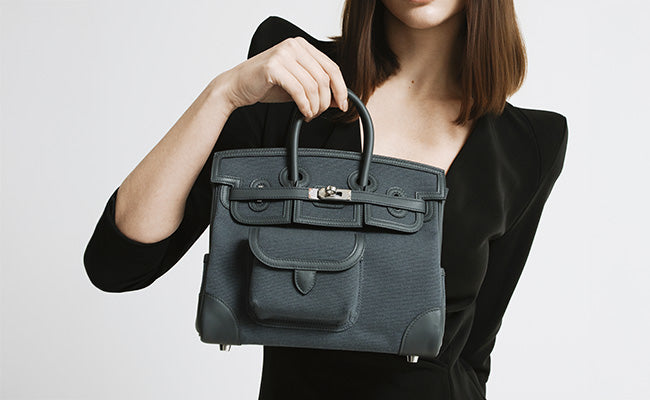
Experience with other luxury brands helps too. If someone restores Hermès Birkins, that's a good sign, they know how to handle top-tier materials and construction. These brands share high standards and delicate finishes.
Ask about their training and how long they've worked on luxury handbags. Generic leather repair doesn't cut it. It's worth asking about their color-matching process and whether they can preserve special finishes like pearlescent or sparkly effects.
Notable Names: Rago Brothers, Leather Surgeons, The Handbag Spa
Some specialists have really made a name for themselves in Chanel restoration. Rago Brothers out in New York have been at it for decades, handling all sorts of luxury handbags and working with plenty of high-end boutiques. Leather Surgeons operates in major cities and focuses on luxury bag services, including quite a few Chanel-specific treatments.
The Handbag Spa over in the UK has more than 20 years under its belt with Chanel bags, think Classic Quilted Flap and Boy bags. They even offer free courier collection and return within the UK, which honestly just makes the whole process a lot less of a hassle.
Most of these pros show off their work online with detailed before-and-after case studies. It’s worth browsing their portfolios to see if they’ve tackled the same issues your bag has, corner wear, lining trouble, color fading, the usual suspects.
If you’ve got a local specialist, don’t write them off, but do check that they’ve got real experience with luxury brands. Ask for references, especially from folks who’ve trusted them with their Chanel or Hermès bags.
What to Expect: Process, Guarantees, and Turnaround
Generally, the process starts with a chat or email about your bag’s condition. They’ll send you a quote that breaks down the treatments, cleaning, color work, hardware repair, whatever’s needed.
Here’s what most reputable services offer:
- Free assessment with photos and treatment suggestions
- Itemized quotes so you know what you’re paying for
- Progress updates as they work on your bag
- Return shipping or delivery options
Turnaround times are all over the place. The Handbag Spa promises most jobs are done in about two weeks, but others might need four to six weeks, especially if they’re slammed.
Definitely ask about their guarantees. Good specialists stand by their work and will fix problems that pop up right after restoration. Get clear info about what happens if you’re not happy with the results.
Prices depend on who’s working on your bag and what shape it’s in. More complicated stuff, like color restoration or fixing major structure, costs more than a basic clean. Corner repairs usually start around £40, but a full restoration? That can run into the hundreds, pounds or dollars, depending.
Caring for Your Chanel Bag Between Restorations
Between professional treatments, a little daily care goes a long way. It keeps your bag looking good and means you won’t need another restoration any time soon. Consistent habits really do prevent small problems from blowing up into big, expensive ones.
Proper Storage and Routine Habits
Honestly, just keep your Chanel in its original dust bag when you’re not using it. That shields the leather from dust, light, and humidity, which can mess with the materials over time.
Stuff the bag with acid-free tissue paper to help it hold its shape. Don’t use newspaper, ink transfers are a nightmare. Store it upright in a cool, dry closet, away from sunlight and heat.
After each use, wipe the bag with a soft, dry microfiber cloth. It’s a simple step, but it gets rid of oils and dirt before they sink in. For lambskin, use gentle circular motions to help keep marks at bay.
Don’t hang your Chanel by its chain strap. That just stretches the hardware and can mess up the structure. Lay it flat or keep it upright.
Avoiding Future Damage: Prevention Tips
Never put your luxury bag on the floor or sketchy surfaces, stains and germs are just waiting. Honestly, a lot of the damage that ends up needing pro help comes from habits like that.
Rotate between bags if you can. Letting each one rest gives the leather a chance to breathe and bounce back, which helps them last longer.
Keep your Chanel away from water, perfumes, cosmetics, and hand sanitizers. Those things can leave permanent marks, especially on lambskin and caviar leathers. Put on any beauty products before you grab your bag, and let them dry first.
Don’t overstuff your bag. Overloading stresses seams and hardware, and if it’s vintage, the leather might already be a bit fragile.
Maintaining Value for Resale and Collectability
Keep all your paperwork, receipt, authenticity cards, dust bag, box. These add real value if you ever want to sell, and they help prove your bag’s the real deal.
If you spot a small issue, sort it out right away. A tiny scuff is much easier (and cheaper) to fix than a big repair after months of neglect. Once damage gets out of hand, full color restoration or structural repair gets pricey and complicated.
Even if your bag looks fine, a professional cleaning every 12 to 18 months keeps it looking sharp. It takes care of oils and dirt you might not notice, so your Chanel stays fresh for longer.
Keep a record of all the professional work done. Future buyers like to see a service history, think of it like car maintenance records. It shows you’ve taken care of your bag and helps justify a premium price.
Frequently Asked Questions
A lot of Chanel owners have questions about restoration, what it costs, what’s involved, and whether it’s really worth it. Here are some of the things people ask most often when they’re thinking about handing over their bag to a pro.
Is it truly necessary to go the professional route for refinishing my Chanel bag's hardware?
Honestly, yes. Hardware refinishing needs special equipment and plating materials you just can’t get at home. If your chain strap’s lost its shine or the CC turn-lock is looking dull, a pro can bring back that original finish with the right metal treatments.
Trying to DIY with metal polish is risky, it can strip off protective coatings or leave the surface uneven. Professionals know exactly what type of plating your hardware needs, whether it’s gold, silver, or ruthenium, so the results actually look right.
It’s not cheap, but professional hardware refinishing can add years to your bag’s life and help keep its resale value high.
How often should luxury handbags like Chanel receive a professional restoration touch-up?
Most Chanel bags do well with a pro cleaning and conditioning every 12 to 18 months if you use them regularly. If you’re not using a bag much, you can probably stretch it to 24 months or even longer.
If you carry your bag daily, especially in humid or urban areas, you might need yearly treatments. But honestly, just keep an eye out for signs, dry leather, fading color, dull hardware, rather than sticking to a strict calendar.
Lambskin bags usually need more frequent attention than caviar leather styles. They’re just more delicate.
What are the telltale signs that my Chanel needs more than just DIY care?
If you see exposed piping at the corners, that’s a sign of real wear and needs a professional fix. Once the white piping is showing, home remedies won’t cut it.
Color transfer from jeans or other fabrics that won’t come off with gentle cleaning? That’s a job for a pro. If the lining feels sticky or is flaking, it probably needs to be stripped and re-dyed, definitely not a DIY project.
Deep scratches, mold, or any structural damage to straps or seams all call for professional help.
Could you recommend the type of professional treatments suited for preserving a Chanel bag's long-term value?
Full color restoration is great for keeping the bag looking even and stopping fading from ruining its value. It’s especially good if your bag’s seen a lot of use.
Pro cleaning services, inside and out, remove dirt and oils that slowly break down leather. If you add a protective finish, that helps keep new damage at bay.
Getting corners and handles touched up before the damage gets bad is way cheaper than waiting for a big restoration. Preventative stuff almost always saves money in the long run.
Where can I find reputable restoration services that specialize in high-end accessories?
Look for specialists who’ve worked on Chanel bags specifically, not just any leather goods. The Handbag Spa in the UK, for example, has 20 years of Chanel experience.
Check out their before-and-after photos, make sure they’ve worked on the same style as yours, like Classic Flaps, Boy bags, or GSTs. Customer reviews from other luxury bag owners can tell you a lot about their quality and attention to detail.
Many top services offer free collection and return shipping, so you don’t have to be local. If a service can’t show you actual Chanel restorations they’ve done, I’d probably steer clear.
What should I expect to invest when considering professional restoration for a Chanel classic flap?
Corner repairs usually start at about £40 per corner, so if your bag just needs a little touch-up, that's not too painful. For a full cleaning and conditioning, you're looking at anywhere from £150 to £300, depending on how big your bag is and how much love it needs.
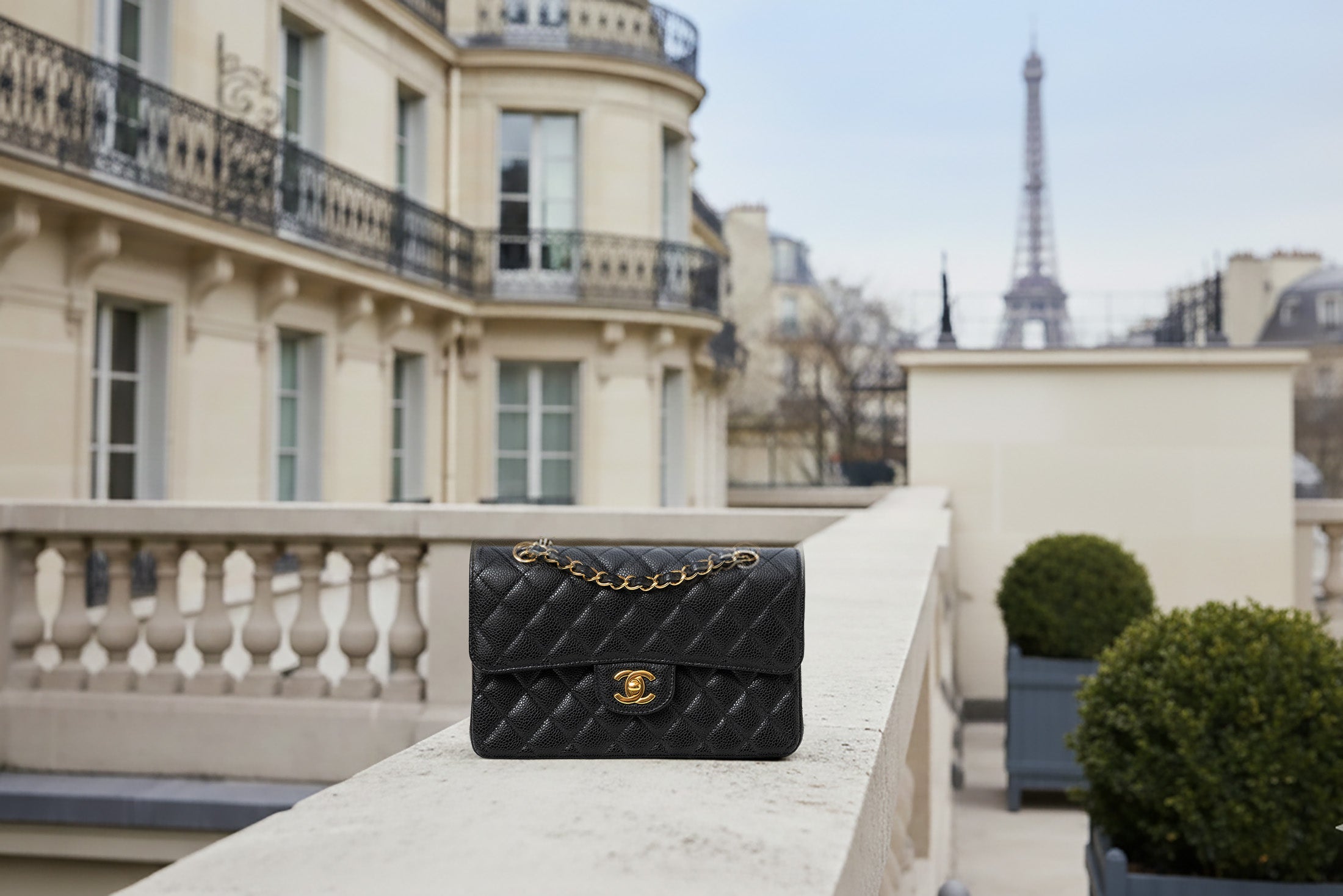
If your Classic Flap needs a complete colour restoration with refinishing, brace yourself for a bill between £400 and £800. Want to fix up or totally redo the interior lining? That'll tack on another £200 to £500.
Hardware refinishing is a bit all over the place, if your clasps or chains are pretty tarnished, expect to pay anywhere from £100 to £300, depending on how much needs fixing. Still, all these costs come in way under the price of a new Chanel bag, which, honestly, now starts at a wild £7,000 to £10,000 (or more!) for the Classic Flap.