
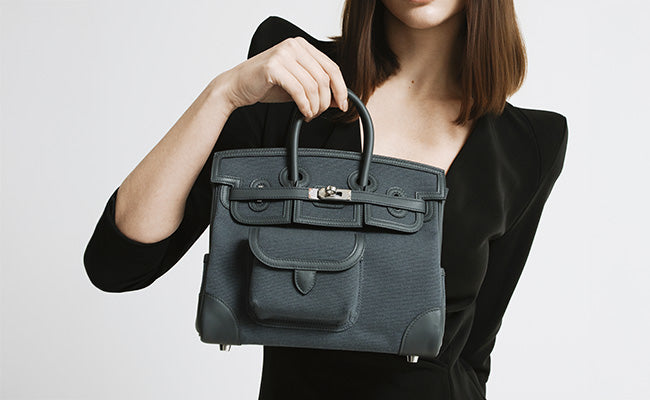


What to Know Before Selling a Kelly Bag Through a Resale Boutique
TL;DR
Selling a Kelly bag through a luxury resale boutique requires more than choosing an asking price. The bag’s condition, size, leather, colour, construction, hardware, accessories, and provenance all influence buyer interest and the offer you may receive. Sellers must also choose between consignment, which may provide greater upside but requires patience, and a direct buyout, which prioritizes speed and certainty. Before submitting your bag, gather its original accessories and purchase records, document every area of wear, and work with a specialist that can authenticate, present, insure, and market the bag appropriately. A well-prepared Kelly with transparent condition details and realistic market pricing is better positioned to attract qualified buyers.
Check out our Hermès collection and Birkin bags!
Selling a Kelly bag is not as simple as dropping it off and waiting for payment. Buyers in the luxury resale market expect careful authentication, detailed condition reporting, accurate pricing, and clear information about what is included with the bag. How a boutique handles these steps can shape both the selling experience and the final result.
Whether you are considering a direct buyout or consignment, preparation matters. The right resale partner should understand how size, leather, construction, colour, hardware, condition, and completeness affect demand for a Hermès Kelly. This guide explains what influences resale value, how boutique selling models differ, what documentation builds confidence, and how to prepare your bag for a credible market evaluation.
Key Takeaways
- Condition, authenticity, configuration, and original accessories are central to buyer confidence and resale positioning.
- Consignment may offer more upside, while a direct buyout provides greater speed and certainty.
- Clear documentation, honest condition reporting, and specialist market knowledge can make the selling process smoother.
Featured Products


Key Factors That Influence Kelly Bag Resale Value
A Kelly bag’s resale value is shaped by several connected factors rather than one feature alone. Condition often has the most immediate effect, but size, leather, colour, construction, hardware, rarity, and completeness can all strengthen or limit buyer demand.
Condition, Wear, and Original Accessories
Condition is one of the biggest factors in Kelly bag pricing. Buyers examine the corners, handles, glazing, hardware, interior, base, and overall structure for scratches, discoloration, scuffing, patina, marks, or loss of shape. A bag with crisp edges, a clean interior, and minimal handling will generally attract broader interest than one with visible wear.
Wear does not automatically prevent a sale, but it must be described honestly. Light hardware scratches, softened structure, handle darkening, corner wear, interior marks, or previous restoration can influence the evaluation. Clear disclosure allows a boutique to position the bag accurately and reduces the risk of buyer concerns later.
Original accessories also support presentation and provenance. A dust bag, box, clochette, lock, keys, strap where applicable, rain cover, care materials, and purchase receipt can make a listing feel more complete. Missing accessories may narrow the audience, particularly for rare or collector-focused bags, but a reputable boutique can still assess and sell a bag without a full set.
Material and Colour
Leather and colour strongly influence how easily a Kelly fits current buyer preferences. Durable, recognizable Hermès leathers such as Togo and Epsom often appeal to buyers seeking practicality and structure. Box calf, Swift, Clemence, and other materials each have their own visual character, handling qualities, and condition considerations.
Neutral colours such as Black, Gold, Etoupe, and other versatile shades tend to attract a wide audience. Pastels and seasonal colours can also perform well when paired with a desirable size, leather, and hardware combination. Bright or more specific shades may require targeted marketing because demand depends on personal taste and available inventory.
Exotic materials can attract significant interest, but value depends on condition, colour, age, documentation, and demand. Their sale may also involve shipping or regulatory considerations, making specialist handling important.
Size and Construction
Size affects both wearability and collectability. Smaller Kelly sizes are often sought after for their compact proportions, while larger models appeal to buyers who prioritize function and capacity. Demand changes over time, so a boutique should compare the bag with recent sales of similar configurations rather than relying on a general rule.
Construction also matters. Sellier Kelly bags have a defined, structured profile with sharper edges, while Retourne styles have a softer, more relaxed appearance. Neither construction is universally better, but each attracts a different buyer. The strongest resale positioning usually comes from the full configuration, including size, leather, colour, hardware, age, and condition.
Rare Features, Special Orders, and Limited Editions
Special orders, unusual hardware, discontinued leathers, distinctive colour combinations, and limited editions may attract collectors. However, rarity alone does not guarantee stronger resale performance. The design must also appeal to the current market.
For rare bags, provenance becomes more important. Original purchase records, documented service history, and accurate production details can help a boutique explain why the bag is distinctive. Unsupported claims about rarity or future value should be avoided. A credible listing focuses on verifiable features rather than speculation.
Consignment Versus a Direct Buyout
Most specialist boutiques offer two primary ways to sell a Kelly bag: consignment or a direct buyout. The right option depends on whether the seller values potential upside, immediate liquidity, control, or certainty.
How Consignment Works
With consignment, the seller keeps ownership of the bag while the boutique authenticates, photographs, prices, markets, and stores it. Payment is issued after the bag sells and the transaction is completed according to the consignment agreement.
Consignment may allow the boutique to wait for the right buyer and present the bag at a market-supported retail price. The tradeoff is time. A bag may sell quickly, or it may require price adjustments and extended exposure before the right buyer appears. Sellers should review the commission structure, listing term, price-reduction policy, insurance coverage, return conditions, and payout process before signing an agreement.
How a Direct Buyout Works
A direct buyout is more straightforward. The boutique evaluates the bag and makes an offer to purchase it. Once the bag passes physical inspection and the seller accepts the final offer, ownership transfers to the boutique.
The offer is generally lower than the expected resale price because the boutique assumes the costs and risks of authentication, storage, marketing, returns, and market changes. In exchange, the seller gains certainty without waiting for an end buyer.
Choosing the Right Selling Model
| Consideration | Consignment | Direct Buyout |
|---|---|---|
| Payment | After the bag sells and the transaction is completed | After inspection and acceptance of the final offer |
| Potential return | May provide more upside | Usually lower than the expected resale price |
| Timing | Depends on buyer demand | Designed for a faster, more certain exit |
| Market risk | Shared over the listing period | Assumed by the boutique after purchase |
| Best suited for | Sellers willing to wait for the right buyer | Sellers prioritizing convenience and certainty |
A pristine, in-demand Kelly may be a strong consignment candidate, while a seller who values speed may prefer a direct buyout. A specialist should explain both options clearly without promising a specific sale price or timeline before examining the bag.
Proving Authenticity and Building Buyer Confidence
Authentication is fundamental in Hermès resale. Original documentation can support provenance, but the bag itself must still be examined. Buyers expect the boutique to evaluate construction, materials, stamps, hardware, stitching, proportions, and details appropriate to the bag’s production period.
Receipts, Date Stamps, and Ownership Records
An original Hermès receipt can help support the bag’s history by showing purchase details that may correspond with the item. Date stamps and craftsman markings are also relevant, but they should be interpreted as part of a complete physical examination rather than treated as stand-alone proof.
Hermès handbags do not rely on generic authenticity cards or conventional serial-number systems in the same way some other luxury brands do. Sellers should be cautious of documents or cards presented as definitive proof. Purchase records, service documents, older photographs, and correspondence may strengthen provenance, but none replaces expert authentication.
Professional Authentication
A specialist resale boutique should assess the entire bag, not just one stamp or feature. This includes leather characteristics, stitching, hardware engravings, construction, interior details, shape, measurements, and signs of alteration or restoration.
Authentication determines whether the bag is consistent with an authentic Hermès piece. A market evaluation considers what it may be worth based on configuration, condition, and current demand. A credible resale process keeps those functions clear.
Packaging and Provenance
Original packaging does not prove authenticity by itself, but it can improve presentation and buyer confidence. A complete set suggests careful ownership and may be especially meaningful for collectors. Sellers should list exactly what is included and avoid substituting non-original accessories without disclosure.
Provenance is most useful when it is specific and supportable. Rather than making broad claims about a bag’s history, provide the boutique with receipts, service records, purchase photos, and any original accessories available.
Preparing a Kelly Bag for Boutique Evaluation
Preparation helps a boutique assess the bag efficiently. The goal is not to make it appear flawless, but to provide an accurate view of its condition.
Photograph the Bag Clearly
Use natural, indirect light and a clean background. Photograph the front, back, sides, base, interior, handles, corners, hardware, clochette, lock, keys, strap, date stamp, and Hermès branding. Include close-ups of scratches, marks, colour transfer, edge wear, stains, or softened structure.
Avoid filters, heavy editing, or lighting that changes the colour. Accurate photographs allow the boutique to provide a more realistic preliminary evaluation, although the final decision will usually depend on an in-person inspection.
Describe Condition and Restoration Honestly
Vague descriptions such as “good condition” are less useful than specific observations. Note handle patina, hardware scratches, corner rubbing, interior marks, glazing wear, odour, water exposure, colour transfer, loss of structure, or repairs.
Disclose any restoration, repainting, replacement hardware, or spa service. Documented Hermès service may be viewed differently from unverified third-party work, but all intervention should be shared. Concealed restoration can create authentication concerns and damage buyer trust.
Gather Every Included Item
Before requesting an evaluation, gather the box, dust bag, clochette, lock, keys, strap, rain cover, felt protector, care materials, receipt, and service paperwork. Photograph these items together and identify anything that is missing.
Completeness is only one factor. Condition, configuration, authenticity, and current demand remain central to the assessment.
Pricing and Market Timing
Pricing a Kelly bag requires more than reviewing active listings. Asking prices show seller expectations, while completed transactions provide stronger evidence of what buyers have recently accepted for comparable bags.
Use Comparable Sales Carefully
A meaningful comparison should match the bag as closely as possible by size, leather, colour, construction, hardware, production period, condition, and included accessories. A Kelly 25 Sellier in Epsom cannot be evaluated accurately against a larger Retourne bag in a different leather simply because both are Kellys.
Specialist boutiques also consider their own client demand, existing inventory, regional preferences, and the amount of similar stock currently available. A rare configuration may justify patient pricing, while a common configuration may need to be positioned more competitively.
Avoid Unsupported Promises
No reputable reseller can guarantee that a bag will sell within a specific number of days or achieve a fixed premium. Luxury resale conditions change with supply, buyer preferences, retail pricing, economic conditions, and the availability of comparable pieces.
The best approach is to set a realistic range, agree on a pricing strategy, and understand how adjustments will be handled if demand is limited. Sellers should also clarify whether they must approve reductions and whether early withdrawal fees apply.
Why Specialist Boutique Expertise Matters
A specialist boutique combines authentication, condition assessment, pricing knowledge, secure handling, professional presentation, and access to qualified buyers. These services are especially important for a high-value Hermès bag.
Rome Station has specialized in luxury resale since 2011, with a focus on rare and investment-grade Hermès handbags. Sellers can explore direct buyouts, trade-ins, and consignment depending on their priorities. The company also provides authentication expertise and a lifetime authenticity guarantee for its clients, creating a customer-first experience built around luxury, convenience, and confidence.
Final Thoughts
Selling a Kelly bag successfully begins with an honest assessment of its condition, configuration, provenance, and your preferred selling timeline. A specialist such as Rome Station can help you compare a direct buyout with consignment and choose the route that best fits your priorities.
Fact Check and Data Sources
This article relies on established Hermès product characteristics, widely accepted luxury authentication practices, and specialist resale experience. Exact values, demand levels, fees, and selling timelines vary by bag and market conditions, so unsupported resale percentages and guaranteed outcomes have been excluded. Brand-specific statements should always be confirmed through physical inspection, original documentation where available, and current boutique terms.
Frequently Asked Questions
What should I prepare before selling a Kelly bag to a resale boutique?
Is consignment or a direct buyout better for selling a Hermès Kelly?
Can I sell a Kelly bag without the original receipt or box?
Which Kelly bag details have the greatest effect on resale demand?
Does restoration affect the value of a Kelly bag?
How does Rome Station evaluate a Kelly bag for resale?
Why work with a Hermès resale specialist instead of listing the bag privately?
Love Hermès? See More from Rome Station
Add us to your Preferred Sources on Google to see our newest Hermès guides and insider tips first.