

What Sellers Should Ask Before Accepting a Same-Day Luxury Bag Buyout Offer
TL;DR
Before accepting a same-day luxury bag buyout offer, confirm how the price was calculated, whether it can change after inspection, how the buyer authenticates and grades the bag, and exactly when payment will arrive. Compare the offer with realistic resale outcomes rather than active listing prices, which may not reflect what buyers are actually paying. You should also review shipping coverage, return terms, payment fees, and the buyer’s reputation. A same-day buyout can provide speed, certainty, and convenience, but the strongest offer is not always the highest number. It is the offer with transparent terms, credible expertise, secure payment, and a process that protects your bag from submission through final payout.
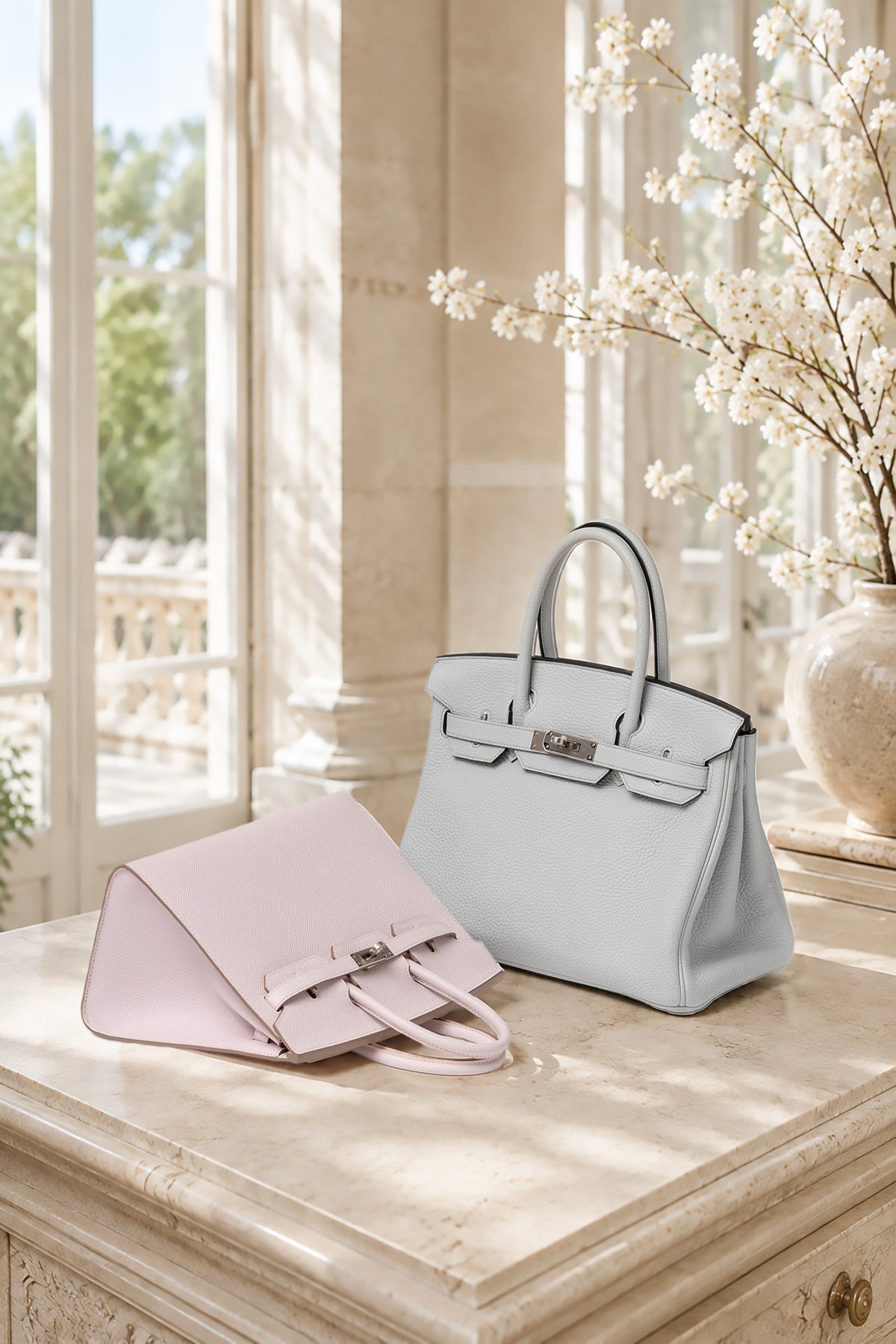
Check out our Hermès collection and Birkin bags!
A same-day offer can make selling a luxury handbag feel remarkably simple. There is no listing to prepare, no buyer negotiation, and no uncertainty about when the bag might sell. That convenience is valuable, but it can also encourage sellers to accept before fully understanding the offer.
Before accepting a same-day luxury bag buyout offer, sellers should look beyond the headline number. Authentication standards, condition grading, market demand, accessories, payment timing, shipping protection, and contract terms can all affect the final amount received.
This is especially important for Hermès, Chanel, and other sought-after pieces whose values may vary significantly by model, size, leather, colour, hardware, condition, and completeness. Asking the right questions allows you to protect your investment while still benefiting from the speed and certainty of a direct buyout.
Key Takeaways
- Compare the offer with recent market evidence for the exact model, specifications, and condition.
- Confirm authentication, inspection, payment, return, and liability terms before releasing the bag.
- Evaluate the complete transaction, not only the quoted price, when choosing between buyout and consignment.
Featured Products


Evaluate the Offer Against the Current Luxury Resale Market
A credible buyer should be able to explain how the proposed value relates to current demand for your specific bag. The comparison should account for the details that influence resale desirability rather than relying on a broad average for the brand or model.
Ask Which Comparable Sales Were Used
Start by asking whether the offer is based on recent completed sales, current inventory needs, historical performance, or active listings. Completed transactions generally provide more useful context than asking prices because a listed bag may remain unsold for months or eventually sell below its original price.
The comparison should be as specific as possible. For a Hermès bag, relevant variables may include the model, size, leather, colour, hardware, production period, condition, and included accessories. Two Birkin 25 bags may attract different offers when their specifications and condition are not the same.
You can also ask how recently the comparable transactions occurred. Luxury resale demand changes as buyer preferences, available inventory, retail pricing, and seasonal interest shift. Older comparisons may still provide context, but they should not automatically determine the value of a current offer.
Consider Current Demand and Inventory
Buyout values are influenced by how confidently a buyer believes the bag can be resold. Classic models in versatile colours may appeal to a broader group of buyers, while an unusual combination may require a more specialized collector.
Rarity alone does not guarantee a higher immediate offer. A limited or difficult-to-find piece may command strong interest when the right buyer is present, but it may also take longer to place. Direct buyers must consider both potential selling price and the time the bag could remain in inventory.
Ask whether the offer reflects active demand for your exact configuration. A knowledgeable buyer should be able to explain whether the model is currently sought after, readily available, highly condition-sensitive, or better suited to a longer consignment strategy.
Compare Buyout and Consignment on a Net Basis
A buyout and a consignment sale serve different seller priorities. The correct comparison is not the buyout price against a retailer’s listed selling price. It is the amount you would realistically receive after commissions, preparation costs, payment fees, possible price reductions, and the time required to complete a consignment sale.
| Factor | Same-Day Buyout | Consignment |
|---|---|---|
| Payment | Typically initiated after authentication and acceptance | Issued after the bag sells and the transaction is completed |
| Pricing certainty | Known once the final offer is confirmed | Dependent on the eventual selling price |
| Market risk | Assumed by the buyer | Retained partly by the seller |
| Seller involvement | Limited after the transaction is completed | May include approval of pricing changes or extended waiting |
| Best suited for | Speed, convenience, and certainty | Potentially higher proceeds with more time and uncertainty |
Ask the buyer to provide both options when available. A transparent comparison can help you decide whether the additional potential return from consignment justifies the longer timeline and market exposure.
Understand Authentication and Condition Inspection
Authentication and condition grading are central to any luxury bag transaction. Before sending or handing over your bag, understand who will inspect it, what they will assess, and whether the original offer can be revised.
Ask How the Bag Will Be Authenticated
A professional buyer should be able to describe the authentication process clearly without disclosing confidential security methods. The review may include construction, materials, stitching, hardware, engravings, date or production markings, proportions, and other brand-specific characteristics.
For Hermès bags, authentication requires knowledge of craftsmanship, leather, hardware, stamps, construction methods, and how these elements vary across models and production periods. No single stamp, receipt, card, or technology should replace a comprehensive expert assessment.
Ask whether authentication is performed internally, externally, or through a combination of expert and technological review. You should also confirm what happens if the buyer cannot reach a conclusion or believes the bag requires additional examination.
Clarify Which Condition Issues Affect the Offer
Condition can influence both buyer demand and the cost of preparing a bag for resale. During an in-hand inspection, the buyer may review the structure, corners, handles, glazing, leather surface, hardware, interior, stitching, odour, previous repairs, and signs of alteration.
Ask which disclosed issues have already been included in the preliminary offer. A buyer should not reduce the price for wear that was clearly shown and accurately described unless the in-person condition differs from the submitted information.
Request a clear explanation of the revision process. If the offer changes, you should be told which condition findings affected the valuation and whether you may decline the revised amount without penalty.
Gather Documentation and Original Accessories
Receipts, service records, dust bags, boxes, straps, locks, keys, clochettes, rain covers, and other original accessories can strengthen the presentation and completeness of a luxury bag. Their effect on value depends on the model, buyer expectations, and the condition of the accessories themselves.
Missing packaging does not automatically determine authenticity, and documentation should never replace examination of the bag. However, a complete set may make a sought-after piece more appealing to collectors and easier for the buyer to present accurately.
Before requesting an offer, photograph and list everything included. Confirm whether the quoted amount assumes a full set and whether any missing component would change the final valuation.
Confirm Payment, Shipping, and Contract Terms
The meaning of “same-day” is not always consistent. It may describe how quickly the buyer provides an offer rather than when funds become available. Sellers should confirm every stage of the transaction in writing.
Determine Exactly When Payment Is Released
Ask whether payment is initiated when you accept the offer, when the bag arrives, after authentication, or after a final condition review. A preliminary quote should not be mistaken for a guaranteed payout before inspection.
Confirm the payment method and whether bank processing periods, weekends, holidays, transaction limits, or identity verification could delay access to the funds. For higher-value transactions, secure bank transfers or established payment systems may provide a clearer record than informal payment arrangements.
The purchase agreement should identify the final amount, payment method, responsible party, and expected processing point. It should also disclose any payment, conversion, handling, or administrative fees.
Ask Whether the Offer Can Change
Many remote buyout offers are conditional because the buyer has not yet examined the bag. Ask what circumstances allow the price to be revised and whether there is a minimum guaranteed amount based on the information already provided.
If a revised offer is presented, confirm how long you have to accept or decline it. You should also understand whether declining creates any return shipping, insurance, authentication, or handling costs.
Do not rely on verbal assurances for a high-value transaction. The written terms should explain whether the offer is preliminary or final, when ownership transfers, and what happens if either party decides not to proceed.
Review Shipping and Liability Coverage
Before shipping a luxury bag, ask who provides the label, how the parcel is insured, whether a signature is required, and how a claim would be handled. Coverage should reflect the agreed or reasonably documented value of the item.
Confirm when the buyer assumes responsibility. Some agreements transfer liability when the carrier scans the parcel, while others do so only after delivery or inspection. You should also ask how the bag will be protected and documented while it is in the buyer’s possession.
If you decline a revised offer, the agreement should explain who arranges and pays for insured return shipping. Photographing the bag, accessories, packaging, and sealed parcel before dispatch creates a useful record of its condition.
Assess the Buyer’s Expertise and Credibility
A fast offer is only valuable when it comes from a buyer capable of completing the transaction securely and responsibly. Reputation, specialization, transparency, and after-sale policies should all form part of your decision.
Look for Relevant Category Expertise
A buyer who regularly handles Hermès bags may understand the significance of leather, colour, hardware, size, condition, and completeness more precisely than a general luxury buyer. Specialized knowledge can support more informed authentication and valuation.
Ask how long the business has operated, whether it purchases bags directly, and whether it provides a written authenticity commitment to future buyers. Review its selling history, policies, physical presence, contact information, and approach to customer service.
Expertise should be reflected in the questions the buyer asks. A thoughtful valuation process will usually request detailed photographs, exact specifications, condition disclosures, accessories, and provenance before presenting an offer.
Recognize Warning Signs
Be cautious when a buyer pressures you to act immediately, avoids written terms, requests unusual payment arrangements, or refuses to explain its inspection process. An unwillingness to document shipping coverage or return procedures is another reason to pause.
Vague promises such as “highest price guaranteed” should not replace a clear valuation. A credible buyer should explain why the bag fits its inventory and how the offer reflects condition and current demand.
You should also be wary of anyone who discourages accurate disclosure or attempts to complete a high-value purchase without authentication. A careful inspection protects both the seller and the eventual buyer.
Decide Whether a Same-Day Buyout Supports Your Priorities
The best selling method depends on what matters most to you. Speed, privacy, convenience, certainty, and maximum potential proceeds do not always point to the same option.
When a Same-Day Buyout May Be the Right Choice
A direct buyout may suit sellers who want a clear exit from the transaction without waiting for an end buyer. It can also be helpful when you are rotating your collection, funding another purchase, simplifying an estate, or avoiding the work and risk involved in a private sale.
The buyer assumes responsibility for marketing, storage, price changes, buyer screening, returns, and the possibility that the bag may take longer than expected to sell. The difference between the buyout and potential retail selling price reflects these responsibilities as well as the buyer’s operating costs.
Convenience has legitimate value. A slightly lower but transparent offer from a trusted specialist may be preferable to a higher theoretical outcome that requires months of uncertainty.
When Consignment May Deserve Consideration
Consignment may be appropriate when the bag is rare, exceptionally complete, in excellent condition, or likely to appeal to a particular collector. It may also suit sellers who are comfortable waiting and accepting that the final selling price could change.
Before choosing consignment, ask about the proposed listing price, commission structure, price reduction authority, insurance, minimum commitment period, withdrawal terms, and payment process after a sale. A high listing price does not guarantee a high seller return.
Evaluate the estimated net proceeds and the realistic path to sale. The most useful comparison is a conservative consignment outcome against a confirmed buyout, not an optimistic asking price against an immediate cash offer.
Final Thoughts
Before accepting a same-day luxury bag buyout offer, make sure the price, authentication process, condition standards, payment terms, and seller protections are clearly documented. For a trusted evaluation of a Hermès or select luxury piece, Rome Station offers specialized resale expertise with a customer-first approach.
Fact Check and Data Sources
Resale values are market-based estimates rather than guarantees of future performance. This article avoids fixed payout percentages and relies on generally accepted luxury resale practices, including comparable-sale research, expert authentication, condition assessment, secure payment documentation, and insured shipping.
- Hermès Leather Care Instructions confirms that leather can evolve with use and that unsuitable care products may cause damage, supporting the importance of professional condition assessment.
- Hermès Maintenance and Repair provides official information about professional inspection, maintenance, and restoration services.
Frequently Asked Questions
What should I ask before accepting a same-day luxury bag buyout offer?
Is a same-day buyout offer guaranteed before the bag is inspected?
How does the condition of a Hermès bag affect a buyout offer?
Do the box, receipt, dust bag, and accessories increase a luxury bag’s value?
Should I choose a buyout or consignment for a rare Hermès bag?
How does Rome Station evaluate bags for a direct buyout?
Why sell a Hermès bag through Rome Station?
Love Hermès? See More from Rome Station
Add us to your Preferred Sources on Google to see our newest Hermès guides and insider tips first.