

What Makes Van Cleef & Arpels Jewelry Attractive to Collectors
Check out our Van Cleef & Arpels collection!
Van Cleef & Arpels holds a rare spot in the world of fine jewelry, drawing in collectors who see these pieces as much more than simple adornment. Founded in 1906, the French maison has earned its reputation through technical marvels like the Mystery Set and designs that flirt with the boundaries between jewelry and art.
Collectors gravitate toward Van Cleef & Arpels for the blend of top-notch craftsmanship, limited availability, and solid resale value, each piece feels like a little treasure you can actually wear and, honestly, a smart investment.
It's not just about old stories or hefty price tags. Their signature collections keep their allure generation after generation, and some pieces even gain value as time passes. Many high jewelry and technically complex pieces take hundreds of hours to make, use stones handpicked to insane standards, and involve processes so intricate they're patented.
From the iconic Alhambra motif to transformable high jewelry that does double (or triple) duty, Van Cleef & Arpels keeps producing work that checks both the “I want to wear this” and “this makes sense for my collection” boxes.
Key Takeaways
- Van Cleef & Arpels jewelry melds heritage craftsmanship with patented techniques, demanding hundreds of hours of skilled labor for each piece
- Limited production and signature collections drive scarcity, fueling strong resale values; some pieces even appreciate over time
- Collectors value the maison’s mix of elegance you can actually wear and investment potential, all underpinned by consistent quality and timeless design
The Maison's Heritage and Prestige
Van Cleef & Arpels’ status among the world’s luxury jewelry houses comes from its romantic beginnings, its legendary Parisian address, and a client list that could fill a red carpet or a royal court.
The Story of Alfred Van Cleef and Estelle Arpels
This all started with a love story in 1906. Alfred Van Cleef married Estelle Arpels; she came from a family of stone merchants, and he was the son of a stone cutter. Together with Estelle’s brothers, they launched a jewelry house that played to everyone’s strengths.
Their partnership wasn’t just about romance; it was a practical joining of talents. The Arpels brothers brought the business and sourcing expertise, while Alfred drove the technical and design innovation. That dual foundation still shows up in the pieces they make today, where artistry and craftsmanship meet in a way that feels, well, intentional.
22 Place Vendôme and Parisian Roots
When Van Cleef & Arpels opened its doors at 22 Place Vendôme in 1906, it put itself right in the heart of Parisian luxury. Place Vendôme has always meant high-end. Think legendary jewelers, watchmakers, and the Ritz Paris as a neighbor.
This address isn’t just a place; it’s a statement. Buying a piece from 22 Place Vendôme means you’re taking home a chunk of Parisian history, not just a necklace or a ring.
Royal and Celebrity Patronage
The Duchess of Windsor was obsessed with the maison, commissioning custom pieces that really highlighted Van Cleef & Arpels’ knack for innovation. Elizabeth Taylor snapped up some of their most dazzling designs, including a diamond and ruby necklace that screamed old Hollywood glamour. Van Cleef & Arpels pieces have been worn by modern royals and celebrities at high-profile events.
This isn’t just about marketing. When royalty and celebrities keep coming back, it’s a pretty convincing endorsement of the maison’s quality and desirability. No ad campaign could top that.
Iconic Designs and Signature Collections
Van Cleef & Arpels owes much of its collector appeal to a handful of unmistakable designs. The Alhambra clover, the transformable Zip necklace, and those delicate floral motifs. They’re more than jewelry. They’re symbols of the maison’s creative vision and technical bravado.
The Legendary Alhambra Motif
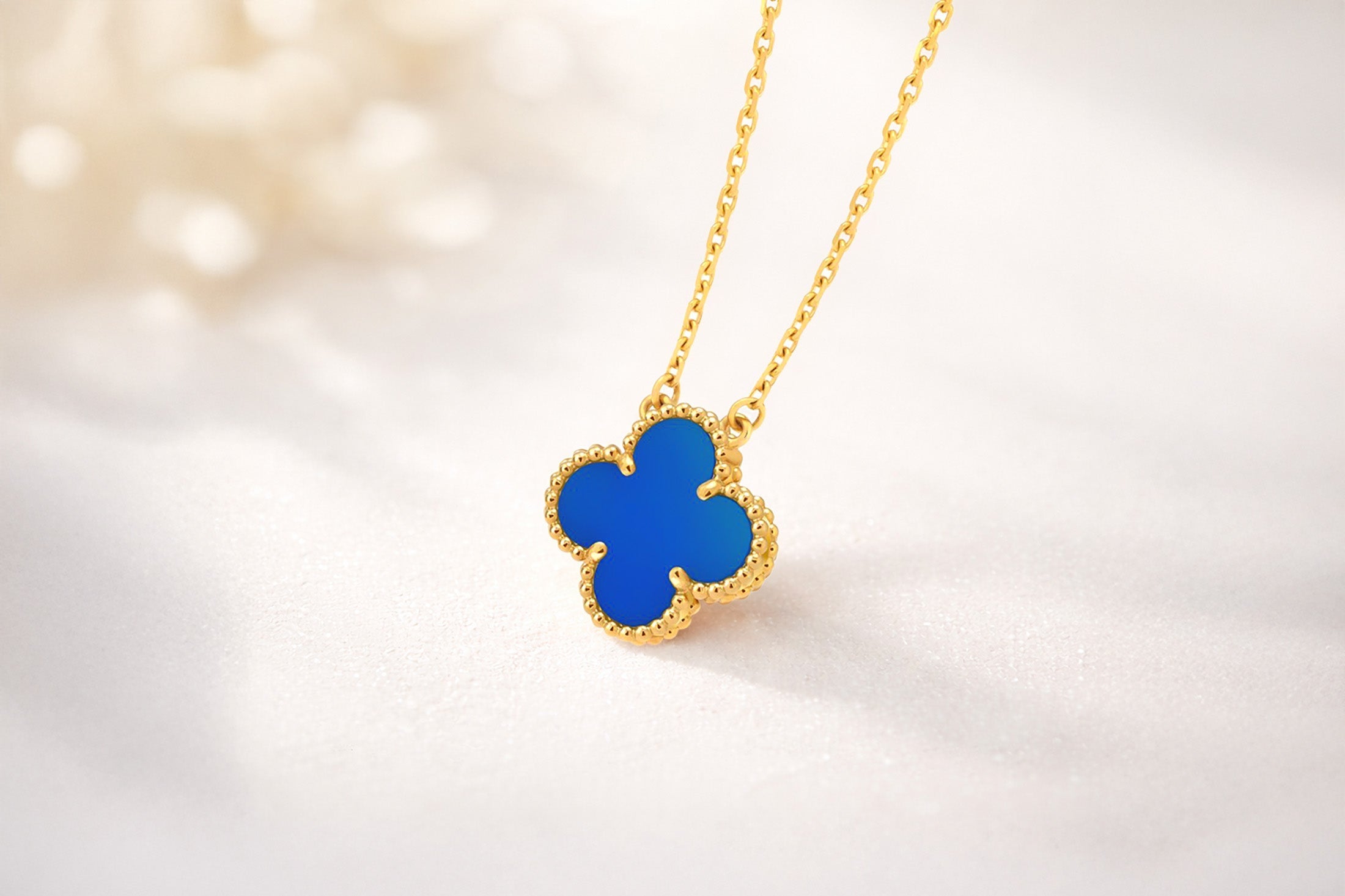
The Alhambra collection debuted in 1968, introducing the now-famous four-leaf clover motif. Every clover is outlined with gold beading, a detail that demands crazy precision and has barely changed since day one.
The first Alhambra necklace, created in 1968, was a long 'sautoir' necklace featuring 20 clover-shaped motifs in creased yellow gold. Vintage Alhambra pieces, especially early ones with certain hallmarks and construction quirks, are collector catnip.
What’s cool about the Alhambra motif is how versatile it is. You’ll find it on earrings, bracelets, rings, even watches, so collectors can build out matching sets. Limited editions in rare stones or special colors? Those almost always command big premiums on the resale market.
Zip Necklace: An Ingenious Masterpiece
The Zip necklace is one of those “wait, how did they even do that?” creations. Dreamed up in 1951 after a sketch from the Duchess of Windsor, it’s a fully functional zipper that can be worn as a necklace or zipped into a bracelet.
Creating one takes over 800 hours, the “teeth” are set with gems, and the whole thing has to work smoothly and look flawless. It’s a feat of engineering disguised as jewelry.
Collectors chase after zip necklaces for their rarity and the sheer technical wizardry behind them. Modern versions use colored gems, diamonds, different metals, but vintage ones are especially prized at auction.
Frivole and Perlée Collections
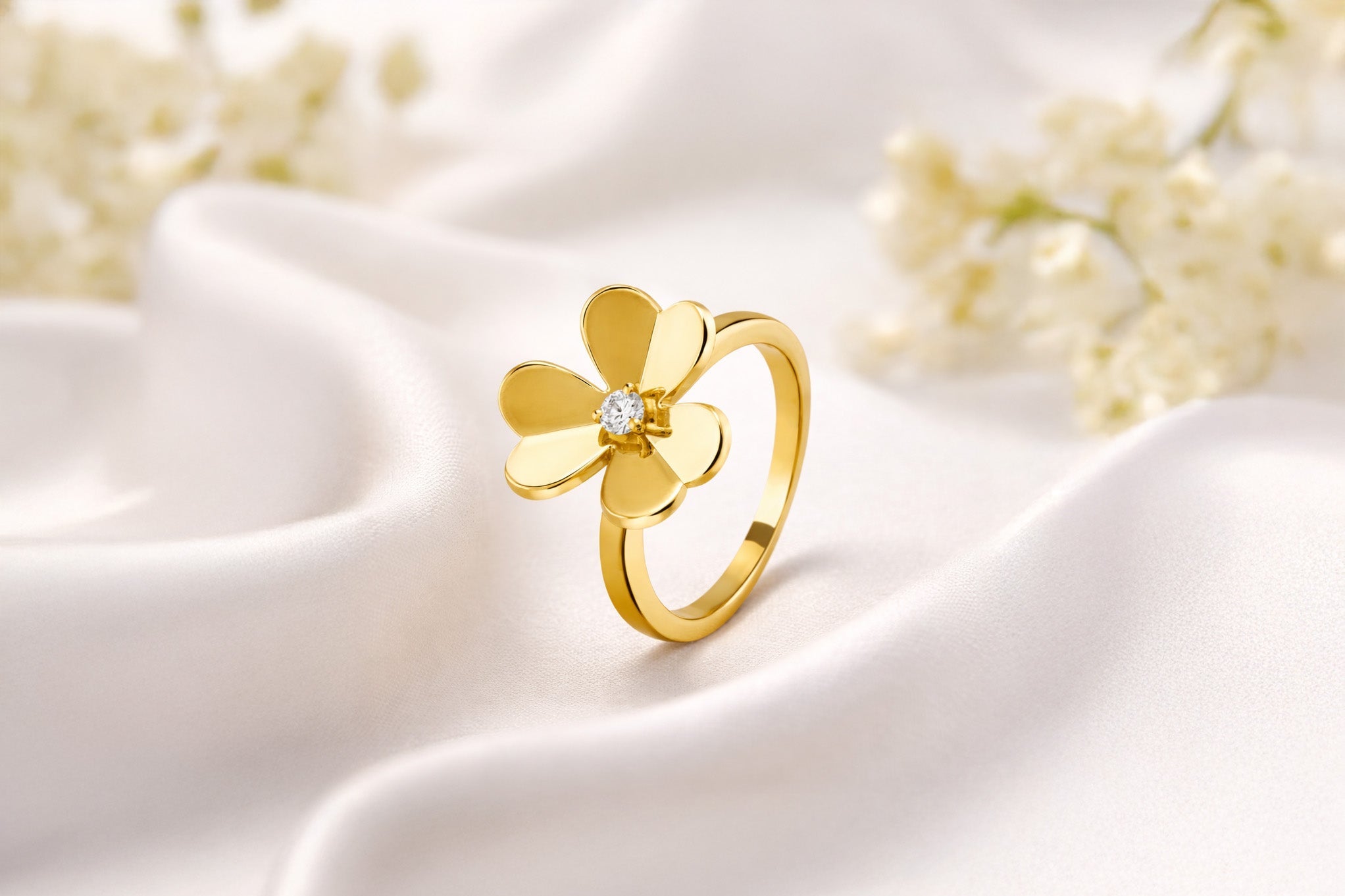
The Frivole collection is all about capturing the lightness of flower petals, delicate blooms, radiant finishes, and petals that seem to flutter when you move. Introduced in 2003, these pieces get their depth and shimmer from careful stone setting and metalwork.
The Perlée collection flips the maison’s signature beaded edge into the main event. Gold beads catch the light, giving the pieces a textured, almost playful feel. Perlée is a bit more understated, while Frivole leans statement but never gaudy.
Both lines appeal to collectors who want the Van Cleef & Arpels quality but with a more modern, wearable vibe. Perlée is perfect for everyday luxury, and Frivole works when you want something that stands out without shouting.
Ballerina Clips and Brooches
In 1941, Van Cleef & Arpels introduced ballerina clips, dancers frozen mid-pose, their tutus suggested by marquise-cut diamonds. These clips quickly became favorites among actresses and socialites, thanks to their playful spirit and top-tier gem quality.
Each ballerina brooch takes careful planning so the diamonds actually look like fabric in motion. The dancer’s body is usually brilliant-cut diamonds, the tutu is a fan of marquise stones.
Collectors love these for their artistry and the skill it takes to make them. Vintage ballerina clips with a famous backstory? Those fetch a premium. The design pops up now and then with colored stones or new poses, but purists really go for the classic diamond versions from the ‘40s and ‘50s.
Masterful Craftsmanship and Technical Innovation
Van Cleef & Arpels stands out for its proprietary techniques, especially the Mystery Set, that take years to master. The maison blends old-school handcrafting with precise gem cutting, creating pieces that show off both technical chops and artistic flair.
The Mystery Set and Invisible Setting
In 1933, Van Cleef & Arpels patented the Serti Mystérieux (Mystery Set), a stone setting method so tricky, few jewelers even attempt it. Gems are slotted into hidden gold rails, so you see only a seamless surface, no prongs, no metal, just a river of color. Each stone gets grooves cut on its underside to fit perfectly onto this invisible framework.
It’s a painstaking process. Artisans work with rubies, sapphires, emeralds, and diamonds, cutting each to exact specs. A single Mystery Set piece can eat up hundreds of hours, since every stone has to line up just right. The result is a cascade of color that looks almost impossible.
Because so few can pull off this technique, real Mystery Set pieces are gold for collectors. You can’t rush it, you can’t automate it, and every piece holds to standards set nearly a century ago.
Handcrafted Excellence and Fine Craftsmanship
Every Van Cleef & Arpels piece passes through the hands of specialists who’ve honed their skills for decades. The maison’s craftspeople focus on disciplines like stone setting, polishing, enameling, and sculpting gold in three dimensions. These aren’t assembly-line creations; they’re the product of real collaboration and expertise.
Mirror polishing, for example, takes serious skill to get that high-gloss finish you see on their clips and rings. Artisans use traditional hand-polishing to make the metal reflect light in a way that’s almost hypnotic. Guilloché engraving, a technique from the 1910s, adds intricate patterns to jewelry and watches with painstaking manual work.
They also use métiers d’art, miniature painting, stone marquetry, fine enameling, all crafts that demand years of training and a steady hand.
Meticulous Diamond Cutting and Gem Setting
Van Cleef & Arpels’ gemologists don’t mess around. They handpick each stone for color, clarity, cut, and how it’ll play with others in a design.
Stone cutting here goes beyond basic faceting. For Mystery Set pieces, gems need custom grooves, ordinary cutters just aren’t up for it. This ensures every stone fits perfectly and sparkles like mad.
Their traditional settings, prongs, bezels, pavé, get the same attention to detail. Stones are secure, but light can still flood in. The combo of careful selection, precision cutting, and expert setting means every piece feels thoughtfully composed.
Exceptional Quality of Materials
Van Cleef & Arpels’ appeal to collectors comes down to a refusal to compromise on materials. Only the finest gemstones and precious metals make the cut. Their standards go way beyond the usual industry checkboxes.
Rare Gemstones and Precious Stones
Gemologists here use a two-step selection process. Sure, they look at the 4Cs, but then they get subjective, searching for that “spiritual quality”, the spark that makes a stone special.
For colored gems like Burmese rubies, Colombian emeralds, and sapphires, the focus is on intense, even color. They check purity, cut quality, and that elusive “vital spark.” This scrutiny applies to both center stones and pavé, so the quality is consistent all the way through.
Ornamental stones like carnelian, turquoise, and onyx get the same careful treatment. They pick the most vibrant shades and polish every stone to bring out its best.
Gold, Platinum, and Exquisite Materials
They work only in high-quality gold, platinum, and sometimes sterling silver, never by accident. Each metal is chosen to match the stones and the technical demands of the piece.
The metal quality isn’t just about looks; it affects how well a necklace or ring holds up over decades. Van Cleef & Arpels sources metals that meet their purity standards and work with their signature techniques, like the Mystery Set. This keeps pavé settings secure and dazzling, which matters if you’re putting real money into your collection.
Exclusivity and Scarcity
Van Cleef & Arpels keeps production tight and deliberately makes pieces in limited numbers. That’s a big part of what keeps demand high and values strong on the resale market.
Limited Production and Unique Pieces
Compared to other luxury brands, Van Cleef & Arpels produces very little high jewelry. The most complex creations, especially those with the Mystery Set, can take over 300 hours each, so, naturally, not many get made.
Many collections launch as limited editions or even one-offs. If you spot a Van Cleef piece at auction, there’s a good chance it was never mass-produced. The maison prefers “measured expansion” to keep things scarce and protect their reputation.
High jewelry pieces often feature gemstone combos that’ll never happen again. Once a particular ruby or diamond is set, that exact piece is truly one-of-a-kind. For collectors who want something irreplaceable, that’s a huge draw.
Investment Value and Resale Appeal
Van Cleef & Arpels keeps their production tightly controlled, and that scarcity really drives up resale values. In recent years, ruby and diamond Mystery Set necklaces have fetched prices well into the six figures at major auctions.
Vintage and discontinued Van Cleef pieces tend to appreciate, especially as certain designs get harder to find. Auction houses like Sotheby's regularly feature them, with prices starting around $5,000 and sometimes shooting past $250,000 for especially coveted items.
Collectors trust that Van Cleef’s careful approach, never flooding the market, means their jewelry will keep its appeal. That confidence keeps the secondary market lively, especially among buyers who missed out the first time around.
Artistic Vision and Inspiring Aesthetics
Van Cleef & Arpels doesn’t just make jewelry, they turn it into wearable art. Their design philosophy blends poetry with technical skill, aiming to spark emotion with nature-inspired motifs and clever, often transformable, pieces.
Nature, Poetry, and Imagination
They’re obsessed with capturing fleeting beauty. You’ll spot butterflies with sapphire wings, ballerinas caught mid-dance, and flowers that almost look like they’re blooming right on your skin.
Van Cleef & Arpels loves mixing precious stones with materials like mother-of-pearl, calling the result "brilliant harmonies." Their designs aren’t about flaunting wealth, they’re about expressing a poetic view of the world. The brand draws on a mix of cultural influences, Egyptian, Japanese, Chinese, Indian, especially in their Art Deco era.
They sweat the details, too. Sometimes, the backs of pieces hide secret motifs or tiny scenes only the wearer knows about. That kind of intimacy is rare.
Movement, Metamorphosis, and Transformability
Movement is a big deal for them. They’ll use deliberate asymmetry to give pieces a sense of life, almost like the jewelry is breathing or in motion. Even with hefty gold or platinum, their work feels light.
Transformable pieces are a Van Cleef & Arpels specialty. Think of the 1938 Passe-Partout necklace or the 1950 Zip necklace, both can morph from necklace to bracelet or belt, with detachable clips and hidden clasps that keep everything looking seamless.
They design joints for flexibility and comfort, so the jewelry actually moves with you. This blend of technical brilliance and artistic vision means their pieces adapt to different occasions, always keeping that signature sophistication.
Frequently Asked Questions
Van Cleef & Arpels draws collectors with its craftsmanship, deep roots, thoughtful material choices, and iconic designs that tend to hold value. There’s a lot going on behind the scenes that makes the brand such a collector favorite.
What unique craftsmanship techniques put Van Cleef & Arpels jewelry in a league of its own?
The Mystery Setting is their crown jewel, literally and figuratively. Patented in 1933, it lets gems float without visible prongs or metal. Making just one Mystery Setting piece can take up to 300 painstaking hours by a master jeweler.
Each stone gets hand-cut with minuscule grooves, then slides onto an invisible gold framework. The result? A flawless, seamless surface. Only a handful of artisans worldwide can actually pull this off.
They also have the Serti Neige technique. Here, tiny diamonds of varying sizes are set to mimic snow, random at first glance, but actually following precise rules. It’s all about that illusion of spontaneity.
How does the history and heritage of Van Cleef & Arpels contribute to its desirability among collectors?
Founded in 1906 by Alfred Van Cleef and Estelle Arpels, the brand has always been about family craftsmanship. Their first boutique at Place Vendôme in Paris is still their spiritual home, and honestly, that address alone carries serious weight in the jewelry world.
Royal clients showed up early on, the Princess of Monaco, European royals, helping cement Van Cleef’s reputation with elite collectors. These connections add a layer of provenance to vintage items.
Winning the Grand Prix at the 1925 International Exposition of Modern Industrial and Decorative Arts set Van Cleef & Arpels apart as an innovator. Collectors are drawn to pieces with this kind of documented history.
Can you highlight the role of rarity and exclusivity in Van Cleef & Arpels pieces that makes them a collector's dream?
Limited production is the name of the game. Van Cleef & Arpels purposely makes fewer pieces than they could sell. That keeps values strong and makes older pieces especially desirable.
Some collections only show up in certain boutiques or cities. Regional exclusives, like a piece only sold in Paris or Tokyo, drive collectors wild, often fetching higher prices elsewhere.
When a necklace takes months to finish, you’re not going to see many out there. Owning one means joining a pretty exclusive club.
In what ways do Van Cleef & Arpels' collaborations with renowned designers add value to their collections?
Unlike a lot of luxury brands, Van Cleef & Arpels mostly keeps design work in-house. They don’t chase outside collaborations, which actually gives the brand a consistent vision across generations.
Creative directors have shaped distinct eras, each reflecting the style of its time but always staying true to the brand’s roots. Collectors sometimes zero in on certain periods that match their own tastes.
Special commissions for high-profile clients add another layer. These unique, one-off pieces occasionally pop up at auction and always generate buzz. The stories behind them only make them more desirable.
How do the materials and gemstones used in Van Cleef & Arpels jewelry influence its collectability?
They’re picky about diamonds, only the highest clarity and best cuts make the cut. This focus on quality means their pieces still dazzle decades later.
Historically, Van Cleef & Arpels has used exceptional sapphires from origins such as Kashmir and Sri Lanka.
Mother-of-pearl, malachite, onyx, they’re all over the Alhambra collection. Van Cleef isn’t afraid to mix semi-precious materials with diamonds, which shows real design confidence. Collectors love that it’s about the look, not just the value of the materials.
They use only 18-karat gold and platinum in the fine jewelry lines. The heft and quality of these metals help ensure each piece stands the test of time.
What's the impact of iconic Van Cleef & Arpels collections, like Alhambra, on the brand's allure in the collector's market?
The Alhambra collection, which launched in 1968, is probably the brand's most recognisable design. That four-leaf clover motif, meant to symbolise luck, has basically become a stand-in for Van Cleef & Arpels itself. Vintage Alhambra pieces from the late '60s and '70s can fetch some serious premiums these days.
Early Alhambra necklaces have slightly different proportions compared to the newer ones. Collectors actually pore over these tiny differences to figure out authenticity and pin down the era. It's kind of fascinating how the design's evolution over decades has carved out little sub-categories for collectors inside a single collection.
Then there's the Perlée collection, with those delicate golden beads giving it that unmistakable texture. It hasn't been around as long as Alhambra, but Perlée pieces are already doing well on the secondary market. Some collectors see these newer icons as a chance to snap up pieces before they turn into tomorrow's vintage rarities.
Frivole leans into flower motifs, mirror-polished petals, lightness, a sense of movement. It's got this wearable-art vibe that appeals to people who want something more than just jewelry. And when they drop limited edition colour variations within Frivole? That just adds another layer for collectors who want something a bit outside the usual core designs.
Love Hermès? See More from Rome Station
Add us to your Preferred Sources on Google to see our newest Hermès guides and insider tips first.