

What Makes Chanel a “Safe Purchase” for First-Time Luxury Buyers
Check out our Chanel collection!
Stepping into luxury fashion for the first time? Yeah, it’s a lot. Investment pieces like Chanel bags can cost as much as a month’s rent, so it’s natural to wonder: Am I making a smart move, or just splurging for the sake of it? Chanel, though, isn’t just another status symbol. It’s got a reputation and a resale market that make it a pretty solid bet for those of us nervously eyeing our first big-ticket purchase.
Chanel bags are considered safe purchases because they maintain strong resale value, offer timeless designs that never go out of style, and hold widespread recognition that makes authentication and resale significantly easier than lesser-known luxury brands.
When you buy a Classic Flap or a Boy Bag, you’re not just grabbing a pretty accessory. You’re picking up something that often keeps a large portion of its retail value on the resale market, and in some cases can resell near retail or above, especially when prices rise or certain styles become harder to find.
Chanel’s tight quality control, iconic status, and limited supply (compared to demand) all help these bags keep their value. For first-timers, that means less stress about making a costly mistake and more confidence that the bag will hold up, whether you wear it for years or decide to sell and move on.
Key Takeaways
- Many Chanel bags retain a large portion of their retail value, and some can appreciate, making them a lower-risk pick for luxury newbies
- It’s often easier to authenticate Chanel than lesser-known brands, thanks to an established set of verification features and a large community of reference material
- Buying through trusted, authenticated platforms with buyer protection and clear seller ratings cuts down the risk of fakes or misrepresented bags
Why Chanel Is Considered a Safe Bet for Luxury Beginners
Chanel bags hold their value better than most, the authentication process is well-known, and prices tend to be fairly predictable whether you’re shopping new or secondhand.
Brand Reputation and Value Retention
Chanel has raised prices regularly for decades, and those increases can support resale values. In the secondhand world, many Chanel bags hold their value strongly in the first few years, and certain models can even rise in price.
Because Chanel controls distribution tightly, you don’t see the market flooded with their bags. That keeps demand strong, especially for pre-owned pieces.
Chanel’s reputation for craftsmanship gives buyers confidence, but construction details and materials can still vary by era. A classic flap from 2010 will share the same recognizable DNA as one from 2025, yet differences in hardware, leather feel, and finishing are still worth knowing about when you’re shopping pre-owned.
The authentication community around Chanel is huge and knowledgeable. With decades of documented details on serial numbers, stamps, and hardware, it’s often simpler to verify a Chanel bag than one from a brand with a thinner paper trail.
Iconic Models That Hold Value
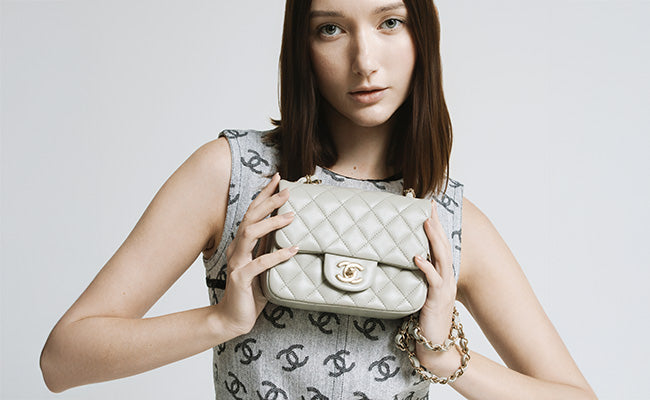
The Classic Flap and Boy Bag are the stars of the resale market. A medium Classic Flap in black caviar leather is basically as good as cash in the secondhand world.
These bags can have boutique waitlists at certain times, which can push resale prices higher. Discontinued colors or limited editions from these lines can also command a premium, especially in excellent condition with full packaging and paperwork.
The 2.55 reissue appeals to collectors who want a nod to Coco Chanel’s 1955 design. These bags sit nicely between modern luxury and vintage collectibility.
Seasonal or trendy pieces don’t perform as well, but the core models are usually rock solid. Even well-loved Classic Flaps in popular sizes often find buyers fast.
Chanel Versus Other High-End Brands
Sure, the ultra-elite quota bag is the king of investment bags, but let’s be real: most first-timers can’t just stroll into a boutique and buy one. Chanel is more accessible, especially when you focus on the most in-demand, easy-to-resell styles.
Chanel tends to sit above many entry-level designer bags on the resale ladder. That sweet spot means strong value retention without needing extreme budgets or insider access to get in the game.
Authenticating Chanel is often easier than with some brands because its identification system is well-documented. Most bags made from 1984 through 2020 used serial number stickers (6 digits early on, then 7 digits, then 8 digits), and Chanel phased out stickers and authenticity cards starting in 2021 in favor of embedded microchipped metal plates.
Chanel bags can move quickly on the resale market, especially classic models in neutral colors and popular sizes. Other luxury brands can sit longer depending on style, condition, and demand.
Understanding the Secondhand Chanel Market
These days, the pre-owned Chanel market is a whole ecosystem. Authenticity, sustainability, and investment potential all come together here. The secondhand luxury handbag market has grown fast, driven by economic shifts and a new focus on sustainable fashion.
Growth of Pre-Owned Luxury
The secondhand luxury market has exploded in the past decade. Pre-owned designer bags are now a multi-billion dollar business. Large resale platforms have made resale more professional, with authentication and condition guarantees that weren’t common in the past.
Chanel is a major player in this space. Classic styles like the Flap Bag and Boy Bag are consistently in demand, sometimes selling quickly on trusted platforms. Chanel’s price increases and limited production can make secondhand options even more attractive for first-time buyers.
Younger buyers, in particular, lean toward pre-owned. They can snag iconic pieces below retail and skip boutique waitlists.
Sustainability and Ethical Considerations
Buying secondhand Chanel can be a smart move for the environment. With a little care, a Chanel bag can last for decades, which is a very different story from fast fashion alternatives.
The circular economy keeps luxury goods in use and out of landfills. When you pick up a vintage designer bag, you’re making a sustainable choice without sacrificing quality or style.
Authentication services also play a role in fighting counterfeits and reducing waste by keeping authentic bags in circulation. That ethical angle resonates with buyers who want luxury that lines up with their values.
Market Trends in Value Appreciation
Some Chanel models have shown impressive value retention and even appreciation. The Classic Flap Bag’s retail price has risen sharply since late 2019, and secondhand prices have generally followed.
Limited editions, discontinued styles, and certain colorways can go for more than their original retail. Caviar leather often holds value better than lambskin because it’s tougher, and classic colors like black and beige are usually the easiest to sell.
As the market matures, authentication has gotten stricter. For bags made before the microchip era, serial numbers, authenticity cards, and original receipts can matter a lot. Bags with complete paperwork and accessories can sell for more than those without.
How to Identify an Authentic Chanel Bag
Authenticating a Chanel bag means looking for details that fakes rarely get just right. Let’s run through the basics, from serial numbers to hardware, so you can feel more sure about what you’re buying.
Spotting Key Authenticity Markers
Most Chanel bags made from 1984 through 2020 have a serial number sticker inside. Early pieces started with 6-digit serials, then most bags used 7-digit serials, and from 2005 onward Chanel moved to 8-digit serials. For 8-digit serials, the first two digits roughly align with a production window, rather than directly spelling out a specific year.
Bags made before 2021 often came with an authenticity card that should match the serial number exactly, but cards can be lost over time. Sticker quality matters too. Authentic stickers used security features and can show an iridescent effect under light that’s tough to replicate cleanly.
Third-party authentication services can be helpful when you’re buying from an individual or a less-known site. Many combine expert review with data-backed checks, and the fee is usually small compared to the cost of the bag.
Inspection of Leather and Materials
Chanel commonly uses lambskin, caviar, and calfskin leathers that feel both substantial and soft. Lambskin typically develops a natural sheen and softness over time, while caviar has a pebbled, raised texture that’s unmistakable under your fingers.
The quilting is a dead giveaway. It should be symmetrical, with every diamond or square lining up cleanly at seams and edges. If the pattern is off or bunches where panels meet, that’s a red flag.
Inside, authentic Chanel bags usually have high-quality linings in tones like burgundy or black, with other colors depending on model and season. The lining should feel smooth and substantial, and the logo stamp should be crisp and evenly pressed.
Evaluating Stitching and Hardware
Chanel’s stitching is precise. On many quilted styles, you’ll often see around 9 to 11 stitches per inch along a diamond edge, depending on era and model. The thread should match the leather, and stitches should be straight, even, and tight. Messy or loose stitching is not a good sign.
The hardware tells a story too. Real Chanel chains and clasps should feel solid, not thin or hollow. The CC turn-lock should rotate smoothly and click into place. Metal finishes (gold, silver, ruthenium) should look even, with no flaking or odd discoloration.
Check the logo engravings on hardware. Edges should be sharp, letters spaced right, and the finish should look clean. Zippers should glide smoothly, with consistent teeth and tidy engravings where present.
Safe Ways to Buy Chanel: Platform Comparison
Where you buy your Chanel matters a lot. Different sellers and marketplaces use different authentication workflows, offer different return windows, and vary in how clearly they document condition.
Top Resale Channels: What Sets Them Apart
Authenticated luxury consignment marketplaces often have in-house teams who physically check items before listing. They usually offer condition grading and buyer protection, but inventory can be mixed since they cover many categories.
Handbag-focused resellers tend to have very detailed photos and condition notes, plus clear policies around authenticity. Some also offer buyback options if you want to sell later.
Global peer-to-peer marketplaces with authentication hubs can be great for rare finds, but shipping and verification can take longer, especially for cross-border purchases.
Local consignment boutiques and established resellers can be a strong option if you want to inspect a bag in person and ask questions face-to-face.
Authentication Process Explained
Professional authenticators look at a bunch of factors. For pre-2021 bags, they check the sticker’s font and placement, make sure the serial number format fits the production era, and inspect the brand stamp’s depth and clarity. For 2021-and-newer bags, the embedded metal plate replaces the traditional sticker and card system.
They pay close attention to hardware, too. Quilting should line up cleanly at seams, and the leather should show natural grain and wear patterns that match the material used.
If you want an extra layer of confidence, independent authentication can be done before you commit, or right after delivery, as long as you’re still within a return window.
Return and Buyer Protection Policies
Return policies vary a lot. Some sellers offer generous return windows, while others are more limited or charge restocking fees. Always read the fine print before you buy, and keep all packaging and documentation until you are sure you are keeping the bag.
Many platforms use secure payment systems that hold funds until delivery is confirmed, which can reduce fraud risk and give you leverage if something is wrong.
Protecting Yourself: Payment Methods and Seller Red Flags
When you buy a Chanel bag, your payment method and how you vet the seller matter just as much as authentication. Credit cards with buyer protection and PayPal Goods & Services give you recourse if things go sideways. And, let’s be honest, certain seller behaviors are dead giveaways for whether you’re dealing with a pro or a scammer.
Secure Payment Recommendations
Honestly, I almost always suggest using a credit card for Chanel purchases because it's just safer. Credit cards let you dispute charges if a bag turns out fake or isn't as described. Depending on your card, you often have 60 to 120 days to file a chargeback, which is a decent safety net.
PayPal Goods & Services is another good route. Unlike Friends & Family payments (which, let's face it, offer zero protection), Goods & Services can cover eligible purchases up to $20,000 if the item doesn't match the listing or never shows up. Sure, the transaction fee stings a bit, but when you're spending thousands on a bag, it's worth it.
Skip these payment methods entirely:
- Bank wire transfers (no way to dispute)
- E-transfers outside official platforms
- Gift cards or prepaid cards
- Cryptocurrency (transactions are not reversible)
- PayPal Friends & Family
Many reputable marketplaces handle payments inside their checkout and only release funds when delivery is confirmed. That extra layer of protection feels reassuring.
Signals of a Trustworthy Seller
Legit sellers don't hesitate to provide documentation. You want to see original receipts when available, authenticity cards for pre-2021 bags when available, and dust bags with correct Chanel branding (even the font and spacing matter).
The pros use natural lighting and photograph every angle, including interior lining, serial sticker or plate area, hardware engravings, and any signs of wear. They’re upfront about condition, mentioning scratches or patina instead of pretending the bag is flawless.
Green flags I look for:
- Seller is willing to use a reputable third-party authenticator
- Lots of positive reviews mentioning accurate descriptions
- Fast, detailed responses to questions about provenance
- Willingness to send extra photos or a video walkthrough
- Clear return policy from the start
Established consignment shops and authenticated platforms have reputations to protect, so accuracy matters to them. Individual sellers with a history of luxury sales (check their sold items) are often reliable, too.
Warning Signs and Common Scams
If the price seems too good to be true, it probably is. A Classic Flap that normally sells for five figures isn't going for a tiny fraction of that in great condition, and scammers bank on you thinking you've found a secret deal.
Watch out for pressure tactics like "another buyer is interested" or "sale ends tonight." Real sellers get that Chanel purchases take research and time.
Walk away if you notice:
- Blurry or stock photos instead of actual item shots
- Refusal to show serial number areas or relevant authenticity details
- Seller insists on off-platform payment "to save fees"
- Location keeps changing or is oddly vague
- No return policy or "all sales final" on expensive items
It's common for scammers to show authentic bags in photos but ship counterfeits. Doing a reverse image search can reveal if they've stolen photos from other listings. If the seller's communication or details feel off, trust your gut and move on.
Getting Extra Peace of Mind: Third-Party Authentication Services
Even when you're buying from a reputable seller, sometimes you want an independent expert to check your Chanel bag, especially for high-value or private sales. Third-party authentication services give you an unbiased assessment. They might confirm what you already thought, or catch something everyone else missed.
When to Use Additional Authentication
I recommend third-party verification for purchases from peer-to-peer marketplaces, estate sales, or any seller without platform-backed guarantees. If you’re spending over $4,000 on a vintage Chanel or a rare limited edition, an authentication fee can be cheap insurance.
Private transactions need extra caution. When you’re dealing directly with someone on social media, there’s no safety net if things go sideways. Even seasoned collectors use third-party services for bags outside their usual wheelhouse, like older Diana bags with discontinued hardware.
If your bag arrives with unexpected wear, missing cards, or a serial number that seems off, get it checked out before your return window closes.
How to Submit a Chanel Bag for Verification
Most services offer two options: mail-in inspection or app-based analysis. Some use specialized equipment and AI-assisted imaging to scan materials and construction details, then cross-reference large databases to issue a certificate.
Others work with photo submissions. You’ll need clear, high-res shots of the exterior, interior lining, serial sticker or plate area, hardware, stitching, and any authenticity card if you have one. Natural light is best, and close-ups of any odd areas help authenticators spot issues.
Processing times vary by provider and service tier. Rush options cost more but can make sense if your return deadline is looming.
What to Expect From the Service
You’ll typically get a report stating whether your bag is authentic, with notes on construction, materials, and code era accuracy when applicable. Some providers also back results with a financial guarantee.
If the bag fails authentication, the report should explain why, for example a stamp font that doesn’t match the era, materials that don’t align with the model, or hardware details that don’t fit Chanel’s specs for that year. Use this documentation to dispute with sellers or your payment provider.
Sometimes authenticators disagree, especially with vintage pieces that have limited reference material. If you get conflicting opinions, consider a third assessment.
Frequently Asked Questions
Chanel’s reputation as a strong entry point into luxury comes from its value retention, meticulous construction, and uncanny ability to stay culturally relevant. New buyers usually have questions about investment potential, quality, and how resale works.
How does Chanel maintain its value over time, making it a reliable investment for new luxury buyers?
Chanel raises prices periodically, which can lift the baseline for secondhand pricing. Certain models, like the Classic Flap and Boy Bag, often resell for a high percentage of retail within the first few years. Discontinued colors or limited editions can sometimes go for more than retail.
By controlling distribution and keeping boutiques selective, Chanel avoids flooding the market. That controlled supply, plus steady demand, helps keep resale prices stable, even when the economy wobbles.
They also discontinue certain styles and hardware finishes over time, which can turn yesterday’s ordinary bags into today’s collectibles. The 24K gold-plated hardware from pre-2008 bags, for instance, often carries a premium compared to newer gold-tone finishes.
Can you break down the key aspects of Chanel's craftsmanship that ensure its high quality for those dipping their toes into luxury?
Chanel’s lambskin is known for its buttery feel and rich sheen, but it does require care. Authentic lambskin shows natural variation and a bit of give when pressed, while counterfeits often feel plasticky and stiff.
The quilting should show precise diamond or chevron patterns, with consistent stitch density. Each intersection should line up, and the quilting should puff evenly, with no flat spots or odd spacing.
Hardware should feel substantial, with clean engravings and finishes that look even. The CC turn-lock should rotate smoothly and click, and the overall build should feel tight and intentional.
The interior says a lot about craftsmanship. Linings and pocket construction should feel secure and well-finished, and the stamp inside should read "CHANEL" in clean, evenly spaced letters, with "MADE IN FRANCE" or "MADE IN ITALY" underneath.
What should first-time luxury buyers look for in terms of condition when selecting a pre-owned Chanel item?
Start by checking the corners. They reveal how the bag was stored and carried. Lambskin corners should have minimal scuffing, while caviar leather is tougher but shouldn’t show deep scratches or color loss down to the base.
Hardware matters for value. Look for wear on chain links and the CC turn-lock. Light surface scratches are normal, but heavy wear can reduce value.
Don’t skip the interior. Look for pen marks, stains, and odors. These can hint at poor storage and are harder to fix than exterior scuffs.
Date code presence and legibility help with authentication and resale confidence. While missing stickers or worn codes aren’t always a dealbreaker on older pieces, having a clear, properly formatted sticker or plate area adds peace of mind.
Could you elucidate the typical experience of consigning Chanel pieces for those considering the resale market?
Established consignment platforms usually authenticate Chanel bags with multi-point inspections, and you’ll often need to submit high-res photos of all angles, hardware, serial sticker or plate area, and any flaws before shipping.
Commission rates vary widely by channel and item value, and payout structure depends on whether the seller buys outright or pays after the bag sells. Buyout quotes can mean lower payouts but faster cash, while traditional consignment can pay more but only after the sale.
Pricing takes some research and realism. Check completed sales for the same model in similar condition, not just current listings. Classic Flaps in excellent shape can sell quickly at fair market value, while niche styles may need a more strategic approach.
Documentation helps a lot. Boxes, dust bags, authenticity cards (for pre-2021 bags), and receipts can boost offers because buyers pay more for complete sets that feel like a boutique experience.
Why is Chanel often recommended over other luxury brands for first-time purchasers looking to make a solid style statement?
Chanel’s designs stay relevant decade after decade. The 2.55 and Classic Flap still fit right into modern wardrobes, and the proportions and hardware avoid trendy details that age poorly.
The look is instantly recognizable but not always loud. The interlocking CC logo and quilting signal luxury to those in the know, but you can style them in a way that feels understated.
Chanel bags work with all kinds of styles. A black caviar Classic Flap looks just as good with jeans and a tee as it does with suits or evening wear. That versatility makes it a practical investment, not just something for special occasions.
Plus, Chanel’s resale infrastructure is more developed than most. More reference material exists, more buyers actively hunt for Chanel, and more marketplaces have dedicated Chanel sections, which means it’s often easier and faster to resell when you’re ready.
In what ways does the intrinsic allure of Chanel's brand story add to its appeal for novices in the high-end fashion scene?
Coco Chanel’s story as a self-made innovator who tossed aside stuffy fashion rules just hits different. People see luxury as a way to feel empowered, not just to show off, and Chanel’s whole journey kind of embodies that. There’s something magnetic about a woman building an empire by insisting on comfort and practicality, yet never losing that sense of elegance.
The brand shook things up, bringing jersey fabric into high fashion and making costume jewellery cool. Those moves helped cement Chanel’s reputation as a true original, not just another follower. For someone new to the scene, that history feels reassuring. You’re not just buying a logo, you’re buying into a legacy with real creative chops.
Chanel’s ties to artists and cultural icons are another layer. It gives the brand a kind of intellectual edge that’s hard to fake.
Love Hermès? See More from Rome Station
Add us to your Preferred Sources on Google to see our newest Hermès guides and insider tips first.