

What Buyers Look for When Purchasing Pre-Owned Chanel Mini Bags
Check out our Chanel collection!
Pre-owned Chanel mini bags have become some of the most sought-after accessories in the luxury resale market. These compact treasures blend iconic design, everyday practicality, and investment potential.
They're a smart choice, honestly, for both seasoned collectors and folks just dipping their toes into luxury. Knowing what sets a great purchase apart from a regrettable one can save you a fortune, and help you end up with a bag you'll actually want to carry.
When shopping for pre-owned Chanel mini bags, buyers care most about authentication features, the bag’s condition, whether the original accessories are included, and the specific model and material.
These details shape both your immediate satisfaction and the bag’s long-term value. Sometimes, the difference between a wise investment and a costly mistake is just knowing what to look for before you buy.
After years in the pre-owned luxury game, we’ve seen the questions that keep buyers up at night. From figuring out if a bag is real to deciding what a fair price looks like, here’s what you need to feel confident about your next Chanel mini bag purchase.
Key Takeaways
- Authentication details, like serial numbers, stitching, and hardware, are crucial for confirming a real Chanel mini bag
- Condition and original accessories both play a big part in price and future resale value
- Buying pre-owned Chanel mixes luxury ownership with sustainability and, sometimes, investment upside
Key Criteria Buyers Consider When Selecting Pre-Owned Chanel Mini Bags
When we shop for pre-owned Chanel mini bags, three things always top our list: authentication, condition, and rarity. These factors really guide whether a bag is worth the plunge.
Authenticity and Documentation
We never mess around with authenticity. The authenticity card is always our first stop, it should have a serial number that matches the hologram sticker inside the bag. These numbers follow certain patterns based on the year, so we always double-check for tampering.
Original documentation boosts our confidence. That means the authenticity card, dust bag with proper Chanel branding, and, if possible, the original receipt. The serial number should be tucked inside the bag, always in a consistent spot.
Hardware is a big giveaway. Real Chanel hardware feels weighty and solid, with clean, deep engravings. We always check the stitching for evenness and precision, no loose threads or sloppy work, which could signal a fake.
Condition and Care Level
We go over the exterior with a fine-tooth comb, looking for scratches, stains, or signs of wear. Corners and edges usually show damage first. Mini bags sometimes escape heavy wear since people tend to use them less, but we still inspect every inch.
The interior matters too. We look for stains, smells, and check if the lining is holding up. A well-kept pre-owned Chanel mini should have minimal interior wear, though a bit of patina on leather is normal, sometimes even charming on vintage.
Hardware condition affects both looks and function. We look for tarnishing, scratches on chains, and make sure the clasp works. The quilting should stay puffy, not saggy or flat, which tells us the bag was stored right.
Rarity and Edition Status
Limited editions and discontinued colors can sway our decisions. Some Chanel mini flap colors or seasonal drops get super popular on the pre-owned market and fetch higher prices. We always research production years and how common a bag is before making a move.
Vintage Chanel minis from certain decades have collector appeal beyond just being cute or practical. The classic flap mini from older runs sometimes has different hardware or leather that collectors love. We keep tabs on which years and styles are rising in value.
Special collaborations or runway minis are especially rare. Since they weren’t made in big numbers, finding a legit one is a big deal. We always try to check edition details against Chanel’s archives when we can.
Iconic Chanel Mini Bag Styles and Their Buyer Appeal
Talk to any collector chasing pre-owned Chanel minis and you’ll hear about three styles over and over: the Classic Flap Mini, the Boy Bag Mini, and the 2.55 Reissue Mini.
Classic Flap Mini
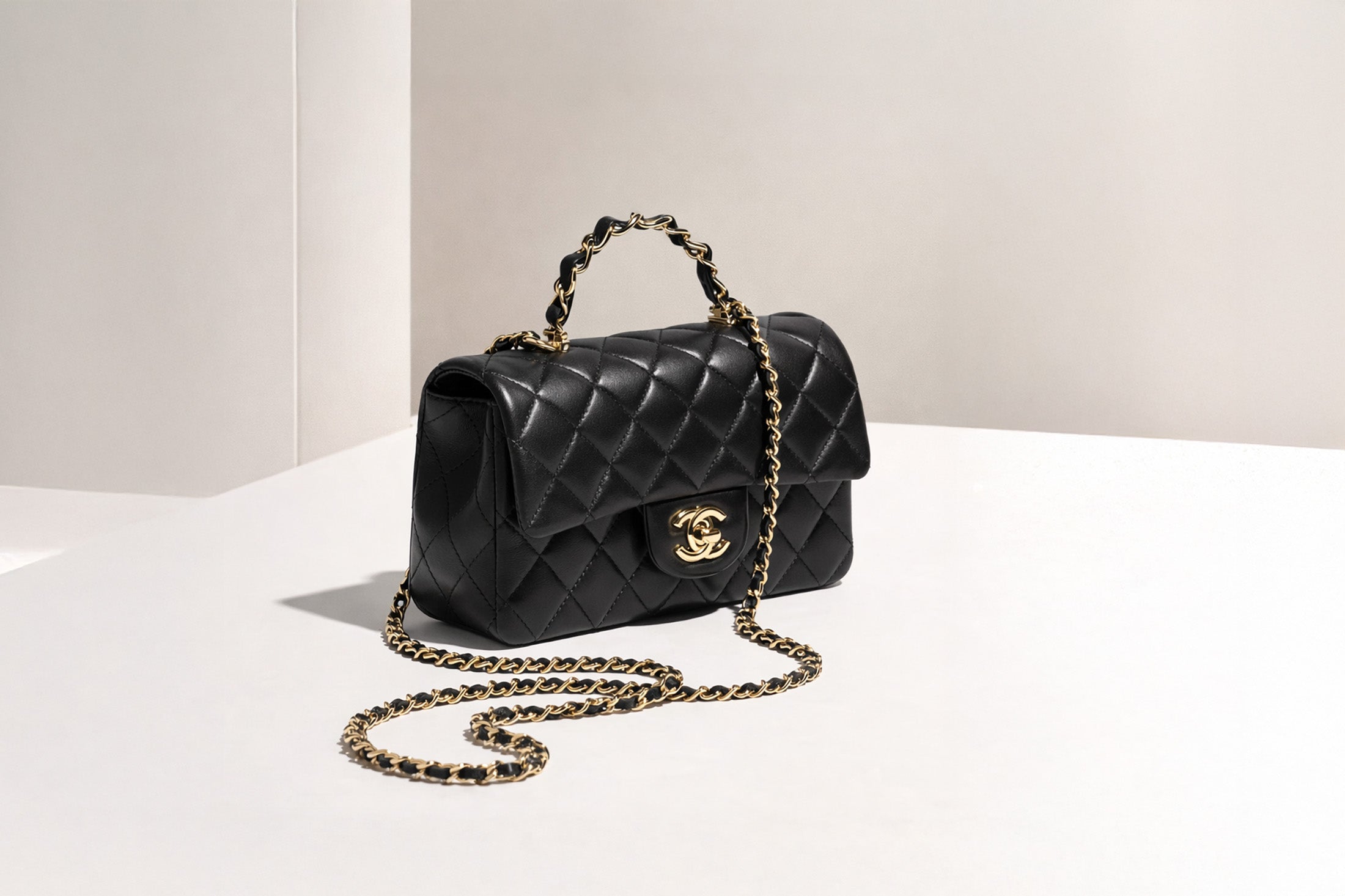
The Classic Flap Mini is probably the most recognizable mini Chanel makes. Buyers love it for the CC turn-lock, the quilted leather, and the woven chain strap.
It’s a favorite in the pre-owned world because it holds value so well. Rare colors, pastels, seasonal shades, do especially well. The Mini Square version is a bit more structured than the rectangle, so you get some choice there.
Key features buyers look for:
- Real CC hardware
- Good condition lambskin or caviar leather
- Full, undamaged chain strap
- Original dust bag and authenticity card
The Classic Flap Mini works for both day and night, which is probably why so many first-time Chanel buyers start here. It’s a safe way in, style-wise and investment-wise.
Boy Bag Mini
The Boy Bag Mini is for buyers who want something a little edgier. Launched in 2011, it’s got bold rectangular hardware, a thick chain, and a more structured shape, definitely a shift from Chanel’s softer classics.
Pre-owned Boy Bag Minis in unusual textures or colors can get pricey. Calfskin, patent, and exotic leathers are especially popular. The quilting is more geometric than the classic diamond, so it stands out.
Popular Boy Bag Mini versions:
- Chevron quilting
- Smooth calfskin
- Metallics
- Two-tone colorways
People often mention how well the Boy Bag pairs with casual outfits, denim, leather, you name it. It’s got a vibe that’s different from the other Chanels in their closets.
Chanel 2.55 Reissue Mini
The 2.55 Reissue Mini is for buyers who care most about heritage and craftsmanship. Created in February 1955, this style actually came before the Classic Flap and uses a rectangular Mademoiselle lock instead of the CC.
In the pre-owned market, the Reissue stands out for its all-chain strap (no leather woven in). Collectors love the burgundy lining, a nod to Coco Chanel’s past. The aged calfskin gets a gorgeous patina with time, making older versions really special.
2.55 details collectors want:
- Rectangular turn-lock (not CC)
- All-metal chain strap
- Burgundy lining
- Aged or distressed leather
Buyers picking the 2.55 Reissue Mini usually already own other Chanels and want something that feels closer to the brand’s roots.
Material Selection: Leather, Hardware, and Unique Textures
When we size up pre-owned Chanel minis, the materials really set the tone. The leather type affects durability and looks, while hardware tells us a lot about authenticity and how well the bag’s aged.
Preferred Leathers: Caviar and Lambskin
Caviar leather is the reigning champ in the pre-owned market. It’s a grained calfskin with a pebbled surface that shrugs off scratches and water. We see buyers gravitate toward caviar for daily use, it keeps its shape and hides scuffs better.
Lambskin is a whole different ballgame: super soft, almost buttery, with a glowy finish. It makes colors pop, especially black and brights. The downside? It’s delicate. Lambskin scratches easily and needs careful storage.
Pre-owned buyers check lambskin condition closely. Light scratches can sometimes be buffed out, but deep marks or corner wear drop the value fast. Light-colored lambskin is riskier, think color transfer from jeans, so darker shades are safer bets.
Hardware Finishes and Details
Hardware is a quick authenticity check and a sign of wear. Chanel uses gold-tone, silver-tone, ruthenium, and light gold. Gold and silver-tone are the most popular.
The hardware should feel solid, not flimsy. Chains shouldn’t be hollow. Buyers look at the CC turn-lock, zipper pulls, and chain links for even finish, no flaking or weird discoloration. Silver-tone hardware can tarnish over time, but if it’s badly worn, that’s a red flag.
Original hardware condition matters. Even a small scratch on the turn-lock can turn off buyers, since replacing it kills the authenticity.
Exotic or Limited-Edition Materials
Exotics are a different world, python, alligator, and galuchat (stingray) show up on some Chanel minis. Galuchat is surprisingly tough, even if it looks delicate. Since Chanel stopped making exotics in 2018, these bags have only gotten rarer and pricier.
Tweed is pure Chanel, going back to 1925, and pops up in fun colors and patterns. Tweed minis are for collectors who want something unique, but they snag more easily than leather. Canvas, like the mini Deauville, is casual and cool but doesn’t hold value as well as leather.
Assessing Condition and Completeness of a Pre-Owned Chanel Mini Bag
The shape a pre-owned Chanel mini is in makes or breaks its value, and how happy you’ll be when you open the box. We always check wear patterns and make sure the original accessories are there.
Signs of Use and Wear
Start with the outside. Check for scratches, color transfer, and stains. Corners and edges are wear hotspots, look for scuffs or exposed material.
Hardware tells a story too. It should feel hefty. Look for fading, scratches, or worn plating on the chain, turn-lock, and zippers.
Inside, open the bag and check the lining for stains, smells, or rips. Pocket stitching should be tight, no loose threads.
Stitching everywhere should be even and snug. Chanel’s quilting is super precise, so weird patterns or loose stitches are a warning sign. If you’re looking at a classic flap, count the stitches per quilted square.
Checking for Original Accessories
A real Chanel dust bag protects the leather. It should be black or white with a clean Chanel logo, fakes often mess up the font or placement.
The authenticity card is a must. The serial number should match the sticker inside. Cards have changed over the years, so check what’s right for your bag’s age.
Some sellers include the box, receipt, or care booklet. These add value, but aren’t essential for proving authenticity. Missing accessories usually knock 10-15% off the resale price, but a mint-condition bag without them can still beat a worn one with all the extras.
Investment Value and Long-Term Considerations
Pre-owned Chanel mini bags tend to hold their value better than most luxury goods. Some models even appreciate over time. The resale market keeps growing, and knowing which bags keep or gain value helps you make smarter choices.
Resale Trends and Value Appreciation
The secondary market for Chanel minis keeps humming, especially for the classic styles in black, beige, or other neutrals. If you check the numbers from luxury resale platforms, you’ll see that well-cared-for pieces often hold on to 85-120% of their original retail price. Some vintage Chanel minis? They can even jump 20-100% above what they originally cost.
Why does this happen? For one, Chanel keeps bumping up retail prices, so older bags start looking like smart buys. A mini Classic Flap you snagged three years ago might now cost 60% more at the boutique, which makes the pre-loved route pretty tempting.
Caviar leather usually wins out over lambskin for long-term value, mainly because it stands up better to wear and tear. Black and beige bags are the safest bets if you care about resale, while seasonal colors can be a bit of a wild card. Minis that come with all their original extras, authenticity cards, dust bags, the works, tend to go for about 10-15% more than those missing these bits.
Desirable Models and Limited Editions
The mini Classic Flap and mini Chanel 2.55 have a permanent spot at the top of the pre-owned charts. Their timeless look and reputation in the fashion world give them an edge. The mini Boy Bag’s also picking up steam with folks who want something a little less traditional.
Limited editions and discontinued colors? Those are like catnip for collectors. Minis from special collections or collabs often go up in value faster than the regular lineup. Things like rare hardware or unique quilting can really boost a mini’s investment appeal.
Vintage Chanel bags made before the ‘90s are especially sought after, provided they’ve kept their shape and original hardware. If you find one with 24k gold-plated details, that’s a real bonus, they just don’t make them like that anymore.
Sustainable Fashion and Ethical Appeal of Pre-Owned Chanel
Picking up a pre-owned Chanel mini doesn’t just save you some cash, it’s a move toward sustainability. You’re keeping a luxury piece in circulation, which means less demand for new stuff and less environmental impact. More and more, people are waking up to how fashion affects the planet, so buying vintage or pre-loved Chanel just feels right.
Environmental Benefits
Every time you buy a pre-owned Chanel, you’re reducing the need for new manufacturing. That means fewer raw materials used, less energy burned, and less waste overall. The fashion industry’s a big polluter, so going vintage helps, even if it’s just a little.
Building a new luxury bag takes a lot, leather, chemicals, shipping, packaging. When you buy pre-loved, you skip all that. A classic mini from the ‘90s or early 2000s offers the same craftsmanship and style as today’s releases, but with none of the extra environmental baggage.
Chanel bags are built to last. With a bit of care, they’ll stick around for decades. That’s a big reason why pre-owned is so sustainable. Unlike fast fashion, which falls apart in no time, a vintage Chanel mini can look good and work well for generations.
Circular Luxury Fashion
The pre-owned market is really changing how we think about luxury. Instead of buy-use-toss, it’s about keeping things in play for as long as possible. Chanel minis, in particular, hold their value, so people have a reason to look after them and pass them on.
Buying pre-owned Chanel means you’re part of a loop where luxury bags circulate, not pile up in landfills. This is especially true for minis, which often get more valuable as the years go by.
There are now platforms that authenticate and make it easier to buy and sell pre-owned Chanel. You can find vintage pieces that just aren’t available new, and you’re making a more ethical choice at the same time. It’s a way to enjoy luxury without ignoring the planet.
Frequently Asked Questions
If you’re thinking about buying a pre-owned Chanel mini, you’ll want to know how to spot a real one, check its condition, and figure out if the price makes sense. Knowing what to look for can really boost your confidence.
How can you distinguish between a genuine and counterfeit pre-owned Chanel mini bag?
Start with the stitching, real Chanel minis have tight, even stitches (usually 10-11 per inch on the quilting). The CC logo hardware lines up perfectly: right C overlaps left at the top, left C overlaps right at the bottom.
The leather should feel rich and supple, never plasticky or chemical-smelling. Inside, the stamp is clean and crisp, and the font matches what Chanel used that year.
Serial numbers (on the authenticity sticker) follow a pattern for each production year and should line up with the bag’s features. The sticker itself should look layered and dimensional, not flat or like it’ll peel off easily.
What are the marks of quality to look for in the leather and stitching of pre-owned Chanel mini bags?
Look for lambskin that’s still soft but not creased up, or caviar leather with even pebbling. The leather should age gracefully, think a bit of patina, but not cracks or peeling.
Stitching needs to be straight, with no loose threads or missed spots. The quilted diamonds should have corners that meet up neatly.
Edges should be finished cleanly, no fraying or splitting away from the bag. Pay close attention to hardware spots, since they’re usually the first to show wear.
Is there a guide for identifying the era or collection of a Chanel mini bag based on its features or serial code?
Chanel serial numbers changed over the years. Bags from the ‘80s and early ‘90s have seven digits; from 1997 to 2004, it’s eight digits starting with 5, 6, or 7.
Since 2005, the codes start with 8 through 14, and the first two digits point to the year. Starting in 2021, Chanel put microchips in the lining instead of serial stickers.
Different collections have their own quirks, special chains, closures, or materials. Even the look of the authenticity card changed over time.
What should I check to ensure the hardware on a pre-owned Chanel mini bag isn't excessively worn or damaged?
Check the chain straps for tarnish, discoloration, or spots where the plating’s rubbed off to the base metal. The links should move smoothly without sticking or gapping.
The CC turnlock should turn easily and sit straight when closed. If it wobbles or feels loose, that’s a red flag.
For zippers, make sure they glide without catching or coming apart. The pull should have a clear Chanel logo, not scratched up or faded from heavy use.
Are there any tips for verifying the authenticity of the accompanying authenticity card or receipt with the bag?
Real Chanel cards have a hologram that matches the bag’s serial number and looks 3D when you tilt it. The card should feel sturdy, not flimsy or bendy.
Double-check that the serial number format fits the bag’s production year. Chanel never laminates their authenticity cards, so if you see a laminated one, that’s not right.
If there’s a receipt, it’ll have store details, a clear product description, and should match the bag’s serial number if possible. That said, lots of legit pre-owned bags don’t have the original receipt, it’s not a dealbreaker.
Could you offer advice on what price point to expect for a pre-owned Chanel mini bag in mint condition versus well-loved?
If you're eyeing a pre-owned Chanel mini bag in mint condition, especially in those classic colors, expect to pay about 15–25% less than the current retail price. Of course, that's just a ballpark; the specific model and how much people want it can nudge that number up or down. Sometimes, limited edition shades or discontinued styles actually go for retail or even more. Wild, right?
Now, for bags that have seen a bit of life, maybe some scuffs, faded corners, or a little loss of shape, you'll usually find them at around 40–60% of retail. If it's got heavy wear or needs a pro to fix up the leather, don't be surprised if the price drops to 50–70% below retail.
Caviar leather minis tend to hang onto their value better than lambskin, mainly because they're tougher and don't scratch as easily. Classic shades like black, beige, or navy are usually more stable in price, while the trendier or seasonal colors bounce around a lot more.
