

Vintage vs Modern Chanel Bags: Which Is a Better Investment Today?
TL;DR
When comparing vintage vs modern Chanel bags as an investment, there is no single winner. Vintage Chanel bags usually offer a lower entry point, more distinctive era-specific details, and stronger upside when rarity, condition, and provenance align. Modern Chanel bags offer cleaner condition, easier authentication, and a more straightforward resale story, especially for icons such as the Classic Flap. The better choice depends on your budget, your confidence in assessing authenticity and wear, and how soon you may want to sell. If you want less risk and easier ownership, modern often makes more sense. If you want character, scarcity, and room to buy well, vintage can be the more compelling option.
Check out our Chanel collection!
Vintage vs modern Chanel bags is one of the most important questions in luxury resale because the answer is not only about style. It is about entry price, condition, craftsmanship, collectibility, and how easily a bag can be sold later.
That is where the comparison becomes useful. Vintage bags can offer more personality, rarer details, and a lower cost of entry. Modern bags bring pristine condition, contemporary documentation, and a more predictable buying and selling experience. This guide breaks down the design, materials, practicality, and resale considerations that matter most so you can decide which Chanel era fits your budget, taste, and long term goals.
Key Takeaways
- Vintage Chanel bags often offer a lower entry point and stronger collector appeal, but they demand sharper judgment on condition, authenticity, and restoration risk.
- Modern Chanel bags are usually easier to authenticate, easier to resell, and better suited to buyers who want cleaner condition and a more predictable ownership experience.
- The best investment is not simply vintage or modern. It is the right model, in the right condition, bought at the right price for the way you plan to own it.
Featured Products


Core Investment Considerations
When weighing vintage against modern Chanel, three things matter most: how much you want to spend, how confident you are at spotting fakes and judging condition, and how soon you might want to sell. This is where the difference between predictability and potential becomes clear.
| Factor | Vintage Chanel | Modern Chanel |
|---|---|---|
| Entry point | Usually lower on comparable iconic models | Usually highest at current boutique pricing |
| Condition risk | Higher, with wear, storage history, and restoration to assess | Lower at purchase, with fewer unknowns |
| Authentication complexity | Higher, especially for older pieces | Lower, with clearer contemporary documentation |
| Collector appeal | Often stronger when era-specific details survive | Strongest in current icons and standout seasonal releases |
| Resale profile | Can outperform when bought well, but more variable | Usually easier to price and move |
Entry Cost and Upside
Vintage Chanel bags usually cost less than a comparable current boutique purchase. That lower entry point matters because percentage gains can look stronger when the starting price is lower. A well bought vintage piece can therefore feel more compelling on paper, especially when it carries desirable details that are no longer available in store.
Modern Chanel bags tend to follow a different pattern. They benefit from current market familiarity, boutique condition, and the support of Chanel’s long running price positioning. For buyers who want a clearer benchmark at the time of purchase, that can feel safer even if the upside is often less dramatic than a truly special vintage find.
Condition, Authentication, and Liquidity
Condition is where the two paths really split. Modern bags are easier for buyers to assess because the structure, leather, hardware, and overall presentation are clearer from the start. Vintage bags require a closer look at leather dryness, corner wear, chain integrity, hardware finish, lining, odor, and any sign of restoration or hidden damage.
Authentication also matters more with vintage. The older the bag, the more important provenance becomes. Original receipts, serial stickers, period-correct details, dust bags, and independent authentication can all influence buyer confidence. When it is time to sell, that confidence often translates into faster movement and less negotiation.
Modern Chanel bags usually enjoy stronger liquidity for mainstream buyers because current styles are easier to price and compare. Vintage can be less predictable, but truly strong examples of the Classic Flap, 2.55, and other recognizable icons still attract serious demand when condition and authenticity align.
Signature Style Differences: The 2.55, Classic Flap, and Beyond
Before vintage or modern can be evaluated as an investment, the design language needs to be understood. Chanel’s most important bags are linked across eras, but the details that collectors notice are often exactly what separate a merely desirable bag from a deeply collectible one.
The 2.55 and the Roots of Chanel Flap Design
The 2.55 set the standard for Chanel flap bags. Its rectangular Mademoiselle lock, burgundy lining, and chain strap created the foundation of the silhouette that still defines the house. That history is part of why vintage 2.55 bags and later Reissues continue to command collector attention.
The appeal is not only historical. The 2.55 carries a quieter kind of luxury because the lock is logo-free and the overall design reads more understated. For buyers who care about provenance, subtlety, and direct connection to Chanel’s design history, that distinction matters.
How the Classic Flap Changed the Formula
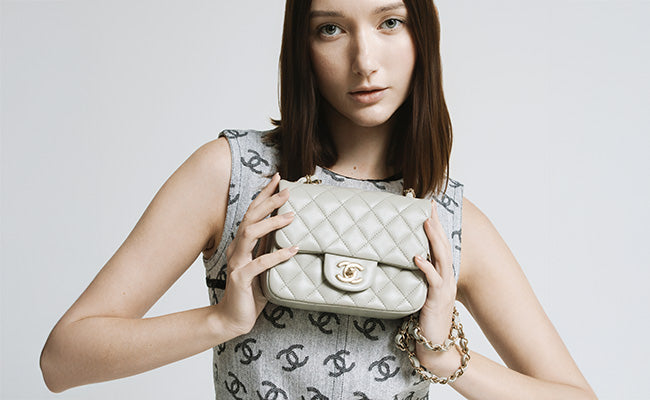
When Karl Lagerfeld reinterpreted the flap bag, the interlocking CC clasp and leather woven chain helped turn it into the modern Classic Flap. Today, that version is the most recognizable face of Chanel handbag culture, and it remains one of the easiest Chanel bags to sell because buyers understand it immediately.
The core silhouette has remained remarkably consistent, but vintage and modern examples do not feel identical. Vintage bags can show deeper quilting, older hardware tones, and details that signal a specific era. Modern bags feel cleaner, more standardized, and more in line with current boutique expectations.
Why Discontinued Details Matter
Discontinued colors, earlier hardware finishes, older linings, and seasonal variations are part of what gives vintage Chanel its edge. If a buyer wants an older detail that is no longer offered, the secondary market becomes the only route. That kind of demand is different from modern scarcity because it is built on disappearance rather than a recent limited release.
Material and Craftsmanship: What Sets Vintage and Modern Apart
Material and construction are where many buyers form the strongest opinions. Chanel has long worked within a recognizable visual language, but the hand feel, weight, and finish of a bag can shift meaningfully from one era to another.
Leather, Quilting, and Overall Feel
Chanel’s best known leathers remain lambskin and caviar. Lambskin reads softer and more refined but tends to show wear more easily. Caviar is more textured, more forgiving, and often preferred by buyers who care about everyday durability and resale practicality.
Vintage Chanel bags often reflect the character of their era. Older bags may feel denser, show deeper quilting, or present leather textures that differ from current production. That does not automatically make them better, but it does make them different, and those differences are often central to collector appeal. Modern bags, by contrast, usually feel more consistent from piece to piece, with cleaner finishing and a more uniform look.
Caviar usually wins on durability. Bags that stay in strong condition are easier to live with, easier to resell, and easier to price with confidence. That is true across eras, but a well preserved vintage caviar bag often stands out because it has already proven how well it can wear.
Hardware, Chains, and Construction Details
Collectors frequently gravitate toward earlier hardware because it can feel richer in tone and heavier in hand. Vintage chains and woven leather sections can also develop a patina that newer bags simply do not have yet. For some buyers, that aging is part of the romance. For others, it is a sign that the bag will need gentler handling.
Modern hardware and chain construction feel more standardized. That consistency appeals to buyers who want fewer surprises and cleaner long term maintenance. The tradeoff is that modern bags can feel less distinctive when compared side by side with a strong vintage example.
Quilting tells a similar story. On older bags, the channels often appear deeper and the overall look more dimensional. Newer bags typically read sleeker and more uniform. Neither approach is inherently superior, but they create very different impressions in hand and on the shoulder.
What This Means for Longevity
Longevity is not only about era. It is about storage, use, climate, and care. A well kept vintage Chanel bag can age beautifully and remain highly desirable. A poorly stored one can carry problems that no amount of polishing will fully solve. Modern bags benefit from newer finishes and a shorter history of wear, but once used heavily they are judged just as critically on the resale market.
Functionality and Ownership Experience
Investment value matters, but so does how the bag fits into daily life. A Chanel bag that is easy to carry, easy to organize, and easy to maintain is often easier to justify keeping, which shapes long term satisfaction.
Interior Design and Everyday Use
Vintage Chanel interiors tend to be simpler. Many older flap bags focus on essential compartments and signature pockets rather than contemporary style organization. That simplicity appeals to purists, but it can feel less practical if you carry cards, technology, and more everyday items.
Modern Chanel bags usually offer a slightly more structured interior and a more familiar layout for current use. Small adjustments in slot placement, pocket design, and overall rigidity can make a meaningful difference if the bag is meant to move from day to evening rather than live mostly in a collection.
Wearability, Comfort, and Risk Tolerance
Chain weight, strap comfort, and leather condition affect wear more than many buyers expect. Vintage chains can soften, stretch, or simply feel different after decades of use. Modern straps are generally easier to evaluate at a glance. That makes modern bags the less stressful choice for buyers who want to use their Chanel regularly.
Vintage, however, offers something modern cannot replicate. It brings age, individuality, and design context. If your goal is daily convenience, modern often wins. If your goal is collector presence and a sense of history, vintage can be far more satisfying.
Rarity, Collectibility, and Long Term Value
Rarity drives prices in the luxury resale world, but not all scarcity works the same way. Modern Chanel can feel exclusive because of seasonal drops and limited availability. Vintage rarity works differently because it is shaped by survival, condition, and the gradual disappearance of specific details from the market.
Limited Editions vs Natural Scarcity
Modern special editions can create immediate buzz, but it is not always clear which releases will remain desirable years later. Some pieces become long standing favorites. Others feel exciting in the moment and then settle back into the market once the novelty fades.
Vintage bags benefit from a more established kind of scarcity. Over time, bags are worn, damaged, altered, or simply lost, which means well kept survivors from earlier decades become harder to source. That kind of rarity is something a new bag cannot imitate, no matter how limited the release may seem at launch.
Condition, Provenance, and Documentation
For vintage Chanel, condition and provenance are inseparable from value. Strong stitching, clean interiors, intact structure, and hardware that still presents well can dramatically change how a bag is priced. Original receipts, serial stickers, dust bags, and period correct details further strengthen the case for value.
Modern Chanel also benefits from full presentation, but the penalty for missing extras is often less severe than it is with vintage. Collectors tend to be more forgiving of light wear on an older bag when the piece is rare and honest. They are far less forgiving of restoration that obscures the bag’s original character or of documentation that does not align with the era.
This is why the best vintage investments are rarely accidental. They are usually the result of careful buying, strong authentication, and discipline around condition.
Final Thoughts
There is no universal winner in the vintage vs modern Chanel bags debate. Modern Chanel is generally the better fit for buyers who want cleaner condition, easier resale, and less operational risk, while vintage is often the stronger choice for buyers who value rarity, character, and the possibility of buying well below current boutique retail. If you are deciding between eras, Rome Station can help you identify which Chanel pieces feel strongest for your collection and long term goals.
Fact Check and Data Sources
This article focuses on widely recognized differences in Chanel design eras, collector preferences, and resale considerations. Precise appreciation rates, resale percentages, and time based price projections from the original draft were softened or removed because performance varies by model, leather, size, condition, provenance, and market timing. For bag specific research, verify model details against Chanel and pair that review with expert authentication before purchasing or listing a high value piece.
Frequently Asked Questions
Is vintage or modern Chanel better for a first time buyer?
Modern is usually the easier starting point because condition and authenticity are simpler to evaluate. Vintage can be a better value, but it rewards buyers who know what to inspect or who work with trusted authentication and resale partners.
Do vintage Chanel bags always hold value better than modern ones?
No. Vintage can outperform when the bag is rare, well preserved, and bought at the right price, but value is not automatic. Modern Chanel often delivers a clearer resale path because buyers can compare current models more easily.
Which Chanel bags are generally easiest to resell?
The most recognizable icons tend to be the easiest to move, especially the Classic Flap and the 2.55 family. Resale becomes stronger when the bag is in good condition, correctly described, and supported by documentation or trusted authentication.
What matters most when buying vintage Chanel as an investment?
Start with model, condition, authenticity, and price. Era specific details can add real appeal, but they only matter if the bag remains structurally sound and believable for the period. The most successful purchases usually come from disciplined selection rather than impulse buying.
