

How Wear Patterns Affect Chanel Bag Valuation During Consignment
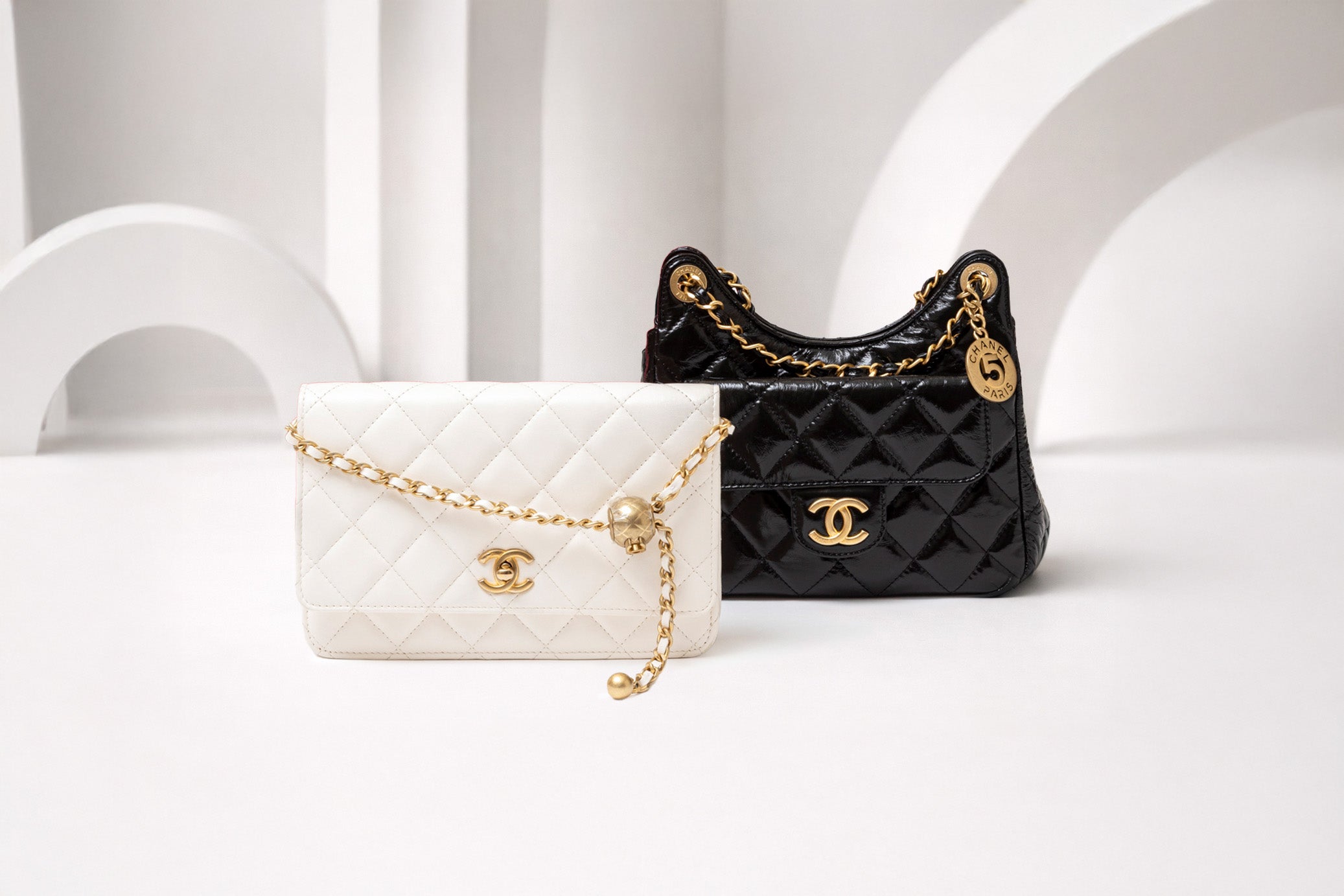
Check out our Chanel collection!
Chanel bags are more than just status symbols, they're investments. But when it comes time to consign, that iconic CC logo only gets you so far. Condition is everything. Even minor wear can drop resale value by 20-40%. Pristine bags? Those can fetch a premium, sometimes even above original retail.
You'd be surprised how many Chanel owners overlook tiny details that impact value. A little scuff on a Classic Flap corner, a hint of chain tarnish on a Boy Bag, these things can turn a strong offer into a letdown. Knowing which wear patterns matter most helps sellers prep their bags and set realistic expectations for consignment.
Learning how experts evaluate wear, what instantly hurts value, and what counts as normal aging versus actual damage can really help when you're selling your Chanel.
Key Takeaways
- Specific wear patterns like corner scuffs, hardware scratches, and leather creasing can seriously affect resale prices
- Chanel materials age differently, caviar hides wear better than lambskin
- Having documentation, authenticating your bag, and understanding demand all help you get the best consignment value, even if your bag isn't perfect
The Importance of Condition in Chanel Bag Consignment
Condition is the main thing dictating what a pre-owned Chanel can bring on the resale market. The gap between a well-kept bag and one with obvious wear can be thousands of dollars. Sellers and buyers both have to get this right.
How Wear Patterns Influence Resale Value
Wear patterns and price go hand in hand. A Classic Flap in near-flawless condition can retain 80-90% of its value. Throw in some moderate wear and that drops to 50-60%.
Resale sites use condition grades like "pristine," "excellent," "very good," and "good." Each step down usually means a 15-25% hit to value.
Not all Chanels are equally forgiving. Caviar leather keeps its looks and value better than lambskin, those little pebbles really do hide scratches. Limited editions? Sometimes they hold up in value even with some wear, but condition still matters a lot.
We've seen collectors lose out on big returns because they overlooked small issues, letting them snowball into major problems.
Assessing Visible Wear: Corners, Handles, and Hardware
Corners tell the story of a bag's life. Scuffs or worn spots there shout "heavy use" and can slash value by 20-30%. Even minor rubbing can bump a bag down a grade.
Handle wear is another biggie. Top handles pick up oils and dirt from hands, so light leathers darken and crack. If handles are really discoloured or feel weak, expect a 15-20% drop in value.
Hardware is where you can really tell if a bag's been loved or neglected. We look for:
- Chain straps: Tarnish, missing links, kinks
- Turnlocks: Scratches, finish loss
- Zippers: Discolouration, missing enamel
- Plate stamps: Faded or scratched interior logos
Gold-plated hardware ages naturally. Light tarnish on vintage bags is usually fine, but if hardware is really beat up, you'll probably need to fix it before consignment.
Common Types of Wear and Their Impact on Pricing
Leather damage is the biggest concern for Chanel value. Lambskin scratches can mean a 10-25% value drop, depending on where and how bad. Deep scratches or water damage? Those make it tough to get top dollar.
Structural issues hit hard:
| Wear Type | Value Impact |
|---|---|
| Sagging or misshapen | -25% to -40% |
| Loose stitching | -15% to -25% |
| Detached lining | -20% to -30% |
| Broken chain links | -15% to -20% |
Interior condition surprises a lot of sellers. Stains, pen marks, weird smells, they can knock off 10-20%. Sticky or peeling lining? That'll need professional help.
Edge paint wear is a newer problem. Recent Chanel bags have painted edges that show wear faster than vintage ones. If the paint's really chipped, value drops 10-15%.
Sun damage and fading are tough. Even a little colour shift can push a bag to a lower grade, especially with rare colours collectors obsess over.
Evaluating Specific Wear Patterns on Iconic Chanel Styles
Every Chanel style shows wear its own way, and this affects consignment value. Quilting, hardware, leather, all these details age differently, and buyers pay close attention.
Classic Flap and 2.55 Reissue: Retaining Value Despite Wear
The Classic Flap and 2.55 reissue are the workhorses of the pre-owned market. Even with moderate wear, they often keep 70-85% of their value because they're just that iconic.
Corner wear shows up first at the bottom where the quilting meets the base. Lambskin makes this more obvious than caviar, but both hold value well. The chain on a Classic Flap gets a patina over time, and honestly, some collectors prefer that look.
The 2.55's rectangular lock scratches easier than the CC turnlock, but buyers expect that on used bags.
What we check for:
- Flattened quilting at high-contact spots
- Chain tarnish or plating loss
- Scuffed corners and colour loss
- Interior wear and logo clarity
Boy Bag, Chanel 19, and Coco Handle: How Modern Styles Age
The Boy Bag can be tricky. Its bold look attracts buyers who want it pristine. Hardware wear on the chunky chain and lock hurts value more than with classics.
The Chanel 19 ages fast because of its soft, puffy build. Goatskin creases and slouches quickly. Some love that "lived-in" vibe, others see it as a flaw. The woven chain also snags and pulls more than traditional ones.
Coco Handle bags combine vintage and modern. The top handle wears at the grip points, faster than on shoulder bags. The hex hardware and lizard handle need careful checks, since replacements drop value.
Wallet on Chain and Seasonal Bags: Wear Trends to Watch
The Wallet on Chain (WOC) gets heavy creasing where the flap folds, especially in lambskin. Its long chain strap shows wear fast, since it supports more weight relative to its size. Kinks and twists are tough to fix and can cut value by 15-25%.
Limited editions and seasonal bags lose value faster if they're worn, since their appeal depends so much on condition and novelty. The Chanel 22, for example, gets slouchy, which some buyers like and others hate. Subjective? Absolutely, and that means bigger price swings.
Material Matters: Leather Types and Longevity
Leather choice totally changes how your Chanel ages and what it’s worth later. Lambskin wears fast, caviar shrugs off most abuse. Hardware and colour also play big roles in how a bag patinas, sometimes in ways buyers adore, sometimes not.
Lambskin Versus Caviar Leather: Wear Resistance Over Time
Lambskin is plush but delicate. Bags pick up corner wear, scratches, and colour transfer from jeans or dark clothes in no time. That buttery finish feels great, but it shows every little mark.
Caviar's pebbled texture and coating make it tougher. Scratches hide in the grain, and it's more water-resistant. We've seen caviar flaps used daily for years look better than lambskin ones after just a few months.
Caviar usually gets higher resale prices. Buyers pay more for caviar bags with little wear, while lambskin has to be nearly perfect to get top dollar. Even small scratches on lambskin can cost you 15-20%, but similar marks on caviar barely matter.
Still, perfect lambskin in rich black or bold colours can pull in amazing prices, there's just something about that depth of colour.
Colour and Hardware Choices: Visible Ageing and Value
Light lambskin shows every smudge. Beige and white bags pick up colour transfer, handle stains, and edge wear that are impossible to hide. Darker shades keep their looks longer, though corner wear still shows up on black lambskin.
Gold hardware ages better than silver. Gold keeps its shine, while silver scratches and dulls quickly. Buyers often prefer gold hardware for its classic look and durability.
Black caviar with gold hardware? That's the sweet spot for resale. It hides wear and appeals to the widest group of buyers, often bringing in 70-85% of original price if it’s in good shape.
Authenticity and Documentation: Upping Your Consignment Value
Documentation can turn a Chanel from just another luxury bag into a true investment. Original cards and accessories make a real difference in how consignment shops price and promote your piece.
Role of the Authenticity Card and Dust Bag
The authenticity card is basically your bag's passport. It has a serial number matching the one inside the bag, and newer cards have holograms that are tough to fake. No card? Consignment shops usually have to pay for third-party authentication, which isn't free.
We've seen bags in similar condition get 15-20% different valuations just because one has the card and the other doesn't. The card makes things easier for everyone and boosts buyer confidence.
The dust bag also matters. Real Chanel dust bags have specific stitching, fabric, and logos that are hard to copy. Having the dust bag shows you cared for the bag and makes authentication easier.
Why Provenance and Receipts Matter
Original receipts are gold, especially for vintage or rare Chanels. They prove authenticity and show when and where you bought the bag. Receipts from flagship boutiques (think Paris) carry even more weight than those from department stores, and that can nudge up the resale price.
Bags with full paperwork are easier to market to serious collectors, who are often willing to pay more. Missing docs won't block you from consigning, but it does mean extra work for the store and might lower your offer. Some shops won't take bags without cards; others just offer less to cover authentication costs.
The Consignment Process: What Sellers and Buyers Should Know
Grading systems decide what your Chanel will fetch. Where and how you list it can mean a quick sale at market price, or months of waiting.
Professional Grading Systems and How They Work
Consignment platforms use set grading systems to judge condition and set prices. Usually it's a five-tier scale: Pristine (never used, tags still on), Excellent (barely any wear), Very Good (light wear, small flaws), Good (obvious wear but still usable), and Fair (heavy wear, needs work).
Luxury Resale Platforms: Maximizing Your Bag's Potential
When you want to sell Chanel bags, different platforms fit different needs. If you have a rare or highly collectible piece, auctions through Christie’s might make sense. They’ll want plenty of provenance documentation, and they usually charge a 10-15% seller premium. These auctions work best for pristine bags that could spark a bidding war.
How Wear Influences Auction and Listing Strategies
Wear patterns really shape your selling strategy. Buyers there expect top quality and are willing to pay for it. These platforms’ broad reach and authentication services help justify their higher commissions, at least for the best pieces.
If your bag is in very good condition but not flawless, using pricing tools and accurate condition descriptions can help it sell more quickly. It’s appealing for buyers who want a deal and aren’t too picky about light wear.
Bags with fair condition or specific wear, like darkened handles or scuffed corners, might take longer to sell and may need more detailed listing descriptions. There, you can explain every detail and negotiate directly with buyers looking for project bags or spare parts. Pricing these 40-55% below retail and uploading clear photos of all wear usually brings in serious buyers within a couple of weeks.
Market Demand and Chanel Price Increases: Wear and the Bigger Picture
Chanel’s steady price hikes have changed how we see wear in the resale market. Sometimes, a little wear actually makes a bag more appealing, not less. Keeping an eye on retail price trends helps you position your bag, whatever its condition.
Resale Demand for Bags with Light Wear
Chanel’s price increases have fueled demand for gently used bags. When a Classic Jumbo Flap that cost $6,400 in 2019 now sells for $12,200 at boutiques, buyers turn to pre-owned options with only minor wear to dodge the retail markup.
Bags with light corner wear or small hardware scratches still fetch strong prices. They offer buyers a way into Chanel below retail. A bag with a bit of patina might sell for 15-20% less than a pristine one, but that’s still a good deal compared to buying new.
Consignment platforms see lightly worn Chanel bags sell faster before expected price hikes. Buyers know even a used Classic Flap is a better value than waiting for new stock, especially with Chanel’s twice-yearly price jumps.
Chanel Price Hikes and Secondary Market Impact
Chanel’s 4-5% price increases in 2025 pushed up resale values across all conditions. The Classic Flap jumped $500 for every size, nudging more buyers to consider pre-owned bags.
These hikes affect worn bags differently than flawless ones. Mint bags may rise with retail prices, but bags with obvious wear hold steady based on their usefulness, not just investment appeal. A well-loved Medium Double Flap can keep its value because it offers authentic Chanel at a more approachable price.
The Boy Bag now retails between $6,700 and $7,600, so worn versions fill the gap for buyers hunting under $5,000. People still want the brand, even if the bag isn’t perfect.
Vintage Chanel Bags: When Wear Adds to the Appeal
Vintage Chanel bags play by different rules. Here, age-appropriate wear actually adds authenticity. A 1990s Classic Flap with gentle patina and brass hardware oxidation looks genuine, not damaged.
Collectors seek out vintage bags with natural wear that shows years of careful use. The leather should feel supple, not dry, and the hardware should have even toning. These details help confirm age and authenticity.
Oddly, pristine vintage Chanel bags sometimes raise eyebrows. If a 30-year-old bag looks untouched, people wonder if it’s been over-restored or stored oddly. Light to moderate wear on vintage bags can reassure buyers and often sells faster than suspiciously perfect examples.
Frequently Asked Questions
Condition assessment means looking for specific wear, knowing how different materials age, and understanding which repairs are worth it. Authentication paperwork and good preventive care also influence what you’ll get on consignment.
What subtle signs of wear should you look for in a Chanel bag before considering its value for consignment?
We always check hardware first, scratches, tarnishing, or plating loss on the CC turn-lock and chain straps tell you a lot about handling.
Leather edges and piping need a close look. Even minor fraying or color loss here can drop the value by 10-15% since it’s tough to fix invisibly.
Don’t forget the interior lining. Stains, pen marks, or makeup residue are easy to miss but consignment specialists spot them, and interior damage is tough to reverse.
Corner wear shows up even with gentle use. Scuffed or exposed leather at the corners means the bag was set down a lot, maybe without a dust bag.
How can the type of material and colour of a Chanel bag influence the visibility of wear and impact its resale price?
Caviar leather hides wear well. Its pebbled texture camouflages scratches and scuffs, so caviar bags usually keep higher resale value than smooth leathers.
Lambskin is a different story. It’s soft and beautiful but shows every mark. Some collectors love the patina, others see it as damage, so prices can swing.
Black is safest for resale, wear disappears into the dark color. Lighter shades like white or pastel show every smudge and mark, and that can mean resale prices drop 20-30% compared to black.
Patent leather is tricky. Scratches don’t show much, but color transfer from jeans or other materials is permanent and really hurts value.
Can the presence of original packaging and authenticity cards drastically affect the valuation of a Chanel bag during consignment?
Having the full set, box, dust bag, authenticity card, care booklet, can boost your bag’s value by 5-10%. Buyers see these as proof of authenticity and careful ownership.
The authenticity card is especially important for bags made after 2005, when Chanel added hologram stickers with matching serials. Without the card, authentication gets harder and some platforms charge extra for verifying.
Vintage bags from the ‘80s and ‘90s can still get great prices even without original packaging, since they predate modern authentication. For those, condition and provenance matter more than paperwork.
Missing dust bags are easy to replace and don’t really affect value. But if a recent bag’s missing its authenticity card, buyers might hesitate.
What's the deal with creases and corner wear when it comes to appraising the value of a pre-loved Chanel?
Creasing on lambskin is normal, especially on flap bags where the leather folds. Light creases usually only drop value by 5-10% as long as the leather’s still supple.
Deep creases that crack the leather are a bigger problem. They can cut value by 25-40% since they change the bag’s shape and can’t be fully fixed.
Corner wear is the most common issue. Minor scuffs at the base corners might only reduce value by 5-8%, but if the corners are exposed or damaged, repair is needed and prices can drop 15-20%.
The Classic Flap’s quilting hides small imperfections better than smooth styles like the Chanel 19. Quilting creates shadows that make little flaws less obvious.
How does regular maintenance and professional bag spa treatments play into the resale value of a Chanel bag?
Regular care, conditioning, storing properly, using base shapers, helps the leather stay soft and the bag keep its shape. Bags that get this kind of care usually sell for 10-15% more than neglected ones.
A professional cleaning before consignment is usually worth it. A good spa treatment runs $150-300 but can lift the bag’s appeal by cleaning off dirt, refreshing hardware, and improving the overall look.
Fixing small things like loose stitching, light scratches, or tarnished hardware before selling is smart. It shows buyers the bag was well cared for.
If you’ve had professional restoration done, keep the receipts. Documentation from reputable leather specialists reassures buyers the repairs were done right, not just patched up.
Is it worth getting minor wear and tear fixed before consigning your Chanel, or will the repair costs outweigh the potential increase in valuation?
Hardware replacement or replating usually runs $200-400, but for bags with really tarnished chains or locks, that fix can bump resale up by $500-800. If the hardware looks rough, this repair tends to pay for itself and then some.
Corner repair sits at about $150-300. If the base has obvious scuffs or wear, fixing those up can add $400-600 to the value. So, for bags with beat-up corners, it's often a smart move before sending them off to consignment.
Interior cleaning is less pricey, think $75-150. Most stains and odors come out, and a fresh interior just feels better for buyers. It can help you land a higher price within your bag’s condition bracket.
Now, if you’re looking at big repairs, like swapping out whole panels or going for a full re-dye, those can cost $500-1000 or more. In most cases, you won’t get that money back at resale. Plus, heavy restoration sometimes makes buyers wonder about the bag’s past. Sometimes, it’s honestly better to just accept a lower price and let the next owner decide what’s worth fixing.