
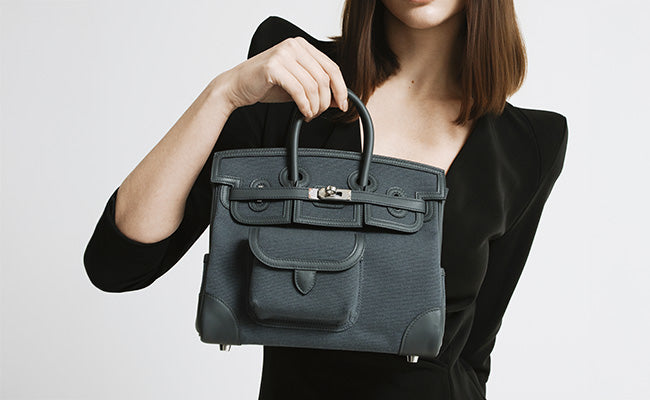


How to Verify Trust Signals Before Buying From a Hermès Reseller
TL;DR
Before buying from a Hermès reseller, verify the seller as carefully as the bag. Strong Hermès reseller trust signals include a clearly explained authentication process, a written authenticity guarantee, detailed condition reporting, transparent business information, realistic pricing, secure payment options, and accessible after-sale support. Review photographs of the actual bag, ask about restoration and ownership history, and read the return terms before paying. Original packaging or receipts may support a listing, but they do not prove authenticity on their own. Avoid sellers who use stock images, hide material flaws, pressure you to act quickly, or require unprotected payment methods. The safest purchase comes from an established specialist that stands behind its inventory and provides enough information for you to make a confident decision.
Check out our Hermès collection and Birkin bags!
When you are shopping for an authentic Hermès bag from a reseller, the source matters just as much as the bag itself. A Birkin or Kelly may look convincing in photographs, but appearance alone cannot confirm its authenticity, condition, restoration history, or long-term desirability.
The most reliable approach is to evaluate a combination of Hermès reseller trust signals rather than relying on one certificate, receipt, review, or verbal promise. A credible seller should be transparent about how the bag was authenticated, how its condition was assessed, what is included, and what happens if the item is materially misrepresented.
This guide explains how to examine authentication standards, provenance, condition disclosures, pricing, policies, reputation, and buyer protections before committing to a high-value Hermès purchase.
Key Takeaways
- Prioritize resellers with a documented authentication process, written guarantee, transparent policies, and an established business presence.
- Review the bag’s actual photographs, condition report, restoration history, accessories, and available provenance before purchasing.
- Treat unusually low pricing, vague descriptions, pressure tactics, and unprotected payment requests as serious warning signs.
Start by Verifying the Reseller, Not Just the Bag
A trustworthy transaction begins with the seller’s identity, history, and willingness to accept responsibility. Even an impressive listing should not replace basic business verification.
Confirm the Business Is Established and Reachable
Look for a legal business name, a physical location or verifiable operating address, clear contact information, and a professional website. Established resellers should make it easy to understand who they are, how long they have operated, and how clients can reach them before and after a purchase.
Review the seller’s presence beyond its own website. Independent customer feedback can help reveal patterns involving accurate descriptions, communication, shipping, refunds, and authenticity concerns. A few negative reviews are not necessarily disqualifying, but repeated complaints about the same issue deserve attention.
Evaluate the Seller’s Hermès Expertise
Hermès authentication requires deeper category knowledge than a general familiarity with luxury handbags. Specialists should understand leather types such as Togo, Clemence, and Epsom, along with hardware finishes, blind stamp formats, model construction, colour combinations, and changes across production periods.
A knowledgeable reseller should also be able to explain why a particular bag is desirable, how its condition affects its value, and whether its specifications are consistent with the stated era. Vague language and an inability to answer detailed questions may indicate that the seller lacks the expertise required for a high-value Hermès transaction.
Look for Accountability After the Sale
Trust is not established only through friendly communication before payment. Review what support remains available after the transaction. A reputable reseller should provide a formal invoice, written authenticity terms, clear contact information, and a defined process for addressing a material condition or authenticity concern.
Examine the Authentication Process and Guarantee
Professional authentication is one of the most important trust signals, but the phrase “authenticity guaranteed” has little value unless the seller explains what that promise means.
Ask Who Performs the Authentication
Work with resellers that use experienced in-house specialists, qualified independent authentication services, or a combination of both. The seller should be able to describe the process without relying on statements such as “we know it is real” or “it came from a trusted client.”
A meaningful review may consider the bag’s construction, stitching, leather, hardware, stamps, proportions, materials, and consistency with the claimed production period. Sophisticated counterfeits can reproduce individual details, so authentication should evaluate the item as a whole.
Understand the Limits of Certificates and Receipts
An authentication report may support a purchase, but it should not be treated as a substitute for the reseller’s own responsibility. Ask whether the report identifies the item clearly and whether the reseller provides a written remedy if authenticity is later challenged.
Original receipts can strengthen provenance, but receipts may be lost, altered, or separated from the original bag. Packaging and accessories can also be replaced. No single document or accessory should be treated as conclusive proof.
Hermès states that it cannot guarantee or verify the authenticity of products purchased outside an official Hermès point of sale. Buyers purchasing through the resale market must therefore assess the reseller’s expertise, documentation, policies, and guarantee together.
Review the Written Authenticity Guarantee
Read the actual guarantee rather than relying on a badge or promotional phrase. It should explain what the reseller guarantees, whether the protection has a time limit, what evidence is required to raise a concern, and whether the remedy is a refund, store credit, or another resolution.
Rome Station provides a lifetime authenticity guarantee, giving clients a clear commitment that continues beyond the initial transaction.
Assess the Bag’s Condition, Restoration, and Accessories
Authenticity and condition are separate questions. A bag can be authentic while still having significant wear, replaced components, third-party restoration, or missing accessories that affect its desirability and value.
Require Detailed Photographs and Condition Reporting
A credible reseller should provide photographs of the actual bag rather than generic or stock images. The listing should show the front, back, base, corners, handles, interior, hardware, closure, stitching, blind stamp area, and included accessories.
Condition descriptions should be specific. Terms such as “excellent” or “gently used” are not enough without supporting details. Look for clear disclosure of corner wear, handle darkening, scratches, interior marks, loss of structure, edge wear, odour, hardware patina, and any functional concerns.
Distinguish Natural Wear From Material Damage
Corner wear, light hardware scratches, and handle patina are common on pre-owned Birkins and Kellys. These signs do not automatically make a bag undesirable, particularly when they are consistent with its age and accurately reflected in the price.
Deep cracking, heavy colour loss, sticky interiors, strong odours, distorted structure, or damaged hardware require closer attention. Ask for additional photographs or a video when the listing does not clearly show the affected area.
Ask About Restoration Before Buying
Restoration can include recolouring, spot dye, edge repainting, restitching, hardware replacement, structural work, or interior repair. Authenticity and originality are not the same. A genuine bag may no longer remain fully original after extensive intervention.
Trustworthy resellers disclose known restoration before the purchase. Ask whether work was completed through Hermès or by an independent atelier. Hermès offers maintenance and repair services for its objects, while third-party work may involve different materials or techniques. The distinction can matter to collectors seeking highly original examples.
Confirm What Is Included
A full set may include the original box, dustbag, lock, keys, clochette, rain cover, care materials, and available purchase documentation. The exact inclusions vary by model, era, and previous ownership.
Accessories do not authenticate a bag, but they can strengthen completeness and collector appeal. The reseller should list every included item and clearly identify anything that is missing, replaced, or not believed to be original to the bag.
Compare the Price With the Bag’s Specifications
Pricing should reflect the complete profile of the bag, including model, size, leather, colour, hardware, condition, rarity, completeness, and current demand. The lowest price is rarely the most important factor in a luxury resale purchase.
Compare Like With Like
A Birkin 25 should not be compared directly with a Birkin 30 simply because the leather and colour are similar. The same applies to Kelly Sellier and Kelly Retourné constructions, which may attract different buyers.
When evaluating comparable listings, match as many specifications as possible:
| Factor | What to Compare | Why It Matters |
|---|---|---|
| Model and size | Birkin, Kelly, Mini Kelly, and exact dimensions | Demand varies significantly by silhouette and size |
| Leather and colour | Material, shade, and consistency with the stated era | Some combinations attract broader collector interest |
| Hardware | Finish, condition, and originality | Hardware can influence appearance and desirability |
| Condition | Wear, structure, restoration, and odour | Condition directly affects buyer confidence |
| Completeness | Accessories, packaging, invoice, and available provenance | A more complete set may appeal to collectors |
Understand Rarity Without Assuming It Guarantees Value
Special orders, discontinued colours, unusual leather combinations, and exotic materials may command stronger prices, but rarity alone does not create demand. A highly personalized combination may be difficult to replace while still appealing to a narrower group of buyers.
Ask the reseller to explain why the asking price is appropriate. The answer should connect the price to the bag’s specifications and condition, not simply describe every Hermès bag as an investment.
Treat Unusually Low Prices With Caution
A price that sits far below comparable authentic examples may reflect heavy wear, restoration, missing components, limited demand, or a serious authenticity concern. A legitimate discount should have a clear explanation supported by the listing.
Do not allow a low price to replace proper verification. High-value counterfeit transactions often rely on urgency and the belief that the buyer has found a rare bargain.
Review Policies, Payments, and Buyer Protection
A reseller’s policies show how much responsibility it is prepared to accept. Read them before making an offer, paying a deposit, or authorizing a transfer.
Read the Return Terms Carefully
Confirm whether returns are accepted, how quickly a concern must be reported, what condition the item must be in, and whether the refund is issued to the original payment method or as store credit. Also review any exclusions for international transactions, discounted items, deposits, or special orders.
A restrictive return policy is not automatically improper when it is disclosed clearly, but it increases the importance of completing all condition and authenticity checks before payment.
Use Traceable Payment Methods
Credit cards and established payment platforms may provide more documentation and dispute options than cash, cryptocurrency, or an unprotected transfer. Payment terms should match the professionalism expected from a high-value luxury business.
Be cautious when a seller unexpectedly changes payment instructions, directs funds to an unrelated individual, or pressures you to bypass the company’s normal checkout process.
Watch for Pressure and Evasive Communication
High-demand bags can sell quickly, but urgency should not be used to prevent reasonable due diligence. A trustworthy seller should answer questions about the bag’s condition, authentication, restoration, ownership history, and policies without becoming defensive.
Refusal to provide additional photographs, inconsistent descriptions, generic answers, and repeated pressure to pay immediately are significant warning signs.
Use a Final Trust Signal Checklist
Before completing the transaction, review the entire purchase rather than allowing one positive detail to outweigh several concerns.
- The reseller has a verifiable business identity and established operating history.
- The seller demonstrates specific Hermès knowledge.
- The authentication process and written guarantee are clearly explained.
- The listing uses detailed photographs of the actual bag.
- The condition report identifies wear, damage, odour, and restoration.
- Included accessories and documentation are listed accurately.
- The price is consistent with the bag’s model, size, materials, condition, and demand.
- Return, shipping, and dispute terms are available before payment.
- The payment method is traceable and issued to the correct business.
- The seller provides professional communication and after-sale support.
No single trust signal is enough on its own. Confidence comes from seeing authentication, transparency, accountability, and service working together.
Final Thoughts
The best way to reduce risk when buying from a Hermès reseller is to verify the seller’s expertise, guarantees, policies, condition reporting, and reputation before focusing on the excitement of the bag itself. For immediate access to authenticated, carefully selected Hermès pieces, explore Rome Station’s collection with the support of a trusted Canadian Hermès resale specialist.
Fact Check and Data Sources
This guide avoids unsupported price percentages and treats receipts, packaging, stamps, and certificates as supporting evidence rather than standalone proof of authenticity. Hermès confirms that products purchased outside its official points of sale cannot be authenticated or guaranteed by the brand, and its official craftsmanship materials describe the hand-applied saddle stitch used in Hermès leatherwork.
Hermès official authentication guidance
Frequently Asked Questions
What are the most important trust signals to check before buying from a Hermès reseller?
Does an original Hermès receipt prove that a resale bag is authentic?
What photographs should I request before purchasing a pre-owned Birkin or Kelly?
How can I tell whether a Hermès reseller understands condition and long-term value?
Should a Hermès reseller disclose previous restoration or repair work?
Why does Rome Station’s lifetime authenticity guarantee matter when buying a Hermès bag?
Can Rome Station help buyers access rare Hermès bags without a boutique waitlist or pre-spend?
Love Hermès? See More from Rome Station
Add us to your Preferred Sources on Google to see our newest Hermès guides and insider tips first.