How to Tell If Your Chanel Bag Qualifies as a “Collector Piece”
Check out our Chanel collection!
Not every Chanel bag is a collector piece, even if you shelled out a hefty sum for it. The difference matters, true collector pieces tend to gain value over time, while most luxury bags lose some of their shine (and value) as soon as you walk out of the boutique.
A Chanel bag becomes a collector piece when it's rare, historically important, crafted with exceptional skill, and stays in demand enough to drive its value above retail.
Knowing what to look for helps separate a gorgeous handbag you love to wear from an investment-worthy piece that deserves a spot in a real collection.
Let’s dig into what actually sets collector pieces apart. From authenticating history to recognizing those iconic details, these tips should help you figure out if your Chanel bag might be more than just a pretty accessory.
Key Takeaways
- Collector pieces stand out for rarity, historical context, and special materials, not just high prices
- Original paperwork and packaging can make or break a bag’s collector status and value
- Iconic designs from specific eras, limited runs, and discontinued styles usually show the best appreciation
Defining a Chanel Collector Piece
A Chanel collector piece is more than just a luxury bag. It’s rare, historically important, and holds value in a way that ordinary boutique bags just can’t match.
Core Criteria for Collector Status
Limited production is the backbone of collector status. If Chanel made fewer than 500 of a bag worldwide, or kept it exclusive to certain boutiques or regions, collectors take notice.
Historical significance is huge. Bags designed by Karl Lagerfeld during key years, like his debut in 1983 or his last show in 2019, carry built-in collector appeal. Virginie Viard’s earliest pieces are starting to catch attention too.
Unique materials and design details can push a bag into collector territory. Think crocodile, python, or rare tweeds from specific mills. Unusual hardware finishes, ruthenium, aged gold, or special colors, also set certain bags apart.
Provenance and documentation matter a lot. Having the original receipt, authenticity card, and dust bag proves a bag’s legitimacy. If a celebrity owned it or it walked the runway, auction houses like Christie's and Sotheby's will pay extra attention.
Distinction from Regular Chanel Bags
Chanel’s regular bags stick around in boutiques year after year. The Classic Flap and Boy Bag are beautiful, but they’re not collector pieces unless they boast rare materials or come from a significant collection.
Collector pieces don’t get restocked. Once they’re gone, you’ll only find them on the resale market, and prices tend to go up fast. Regular bags might get pricier each year, but collector pieces appreciate because they’re scarce and in demand.
On the secondary market, the difference is obvious. Regular Chanel bags usually resell for around retail or a bit more. True collector pieces can go for two, three, even four times their original price.
Key Signs Your Chanel Bag Might Be a Collector Piece
Some traits make a Chanel bag more than just a luxury accessory. Rarity, historical relevance, and exclusivity are the big ones that drive up long-term value.
Limited Edition Releases
Chanel occasionally produces limited edition bags in tiny numbers, often tied to runway shows or seasonal collections. These bags usually have special materials, colors, or embellishments that won’t show up again.
Métiers d’Art collections are especially sought after, thanks to the craftsmanship from Chanel’s specialist ateliers. Bags from these lines often feature intricate embroidery, rare leathers, or unusual hardware. Some have doubled or tripled in value just a few years after release.
Look out for numbered editions or bags with paperwork confirming their limited status. Some were only available at select boutiques or in certain countries, making them even tougher to track down now.
Discontinued Models
When Chanel retires a popular style, collectors often scramble to find it. Classic examples? The Classic Flap in rare sizes or the original Boy Bag before design tweaks.
Chanel sometimes drops certain hardware finishes, leathers, or color combos. Bags with these discontinued details get more desirable as time passes. Styles discontinued because they were expensive to make, not because they were unpopular, often become especially collectible.
Signature Collaborations
Chanel doesn’t do many collaborations, so when they do, it’s a big deal. Karl Lagerfeld sometimes worked with artists or created one-off pieces for charity.
Bags made for special events, like exhibitions or pop-ups, fit here too. They often have unique touches that nod to the collaboration or event. Authenticating these is key, since high values mean fakes are out there.
Examining Your Chanel Bag's Provenance
A bag’s history can make a huge difference in its collector status. Complete records and original packaging can sometimes double a bag’s appeal to serious collectors.
Original Ownership and Documentation
Honestly, clear ownership history is a big deal when it comes to value. If you can trace your bag back to its first purchase, especially if a notable figure owned it or it was part of a known collection, you’re holding something special.
The ideal? A full chain of custody, receipts or paperwork from each owner, with dates matching the bag’s production. Even a single missing link can make collectors wary.
Celebrity provenance or documented runway appearances can send values soaring. Bags worn by famous people or featured in Chanel’s own archives have fetched three to five times the usual resale price at places like Christie’s and Sotheby’s.
Receipts, Certificates, and Box Sets
Original packaging can turn a collectible bag into a museum-worthy piece. The box, dust bag, authenticity card, care booklet, and purchase receipt, all in good shape, really matter.
The authenticity card needs to match your bag’s serial number. Chanel’s hologram stickers have changed over the years, and collectors check these against production databases. If the numbers don’t match, it’s a red flag.
Receipts from Chanel boutiques provide solid proof of authenticity and original price. These are especially valuable for limited editions or discontinued bags. Store everything in acid-free envelopes or boxes to keep them from aging badly.
Craftsmanship and Material Indicators
The materials and techniques Chanel used can reveal a lot about whether a bag is collectible or just a nice vintage piece. Some leathers, hardware, and stitching only appeared in certain eras or limited runs.
Exceptional Materials
Collector pieces often feature materials you just don’t see in modern Chanel bags. Lizard, python, and crocodile skins were more common in the ’80s and ’90s, especially in bold shades like emerald or sapphire.
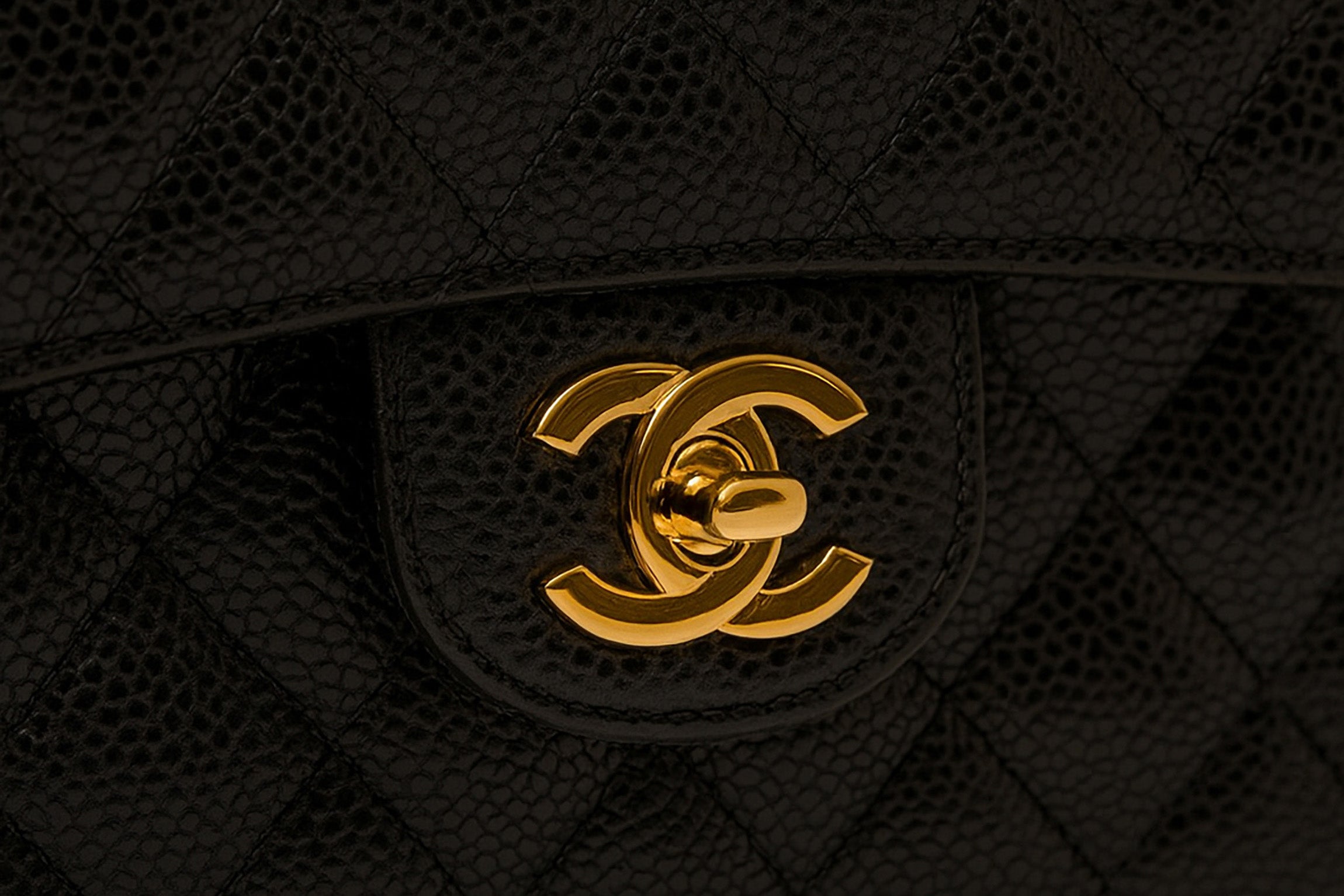
Caviar leather has changed too. Late ’90s caviar had a finer, softer grain, while today’s is tougher and more textured. Lambskin quality also varied, some vintage bags are insanely soft, almost buttery, in a way that’s tough to find now.
Lining matters. Vintage Chanel from the ’80s often used burgundy or brown leather linings, not the textile linings you see today. Certain grosgrain weaves also point to specific production periods.
Artisanal Techniques
Hand-stitching is a signature of collector pieces. If you look closely, hand-stitched bags show tiny variations in stitch tension and spacing, machines are just too perfect.
Older chain straps were more labor-intensive to make. Vintage bags often have chains woven with leather using methods that took real time. These chains feel heavier and different from modern ones.
Quilting depth and pattern can also hint at collectibility. ’80s diamond quilting is puffier and more dramatic than today’s. Some limited editions have unique quilting, chevron or geometric patterns, for example.
Details Unique to Vintage Models
Hardware finishes can help date a bag. Gold-plated hardware from the ’80s and early ’90s has a richer, warmer tone than modern gold. Some vintage pieces have an aged patina that collectors actually love.
The CC turn-lock has changed over the years. Early versions are a bit chunkier and have a different click. Turn-locks from the ’80s also feel heavier and more solid.
Serial numbers and their placement have evolved. Late ’80s bags have hologram stickers in different spots than 2000s bags. Some super-rare pieces predate serial numbers entirely.
Market Value and Appreciation
A real collector piece doesn’t just hold its value, it grows, often outpacing inflation and other luxury investments. The difference between a nice bag and a true collector piece really shows up in what they fetch on the resale market.
Current Resale Trends
Collector-worthy Chanel bags typically sell for 1.5 to 4 times their original price. The Classic Flap in exotic skins from the ’90s and early 2000s often goes for double retail or more at Sotheby’s and Christie’s.
Limited editions, especially from collaborations or anniversaries, tend to appreciate the fastest. Bags from the 2008 Reissue 2.55 anniversary line, for example, are now selling for three times what they cost new.
When Chanel raises its retail prices each year, older collector pieces look even more attractive to buyers. The Boy Bag in rare colors or materials has gone up about 180% since 2011.
Notable Auction Results
Some collector pieces have hit wild prices at auction. A vintage Chanel crocodile flap bag sold for $72,000 at Christie’s in 2019, five times its estimate.
Bags from Karl Lagerfeld’s final runway collection have sold for $15,000 to $25,000. They weren’t always the priciest at retail, but their historical weight boosted their value.
When Sotheby’s auctioned a full set of Chanel’s 2008 Paris-Moscow bags, they fetched $180,000 total. Individual bags from tiny capsule collections regularly go for three to five times retail at luxury auctions.
Spotting Iconic Chanel Collector Pieces
Some Chanel bags are just legendary in the collector world, thanks to their history, tiny production runs, or design quirks that scream a certain era.
Classic Flap and Variations
The Classic Flap might be the most recognizable Chanel shape, but not every one is a collector piece. We look for special details that set some flaps apart.
Bags with 24k gold hardware from the ’80s and early ’90s are especially prized. Limited colors and exotic skins, especially older croc or python, draw serious collectors. Runway versions with unique embellishments or artist collaborations count too.
Size can matter. Jumbo and maxi flaps from certain years are rare. Early mini flaps from the ’90s, before they became a regular item, are also hot tickets.
Original paperwork, receipts, authenticity cards, dust bags from the right era, makes a Classic Flap even more collectible.
Chanel 2.55 Reissue
Karl Lagerfeld brought back the original 2.55 in 2005 for its 50th anniversary, and the Reissue line was born. These bags use the Mademoiselle lock, not the CC turn-lock, and stick close to Coco’s 1955 design.
Early Reissues from 2005-2008 are especially collectible. The aged calfskin leather from those years developed a patina that later bags just don’t have. Metallic finishes and special anniversary details also help.
Pay attention to the chain strap, early Reissues used a different weight and finish. The burgundy lining should be rich and consistent, just like the 1955 original.
Collectors love Reissues in rare sizes, especially the 226 and 228, which were made in smaller numbers.
Ultra Rare Styles
Some Chanel bags are collectible simply because they’re so rare. The first Boy Bags from 2011, especially in exotics or unusual hardware, have become collector favorites.
Vintage Chanel from the ’80s and ’90s is full of hidden gems, quilted backpacks, top handle bags, vanity cases. These capture the fashion moments of their time and often show off craftsmanship you don’t see today.
Occasionally, runway samples or press pieces hit the market through auctions. These bags might have experimental materials, prototype hardware, or colorways that never made it to stores.
Collaboration pieces like Chanel x Pharrell are instant collector items, just because of their scarcity. Bags made for special boutiques or events also tend to become collector favorites.
Frequently Asked Questions
Wondering what really makes a Chanel bag collectible? It comes down to rarity, craftsmanship, provenance, and what the market is doing. Here are some practical questions to help you evaluate your bag’s investment potential.
What elements make a Chanel bag rise to the status of a collector's treasure?
A few things really push a Chanel bag into collector territory. Limited production runs? That's a big one, scarcity always amps up the chase for serious collectors. Bags from iconic collections, like the 2.55 reissue or standout pieces from Karl Lagerfeld’s most influential years, carry a certain historical magic.
Materials matter, too. We're not just talking about lambskin or caviar here, exotic leathers like alligator, crocodile, or python really set a piece apart. Then there are those intricate bits: hand-applied embellishments, hardware details, and construction techniques that only skilled artisans can pull off. All that craftsmanship adds a layer of allure.
Condition is huge. Bags in pristine shape, complete with their original packaging, authenticity cards, and dust bags, fetch higher prices. Sometimes, just having the protective stickers still intact means a bag will pull in way more at auction than the same style with a bit of wear.
How do I assess the rarity and craftsmanship of my Chanel bag to determine its collectable worth?
Start by figuring out your bag's season and collection. The hologram sticker inside has a serial number that tells you the year it was made. Bags from the '80s and '90s, those early serial numbers, often turn out to be much rarer.
Take a close look at how it's made. Count the stitches per inch on the quilting; authentic, collector-worthy Chanel bags usually have 10 to 12 neat, even stitches per inch. Peek at the interior lining, too. If the stitching is flawless and the logo sits just right, that’s a good sign.
If you can, dig up info about how many were produced. Some runway or regional exclusives were made in tiny batches, sometimes fewer than 100. Auction records and chats with authenticated Chanel retailers can help you figure out just how many of your bag’s style and season exist.
Can the provenance of a Chanel bag significantly influence its value as a collectible?
Absolutely, provenance can make a massive difference. Bags with a documented backstory, especially those once owned by a celebrity or fashion icon, can sell for way more than their standard price. We've seen bags tied to style icons like Princess Diana or Anna Wintour absolutely crush it at auction.
Original purchase receipts and authenticity documents help cement that provenance. Receipts from flagship Chanel boutiques, like Rue Cambon in Paris, add a nice touch of credibility and history. Hang on to any correspondence, repair receipts, or service records from Chanel, too.
If a bag’s been featured in museum exhibitions or runway shows, that’s a bonus. Catalogues or official records from those events can strengthen the story and help justify a higher price tag.
What are the telltale signs that a Chanel bag could be a wise investment piece?
Market demand is a pretty good compass. Watching auction results and resale sites gives you a sense of which styles consistently sell above retail. The Classic Flap in medium size with gold hardware, for example, tends to hold its value no matter what’s going on in the economy.
Discontinued styles often climb in value over time. When Chanel stops making a design, the ones out there become all the more precious. The Boy Bag’s journey since 2011 is a good example, seasonal colors and rare hardware options have really gained value.
Chanel’s frequent price hikes work in your favor, too. They raise prices every year, sometimes by as much as 10-15 percent. If you snagged a bag before the increase and kept it in great shape, you’ve probably already made money. Some styles now sell for double what they cost in 2015.
How does one verify the authenticity of a Chanel bag when considering its potential as a collector item?
It’s best to use a professional authentication service. Companies like Authenticate First or Entrupy have detailed processes and huge databases. Sure, it costs $50-150, but for a collector piece, it’s worth it.
You can check some details yourself, too. The CC logo on the turnlock should have the right C overlapping the left at the top, sounds picky, but it matters. The serial sticker needs to match the year’s format, and the fonts and spacing on interior stamps should be spot-on.
If you can, compare your bag to verified authentic ones. Visit a Chanel boutique, get a feel for the quality, and check out detailed auction house photos from places like Christie's or Sotheby’s, those folks have experts vetting every bag before it goes up for sale.
What are the impacts of limited editions and designer collaborations on the collector value of a Chanel bag?
Limited editions grab collector attention right away. Seasonal releases in rare colors or unusual materials, especially those with fewer than 500 made, tend to appreciate much faster than the usual models.
The Métiers d'Art collections, with their focus on unique craftsmanship, often end up as favorites among collectors.
Collaborations with artists or special commissions open up some pretty unique collector opportunities.
When Chanel teams up with contemporary artists for runway shows, they create bags that sit somewhere between fashion and art. These pieces usually land in private collections and almost never show up on the resale market.
Pre-collection and resort pieces sometimes slip under the radar for casual buyers. These lines offer experimental designs that skip many boutiques.
Some pre-collection bags from the 2000s, for example, now fetch impressive premiums because collectors initially overlooked just how scarce they were.