

How to Restore Shape in a Slouching Chanel Flap Bag
Check out our Chanel collection!
A Chanel flap bag, one of the most coveted accessories in the luxury world, can lose its structure over time, no matter how well-crafted it is.
The soft leather that makes these bags so gorgeous? It can start to sag, especially with regular use. You might notice the sides drooping or creases forming.
Honestly, it’s a little heartbreaking to see a beloved investment piece lose that sharp, rectangular silhouette.
Here’s the upside: you can bring your slouching Chanel flap bag back to life with some patience, the right materials, and a gentle touch. Steaming, careful stuffing, and proper conditioning can make a huge difference.
Whether you’ve snagged a vintage treasure or you’re trying to rescue your daily companion, knowing how to reshape your bag safely keeps it looking its best (and helps protect its value, too).
We’ll walk through how to assess your bag, pick the right tools, and actually go about the reshaping process. These are the tricks collectors and pros use to keep their bags gallery-fresh, even after years of love.
Key Takeaways
- Steam and gentle heat can help reshape Chanel bags, but always use a protective cotton covering
- Stuffing with firm materials (like books or bag shapers) helps maintain structure during and after reshaping
- Conditioning and proper storage in fitted boxes help keep the leather’s shape and prevent future sagging
Understanding the Anatomy of a Chanel Flap Bag
The Chanel flap bag’s iconic silhouette comes from a mix of materials and construction techniques. Knowing how these pieces work together makes it easier to figure out why bags start to slouch.
Classic Flap Structure
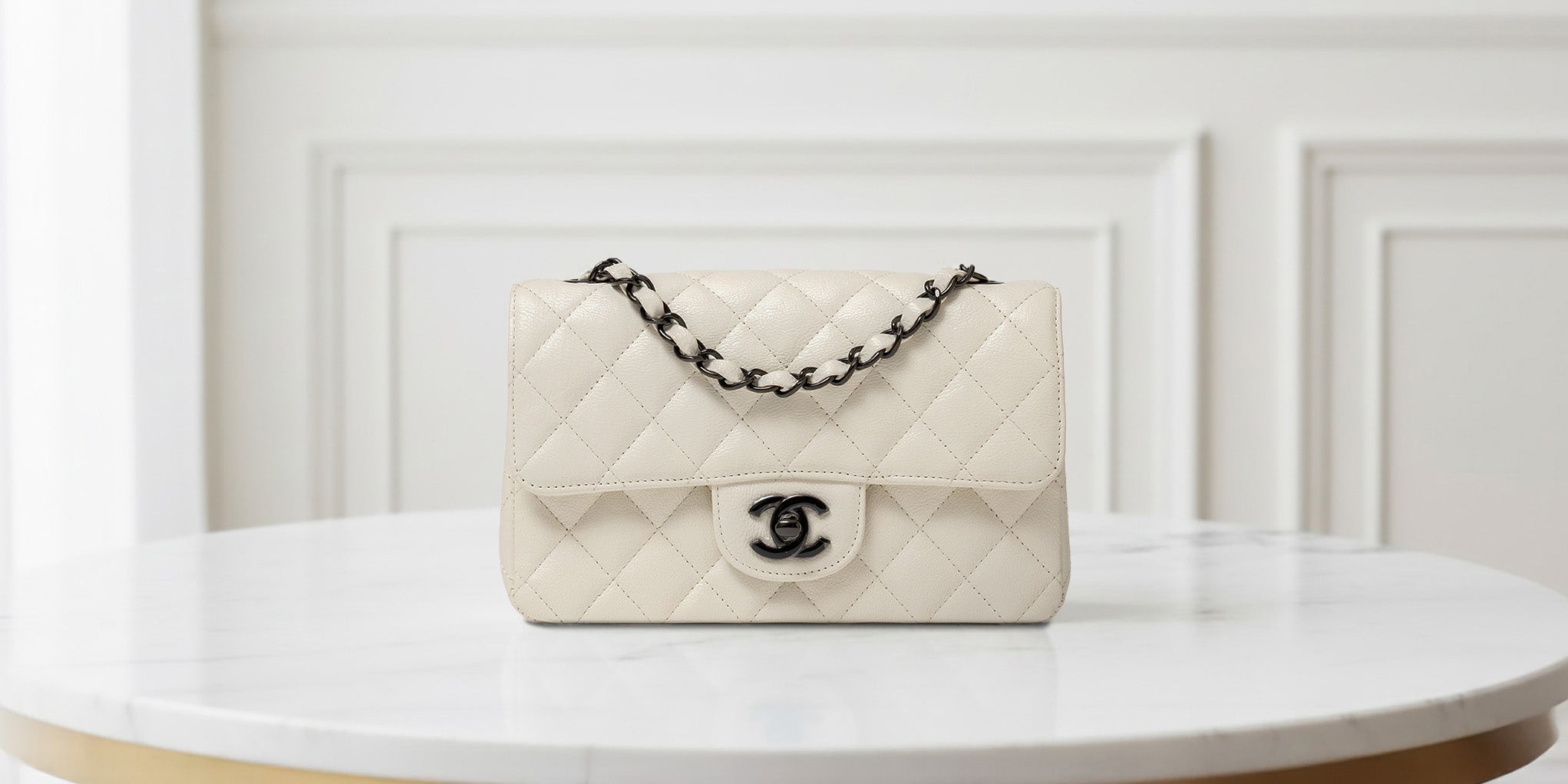
The Classic Flap’s exterior shows off that signature diamond quilting, it’s not just for looks. The stitched channels actually add internal support. Inside, there’s a leather-backed fabric lining attached to the outer shell. You’ll usually see a burgundy interior, though Chanel switches it up sometimes.
There’s a back pocket, a front flap with the CC turn-lock, and a chain strap threaded through leather-lined eyelets. Between the outer leather and the lining, there’s an interfacing material, a hidden skeleton, really, made from leather, cardboard, or synthetic stuff, depending on when the bag was made.
The base usually has extra reinforcement to keep it from sagging. If any of these parts start to break down, the bag just can’t hold its shape.
Common Causes of Slouching
Slouching usually starts when the interfacing material gives out, thanks to moisture, heat, or just age. Vintage bags from the ’80s and ’90s often used cardboard interfacing, which soaks up humidity and weakens over time.
Overstuffing is a classic culprit. If you cram too much inside, the leather stretches and pushes out the interfacing. The quilting can separate, and stitches might loosen up.
Daily use exposes bags to rain, body heat, and oils from our skin. Leather relaxes naturally, but if the internal support isn’t there, it starts to collapse. And let’s be honest, hanging your bag by the chain or stacking stuff on top during storage? That speeds up the slouching, too.
Differences in Leather Types
Caviar leather has a pebbled texture, thanks to a tumbling process during production. It’s tougher, more scratch-resistant, and keeps its shape better than the smoother leathers. The raised texture adds stiffness, so it fights slouching.
Lambskin feels buttery soft but doesn’t have the same rigidity. It’s thinner, more flexible, and more prone to losing its shape. If you’ve got a lambskin bag, you’ll probably need to restore it sooner or handle it more gently.
Calfskin is somewhere in between. You’ll see it on some seasonal releases. It holds up reasonably well, but the tanning process and thickness will affect how well it keeps the bag’s original silhouette.
Assessing the Current Condition of Your Flap Bag
Before you dive in, you need a good look at what you’re working with. A careful assessment helps you pick the right approach and avoid making things worse.
Identifying Signs of Misshaping
A classic flap should look structured and rectangular when it’s standing up or lying flat. If it’s bulging at the bottom or the sides are puffed out, that’s usually from overstuffing or bad storage.
Set the bag on a flat surface and look at it from different angles. A healthy bag sits evenly, with clean lines and a front flap that lies flat, no weird gaps or buckling.
Check the bottom corners. If they’re rounded instead of crisp, or the base feels soft when you press it, the bag’s lost some structure.
Spotting Creasing and Sagging
Lambskin, especially on older Chanel bags, loves to develop creases at stress points. Look at the fold of the flap, around the turnlock, and along the bottom where the bag bends.
If you see deep creases that stick around even when the bag’s empty, the leather probably needs moisture and some TLC. Light creasing is normal, but deep, shadowy lines mean it’s time to condition before you try reshaping.
Sagging shows up when the sides cave in or the back panel won’t stand up straight. That’s leather crying693 out for support.
Examining Hardware and Chains
The CC turnlock should sit centered and flat. If it’s tilting or the flap doesn’t close smoothly, the leather around the hardware might have stretched, or the internal structure shifted.
Check the chain attachments. If they’re loose or wobbly, the leather at those points might be tearing, which needs fixing before you do any reshaping. The chain itself should hang smoothly, not kinked or twisted.
Open and close the turnlock a few times. If it sticks or feels off, the flap could be warped and need gentle reforming.
Essential Tools and Materials for Reshaping
You’ll need the right tools to reshape your Chanel flap bag safely. It’s not rocket science, but using the wrong stuff can do more harm than good.
Choosing Appropriate Stuffing and Inserts
For stuffing, acid-free tissue paper is your best friend. It won’t transfer chemicals or color to the leather. Go for white, unprinted tissue.
If your bag is really slouched, bubble wrap (wrapped in tissue) adds extra support. For the front flap, use a bag shaper or a firm piece of cardboard wrapped in tissue.
Skip newspaper, the ink can stain. Old t-shirts or fabric scraps can work in a pinch, but only if they’re clean and colorfast. Stuff the bag firmly, but not so much that you stretch the leather or stress the stitching.
If you want a long-term fix, pick up a professional bag insert made for Chanel dimensions. They help keep the shape during storage and prevent future slouching.
Protective Cloths and Surfaces
Always work on a clean, soft surface. A thick, white cotton towel is perfect, no scratches, no stains. Microfiber cloths are good for handling the bag.
Keep lint-free cotton cloths around for applying steam or heat. You need a barrier between any heat source and the leather. Never, ever put heat directly on Chanel leather.
A white cotton muslin pressing cloth is the safest for steam. Dampen it slightly, don’t soak it. Use painter’s tape or low-tack masking tape to cover hardware if you’re worried about scratches.
Safe Use of Steam and Heat
Steam is your friend for relaxing leather fibers, but go easy. Use a garment steamer held about 15-20 cm away, close enough that you see steam, but not so close that the leather gets wet.
A hairdryer on low can work, but keep it moving and at least 30 cm away. High heat will wreck the texture and color.
Work in short bursts, 30 to 60 seconds, then let the leather cool down and see how it looks. The leather should feel just a little warm and softer, never hot. After steaming or heating, stuff the bag right away so it sets in the new shape as it cools.
Step-by-Step Methods to Restore Shape
Getting a slouching Chanel flap back in shape takes patience and a gentle touch. Here are three techniques that work especially well on caviar and lambskin.
Gentle Stuffing Technique
Start by conditioning the leather with a good leather cream. Use a microfiber cloth, rub it in with circular motions, and let it soak in for about half an hour.
Stuff the bag with acid-free tissue or bubble wrap wrapped in cotton. Please, don’t use newspaper, it can stain the lining. The goal is to fill the bag enough to push out slouches, but not so much that you stretch the quilting or stitching. Layer the stuffing gradually, checking the outside as you go. For the flap, slide in a piece of acid-free cardboard wrapped in fabric.
Leave the stuffing in for 48-72 hours in a stable, cool room, no direct sunlight. That gives the leather time to “remember” its structure.
Steam and Iron Guidelines
Steam can loosen up leather fibers, but you have to be careful. Hold a garment steamer 15-20 cm away, never touching the leather.
Work in small sections, steaming for just 3-5 seconds, then gently massage the area with your hands while it’s warm. Caviar leather usually responds well and keeps its texture.
If you use an iron, set it to the lowest heat with no steam. Put a thick cotton cloth over the area, then hover the iron 2-3 cm above, don’t touch the leather. Go in 10-second bursts, checking between passes.
Don’t steam or heat the chain strap or hardware, it’ll damage the plating.
Manual Reshaping Movements
With the bag still stuffed and slightly warm, use your hands to reshape problem spots. Press along the bottom and sides, coaxing the leather back into a boxy shape.
For collapsed corners, pinch and hold them in place for about 30 seconds, repeating a few times. The conditioned leather should be soft enough to move.
Smooth the front flap by running your palm from the CC logo down. If the quilting looks flat, gently press around each diamond to puff it back up.
Repeat this process daily for a week, and use a bag shaper insert between uses to help the bag hold its shape.
Special Considerations for Vintage Chanel Bags
Vintage Chanel bags need extra care. The materials are more fragile, and the construction isn’t always the same as newer bags. You’ll want to be gentle and patient.
Handling Delicate or Rare Materials
Older lambskin can be really thin after decades of use. Go easy with cleaning products and handling. Test any conditioner on a hidden spot first, maybe inside a pocket or on a bottom corner.
Some vintage bags use discontinued leathers or exotic skins. They react differently to moisture and heat than modern lambskin or caviar. If you’re steaming, keep the iron at least 5 cm away and work in super short, 3-5 second bursts.
Quilting on vintage bags often sits close to internal supports that might already be breaking down. Don’t force rigid inserts into these bags. Instead, use crumpled acid-free tissue to support the shape without stressing the seams.
Addressing Aged Hardware and Chain
Gold-plated hardware on a vintage Chanel bag usually starts to show its age after a couple of decades, 20 or 30 years, give or take. The plating thins out where it gets the most action, like the turn lock and those chain links. If you want that original shine back, professional replating services use 24-karat gold. Just a heads up, though: if there are deep scratches in the base metal, even gold won’t hide them.
When it comes to the chains, restoring them can get tricky. The leather woven through the links often needs to come out first, and that takes a lot of patience, especially if the leather has stiffened or gotten fragile. Honestly, I’d never try to yank toughened leather through those links at home. That’s just asking for heartbreak.
You’ll notice hardware tarnishing when it starts looking dull and brassy instead of bright gold. That’s what happens when the plating wears off and the base metal peeks through. A bit of light polishing can help, but for hardware that’s seen better days, only replating really brings it back.
Caring for Discoloured or Faded Leather
Vintage Chanel bags often lose their color after years in the sun. Black bags can turn brownish, and burgundy ones sometimes fade to a weird pink. Leather conditioner won’t bring back lost color, but it does help keep the leather from drying out and cracking even more.
If you want to restore the color, professionals clean the leather, balance the pH, and then layer on matching pigments. It’s not just dyeing, they’re careful to keep that original texture and patina. Home fixes like shoe polish? They usually just leave a waxy mess that makes things worse in the long run.
Old leather stains sink in deep, especially since the protective finish is usually long gone. Water marks and oil spots? If you try to scrub them out with harsh cleaners, you’ll probably just make it worse. The pros use pH-balanced cleaners that gently lift stains without stripping away what’s left of the finish.
Maintaining Shape and Preventing Future Slouching
Restoring a Chanel Classic Flap is only half the battle, keeping it in top shape is where the real challenge begins. Storage, support, and a bit of environmental awareness are your best friends here. If you want your investment to last, it takes a bit of ongoing effort.
Optimal Storage Solutions
Think of storing your Chanel Classic Flap like you would a piece of art. Always empty the bag before putting it away; leaving stuff inside just creates pressure points that will warp the leather eventually.
Stuffing is a must. Use acid-free tissue paper or unbleached muslin to fill out the inside. You want it firm enough to support the bag, but not so tight it stretches the leather. Pay special attention to the front flap, let it rest naturally so it doesn’t crease.
Keep the bag upright on a shelf. Don’t hang it by the chain, even if it’s tempting. The empty bag’s weight alone can stretch out the leather where the chain attaches. Pop it into its original dust bag for protection, but make sure it’s not squished up against other things.
Good airflow matters, too. Leather needs to breathe, especially caviar leather, or you’ll risk moisture and mold.
Using Purse Pillows and Organizers
Purse pillows are a game-changer for keeping that boxy Classic Flap shape. They’re not just stuffing, they’re shaped to fit the bag exactly.
Acrylic or felt purse pillows cut to size work well for the Classic Flap. They should support the inside walls without bulging or putting stress on the leather. Some bag lovers go for custom-made pillows, especially for the different sizes, small, medium, jumbo.
Organizers are handy, too. They keep your essentials in order and help spread out the weight at the bottom. For the Classic Flap, slim organizers are best so you don’t bulk things up. Compartments are key, they stop things from shifting around and pressing into the leather.
If you use the bag every day, a light organizer keeps the bottom from sagging under the weight of your phone, wallet, and keys.
Managing Environmental Factors
Heat and humidity? Basically, the enemy. Never leave your Chanel in a hot car, by a radiator, or in direct sun. Caviar leather can warp and lose its texture if it sits above 25°C for too long.
Humidity is just as important. Aim for 40-50% relative humidity where you store your Classic Flap. Too dry, and the leather cracks. Too humid, and you’ll get mold and tarnished hardware.
If you live somewhere muggy, toss a few silica gel packets in your storage area to soak up extra moisture. Swap them out every few months to keep them working. In dry winter months, a leather conditioner applied twice a year helps keep the caviar leather supple without making it floppy.
Frequently Asked Questions
Keeping a Chanel Flap Bag looking sharp means knowing how to stuff it, clean it, and store it right. Pros can handle the big repairs, but you can tackle minor slouching at home if you’re careful.
What's the trick to keeping my Chanel Flap Bag looking runway-ready and not like a well-loved pillow?
Regular stuffing and proper storage are your best bet to prevent slouching. When you’re not using your bag, fill it with acid-free tissue paper or bubble wrap to help it keep its shape.
Always store your Chanel upright on a shelf, not hanging, and definitely not buried under other bags. Stacking crushes the structure over time.
If you have a few bags, rotate them. That way, no single bag gets all the wear and ends up losing its shape.
Can you spill the tea on professional reshaping services for a high-fashion bag that's lost its oomph?
Professional restoration services like The Handbag Clinic are pros at Chanel repairs and can fix serious slouching. Their team uses special cleaning solutions, fillers, and color-matching techniques to get bags looking close to new.
Typically, they’ll deep clean, repair the structure, and treat the bag for protection. It takes a few weeks, and the cost depends on how much work your bag needs.
It’s always smart to get a quote first. Good services will assess your bag and show you previous Chanel projects so you know what to expect.
What's the inside scoop on the best DIY stuffers to maintain that pristine Chanel silhouette in my closet?
Acid-free tissue paper is still the go-to for stuffing, no chemicals, no risk of staining. Use enough to fill the bag firmly, but don’t go overboard or you’ll stretch the leather.
Bubble wrap works in the main compartment, but don’t let it touch lambskin directly. Wrapping it in a white cotton pillowcase is a good workaround.
Skip newspaper or colored tissue paper. The ink can transfer, especially if it gets humid.
Got any top-shelf advice for storage strategies that'll keep my Chanel from slouching off duty?
Store your Chanel in its dust bag on a dedicated shelf, standing upright. The dust bag keeps out light and dust but still lets the leather breathe.
Keep bags in a climate-controlled spot, away from sunlight, heat, and dampness. Extreme temps and moisture can crack leather and wreck the structure.
Don’t leave bags in their original boxes long-term. Boxes cut off airflow and can trap moisture, which leads to mold.
Can you guide me through the proper cleaning routine before I attempt to reshape my luxe Chanel companion?
Start with a soft, dry microfiber cloth to dust off the surface. Work in gentle circles, especially around seams and hardware.
For lambskin, use a cleaner made for delicate leather. Always put the cleaner on the cloth first, not directly on the bag, and test in a hidden spot.
Empty the bag and use a lint roller or soft brush for the inside. For caviar leather, you can use a bit more pressure, but avoid strong chemicals and too much water.
Are there any no-go's or horror stories I should know about when trying to bring back the structure of my iconic Flap Bag?
Never put a household iron straight onto your Chanel bag. Some folks try steam and a cotton cloth as a barrier, but direct heat? It can really mess up the leather and even melt the quilting inside. Not worth the risk.
Skip the DIY color fixes or random leather conditioners, too. If it's not made for luxury bags, it might darken the leather, leave weird residue, or mess up the finish. That'd be a disaster.
And hardware repairs? Honestly, don't try them at home. The CC clasp and chain need special tools and a careful hand, otherwise, you could end up doing more harm than good, and that'd hurt the bag's value.