
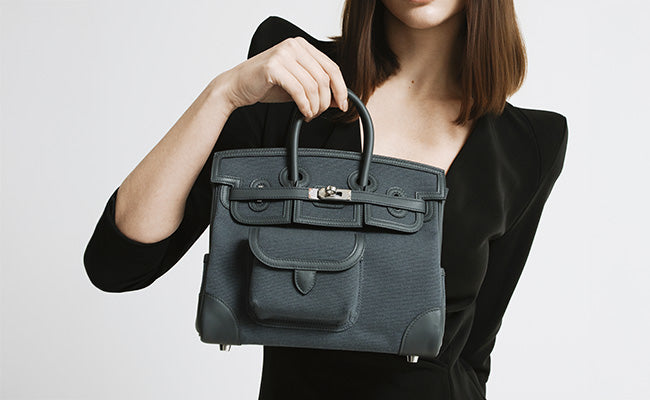
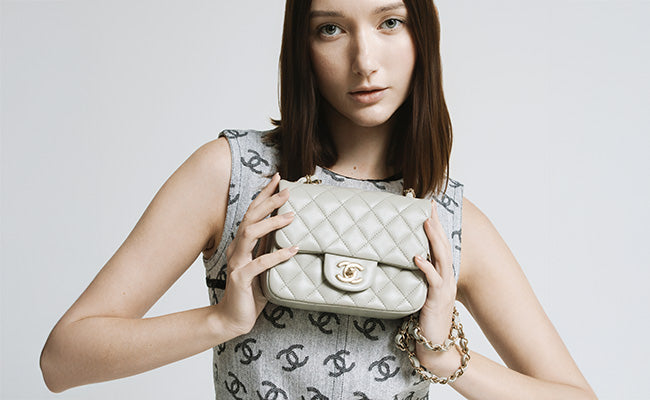
How to Identify a “Safe Buy” Hermès Bag That Will Hold Its Value Over Time
TL;DR
A safe buy Hermès bag usually means a classic silhouette with proven resale demand, a neutral colour, durable leather, strong condition, and clear authenticity. In practice, the safest options tend to be Birkin, Kelly, and certain Constance bags in shades like Noir, Gold, or Étoupe, paired with widely accepted leathers such as Togo or Epsom. This is not about chasing hype or assuming every Hermès bag will appreciate. It is about lowering risk. When model, colour, hardware, provenance, and condition all line up, you are far more likely to own a Hermès bag that stays desirable over time.
Check out our Hermès collection and Birkin bags!
People often talk about Hermès bags as if they are all automatic safe buys, but not every Hermès bag ages well in the resale market. A safe buy Hermès bag is usually defined less by hype and more by what buyers repeatedly come back to: classic shapes, versatile colours, durable leather, strong condition, and airtight authenticity.
If you want to spot the bags that keep their value, you have to look at how buyers behave, what collectors care about, and which details continue to matter once the novelty wears off. The resale market gives you plenty of clues, but only if you know how to read them.
This guide breaks down the models, materials, colour families, condition standards, and buying signals that tend to make one Hermès bag feel steady and another feel speculative, so you can buy with more clarity and less guesswork.
Key Takeaways
- Classic Hermès shapes in neutral colours tend to offer the broadest resale appeal.
- Condition, authenticity, and original accessories matter almost as much as the bag itself.
- The safest buy is rarely the loudest one. Proven demand usually beats rarity, hype, or novelty.
Featured Products


What a Safe Buy Actually Means in Hermès Resale
In luxury resale, a safe buy is less about making a dramatic return and more about reducing the chance of a disappointing exit. This is about stability, not wild appreciation. The safest Hermès purchases usually have a long record of demand across different types of buyers and different market moods.
Definition of a Safe Buy in Practice
We use the term safe buy for a pre-owned Hermès bag that stays easy to understand, easy to authenticate, and easy to resell relative to more niche alternatives. Safe buys are not always the rarest or the most expensive pieces. More often, they are the bags the market has already proven.
That usually means a recognizable silhouette, a colour with broad appeal, standard hardware, and a condition profile that does not ask the next buyer to overlook too much. When those elements line up, the bag feels less like a gamble and more like a well-judged purchase.
The Value Drivers That Matter Most
A handful of factors decide how well a Hermès bag holds its value over time. Colour is one of the biggest. Neutrals such as Black, Gold, Étoupe, and other understated tones usually reach the widest audience because they work across seasons and wardrobes.
Leather matters too. Togo and Epsom are often easier to resell because they are durable, structured, and forgiving in day-to-day use. Hardware finish can also affect desirability, with gold and palladium typically feeling safer than more niche treatments. Size matters in the same way. A well-balanced, highly usable size usually has broader appeal than an extreme format.
Just as important are the details around the bag itself: proven authenticity, clean condition, intact stitching, tidy hardware, and original accessories if available. Provenance does not replace the bag, but it does strengthen buyer confidence.
Common Misconceptions About Long-Term Value
A lot of buyers assume every Hermès bag automatically appreciates. That is not true. Some special pieces become exceptionally sought after, but many bags simply hold value better than most luxury goods rather than rising endlessly.
Scarcity can be misleading as well. A limited colour, unusual finish, or special order combination may be genuinely rare and still appeal to a relatively narrow audience. In resale, broad desirability often matters more than novelty. A classic Black Togo bag in excellent condition will usually feel safer than a rarer bag with visible wear or a much more specific look.
Which Hermès Bags Tend to Feel Safest on the Secondary Market
Once you move from theory to actual shopping, the comparison becomes clearer. Certain Hermès models, leathers, colours, and hardware pairings have a much longer record of attracting buyers than others. They are not the only worthwhile purchases, but they are often the easiest ones to justify if long-term desirability matters.
| Feature | Usually the Safer Direction | Usually the Riskier Direction |
|---|---|---|
| Model | Birkin, Kelly, and often Constance | More casual lines if resale retention is the main goal |
| Colour | Noir, Gold, Étoupe, and other restrained neutrals | Very bright, highly seasonal, or niche combinations |
| Leather | Togo and Epsom | Leathers that mark more easily or divide buyers |
| Hardware | Gold or palladium | Less established finishes with narrower appeal |
Classic Models With the Broadest Appeal
Hermès itself treats Birkin, Kelly, Constance, Evelyne, and Picotin as iconic bag lines, and in the secondary market the Birkin and Kelly remain the clearest reference points for a safe buy. They are instantly recognizable and supported by decades of collector interest.
The Constance also deserves a place in the conversation. It has a different personality from the Birkin or Kelly, but its iconic hardware and compact elegance have given it lasting demand. By contrast, styles such as the Evelyne, Garden Party, or Picotin can be excellent bags to own, but they are usually bought more for personal use than for maximum value retention.
Leather, Hardware, and Size Choices That Age Well
Togo and Epsom are often the easiest leathers to live with and to resell. Togo has texture and resilience. Epsom is lighter, keeps its shape well, and tends to read cleanly in resale photos.
Clemence remains popular, but its softer, heavier feel can divide buyers more than the cleaner lines of Togo or Epsom. Hardware is not everything, but it changes the feel of a bag quickly. Gold and palladium are usually the safest choices because they are classic and widely understood. Hermès’s official bag collection also emphasizes heritage leathers and gold or silver hardware as central parts of the house’s bag language.
The same logic applies to size. A practical size that works from day to evening tends to travel better in resale than a very small or very large format.
Timeless Colours Versus Niche Combinations
Neutrals still rule the resale world. Noir, Gold, Étoupe, and other restrained shades tend to keep attracting buyers because they feel versatile rather than moment-specific. They work for collectors who want a classic wardrobe anchor and for newer buyers who want their first Hermès bag to feel easy.
That does not mean colour has to be boring. Deep tones such as Rouge H, Bleu Nuit, or Vert Olive can still feel timeless when they stay within a refined palette. What tends to become riskier are very bright seasonal colours, high-contrast combinations, or special-order pairings that depend on a much narrower taste profile.
How to Assess a Hermès Bag Before You Buy
Even the right model can become the wrong purchase if the condition is weak, the authentication is uncertain, or the asking price is built on hype rather than evidence. This is where safe buying becomes disciplined rather than emotional.
Condition and Completeness
Condition affects value more than many buyers want to admit. A desirable bag with worn corners, damaged glazing, interior staining, or tired hardware does not compete with a cleaner example in the same way. Buyers in the secondary market want something that still feels special, but also usable.
We look closely at structure, handle wear, leather surface, stitching, and the inside of the bag. Original accessories such as the dust bag, box, lock set, or receipt can help support confidence, especially for collectors, but they should never distract from the actual state of the piece. The strongest buy is usually the bag that needs the fewest explanations.
Authentication Markers and Documentation
Authenticity is non-negotiable. Hermès bags are judged through a combination of stamp quality, stitching consistency, leather character, hardware engraving, date or blind stamp details, and overall construction. No single detail proves everything on its own. The bag has to make sense as a whole.
That is why reputable authentication and a clear return policy matter so much. If a seller cannot provide sharp photos of the right details, avoids direct questions, or leans too heavily on accessories instead of the bag itself, caution is justified. A beautiful bag with uncertain provenance is not a safe buy.
Reading Market Signals Without Chasing Hype
When we evaluate price, we care less about the loudest listing and more about consistency. A safe buy usually shows stable asking levels across respected resale channels, with enough repeat visibility to suggest real demand rather than a single inflated outlier.
Overhyped purchases often share the same warning signs: a sudden rush of attention around a colour or size, a premium that feels disconnected from condition, or heavy social media excitement without a long resale history behind it. This is not about avoiding rare bags altogether. It is about separating established demand from temporary heat.
Where to Buy and How to Protect Value After Purchase
Choosing the right seller is just as important as choosing the right bag. The buying channel affects authentication, after-sales protection, and ultimately how confident the next buyer will feel if you decide to resell later.
Choosing the Right Seller or Platform
The safest route is usually a respected luxury resale specialist with a clear authentication process, detailed condition reporting, and a straightforward return policy. The seller should be able to show the bag properly, answer specific questions, and explain what is included without hesitation.
Private sellers and informal marketplaces can sometimes offer attractive pricing, but they demand much more scrutiny. Prices that sit far below the wider market, pressure to move quickly, vague photos, or requests for unprotected payment are all obvious reasons to walk away.
Storage, Care, and Handling
How you treat the bag after purchase has a direct effect on how it will present later. Store it upright in its dust bag, away from humidity, heat, and prolonged sunlight. Keep the shape supported, avoid overfilling, and be mindful of items that can stain or scratch the interior.
Gentle, consistent care usually matters more than aggressive intervention. A bag that has been used carefully and stored well tends to age far better than one that has been heavily cleaned, stuffed carelessly, or exposed to repeated stress. If professional work is needed, it is best to keep records of any repair or spa history.
When It Makes Sense to Sell
If you ever choose to sell, presentation matters. Good photographs, accurate condition notes, and a realistic price based on comparable pieces will always work harder than overpromising. Buyers respond well to clarity.
Have the documentation and accessories ready, disclose any spa or repair history, and choose a platform whose buyer base matches the level of the bag. A classic Hermès bag usually performs best when the listing feels calm, precise, and fully transparent.
Final Thoughts
The safest Hermès purchases tend to have a few things in common: classic shapes, refined colours, durable materials, strong condition, and clear authenticity. This is not about proving that every Hermès bag is an investment. It is about knowing which details the resale market continues to reward. If you are weighing a specific piece, Rome Station can help you assess whether it reads as timeless, collectible, and genuinely safe to buy.
Fact Check and Data Sources
This article keeps brand-specific claims narrow and verifiable. Hermès presents Birkin, Kelly, Constance, Evelyne, and Picotin among its iconic bag lines, and the house’s official bag and heritage pages emphasize craftsmanship, heritage leathers, and classic hardware as central parts of the brand story.
Where this guide discusses resale demand, condition, and long-term desirability, it reflects market observation and resale expertise rather than guaranteed future performance. Luxury resale is shaped by condition, provenance, buyer taste, and timing, so any value-retention language should be read as directional, not absolute.
Frequently Asked Questions
The questions below focus on the points buyers usually compare most closely when deciding whether a Hermès bag feels safe, timeless, and easy to justify on the secondary market.
Which Hermès bags are usually considered the safest buy?
The Birkin and Kelly are usually the clearest answers because they combine recognizability, long-standing demand, and strong collector interest. The Constance can also be a safe choice, especially for buyers who want a smaller, more structured shoulder bag with iconic hardware.
Do neutral colours really matter that much?
Usually, yes. Neutral shades tend to speak to the widest pool of buyers, which helps a bag stay easy to style and easier to resell. Bright or highly seasonal colours can still be beautiful purchases, but they often rely on a more specific taste profile.
Is leather as important as the model?
It is very close. A strong model in a leather that shows wear quickly can become less straightforward to resell, while a durable leather can make a desirable bag feel much easier to live with. Togo and Epsom are often favored because they balance structure, durability, and familiar resale appeal.
How much do the box, dust bag, and receipt matter?
They help, but they are not the whole story. Original accessories and proof of purchase can strengthen buyer confidence and make a listing feel more complete. Still, condition and authenticity of the bag itself matter more than a full set of extras.
Is a rare Hermès bag automatically a better long-term buy?
No. Rare does not always mean broadly desirable. A rarer bag can be harder to resell if the colour, finish, size, or configuration appeals to a narrow audience. In many cases, a classic bag in a classic specification is the safer and more liquid choice.

