
How Surface Finish Wear Affects Van Cleef Pricing
Check out our Van Cleef & Arpels collection!
Van Cleef & Arpels jewelry commands premium prices in the resale market, but surface finish condition can shift values dramatically. Surface wear on Van Cleef & Arpels pieces can reduce resale prices significantly, with the severity depending on scratches, polishing loss, and material-specific damage patterns across different collections. A pristine Alhambra necklace may command a much stronger price than the same piece with visible surface wear.
But the relationship between surface finish and pricing? It’s not always clear-cut. Some materials hide wear surprisingly well, while others, like mother-of-pearl, show every scuff. Certain collections seem to hold value even with obvious flaws. Mother-of-pearl can look cloudy as it accumulates fine surface marks, gold bezels lose their sharpness with wear, and Perlée beads develop their own telltale signs. Vintage pieces? They play by their own rules.
If you’re buying or selling, knowing how surface wear affects pricing gives you a real edge. We’re talking metal thinning, stone surface damage, and finish changes across Van Cleef’s most collectible pieces. Whether you’re eyeing a new piece or reassessing your own, understanding these patterns can make a big difference.
Key Takeaways
- Surface finish condition directly impacts Van Cleef resale values, with heavier wear leading to larger price reductions
- Different materials and collections respond uniquely to surface wear, with some maintaining stronger values despite cosmetic damage
- Market demand for specific pieces can offset surface wear concerns, especially for rare or discontinued designs with authentic patina
How Surface Wear Shapes Van Cleef & Arpels Pricing
Surface wear really drives what buyers are willing to pay and what sellers can get for Van Cleef & Arpels pieces. The pricing swings can be small or, honestly, pretty steep, depending on the type, visibility, and extent of the damage. Scratches, dulled stones, worn-down decorative bits, they all play a role.
Types of Surface Wear That Impact Valuation
We usually break surface wear into a few main categories, each affecting resale value a bit differently. Scratches on polished gold pop up most often, sometimes just faint hairlines, other times deep enough to catch a fingernail. You’ll see these mostly on bracelet links and the backs of pendants, anywhere that rubs against skin or fabric.
Stone surfaces bring their own issues. Mother-of-pearl on Alhambra pieces loses its shimmer as fine surface marks build up, turning cloudy. Onyx can chip at the edges, right where it meets the gold. Diamonds almost never scratch, but they do collect oils and lose their sparkle until cleaned.
Surface wear categories by pricing impact:
- Micro-scratches on gold: Minor reduction
- Deep scratches or dents: Moderate reduction
- Stone surface damage: Moderate-to-major reduction
- Worn gold bezels: Moderate reduction
- Multiple wear types combined: Major reduction
Buyers really zoom in on metal thinning at bezel edges. The beaded borders on Alhambra pieces can flatten out with wear, signaling heavy use right away. Perlée beads can flatten too, especially where they rub against each other.
Severity of Wear Versus Price Reduction
Light surface wear? It often has a limited impact on Van Cleef & Arpels pricing. If it’s just a few minor scratches on clasps or hidden spots, most buyers shrug it off as honest patina. These pieces often sell stronger when they include original packaging and documentation.
Moderate wear is a different story. Say a Vintage Alhambra necklace has visible scratches on the gold and dull mother-of-pearl, buyers start to factor in restoration costs, even if they plan to wear the piece without fixing it.
Heavy wear drags prices down materially. That means deep marks on visible surfaces, gold details worn smooth, and multiple types of damage at once. At this point, results get unpredictable, and condition can outweigh brand prestige.
Frivole pieces, with their curved gold petals, show wear differently. Even light scratches can look dramatic because the curves catch the light, making moderate wear seem worse than on a flatter Alhambra.
Wear Visibility Across Popular Collections
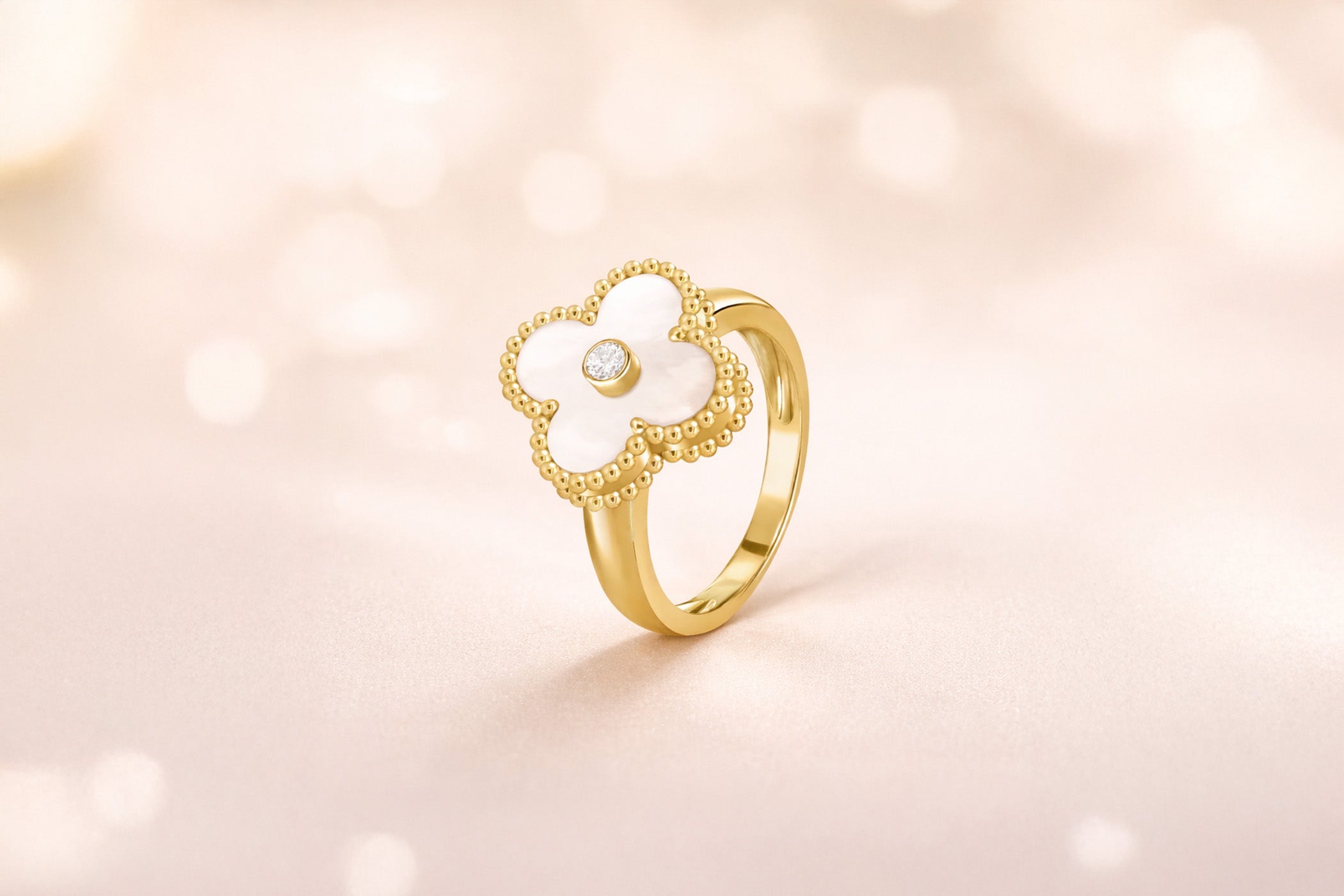
The Alhambra’s flat motifs make scratches almost impossible to hide, especially on mother-of-pearl and onyx. Every little flaw shows up when the light hits just right. The gold beaded edges? You can watch them flatten over time.
Perlée bangles get wear all around the gold beads. Each bead can pick up its own scratches, dents, or flat spots, adding up to a generally worn look. Buyers will turn these pieces over and over, checking how the wear is distributed.
Wear visibility by collection:
| Collection | High Visibility Areas | Lower Visibility Areas |
|---|---|---|
| Alhambra | Stone surfaces, gold bezels | Chain links, clasps |
| Perlée | Individual beads, clasp area | Interior surfaces |
| Frivole | Petal curves, between-finger areas | Post backs, hidden edges |
Frivole’s delicate petals show wear along curved edges, gold catches the light everywhere. Between-the-finger rings in this line get scratched up fast, thanks to constant contact with your other fingers. That kind of wear can hit resale value harder than similar wear on pendants or earrings.
Motifs with guilloche engraving or textured finishes lose their detail as they’re polished over time. Once that intricate surface work is gone, so is a chunk of the value, and there’s no practical way to restore the original detail.
Gold and Metal Wear: Risks, Effects, and Value
Van Cleef & Arpels pieces develop certain wear patterns that really affect resale. 18k gold, in particular, has its quirks. Where and how the metal wears makes a measurable difference that buyers and appraisers notice right away.
Common Areas for Gold Wear on Van Cleef Jewellery
Clasps take a beating. Lobster clasps and spring rings can wear at stress points, especially the tongue inside a lobster clasp, it can lose its crispness and may stop locking properly.
Bracelet links rub constantly against skin and clothes. Perlée bracelets can flatten on the beads that get the most contact (usually the underside). Alhambra bracelets wear along the motif edges where they hit wrists and tables.
Ring shanks thin out over time, mostly at the back where they slide over your knuckle.
High-wear zones to inspect:
- Jump rings connecting chain segments
- Earring posts and butterfly backs
- Hinge points on transformable pieces
- Prong tips securing gemstones
Gold Purity and Surface Scratches
Van Cleef & Arpels uses 18k gold, commonly stamped 750 for 75% purity. It’s a sweet spot for luxury and durability, but it’s still softer than 14k. The other 25% (often copper, silver, and other metals) affects hardness and scratch resistance.
Pure gold is soft, so 18k pieces pick up scratches faster than lower karat jewelry. You’ll see fine lines show up quickly on polished surfaces, dulling that mirror shine.
Worn hallmarks are a headache. If the 750 or VCA stamp gets softened from repeated polishing, verifying authenticity can take extra steps, like X-ray fluorescence. Buyers usually knock down the price for pieces with faint or hard-to-read marks.
How Metal Colour Impacts Perceived Wear
Yellow gold can hide scratches better than other metals because the color runs all the way through. Scratches blend in, so damage is less obvious. That helps yellow gold pieces look good longer without a trip to the polisher.
Rose gold is trickier. Its copper content can make surface marks look darker, so they’re easier to spot. The copper can also oxidize, adding patina, some folks love it, others not so much.
White gold brings its own set of problems. It’s often rhodium-plated for brightness, but as the plating wears off, the warmer tone underneath can start to peek through. That uneven color looks “worn” to anyone paying attention. Re-plating is needed periodically if you wear it a lot.
Impact of Stone and Material Surface Finish
The surface finish on each stone really determines how obvious wear becomes, and how much it hits pricing. Softer materials like mother-of-pearl show every little ding, while diamonds are nearly immune. The way the stone is set also creates weak points buyers look for.
Mother-of-Pearl, Onyx, and Soft Stones
Mother-of-pearl is pretty delicate (about 3.5-4.5 on the Mohs scale). It dulls from skin oils, picks up fine surface marks easily, and can look cloudy under direct light. A perfect Alhambra pendant keeps its glow, but once the shine’s gone, value can drop noticeably.
Onyx does better (about 6.5-7 on the Mohs scale), holding up well to everyday wear. The main issue is edge chipping, especially on bracelets that knock against things. Solid black onyx hides minor flaws way better than mother-of-pearl, which just can’t hide anything.
Malachite is softer (about 3.5-4 on the Mohs scale) and can be sensitive to chemicals. Staining or surface damage can materially reduce resale value, with buyers thinking about restoration costs that can add up quickly.
Stone Setting and Wear Tolerance
The Mystery Set technique, where stones fit together with no visible metal, has its own problems. Edges where rubies or sapphires touch can chip or develop gaps as the structure underneath wears. If you spot gaps or misalignment on these pieces, value can drop sharply, since repairs are complex and highly specialized.
Prong settings wear down at the tips, putting stones at risk. Buyers discount pieces with thinned prongs needing repair. Bezels protect stone edges better, but scratches on the gold are hard to miss.
Emeralds and rubies need close inspection. Emeralds often have inclusions that can be mistaken for damage, while rubies can get abrasions on exposed surfaces from rough cleaning. We always try to figure out if surface issues are natural characteristics or real wear, it matters when you’re negotiating price.
Diamonds and High-Value Gem Surface Wear
Diamonds almost never scratch (Mohs 10), but they’re not immune to wear. Oils can leave a cloudy film, though it usually vanishes with cleaning, still, some buyers worry it’s permanent. Edge chips can happen on shapes with exposed corners, and visible chips can reduce value meaningfully depending on size and location.
Round brilliants keep their polish almost forever. We pay more attention to the setting around high-value diamonds, worn bezels or thin prongs are red flags and push prices down.
Rare gems like fine sapphires or tsavorites in Van Cleef pieces only hold value if the surface finish is pristine. Visible surface wear on rare stones can severely affect value, because collectors want top-condition stones.
Collection-Specific Wear Patterns and Price Trends
Each Van Cleef & Arpels collection develops its own signature wear patterns that directly impact resale pricing. The Alhambra’s beaded borders age differently than Perlée’s textured surfaces, while vintage pieces present unique valuation challenges between preserving authentic patina and restoring function.
Alhambra Motif: Borders, Chains, and Stones
The beaded gold borders around each Alhambra motif really show a piece’s wear history. Over time, those tiny spherical beads can flatten as they rub against skin and clothing, losing their crisp edges. Softened borders typically trade for less than sharp, well-defined beads.
Mother-of-pearl inlays tend to dull as they pick up skin oils and cosmetics. Under direct light, they can look cloudy. Onyx fares better, but it’s prone to chipping at the edges if knocked. The Sweet Alhambra line, being smaller and more delicate, can show wear faster than the chunkier Magic Alhambra pieces.
Chain wear gets overlooked by a lot of sellers. Fine links can stretch over time, which changes how the necklace drapes and can eventually require professional repair. Even if motifs look flawless, chain issues can still affect value.
Alhambra wear hierarchy by severity:
- Minor impact: Light scratches on clasp, slight colour variation in stones
- Moderate impact: Flattened border beads, noticeable stone dulling, minor chain stretch
- Significant impact: Deep edge wear, cracked stones, severely stretched or repaired chains
Perlée and Frivole: Beads, Petals, and Finish
Perlée bangles can develop flat spots on their beads from bumping into things. Each bead can wear differently, leading to an uneven look that affects value when it’s obvious. The spaces between beads pick up fine scratches, dulling the overall shine.
Frivole petals, with their curved, polished surfaces, show every scratch. There’s nowhere for marks to hide. Between-the-finger rings from this line can wear down quickly, and you can sometimes spot metal thinning with regular use.
Diamond settings in both collections benefit from regular checkups. Prongs wear slowly, but if you ignore them, you might lose a stone. Having service records can help at resale.
That high-polish finish? You’ll want periodic professional care if you wear it daily and want it to keep that showroom shine.
Vintage and Discontinued Designs: Patina Versus Refinish
Vintage Van Cleef pieces from the 1970s and 1980s come with a bit of a paradox. A gentle patina that shows real age can actually add value, but damage or neglect will tank prices. The Zip necklace, first created in 1950 and presented as a transformable jewel in 1951, still sells at a premium even with some wear, because it’s so rare and iconic.
Demand for rare designs often outweighs condition worries. A discontinued piece with honest wear can sell better than an over-polished one that looks suspiciously new.
Refinishing considerations for vintage pieces:
| Approach | Best For | Risk Level |
|---|---|---|
| Minimal cleaning | Collectible pieces with patina | Low |
| Selective repair | Functional issues only | Medium |
| Full restoration | Heavily damaged items | High (removes age indicators) |
Older pieces can be more vulnerable to wear than newer ones, depending on design, construction, and how they were used. Having a pro inspect before you buy can save you from getting stuck with something that needs expensive repairs, which wipes out any price advantage.
Authentication, Hallmarks, and the Importance of Original Finish
Hallmarks are a key part of authenticating Van Cleef pieces, and how well you can see them directly affects price and buyer confidence. The original surface finish helps preserve these stamps and the crispness collectors expect, so preserving finish isn’t just about looks, it’s about value.
Hallmark Clarity, Wear, and Value
You’ll often find “750” stamped for 18k gold, plus the VCA signature and serial numbers in specific spots. On Alhambra pieces, they’re commonly on clasps and jump rings. Bracelets typically place them near the closure.
When the area around a hallmark gets worn down, it gets harder to authenticate the piece, which hurts resale value. Polishing to remove scratches can blur or shallow these stamps. Pieces with hard-to-read hallmarks may face added scrutiny and softer pricing.
Critical hallmark locations to protect:
- Clasp mechanisms (most common)
- Jump rings on necklaces
- Inner bands on rings
- Back plates on earrings
Buyers and authenticators really scrutinize hallmark sharpness. If stamps look blurred, appraisers often want extra documentation.
Authenticity Checks with Surface Wear
Authenticators look at surface finish as part of their process. Van Cleef uses polishing techniques that create a distinct, high-quality finish, and aftermarket work can be easier to spot when it doesn’t match factory standards.
If a piece has heavy surface wear, it’s harder for experts to spot the fine details they rely on, serial numbers, engraving crispness, edge finishing. Sometimes, authentication services may require additional documentation when wear obscures key details.
Van Cleef boutiques can inspect pieces in person, and third-party services look at finish, hallmark placement, and construction, which surface damage can hide.
Red flags during authentication with worn surfaces:
- Inconsistent polishing patterns
- Altered or re-engraved markings
- Tool marks near hallmarks
- Uneven metal thickness
Certificate of Authenticity and Packaging
Original packaging and documentation help a lot when surface wear raises questions. Keeping everything together supports provenance if hallmarks are worn.
Purchases commonly include branded packaging and purchase documentation, and some orders may include an authenticity document. Keep everything together, it’ll help with appraisals and resale.
If you don’t have the original packaging, expect more scrutiny. Appraisers might ask for purchase history, Van Cleef service records, or a detailed professional exam. The extra verification costs can eat into your resale proceeds, so original documentation is more valuable than it seems.
Market Dynamics: Resale Value and Collector Preferences
Van Cleef & Arpels pieces with pristine finishes consistently command stronger prices on the secondary market. Worn surfaces can push pricing down fast. Collectors have gotten choosy about original surface quality, especially for pieces described as having an untouched finish.
Secondary Market Adjustments for Condition
Luxury buyers adjust their offers a lot based on surface finish. Obvious wear typically brings lower offers than comparable pieces with cleaner, sharper finishes.
Common adjustment factors:
- Cost to refinish
- Risk of softening original details during polishing
- Time needed for restoration
Resale listings often price worn pieces lower than comparable examples with stronger finishes. Buyers now pore over detailed photos of clasps, bezels, and high-contact spots before making offers.
Demand can shift quickly. Pristine pieces can move fast. If there’s visible wear, they might sit longer as buyers negotiate. Van Cleef’s reputation keeps resale stronger than most luxury brands, but finish still makes or breaks the price.
Collector Demand for Untouched Surface
Serious collectors pay extra for pieces with their original factory finish. Provenance matters. Collectors want evidence that patina developed naturally, not from neglect or poor storage. Estate pieces with paperwork showing minimal intervention tend to perform well.
Collectors see these as artifacts, and surface changes can affect perceived authenticity. Mystery Set pieces get particular scrutiny, since refinishing can risk the structure that supports the invisible-set stones.
Auction houses often highlight “original finish” because it drives interest. Limited editions and discontinued designs with preserved surfaces can appreciate strongly, sometimes even approaching or exceeding prior retail pricing over time, depending on demand and rarity.
Auction Results and Performance
Auction results tend to track condition closely. Pieces described with minimal wear generally perform better than comparable examples with visible scratching, thinning, or signs of refinishing.
Collectors zoom in on pre-sale photos, checking bracelet hinges, earring posts, and chain links. Any doubt about surface condition can reduce bidding intensity. Condition reports increasingly include detailed surface finish notes, since transparency supports buyer trust.
Frequently Asked Questions
Surface finish wear brings up a lot of questions for buyers, sellers, and collectors trying to figure out Van Cleef & Arpels pricing. Here are some of the most common ones.
What factors influence the resale value of Van Cleef & Arpels jewelry with worn finishes?
Severity and location of wear matter most. If scratches are hidden, like on clasps, value may drop less. But visible wear on the front or main surfaces can reduce prices materially.
Material plays a big role. Mother-of-pearl shows dulling and fine surface marks that affect Alhambra’s signature look, while onyx tends to hide wear better. Gold bezels with rounded edges signal heavy use and can trigger immediate price cuts.
Market demand can override wear concerns. Rare or discontinued designs can still hold value even with some wear, because collectors chase scarcity.
Original parts are worth more. A worn original clasp can preserve authenticity better than a replacement, even if the replacement looks flawless.
Complete packaging and paperwork can improve resale outcomes by supporting authenticity, especially when wear complicates evaluation.
How does regular wear and tear on Van Cleef pieces impact their appeal to collectors?
Collectors split into two camps. Some want pristine pieces that show off original craftsmanship. Others appreciate honest patina that reflects age and real use.
Vintage collectors often prefer light wear that matches the era. A 1970s Alhambra with gentle patina can look more authentic than one that’s been heavily polished.
Buyers of newer pieces typically expect near-perfect condition. They see Van Cleef as an investment and want that boutique shine. Even small scratches can become sticking points.
Functional wear, like a stretched chain or loose clasp, worries buyers more than minor surface marks that don’t affect use.
Some find the Perlée collection’s bead wear charming, seeing it as proof the piece was truly enjoyed. It’s personal and varies from buyer to buyer.
Can surface scratches and finish deterioration on Van Cleef items be professionally restored, and how does this affect their market value?
Van Cleef boutiques can service pieces to brand standards, but you may lose original surface character. Light polishing can bring back shine and remove little metal, but it can also reduce vintage patina.
Heavy polishing is risky. Too much can soften details like guilloche or milgrain edges, which collectors care about.
If you replace stones to fix chips or cracks, you introduce originality questions. Even a perfect match can lower value for collectors who want all original components.
Rhodium replating on white gold revives brightness but wears with use, so it may need to be repeated over time. That adds to long-term costs and can factor into resale.
Whether to restore depends on how you use the piece. Daily-wear jewelry benefits from maintenance that keeps it looking good and functioning well. Vintage collectibles often do better with minimal intervention to preserve original surfaces and age markers.
Having official service records can help value by showing proper care. Undocumented repairs or work by unauthorized jewelers can raise red flags during authentication.
What are the top tips for maintaining the surface finish of Van Cleef & Arpels jewelry to optimize resale prices?
Take your jewelry off before doing anything that might expose it to chemicals, bumps, or abrasion. Perfumes, lotions, cleaning sprays, and especially chlorine can dull finishes or harm delicate materials like mother-of-pearl. It’s easy to forget, but a little caution goes a long way.
Store each piece separately. Soft pouches or individual compartments work best to keep metals from scratching each other. If you still have the original Van Cleef boxes, they’re designed for separation and protection.
When it’s time to clean, stick with lukewarm water and a mild soap. Skip ultrasonic cleaners if your piece has mother-of-pearl, emeralds, or fragile settings. Dry gently with a soft, lint-free cloth. Avoid rubbing too hard.
Book periodic professional inspections at a Van Cleef boutique. Experts can spot loose stones, worn prongs, or clasp issues before they become bigger problems. Service history can also support resale.
Rotate your jewelry. Don’t wear the same pieces every day. Mixing things up spreads out the wear and keeps each piece looking fresh longer.
Keep all original packaging, purchase documentation, receipts, and service papers together somewhere safe. These can support authentication and resale.
Try not to wear rings and bracelets during activities that involve frequent impact or abrasion. They take the brunt of daily wear and show marks fastest.
How do appraisers assess wear on Van Cleef & Arpels jewelry when determining pricing for consignment?
We always start by looking at high-contact areas, clasps, posts, hinges, and articulation points. Those spots tell the real story of how much a piece has lived on someone’s wrist or neck.
With a loupe or microscope, we can spot micro-scratches, thinning spots, or surface changes that you’d never catch otherwise. Small details can shift a piece from “lightly worn” to “moderately worn,” and the pricing difference can be significant.
The gold bezels around Alhambra motifs get extra attention. When their edges lose that sharp, crisp line, it’s a clear sign of serious use and can lead to a noticeable price adjustment compared to a sharper example.
We check stones for chips, surface marks, or dullness. Prongs and baskets get a close look too, if they’re worn, the stones might not be as secure as they should be.
Appraisers also verify original components. We check hallmark placement, construction details, and whether materials match expectations. Any swapped-out parts can affect authenticity and the premium someone might pay.
We compare condition to current retail expectations. If a piece doesn’t measure up visually or functionally, it typically won’t fetch top consignment prices.
If there’s paperwork or service records, that helps. A documented history of professional care can support stronger pricing, while a piece with no maintenance record can feel riskier to buyers.
Love Hermès? See More from Rome Station
Add us to your Preferred Sources on Google to see our newest Hermès guides and insider tips first.