
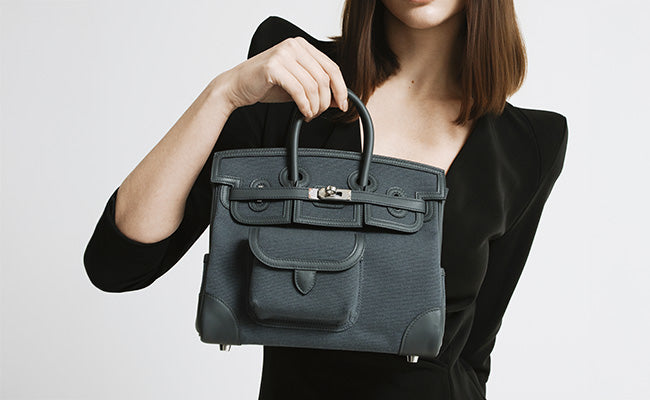

How Should You Prepare a Hermès Bag for Consignment?
Check out our Hermès collection and Birkin bags!
Selling a Hermès bag isn't like tossing something on a random resale site and crossing your fingers. Buyers for these bags are sharp. They'll notice every detail, from the tiniest scuff on the clasp to whether you’ve kept that orange box.
The difference between a lightning-fast sale at a great price and a listing that drags on? It’s usually about how well you prepped before handing it over.
To prepare a Hermès bag for consignment, clean it carefully based on its leather type, photograph every authentication detail and sign of wear, and gather all original documentation and packaging.
We’ve seen bags that look almost identical sell for wildly different prices just because one seller bothered to get the basics right. Miss a date stamp photo or skip the leather care? That can cost you thousands.
Luckily, you don’t need fancy gear or a luxury degree. What you do need is a plan that covers what serious buyers care about: proof it’s real, honest photos, and evidence you treated the bag like the investment it is.
Here’s how to get your Hermès ready to sell quickly and for what it’s worth.
Key Takeaways
-
Clean your Hermès bag with the right method for its specific leather to avoid damage
-
Take clear photos of authentication marks, hardware, wear spots, and all accessories
-
Gather original receipts, dust bags, boxes, and service records to boost your sale price and speed
Assessing Your Hermès Bag Before Consignment
Before you start cleaning or snapping photos, you’ve got to get real about your bag’s condition, leather, and hardware. This shapes your prep, your price, and what buyers can expect.
Inspecting Condition and Wear
Check your bag in bright, natural light. Open a window if you can. Artificial light hides scratches and subtle stains that buyers will spot later.
Focus on corners and edges first. These show wear fastest, especially on Box Calf or Swift leather. Look for darkening, scratches, or cracks. Run your finger along the piping to feel for any fraying.
Flip the bag and check the bottom. Scuffs on the leather or damage to the feet? Missing or worn feet can shave hundreds off your price.
Common wear spots:
-
Handles and grips (patina, cracking, darkening)
-
Interior lining (stains, pen marks, loose stitching)
-
Closure hardware (scratches, function)
-
Strap attachments (stress marks, thinning)
-
Lock and key (smooth operation)
Open every pocket and compartment. Look for stains, odors, or sticky spots. Even a tiny ink mark or makeup smear can impact your appraisal. Give the interior a sniff. Smoke or perfume smells are stubborn and turn buyers off fast.
Identifying Hermès Leather Types
Knowing your leather type matters, a lot. Cleaning, pricing, and buyer demand all shift depending on what you have. Togo and Clemence are the go-to workhorses, grained and forgiving. Epsom is stiff, with a pressed grain. Box Calf is smooth and formal, but shows every nick.
If you’ve still got your receipt or original purchase paperwork, check there. The leather type is often listed. No paperwork? Feel the grain. Togo is pebbly with some give. Clemence is softer, bigger-grained. Epsom feels stiff, almost armor-like.
Quick leather guide:
| Leather | Texture | Flexibility | Common Models |
|---|---|---|---|
| Togo | Medium pebbled | Moderate | Birkin, Kelly, Evelyne |
| Clemence | Large, soft grain | High | Birkin, Lindy |
| Epsom | Pressed, rigid | Low | Kelly, Constance |
| Box Calf | Smooth, glossy | Low | Vintage Kelly |
| Swift | Fine grain, soft | High | Kelly, Constance |
Exotics like croc, alligator, or ostrich? Handle with extra care and don’t even think about DIY cleaning. Even a slightly damp cloth can ruin exotic skins.
Evaluating Hermès Hardware
Hardware matters, a lot. Buyers obsess over original finish and function because replacements are pricey and hard to authenticate.
Check all metal parts in good light. Gold-tone hardware (“GHW”) should look even, with no brassy patches. Palladium (“PHW”) is silver-toned, so watch for scratches or dullness. Rose gold scratches easily.
Test every clasp, zipper, and lock. A Birkin’s turnlock should move smoothly. Kelly bags need a working lock and keys. If something sticks or feels loose, make a note. Buyers will check.
Look for engravings on buckles, zippers, and locks. Authentic Hermès hardware says “Hermès Paris” or “Hermès” in crisp, even letters. Blurry or off-center? Red flag. Scratches, tarnish, or bent prongs? Minor wear is normal, but deep gouges or missing finish will hurt your price.
Gathering Documentation and Accessories
Original documentation and accessories can bump your Hermès resale value by 10-15%. Buyers want proof and the full luxury experience, so tracking down every receipt, dust bag, and box makes your sale faster and more profitable.
Proof of Purchase and Authenticity
The original Hermès receipt is gold. It proves where and when you bought the bag, and backs up authenticity. If you bought direct, dig out that invoice.
Lost the receipt? Credit card statements showing the Hermès charge work too. Insurance appraisals, gift notes, or even photos of you getting the bag at Hermès can help. No proof at all? Consignment shops and buyers get nervous, and you’ll probably get lower offers.
If you bought second-hand or got the bag as a gift, a reputable third-party authentication certificate can help. It answers buyer questions up front.
The blind stamp inside your bag tells experts the year and workshop. Snap a clear photo and keep it with your paperwork.
Collecting Original Packaging
The orange Hermès box, dust bag, and ribbons aren’t just for show. Buyers expect these, and having them can genuinely increase your sale price.
Packaging to gather:
-
Orange box with lid
-
Hermès dust bag
-
Orange ribbon
-
Care booklet/cards
-
Shopping bag (if you have it)
Some bags may also include a rain cover. If yours came with one, bonus points.
Store everything in a cool, dry spot out of sunlight. Keep the box flat. Warped boxes look sloppy. A complete set shows buyers you cared for the bag.
Essential Hermès Accessories
Certain Hermès models require hardware accessories. Birkin bags need the lock, keys, clochette (key holder), and bell strap. Kelly bags need the shoulder strap, lock, and keys. Missing pieces drop your resale value.
Check for twillies, bag charms, or special dust bags that came with your bag. Any boutique event extras or certificates add personality and value.
The cadena (padlock) and its two keys should match your bag’s hardware. Replacements exist, but collectors want the originals with matching patina. Misplaced a key? Be upfront. Don’t let a buyer discover it.
Hermès does not issue standard authenticity cards for its bags, so don’t worry if you don’t have one. Original receipts, boutique paperwork, and service records are far more useful.
Cleaning and Protecting Your Hermès Bag
Before you consign, you’ll want to address surface dirt, hardware, and polishing. These steps help your bag look its best and maximize value.
Gentle Spot Cleaning
Always start with the gentlest cleaning. For canvas and coated materials, use a soft, dry cloth to lift dust and debris. A lint roller can grab dirt from seams and corners.
For light spots on grained leathers, gently wipe with a dry microfiber cloth in small circles. If a mark won’t budge, dampen a cotton swab just a bit and dab the spot. Never soak the leather or use household cleaners. They can permanently discolor it.
Smooth leathers like Box Calf are extra sensitive. Stick to dry methods only. Natural leather trim? Don’t spot clean. It can stain with water and look patchy.
Significant staining or discoloration? Skip the home remedies and go straight to a pro.
Caring for Hermès Hardware
Hardware condition really shapes buyer perception. Use a soft, dry jewelry cloth to buff away fingerprints or light tarnish on gold or palladium.
Don’t use metal polish or abrasive products. These strip coatings and can ruin the finish. If hardware has stubborn tarnish or scratches, better to leave it than risk more damage.
Make sure all hardware works. Zippers should glide, turnlocks should turn, clasps should snap. If something’s off, document it for the consignment team. Don’t try to fix it yourself.
Polishing with Appropriate Products
Don’t use generic leather conditioners, waterproof sprays, or shoe products on Hermès bags. These can change the look, leave residue, or mess up future professional care.
If you think your bag needs more than a dry clean, contact Hermès after-sales service or a trusted specialist. They know what each leather type needs and can restore your bag safely.
Honestly, for bags in good shape, less is more. Proper storage and a quick dry clean usually keep a Hermès consignment-ready.
Preserving Shape and Structure
Maintaining your Hermès bag’s shape during storage is key. Proper stuffing prevents sagging, creasing, and deformation that can hurt your resale price.
Using Bag Inserts and Pillows
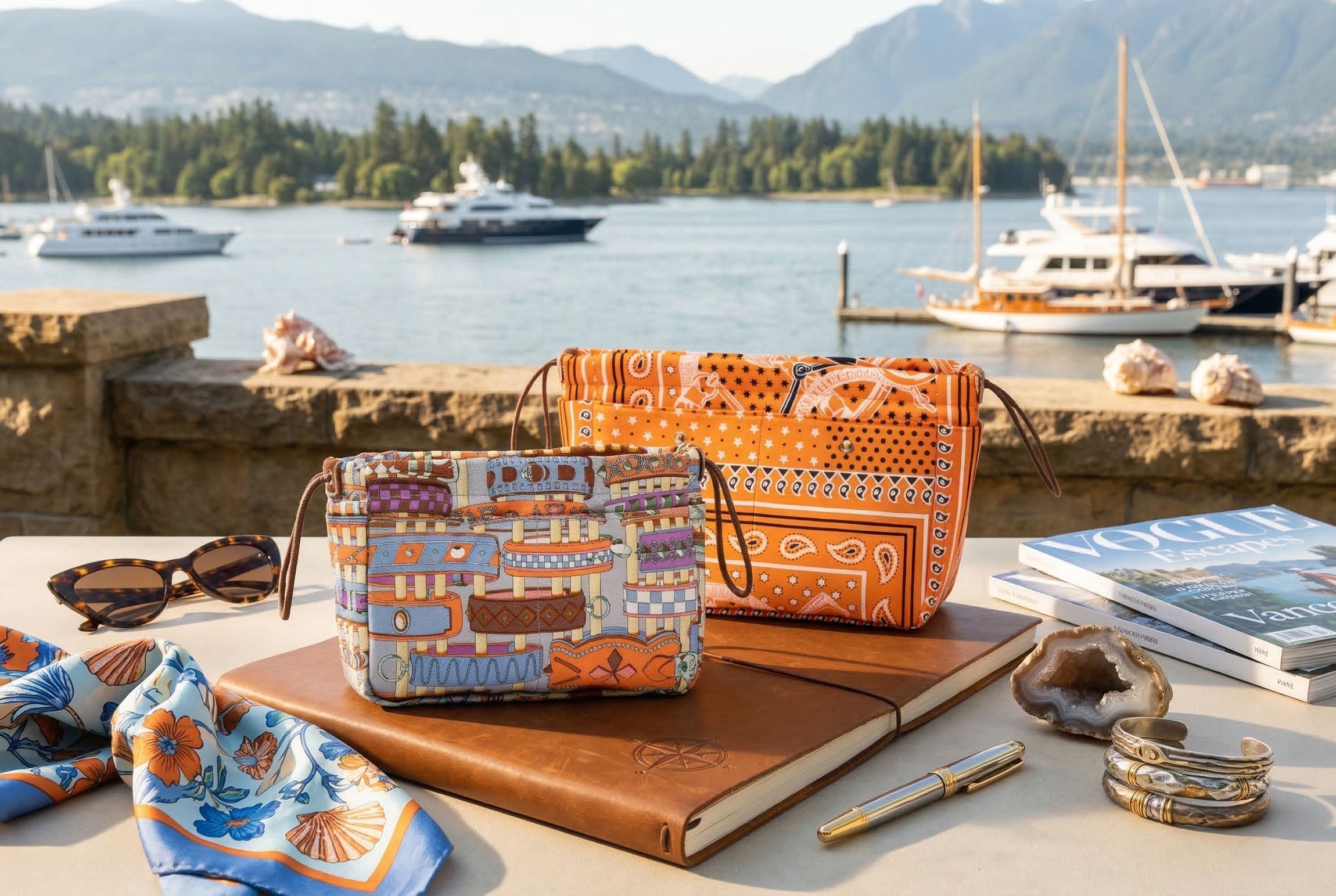
Specialized inserts made for Hermès bags do a better job than makeshift solutions. These pillows fit the Birkin or Kelly’s interior and support the base evenly. It’s worth investing in one if you’ll store your bag for a while.
The right insert fills the bag without straining seams or throwing hardware out of line. Press gently. The bag should feel firm, not stiff. Too much stuffing can stretch the leather.
For bags with multiple compartments, support each section. The main body needs the most, while pockets get a lighter touch to keep their shape.
Stuffing with Acid-Free Tissue
Acid-free tissue is the gold standard for storage. It avoids chemical stains. Use the tissue that came with the bag if you have it. If not, get archival-quality tissue from a reputable source.
Loosely crumple the tissue before stuffing it inside. Don’t wad it tightly, or you’ll create pressure points and dents. Fill the main compartment, then any exterior pockets or gussets.
The tissue should keep the bag from collapsing, but you should still be able to close it easily. If you can’t fasten the lock or snap the flap, you’ve overdone it.
Detaching and Storing Straps
Don’t leave straps or accessories attached during storage. The weight can leave marks or indentations that lower value. Remove the shoulder strap, clochette, lock, and keys.
Each piece should go in its own dust bag so metal doesn’t scratch the leather. Place them inside the main bag, wrapped separately, so they don’t get lost. Locks and keys can scuff if they move around.
Some people use small rubber caps on metal feet once the plastic is off, for extra protection for hardware that touches surfaces.
Storage and Long-Term Care Prior to Sale
How you store your Hermès bag before consignment can make or break your resale value. Pay attention to the environment and protective steps to keep the leather looking its best.
Optimal Storage Conditions
You’ll want to store your Hermès bag in a climate-controlled room, ideally between 18-22°C and with humidity around 40-50%. Wild swings in temperature or moisture? Bad news for leather. Cracks, warping, or even mould can creep in.
Keep your bag upright inside its original dust bag, and stuff it with acid-free tissue paper to help it hold its shape. Avoid newspaper or anything with colored dye. Ink can bleed and ruin the leather for good. Always store your bag on a shelf, not hanging. Hanging distorts handles and strains the leather in ways you can’t always fix.
Darkness is your friend here. UV light fades and weakens Hermès leather, so stash bags away from windows and steer clear of rooms with harsh artificial lighting.
If you’re storing more than one bag, don’t cram them together. Leather needs space to breathe, and crowding can cause color transfer or pressure marks that never really go away.
Protecting Against Environmental Damage
Protecting Hermès bags from environmental threats means knowing where each leather is most vulnerable. Box Calf and Togo scratch easily, while exotics like alligator and lizard dry out fast.
Keep bags away from radiators, AC vents, and dehumidifiers. These suck moisture from the air and dry out leather far quicker than you’d expect. Place silica gel packets near, not inside, the dust bag to manage extra humidity without touching the leather directly.
If the bag hasn’t seen professional Hermès care in a long time, it may be worth having it assessed before consignment. Check on your bags monthly for mould, discoloration, or tarnished hardware. Spotting issues early gives you a chance to fix them before they become permanent.
Maximizing Your Hermès Bag's Resale Value
Getting the most for your Hermès bag? It’s not just about luck. Knowing what buyers want and presenting your bag right can turn a decent sale into a great one.
Factors Influencing Resale Value
Model and rarity are king. Birkin and Kelly bags always pull top dollar, especially in rare colors or limited editions. A Birkin 25 in Rose Sakura or a Kelly in Vert Criquet? Those tend to outshine basic black or gold no matter the market.
Condition is a huge deal. Pristine or excellent bags with barely any wear fetch far more than those with obvious use. Scratches on hardware, worn corners, interior stains, all chip away at value. Hermès bags can retain strong resale value, but only if they’re in great shape.
Having the full set, dust bag, box, ribbon, receipt, clochette, keys, boosts buyer confidence and can bump up value by 15-20%. Collectors care about those details, especially the lock and keys.
Age and production year matter, though it’s not always straightforward. Some vintage pieces climb in value due to rarity, while others lose appeal if materials have degraded. Oddly enough, certain 1990s Birkins can sell for more than newer ones, thanks to the leather quality back then.
Professional Hermès Spa Services
A Hermès spa treatment can turn a tired bag into something close to mint. These pros tackle scratches, color transfer, and hardware issues. Official Hermès after-sales work can be costly, depending on how much your bag needs.
The brand’s own spa can replace worn handles, restore piping, and touch up edges using original materials, keeping things authentic while making the bag look dramatically better. For bags with heavy wear, this kind of investment can pay off when you resell.
Independent specialists may also offer solid work at lower prices. Some collectors still prefer factory restoration for the paperwork. Either way, get before-and-after photos and receipts to show buyers.
Timing matters, too. Finish any restoration a couple weeks before listing so the bag can cure and you can get top-notch photos.
Choosing Between Auctions and Consignment
Major auction houses are great for rare or collectible bags. They draw serious buyers who’ll pay a premium, but fees can be high, and there’s no guarantee your bag will hit the reserve.
Consignment platforms let you set the price and adjust as needed. Fees are usually a bit lower than auctions. Specialized platforms handle authentication and connect you with buyers who know what they’re looking for.
If you want cash now, selling directly to a reseller gets you paid fast, but at a discount. Expect 60-75% of market value. Sometimes speed and convenience win out.
In our experience, standard Birkins and Kellys in neutral colors do just as well on consignment or through trusted resellers. Save auctions for truly special pieces: exotic skins, rare colors, or vintage bags in museum-worthy condition. For most people, a reputable consignment specialist strikes the best balance between return and effort.
Frequently Asked Questions
Prepping your Hermès bag for consignment comes down to careful cleaning, clear photos, and complete paperwork. Here’s what matters most to serious buyers.
What's the best approach to ensure my Hermès beauty shines when I put it up for consignment?
Start by identifying the leather, then use the gentlest method possible. A dry microfiber cloth is safest for most bags, while smooth or exotic skins should be handled even more carefully. Anything more aggressive is best left to Hermès or a qualified specialist.
Can you share insider tips on pre-loved Hermès care before it hits the resale market?
Store the bag upright in its dust bag, stuffed with acid-free tissue, and keep all original accessories together. Avoid sunlight, heat, and excess humidity so the leather, structure, and hardware stay in strong selling condition before it is photographed and listed.
How could one safeguard their Hermès investment before consigning?
If you did not buy directly from Hermès, gather every proof of ownership you have and consider a reputable third-party authentication service. Clear photos of the blind stamp, hardware, corners, and interior also help reassure buyers and make consignment intake easier.
What are the must-do steps for spiffing up Hermès leather goods pre-consignment?
Do not use household cleaners, leather sprays, baby wipes, or metal polish. Light dusting, gentle buffing with a dry cloth, and honest condition notes usually do more for resale value than risky at-home touch-ups that can alter the leather or hardware finish.
Could you give us the lowdown on authenticating Hermès items for resale?
Focus on the blind stamp, stitching, hardware engraving, leather texture, and overall construction. Original receipts, boutique paperwork, and service records help a lot, but Hermès bags do not come with standard authenticity cards, so missing one is not automatically a concern.
What's the scoop on maximizing resale value for my Hermès treasure?
Research recent sold prices, not just asking prices, and include every accessory in your photos. Accurate descriptions, complete documentation, and a trusted consignment partner usually do more for value than over-cleaning, over-polishing, or trying to hide normal signs of wear.
Love Hermès? See More from Rome Station
Add us to your Preferred Sources on Google to see our newest Hermès guides and insider tips first.