

How Seller Expectations Should Change for Birkin, Kelly, and Constance Bags
TL;DR
To price Birkin, Kelly, and Constance bags realistically, start with recent comparable sales for the same model, size, leather, colour, hardware, condition, and included accessories. Retail price can provide context, but it does not determine resale value. Birkin often reaches the broadest buyer pool, Kelly demand varies by size and construction, and Constance appeals to a more specific crossbody buyer. Sellers should compare completed sales rather than ambitious listings, account for the chosen selling method and fees, and present the bag with accurate condition details, strong photographs, and available original accessories. The most credible price is not the highest number online. It is the price supported by the bag's exact configuration and current buyer demand.
Check out our Hermès collection and Birkin bags!
A Birkin 25, Kelly 28, and Constance 18 may all carry the Hermès name, but they do not behave identically on the resale market. Their buyer pools, wearability, availability, and sensitivity to condition can differ significantly.
That is why sellers should not price Birkin, Kelly, and Constance bags from retail price alone or assume that one strong result applies to every model. A realistic valuation comes from comparing each bag individually, then adjusting for size, leather, colour, hardware, condition, completeness, and the preferred selling route. This guide explains how the three styles generally compare, which details move value up or down, and how to set expectations that reflect achievable resale proceeds rather than hopeful asking prices.
Key Takeaways
- Use closely matched completed sales, not retail price or active listings, as the strongest pricing reference.
- Compare each bag by model, size, leather, colour, hardware, condition, and included accessories.
- Choose a pricing strategy based on whether speed, convenience, or maximum exposure matters most.
Featured Products


Start With a Model-by-Model Resale Comparison
Before setting expectations, compare how Birkin, Kelly, and Constance bags generally appeal to buyers. Each model attracts a different audience, and that difference shapes both achievable pricing and the time required to find the right buyer.
| Factor | Birkin | Kelly | Constance |
|---|---|---|---|
| General buyer profile | Broad recognition among buyers and collectors | Strong demand from buyers who value structure and versatility | Focused demand for a slim, recognisable crossbody |
| Commonly compared sizes | 25, 30, 35 | 25, 28, 32, Mini Kelly II | 18, 24 |
| Style profile | Spacious top-handle design with a supple or structured appearance | Structured top-handle design in sellier or retourné construction | Compact shoulder or crossbody design with an H clasp |
| Pricing sensitivity | Highly sensitive to size, condition, colour, and leather | Highly sensitive to size, construction, leather, and completeness | Highly sensitive to size, colour, hardware, and buyer specificity |
Why Birkin Often Reaches the Broadest Buyer Pool
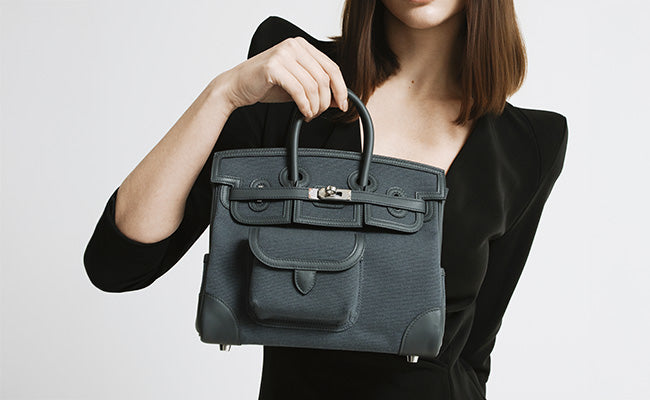
The Birkin usually benefits from the widest recognition. Everyone from first-time Hermès shoppers to seasoned collectors may consider one, so well-kept examples in wearable sizes and classic colours can attract strong interest.
That recognition does not make every Birkin equally valuable. A Birkin 25 in excellent condition should not be compared directly with a Birkin 35 showing visible wear. Condition, presentation, and supporting accessories remain essential.
Where Kelly Commands Strong Buyer Demand
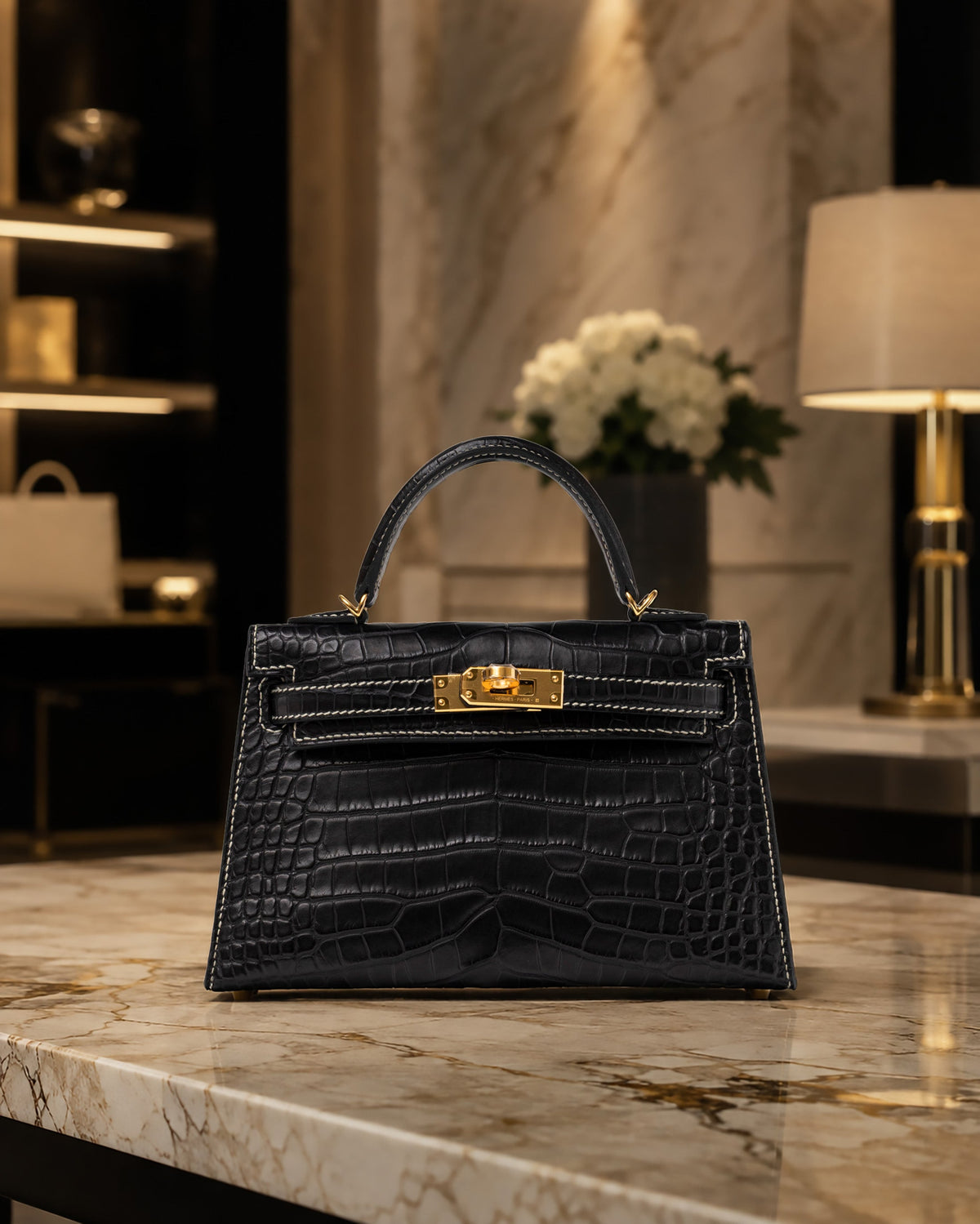
The Kelly attracts buyers who value its structured shape and its ability to move between formal and everyday settings. Demand also changes according to construction. Sellier versions have sharper edges and a more structured profile, while retourné versions offer a softer appearance.
Size remains essential. Kelly 25 and Kelly 28 bags appeal to buyers seeking compact wearability, while larger sizes may attract a more function-focused audience. Compare the same size and construction rather than relying on general Kelly pricing.
How Constance Differs From Birkin and Kelly
The Constance appeals to a smaller and more specific audience drawn to its slim shape, shoulder or crossbody wear, and prominent H clasp. The Constance 18 is compact and easy to style, while the Constance 24 offers more capacity.
Its narrower buyer pool does not mean weak demand. A desirable colour and hardware combination may attract focused interest, while a highly specific combination may require more patience.
Set Price Expectations by Size, Format, and Wearability
Size and format can influence demand as much as leather or hardware. Sellers who understand how buyers intend to use a bag are better positioned to choose relevant comparisons and avoid overpricing a less widely wearable configuration.
Birkin 25, Birkin 30, and Birkin 35
The Birkin 25 appeals to buyers who want a compact version of an iconic top-handle bag. Its smaller scale can support strong interest, but pricing still depends on leather, colour, hardware, year, condition, and completeness.
The Birkin 30 is an all-rounder. It provides more daily capacity without feeling as large as the Birkin 35, which gives it a broad practical audience.
The Birkin 35 is roomier and more functional, but its buyer pool may be more selective. Sellers should not apply Birkin 25 expectations to a Birkin 35 simply because the bags share the same model name.
Kelly 25, Kelly 28, and Mini Kelly II
The Kelly 25 suits buyers seeking a compact, structured bag, while the Kelly 28 offers greater everyday capacity and can transition easily into more formal use. Construction also matters because sellier and retourné versions create different visual and functional experiences.
The Mini Kelly II sits in a more specialised part of the market and is often treated as a statement piece. The correct comparison must match its leather, colour, hardware, condition, and included accessories closely.
Constance 18 and Constance 24
The Constance 18 attracts buyers who favour a compact crossbody profile, while the Constance 24 offers more usable interior space. Both sizes can perform well when the configuration matches current buyer preferences.
For sellers, the important point is that compact does not automatically mean more valuable, and larger does not automatically mean less desirable. The exact combination of size, material, colour, hardware, and condition determines how broad or narrow the buyer pool will be.
Assess the Details That Move a Bag Up or Down
Once the correct model and size comparison is established, the details decide where the bag sits within its realistic range. Condition, leather, colour, hardware, and presentation work together, so no single feature should be considered in isolation.
Condition Comes Before Cosmetic Preference
Condition can make or break a sale. Corner wear, handle discolouration, scratches, hardware marks, interior staining, odour, loss of structure, and previous repair work may all affect buyer confidence and achievable proceeds.
Describe wear honestly and photograph it clearly. A buyer who discovers an undisclosed issue during authentication or inspection may lower an offer or withdraw entirely. Accurate condition grading is more valuable than presenting an optimistic description that cannot withstand scrutiny.
Leather and Exotic Skin Considerations
Leather is one of the first details buyers evaluate. Togo has a grained, supple appearance, Epsom creates a firmer and more structured look, and Chèvre leathers offer a lighter feel and distinctive grain. Condition should be judged according to the characteristics of the leather.
Exotic skins such as crocodile, alligator, ostrich, and lizard require a more selective pricing approach. Rarity may support a higher valuation, but the buyer pool can be narrower and documentation may be especially important. Sellers should avoid assuming that an exotic material guarantees a quick sale at an ambitious price.
Classic Colours Versus Highly Specific Shades
Colour shapes desirability, but not every rare shade has broad demand. Neutral and easily wearable colours often reach the largest audience, while highly specific seasonal or collector-focused shades may depend on finding the right buyer.
| Colour Category | Examples | General Pricing Consideration |
|---|---|---|
| Classic neutrals | Noir, Gold, Etoupe, Craie, Etain | Often easier to compare because more buyers consider them wearable |
| Distinctive or collector-focused shades | Rouge H, Rose Sakura, 5P Pink | May attract focused demand but require a more exact comparable |
Hardware should be evaluated alongside colour. Gold or palladium hardware may each suit different combinations, but neither finish should be assigned a universal premium without evidence from closely matched sales.
Original Accessories and Presentation
Original accessories can strengthen buyer confidence. These may include the box, dust bag, clochette, lock, keys, strap, rain cover, care materials, and purchase documentation when available.
A complete set does not create value independently of the bag, but it can make a strong example easier to present and compare. Clear photographs of the front, back, base, corners, handles, hardware, interior, date stamp, and visible wear also reduce uncertainty during appraisal.
Separate Retail Anchors From Achievable Resale Proceeds
Boutique pricing can provide context, but resale pricing is shaped by current buyer demand and the exact bag being offered. Sellers should separate what the bag cost from what a buyer is prepared to pay now.
Why Retail Price Does Not Guarantee a Matching Resale Result
Retail prices and resale values do not move in perfect alignment. A boutique price change does not automatically create the same increase in secondary-market value.
Condition, size, leather, colour, hardware, age, completeness, and current availability may have a greater effect on an individual sale. Retail should therefore be treated as background information, not as the sole baseline for an asking price.
Compare Asking Prices, Offers, and Completed Sales
There is often a meaningful gap between what sellers ask and what buyers ultimately pay. Completed sales provide the strongest evidence because they show where a buyer and seller actually agreed.
| Price Type | What It Reflects | How to Use It |
|---|---|---|
| Asking price | The seller's target | Use cautiously because the bag may remain unsold |
| Offer received | A buyer's willingness to pay at that moment | Useful when the offer comes from a credible buyer or reseller |
| Completed sale price | The final agreed transaction value | Use as the strongest market reference when the bag is closely comparable |
Completed sales still require context because private sales, buyouts, auctions, and consignment transactions may produce different net figures.
Calculate Net Proceeds Before Choosing a Price
The headline sale price is not always the amount the seller receives. Consignment fees, payment processing, shipping, insurance, currency conversion, and other transaction costs may affect net proceeds.
Before selecting a selling route, ask for a clear explanation of the fee structure and expected payout. A direct buyout may offer speed and certainty, while consignment may provide broader exposure but involve fees and a longer process.
Build a Practical Selling Strategy
A strong pricing strategy matches the bag's characteristics with the seller's preferred outcome. The goal is to avoid both undervaluing a desirable piece and allowing an unrealistic asking price to keep the bag on the market indefinitely.
When to Prioritise Speed and Certainty
Speed may matter when the seller wants immediate liquidity, prefers a simple transaction, or does not want to manage buyer questions and shipping. A competitively priced bag with common comparable sales can often be evaluated more efficiently than a highly unusual configuration.
Visible wear, missing accessories, or a narrower colour combination may also support a more practical pricing approach. In these situations, a fair offer can be more valuable than holding out for the highest active listing online.
When Rarity Supports a More Selective Approach
A genuinely rare piece, such as a special order, discontinued colour combination, limited configuration, or documented exotic skin, may justify more patience. These bags often require a buyer who understands the specific details rather than someone shopping by model name alone.
Provenance, condition, photography, and accurate identification become especially important. Rarity should be demonstrated, not assumed.
Choose Between Buyout, Trade-In, and Consignment
The selling method should reflect the desired balance of convenience, timing, and potential proceeds. A buyout offers a direct transaction, a trade-in can support the purchase of another piece, and consignment places the bag in front of buyers while the seller retains ownership until it sells.
Before proceeding, request a clear valuation, understand the terms, and confirm how authentication, insurance, payment, and unsold inventory are handled. The best pricing decision is one that makes sense after all costs and responsibilities are considered.
Final Thoughts
Sellers should price Birkin, Kelly, and Constance bags from closely matched market evidence, not retail price or reputation alone. For a confidential evaluation of your bag's model, condition, rarity, and selling options, Rome Station offers buyouts, trade-ins, and consignment supported by experienced Hermès resale specialists.
Fact Check and Data Sources
This guide avoids unsupported resale percentages, guaranteed premiums, and fixed selling timelines. Official Hermès sources were used only to confirm the identity and design heritage of the Birkin, Kelly, and Constance lines, as well as Hermès guidance that these handbag lines are sold through Hermès stores. Resale observations remain market-dependent and should be verified against current, closely matched transactions.
Frequently Asked Questions
How should I price a Birkin, Kelly, or Constance bag for resale in Canada?
Should I use the Hermès retail price as my resale asking price?
Which details have the greatest effect on Birkin, Kelly, and Constance resale value?
Why might my Hermès bag receive a lower offer than similar online listings?
Do the original box, dust bag, receipt, and accessories increase resale value?
Is a buyout or consignment better for a Birkin, Kelly, or Constance?
How does Rome Station evaluate a Birkin, Kelly, or Constance bag?
Love Hermès? See More from Rome Station
Add us to your Preferred Sources on Google to see our newest Hermès guides and insider tips first.