

How Seasonal Chanel Releases Influence Buyer Confidence
Check out our Chanel collection!
Chanel's seasonal releases aren't just product launches. They're a deliberate play to build and sustain buyer confidence across collector groups. When Chanel rolls out limited-run colors and time-sensitive collections, it dials up exclusivity and nudges buyers to act fast, fueling a cycle of demand that keeps trust in the brand's staying power alive.
Seasonal drops do something interesting to the luxury market. They bridge Chanel's heritage of timeless design with the collector's craving for individuality. This balance isn't some happy accident. By dropping new takes on classic shapes with rotating palettes and limited editions, Chanel manages to please both the traditionalist who loves permanence and the style chaser who wants something unique.
Buyers feel confident about seasonal Chanel pieces for a bunch of reasons, including scarcity, emotional pull, and the brand's relentless consistency. As luxury markets lean into personalization and curated collections, it's become crucial to understand how these releases shape buying decisions, whether you're collecting, investing, or just enjoying what makes Chanel's strategy so clever.
Key Takeaways
- Seasonal releases create urgency and exclusivity, boosting buyer confidence in Chanel's status
- Limited color drops let collectors show off individuality while staying connected to classic design roots
- Chanel's careful use of scarcity and storytelling deepens loyalty and influences modern luxury buying
The Essence of Chanel: Timelessness vs. Seasonal Excitement
Chanel's real strength is balancing unchanging heritage pieces with limited releases that spark urgency. The brand's reputation stands on icons like the 2.55 and the Little Black Dress, while seasonal collections inject energy and scarcity that get collectors talking.
Classic Icons and Brand Heritage
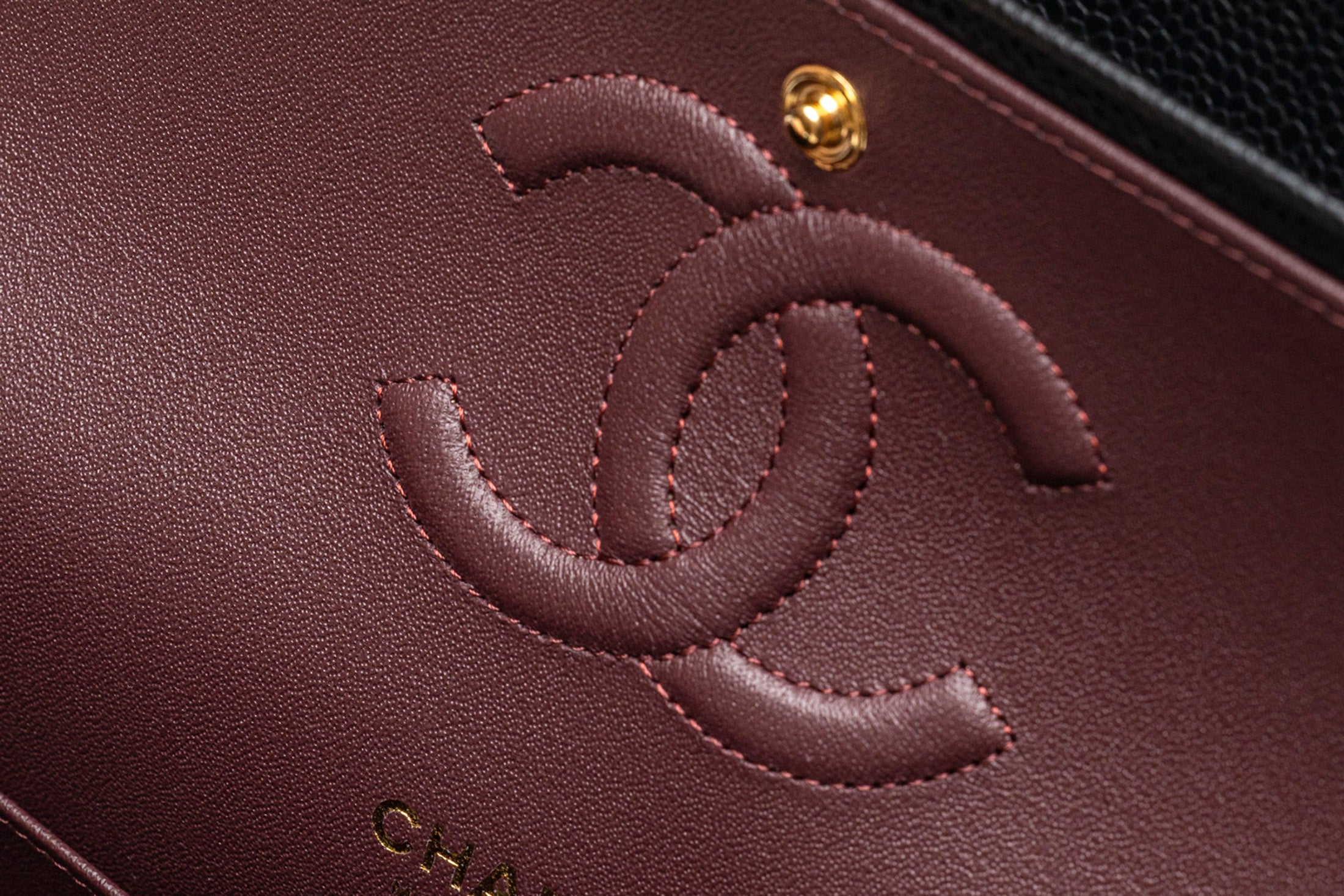
Chanel's foundation is built on pieces Coco Chanel created decades ago that are still in production. The 2.55 bag, created in 1955 and named after its February 1955 creation date, set the standard for quilted leather and chain straps. The Classic Flap, reintroduced in the 1980s with the interlocking CC turn-lock, quickly became just as iconic.
Coco Chanel designed these to solve real problems. She added the shoulder chain so women could keep their hands free. The burgundy lining is often linked to the uniforms associated with her early years at Aubazine. The zippered pocket inside is widely described as a discreet place for personal notes and small essentials.
No. 5 perfume and the Little Black Dress round out Chanel's core. They stick around because they stand for a design philosophy: elegance without excess, luxury that works in real life. When you see a black caviar Classic Flap with gold hardware, you're looking at a piece of Chanel's story.
The camellia flower pops up across products too. Coco loved camellias, and they became part of Chanel's signature visual language. This kind of detail builds a visual shorthand buyers spot right away.
Seasonal Releases and Their Unique Allure
Seasonal collections shake up the classics with colors, materials, and themes that often do not return in the same way. They're exciting because they're fleeting. A pastel pink lambskin Boy Bag or an iridescent patent 2.55 brings urgency that black caviar just can't.
Chanel's Métiers d'Art collections really show this off. These pre-collections celebrate the craftspeople behind embroidery, feathers, and pleating. They often nod to specific places or moments, like the Paris-Hamburg Métiers d'Art show (held in Hamburg on December 6, 2017) and the Métiers d'Art show in Manchester (staged in December 2023 for the 2024 collection). Limited quantities and runway momentum make these pieces feel collectible right away.
Chanel stopped using exotic skins in 2018, so seasonal pieces made in materials like crocodile or snake from before then are especially scarce today.
Seasonal pieces let Chanel experiment without losing its identity. Tweed patterns, playful motifs, or high-impact finishes push boundaries, but the classics keep the collection grounded.
Defining Brand Identity Through Colour and Craft
Chanel often returns to five signature colors: black, white, beige, red, and gold. These show up year-round and are central to the house's visual identity.
Core Colour Associations:
- Black: The brand's backbone, matches everything
- White: Light and contrast, a signature Chanel pairing
- Beige: Quiet luxury and wearability
- Red: Impact and energy, often seen in deeper tones
- Gold: Usually hardware, sometimes metallic leather
Seasonal colors break the mold. Electric blue, mint green, fuchsia, they pop against the neutrals. Materials matter, too. Caviar leather in classic shades often holds up better in daily wear than lambskin in a delicate seasonal color since it's tougher and less prone to showing marks.
Craft quality stays high no matter what. The same ateliers handle quilting, chains, and hardware whether it's a classic or a seasonal piece. Seasonal bags aren't lower quality. They're just more niche and tied to a specific moment.
How Seasonal Drops Shape Buyer Confidence
Seasonal Chanel drops create a psychological space where scarcity meets social validation. Limited availability, buzz, and boutique expertise work together to either boost or undermine a buyer's confidence.
Scarcity and Urgency: The Psychology of Limited Editions
Limited editions play right into our fear of missing out. When we know a color may not return, that fear pushes us harder than the simple joy of buying. Chanel's seasonal drops use this by introducing shades that show up for a collection window and then rotate out, turning a handbag purchase into a now-or-never moment.
This urgency works especially well with mini sizes. Collectors often justify buying multiples because each color feels like a snapshot in Chanel's timeline. It's not just hype. Palette rotation means a shade from one season can be genuinely hard to replicate later, even if future releases feel similar.
Chanel keeps scarcity real by tightly controlling distribution. Seasonal colors are largely found through Chanel boutiques, and fashion e-commerce is limited compared to many other luxury brands. That makes finding the shade you want feel like a win, not just another transaction.
Influence of Celebrity Endorsements and Social Media
Instagram is where Chanel's seasonal releases catch fire. When brand ambassadors and celebrities show up at Chanel events or carry a new seasonal color, interest spikes. These aren't standard ads. They're cultural moments that make specific pieces feel desirable.
Celebrities work as social proof, at scale. When someone whose style we admire carries a certain color, it eases our worry that it might not stay cool past this season. Chanel knows this and places seasonal pieces strategically.
Social media creates a feedback loop, too. Collectors posting their seasonal finds give others the nudge to buy. That peer validation often matters more than anything the brand says.
Boutique Experience and Customer Assurance
In-store experiences still matter a lot for seasonal purchases. Boutique staff offer expertise on materials and finishes, and seeing a color in real lighting helps buyers feel confident about what they are choosing.
Chanel's approach connects digital discovery with in-person confirmation. Maybe you see a color online, but the boutique visit makes it real. Sales associates can explain how a leather finish suits a shade, or how hardware choices might affect wear.
This mix helps with a common worry: that a trend-forward color will look dated fast. Boutique guidance can help you spot which seasonal shades feel wearable long-term and which are truly tied to the moment.
Consumer Behaviour Trends and Brand Loyalty
Seasonal Chanel releases are changing how buyers engage, from seasoned collectors chasing rare editions to newcomers dipping their toes in luxury. Emotional attachment and practical evaluation both drive decisions, while Chanel's relationship-based approach keeps loyalty feeling different.
From Collectors to New Entrants: Evolving Buyer Profiles
We see three main buyer types in the seasonal Chanel world. Established collectors go after limited editions and rare colors, often trying to buy early through boutiques. They track seasonal changes in material and hardware closely.
Enthusiasts mix boutique buys with authenticated resale, using seasonal drops to build a collection without always paying retail. They're detail-focused about condition and provenance.
New entrants often start with smaller seasonal pieces, like small leather goods or beauty. They build loyalty at more accessible price points before moving to bags and ready-to-wear. These buyers care most about authentication and transparency, since they're still learning the ropes.
Emotional Drivers and Condition Evaluation
Buyers balance emotion and practicality when it comes to seasonal Chanel. Some pay a premium because a collection moment means something to them. A seasonal Mini Flap isn't just another bag. It carries a story.
But condition matters, too. Buyers want detailed photos of wear, scratches, and interiors. Clear grading of condition wins more loyalty than slick marketing.
Authentication has become a key emotional touchpoint. Buyers feel safer with authenticated seasonal pieces, especially in markets where counterfeits are common. That verification is both a real safeguard and a psychological comfort.
Loyalty Programs and Retention Strategies
Chanel does loyalty differently. No points or punch cards here. The brand builds relationships through access. Top clients may receive early notice of seasonal drops and private shopping, which keeps things feeling special.
In the resale world, retailers and consignment businesses have their own retention moves. Repeat buyers may get early access to newly authenticated pieces or detailed condition reports before public listings. Some offer trade-in credits to keep buyers coming back.
Authentication services themselves create loyalty. Buyers who trust a certain authenticator stick with them for future purchases, valuing that consistency.
Seasonal Releases and Value Perception
Seasonal Chanel drops create tricky value dynamics that shift with scarcity, demand, and color popularity. Limited launches can boost or shake buyer confidence, depending on how they perform on resale and in collector circles.
Resale Market Insights and Investment Confidence
Classic neutrals like black and beige tend to hold value more predictably than bold seasonal shades. Seasonal colors can be more variable on the secondary market because demand is narrower, and buyer taste shifts faster.
Seasonal releases also get judged more harshly on condition. A small scuff on a darker neutral is easier to overlook, but on a pastel lambskin, it can feel more obvious and affect price more strongly.
Time on the market matters, too. Classic neutrals typically move faster than niche seasonal shades, which can lead to larger discounts if a seller needs a quick sale. That difference can shape confidence if a buyer is thinking in investment terms.
Impact of Seasonal Colours on Demand
Seasonal colors spark short-term excitement but do not always hold demand like the core neutrals. Runway storytelling can build hype for new shades, but many rotate out of wish lists after the season passes.
Some seasonal releases do better. Deep greens, rich browns, and muted pinks tend to hold stronger interest because they balance novelty with wearability. They're special, but not too loud, so they stay relevant longer.
Discontinued exotic skins are a rare exception. Pre-2018 bags made in exotic skins can attract collector premiums because they are no longer produced by Chanel.
Rarity and Collectibility of Limited Launches
Scarcity can drive value when Chanel limits production to single-season runs in just a few styles. Unique finishes and hard-to-repeat materials often become the most collectible, especially when tied to strong runway storytelling.
Novelty materials like denim, velvet, and raffia can split buyers. Some chase experimentation, while others stick with leather. This divide impacts how fast pieces sell. Niche items can find die-hard fans but may take longer to move.
High-Value Seasonal Release Characteristics:
- Only produced for one collection cycle
- Unique material or finish (including pre-2018 exotics and special metallic effects)
- Runway spotlight or widely photographed public appearances
- Colors that fit into a classic wardrobe, not clash with it
- Strong documentation (original packaging, receipts, and purchase history where available)
Brand equity feels more solid when seasonal releases echo Chanel's heritage instead of chasing trends. Colors and materials that nod to Coco Chanel's design language often age better in the eyes of collectors.
Chanel's Competitive Advantage Amid Heritage Brands
Chanel keeps its edge through careful icon management, tightly controlled retail, and atelier-level craft. The house walks a line: beauty is more accessible, but fashion stays scarce, drawing in new buyers who eventually move up to high-value leather goods and couture.
Craftsmanship and Icon Stewardship
Chanel's craft advantage comes from its Métiers d'Art ecosystem and in-house ateliers. These workshops keep techniques like embroidery and specialty finishing alive, adding details to ready-to-wear and couture that support luxury pricing. The brand invests in training and long-term talent so skills do not disappear over time.
Icon stewardship matters too. The Classic Flap and the 2.55 evolve through subtle shifts in materials and hardware, without losing their core structure. That steadiness builds trust among collectors and supports strong ongoing demand.
Chanel's approach extends to beauty. Fragrances like N°5 anchor the category, with limited editions that refresh interest while keeping the identity of the core line intact.
Selective Distribution and Brand Exclusivity
Chanel sells fashion primarily through its own boutiques, with e-commerce more limited than many peers and focused heavily on categories like beauty. This structure helps reduce discounting and limits grey-market dilution. Waitlists for popular bags signal genuine demand and restricted access.
Appointment shopping and private previews reward top clients with early access to seasonal and exclusive pieces. Clienteling keeps outreach personal and encourages repeat buying. Chanel does not operate outlets, which supports full-price sell-through and long-term brand positioning.
Storytelling, Marketing, and The Future of Buyer Confidence
Chanel leans heavily on narrative-driven marketing, including cinematic campaigns and digital engagement, to pull buyers in emotionally. This connection builds real purchase confidence for seasoned collectors and newcomers alike.
Cinematic Campaigns and Cultural Relevance
Chanel's seasonal campaigns often feel like short films, not regular ads. They invest in high-production storytelling and frequently collaborate with well-known creative talent. These are not just product showcases. They create aspirational worlds where seasonal pieces stand for elegance, independence, and timeless style.
Heritage storytelling matters. When Chanel references Gabrielle Chanel's design philosophy or iconic moments, it reinforces the idea that even limited-edition items sit inside a larger brand story. That continuity helps seasonal pieces feel less risky.
That cinematic approach also helps justify high prices. A well-produced campaign adds perceived value beyond leather and hardware. Buyers feel like they are buying into the story, not just the object.
Digital Engagement and Instagram Influence
Instagram is where Chanel builds hype for seasonal drops. The platform's visuals make it easy for collectors to track colorways, finishes, and styling. Each runway moment produces a wave of images that fans analyze for months.
Chanel manages to be both exclusive and reachable online. Behind-the-scenes atelier content brings fans closer to the process, even if they will never attend a show. This kind of access can build trust because buyers see the craftsmanship behind the product.
Social proof is huge. Collectors share seasonal finds and buying advice, creating a knowledge-sharing community that calms buyer nerves. Resale communities also influence confidence through condition discussions and long-term wear insights.
Emerging Market Trends and Sustained Confidence
Emerging markets, especially China and South Korea, remain key drivers of luxury demand, and seasonal releases play strongly in those regions. Many buyers there seek limited-edition pieces that blend French heritage with a sense of individuality.
Younger luxury buyers increasingly treat seasonal pieces as both fashion and value items. They research authenticity, materials, and resale potential before buying. This pushes the broader market toward better documentation and clearer provenance, especially for secondary-market purchases.
Frequently Asked Questions
Seasonal Chanel releases stir up unique market dynamics, from resale values to authentication worries and buying strategies. The timing and style of each launch directly shape how collectors, sellers, and buyers navigate the luxury world.
How do seasonal Chanel releases impact the resale value of classic styles?
Seasonal launches often support demand for Chanel's classics by keeping attention on the brand and reinforcing price positioning. When retail pricing rises, earlier classics can become more attractive entry points on the secondary market, which can lift prices in parallel.
That said, new seasonal colors can temporarily pull attention away from classic black and beige. Some buyers wait to see what is coming next, which can create short-term fluctuations. Over time, steady icon demand tends to keep classics resilient.
Can limited edition Chanel items elevate consumer trust in the brand's exclusivity?
Limited seasonal pieces can boost trust in Chanel's exclusivity because they reinforce controlled supply. Buyers who secure a harder-to-find piece often feel a stronger emotional bond with the brand.
Scarcity also reduces the feeling that the market is flooded, which supports perceived value. Increased authentication attention around limited pieces can reinforce that they are important enough to verify carefully.
What role does anticipation of Chanel's seasonal collections play in boosting overall brand loyalty?
Anticipation is a major driver. Seasonal collections give buyers regular reasons to check in, visit boutiques, and stay engaged. Collectors often plan purchases around the release rhythm, which deepens loyalty over time.
There is also a community effect. Fans discuss upcoming releases and share information, which keeps engagement high even between purchases.
Does the introduction of new materials in Chanel's seasonal lines affect the collector's market?
New materials can shift collector behavior because they create new sub-categories and make pieces easier to place within a specific era. Unique finishes and textiles can also help with dating and authentication.
Durability matters. Materials that age well can become more coveted, while those that wear poorly can reduce long-term confidence in similar experiments.
In what ways can frequent Chanel releases shift consignment market strategies for sellers?
Frequent drops reward good timing. Sellers often do best listing seasonal pieces when boutique availability is gone and demand is still high. Retail price increases can also make older inventory look more attractive, helping sellers reposition classic items.
Separating seasonal items from timeless icons in marketing helps. Classics generally have longer selling windows than pieces tied to a one-off theme.
How do seasonal designs from Chanel affect buyer confidence in authenticity?
Seasonal designs add both challenges and advantages. Unique seasonal details can provide extra authentication clues, but they also require accurate, collection-specific knowledge. That is why research and strong documentation matter more with seasonal pieces.
Intricate craftsmanship in limited editions can be harder to replicate convincingly, which may reduce some types of counterfeits. Still, buyers should verify seasonal details and rely on reputable authentication practices, especially as older seasonal information becomes harder to find.
Love Hermès? See More from Rome Station
Add us to your Preferred Sources on Google to see our newest Hermès guides and insider tips first.