

How In-Stock Hermès Bags Change the Buying Experience for Serious Collectors
TL;DR
In-stock Hermès bags change collector buying by replacing uncertainty with direct comparison. Instead of waiting for an unspecified offer, collectors can assess the exact model, size, leather, colour, hardware, condition, completeness, and provenance before making a decision. This makes the purchase less about immediate access alone and more about whether a particular bag fits the collector's lifestyle, existing collection, and long-term goals. The strongest buying decisions still depend on authentication, transparent condition reporting, and a clear understanding of why the bag belongs in the collection.
Check out our Hermès collection and Birkin bags!
Availability changes the question. When in-stock Hermès bags are ready to purchase, collectors stop asking, "Will I be offered one?" and start asking, "Is this actually the right one for me?"
Traditionally, collectors may spend considerable time building boutique relationships without knowing which size, leather, colour, or hardware combination may become available. Confirmed resale inventory creates a different buying process. It allows buyers to compare real bags side by side, review condition and provenance, and decide whether a specific configuration complements an existing collection.
This guide explains how immediate availability changes the decision-making process, which details deserve the closest attention, and how to buy with greater confidence.
Key Takeaways
- Immediate access allows collectors to compare exact configurations instead of reacting to an uncertain offer.
- Condition, authentication, provenance, and completeness shape buyer confidence as much as the model name.
- A clear collection strategy helps separate a genuinely suitable bag from one that is attractive only because it is available.
Featured Products


What In-Stock Availability Changes for Serious Collectors
When a Hermès bag is already available, the purchase becomes a real evaluation rather than a waiting exercise. Timing still matters, but configuration, confidence, and collection fit move to the centre of the decision.
Immediate Access Versus Boutique Uncertainty
Birkin and Kelly bags are not typically purchased through the same open-shelf process as many other luxury handbags. Boutique access can depend on inventory, client relationships, location, and other factors, while the timing and exact specifications of an offer may remain uncertain.
In-stock resale removes much of that uncertainty. The collector can see the confirmed size, leather, colour, hardware, year, condition, and included accessories before committing. Instead of hoping a future offer matches a wish list, the buyer evaluates a bag that already exists and is available.
This gives the collector more control over the information used to make the decision.
Why Configuration Matters More Than Waiting
Waiting longer does not necessarily bring a collector closer to the exact bag they want. A boutique offer may be desirable but still differ from the preferred size, colour, leather, or hardware combination.
With confirmed inventory, collectors can prioritize choice over an undefined timeline. Someone looking for a Kelly for regular use can compare practical sizes and constructions. A collector seeking a statement piece can focus on a specific colour, smaller format, special order, or less common material.
The buyer does not have to accept a bag simply because it became available. The question is whether the configuration supports how it will be worn, collected, or eventually resold.
The Secondary-Market Confidence Advantage
On the secondary market, confidence comes from authentication, accurate condition reporting, and a clear description of what is included. A well-documented pre-owned bag can give collectors the information they need without requiring a long boutique history.
Transparent photographs, specific wear notes, available provenance, and clear specifications make it easier to compare bags that differ in condition, age, accessories, or rarity.
For collectors, this is the central advantage of in-stock buying: immediate access paired with the ability to evaluate the exact piece before purchase.
Choosing the Right In-Stock Hermès Bag
Once a bag is available, size, function, and collection role become practical choices rather than abstract preferences. The right model depends on how the collector plans to use it and what is already represented in the collection.
Birkin and Kelly as Collection Anchors
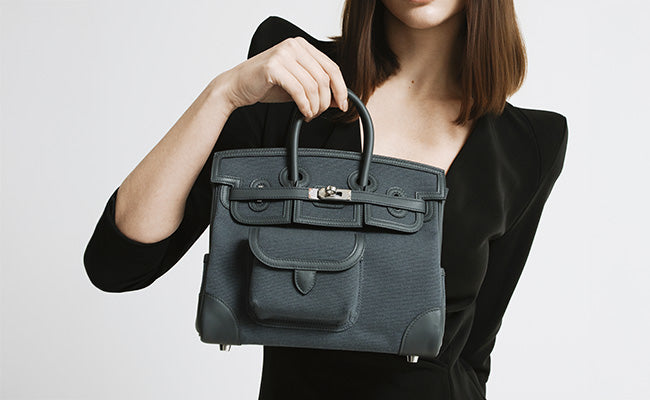
Birkin and Kelly bags remain central to many Hermès collections, but the name alone should not determine the purchase.
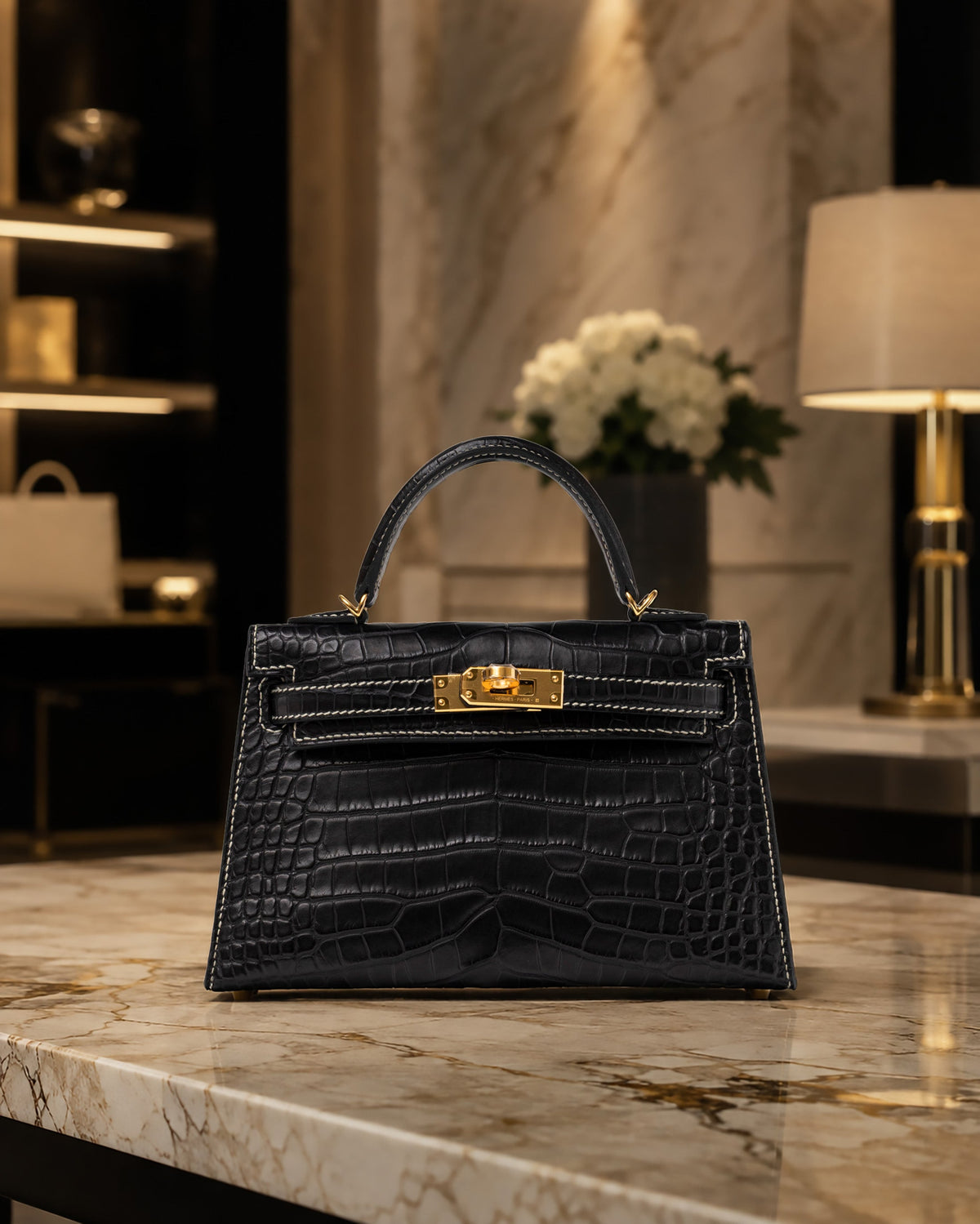
A smaller Birkin may suit a compact, polished wardrobe, while a larger size offers more capacity. Kelly bags provide a more formal silhouette, with Sellier and Retourne constructions creating different results.
Classic neutrals and practical leathers may appeal to buyers seeking versatility. Less common colours, seasonal shades, and unusual specifications may be better suited to collectors building around rarity or visual distinction.
Mini Kelly, Kelly Pochette, and Smaller Formats
Smaller formats often appeal to collectors who want a compact statement piece rather than an everyday carryall. The Mini Kelly and Kelly Pochette can add variety to a collection that already includes larger, more practical bags.
Because these pieces have limited capacity, collectors should consider whether the bag fills a genuine gap or represents a configuration they have specifically sought.
The Constance may also enter this comparison for buyers who want a recognizable Hermès design with a shoulder or crossbody format. Its structure and prominent closure give it a different role from both the Birkin and Kelly.
Beyond Birkin and Kelly
In-stock availability can also highlight practical Hermès designs such as the Evelyne, Bolide, and Garden Party.
The Evelyne offers a casual crossbody format, the Bolide provides structure, and the Garden Party adds relaxed everyday capacity. These models can balance a collection with greater usability.
Choosing beyond the most coveted names can be strategic when regular use matters more than scarcity.
Configuration Details That Influence Desirability
Construction, leather, colour, hardware, and rarity all shape how a bag looks, wears, and fits within a collection. These details should be reviewed together because no single specification determines desirability on its own.
Sellier and Retourne Construction
Sellier bags have visible exterior stitching and a more defined, structured outline. They tend to feel formal and architectural, particularly in the Kelly.
Retourne bags are constructed to create softer edges and a more relaxed shape. This style may suit collectors who want a less rigid bag for regular use.
Neither construction is automatically superior. The better choice depends on the collector's preferred silhouette, intended use, tolerance for visible wear, and the leather used in the specific bag.
Leather, Colour, and Hardware Selection
Leather affects structure, texture, durability, and the way a bag develops with use. Togo is often chosen for its grained surface and relaxed structure. Epsom creates a more defined shape, while Box leather develops character and patina that can appeal to collectors who appreciate vintage qualities.
Colour influences both wardrobe compatibility and the bag's role within a collection. Noir, Gold, Etoupe, Craie, and other neutrals are often considered for versatility, while brighter or less common shades can create a stronger focal point.
Hardware also changes the overall effect. Gold hardware can add warmth, while palladium hardware creates a cooler, more understated finish. Condition matters as much as colour, since visible scratching or plating wear may affect how the bag presents.
Special Orders, Exotic Skins, and Collector Appeal
Special-order bags can feature combinations selected through Hermès that are not commonly found in standard inventory. Their appeal often comes from distinctive colour pairings, contrast details, or unusual hardware choices.
Exotic skins attract a narrower and often more experienced collector audience. They require careful review because material condition, storage history, documentation, and applicable resale or transport requirements may all be relevant.
For rare configurations, provenance and precise description become even more important. Rarity never replaces authentication and condition assessment.
Condition, Completeness, and Authentication Signals
An in-stock Hermès bag should be evaluated as a complete package. Condition, accessories, provenance, and authentication work together to establish buyer confidence and help explain the bag's position within the resale market.
How Condition Affects Buyer Confidence
Condition shows how a bag was used, handled, and stored. Important areas include corner wear, handle darkening, hardware scratches, glazing, stitching, interior marks, odour, and overall structure.
A bag with minor corner wear is not equivalent to one with significant shape loss. Specific descriptions are more useful than broad labels because they let collectors judge which signs of wear matter most.
Collectors should expect the written condition report, photographs, and in-person appearance to align. Clear disclosure supports better comparisons and reduces uncertainty after purchase.
The Importance of Boxes, Receipts, and Accessories
A full set can improve presentation, but authentication and condition remain the primary considerations.
- Bag condition and authenticity: The most important factors in the evaluation.
- Original receipt or purchase documentation: Helpful for provenance when available, but not required for every authentic bag.
- Box, dust bag, clochette, lock, and keys: Valuable for completeness and presentation.
- Rain cover and additional packaging: Useful supporting accessories, with importance varying by collector.
Collectors should confirm exactly what is included.
Assessing Provenance and Authentication
Provenance refers to the bag's available ownership and purchase history. It may include original documentation, prior consignment records, or information from a verified acquisition channel.
Documentation can support the story of a bag, but it is not authentication on its own. A credible evaluation considers construction, materials, stamps, hardware, stitching, and proportions together.
The strongest listings align provenance, authentication, photographs, and condition reporting, allowing buyers to decide with less guesswork.
Resale Value and Long-Term Desirability
Immediate availability can be valuable, but collectors should still consider how the bag may be viewed over time. Resale value depends on multiple variables and should never be treated as guaranteed.
What Supports Secondary-Market Interest
Model, size, leather, colour, hardware, condition, age, rarity, and completeness can all influence buyer interest. Birkin and Kelly bags often receive significant attention on the secondary market, but two examples of the same model can perform differently because their specifications and condition are not identical.
Versatile combinations may appeal broadly, while unusual colours, special orders, and exotic skins may require the right collector. Market preferences can change.
For that reason, collectors should compare like with like. A fair comparison uses bags with similar specifications, condition, age, and included accessories rather than relying on the model name or original retail price alone.
Separating Personal Value From Financial Expectations
A strong collection is not built only around projected resale performance. Personal use, rarity, aesthetic fit, and emotional significance may be equally important.
Collectors who want resale flexibility can prioritize wearable sizes, versatile colours, strong condition, and clear provenance. Those who value rarity may accept a narrower future buyer pool in exchange for a more distinctive piece.
The goal is to understand why the bag is desirable and whether those factors align with the collector's priorities today.
Buying In-Stock With a Clear Collection Strategy
An available Birkin, Kelly, Constance, or other Hermès bag removes some uncertainty, but it does not remove the need for a plan. Collectors make stronger decisions when they define the bag's purpose before reacting to its availability.
Define the Bag's Role Before Buying
Start by deciding whether the bag is intended for regular use, occasional wear, collection depth, rarity, or future resale flexibility. Each purpose creates different priorities.
An Evelyne, Bolide, or Garden Party may be selected for everyday practicality. A Birkin or Kelly in a classic configuration may serve both use and collection goals. A special order, limited edition, or exotic bag may be chosen primarily for scarcity and visual distinction.
A bag can be authentic, beautiful, and fairly presented while still being the wrong addition to a particular collection.
Compare Immediate Availability With Boutique Buying
Boutique buying offers the retail experience and a relationship with the brand, but timing, inventory, and exact specifications can be uncertain.
In-stock resale offers a different advantage: the collector can evaluate the exact bag without a waitlist or pre-spend requirement. The trade-off is that secondary-market pricing reflects availability, condition, rarity, and current demand rather than boutique retail pricing alone.
The right choice depends on whether the collector values the boutique journey, immediate access, or a specific configuration.
Build a Balanced Collection Over Time
The strongest collections often combine patience with decisive buying. Boutique purchases can create one type of experience, while in-stock resale can fill gaps that may be difficult to address through uncertain inventory.
A collector might acquire a classic Kelly through one route and later choose a rare Constance or specific Birkin configuration through another. This allows the collection to grow with intention.
Final Thoughts
In-stock Hermès bags give collectors greater control over configuration, condition, provenance, and timing, but immediate access should never replace careful evaluation. Rome Station helps clients compare rare and coveted pieces with confidence, supported by experienced guidance, authentication, and a customer-first resale experience.
Fact Check and Data Sources
Boutique access, market demand, and future value are discussed at a general level because they vary by location, inventory, individual bag, and market conditions. Details should be confirmed against the specific piece and a qualified authentication process.
Rome Station evaluates bags individually based on authenticity, condition, configuration, rarity, completeness, and available provenance. Luxury handbags should not be treated as guaranteed financial investments.
Frequently Asked Questions
Why do in-stock Hermès bags appeal to serious collectors?
How does immediate availability change the Hermès buying decision?
What condition details should collectors review before buying an in-stock Hermès bag?
Which specifications can influence interest in an in-stock Hermès bag?
How can a collector judge whether an in-stock Hermès bag is appropriately priced?
What authentication and provenance information should accompany a pre-owned Hermès bag?
How does Rome Station support collectors buying in-stock Hermès bags?
Love Hermès? See More from Rome Station
Add us to your Preferred Sources on Google to see our newest Hermès guides and insider tips first.