

How Emotional Value Drives Van Cleef Purchase Decisions
Check out our Van Cleef & Arpels collection!
When you’re eyeing a Van Cleef & Arpels piece, it’s almost never just about the carats or the clasp. Emotional value drives Van Cleef purchase decisions through a complicated blend of personal meaning, brand identity, and psychological triggers, often trumping pure financial logic. It’s a pattern you see again and again: an Alhambra necklace isn’t just gold and mother-of-pearl, it’s a bridge to memories, aspirations, and the sense of entering an exclusive world.
The luxury jewelry market doesn’t play by the same rules as everyday goods. Van Cleef & Arpels has turned emotional resonance into an art, weaving fairy-tale storytelling into their collections and honing a craftsmanship that signals status and taste with a single glance. Emotional factors, perceived social value and personal attachment, shape luxury buying behavior, and Van Cleef knows exactly how to use that, from marketing to design.
Whether you’re drawn to their whimsical, nature-inspired designs or the heritage of a Maison that’s been around for over a century, recognizing these emotional drivers can help you understand what you’re really buying, and why certain pieces keep their magic on the secondary market.
Key Takeaways
- Emotional ties to Van Cleef pieces usually outweigh financial calculations in purchase decisions
- The brand builds value through storytelling, exclusivity, and psychological triggers that stick with luxury buyers
- Knowing your emotional motivations can guide both your buying decisions and your thinking about long-term value
Emotional Value in the World of Van Cleef & Arpels
Van Cleef & Arpels pieces have a weight that goes far beyond their materials, forging connections based on perceived luxury, personal meaning, and the brand’s long legacy of craftsmanship.
Understanding Perceived Value in Luxury
Perceived value in luxury jewelry is its own animal. We’re not just shelling out for gold or gemstones when we invest in Van Cleef & Arpels.
It’s about scarcity, brand positioning, and the psychological satisfaction of owning something special. Van Cleef keeps a tight grip on distribution, and many pieces can be limited in availability or offered through special order. That controlled access stokes demand and keeps the brand feeling rare.
Our brains assign more value to things that seem hard to get. When you spot an Alhambra necklace, you’re weighing its worth through layers: the visible craftsmanship, the instantly recognizable design, and the social cachet it carries.
Resale numbers back this up. Some collections can retain a large share of their original price, and in certain cases values can rise. The market seems to agree with our emotional sense of what these pieces are worth.
The Power of Emotional Connections with Iconic Jewelry
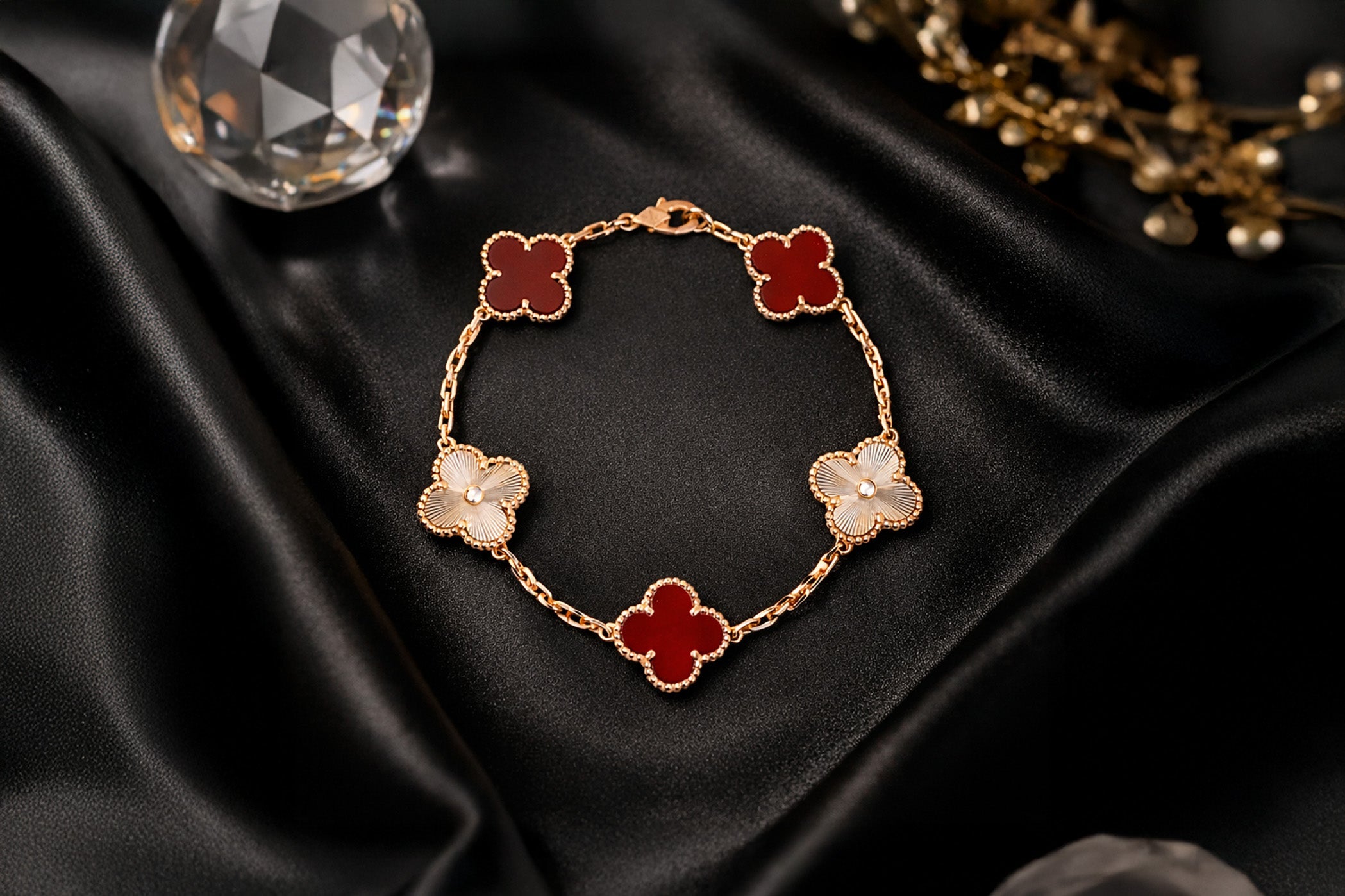
Van Cleef & Arpels designs are built to spark emotion. The Alhambra’s four-leaf clover motif, for instance, taps into universal ideas of luck and protection.
We tie these pieces to big moments, maybe a Vintage Alhambra pendant marks a promotion or an anniversary. Over time, these memories stack up, adding layers to the jewelry’s emotional value.
Passing pieces down through generations only deepens these bonds. When you inherit or gift Van Cleef & Arpels, you’re handing over family stories, not just objects. With a history stretching back more than a hundred years, a lot of these pieces already come loaded with meaning.
This emotional layering shifts how we approach buying. It’s not just about instant gratification. We’re investing in future memories and potential heirlooms, which makes those price tags feel a bit more justified.
The Role of Brand Heritage and Craftsmanship
Van Cleef & Arpels’ long history gives it a kind of emotional heft that newer brands can’t fake. When we buy in, we’re signing up for a documented legacy, innovations like the Mystery Set, legendary collections, and pieces worn by style icons.
Learning about the sertisseur who spent hours setting stones in your piece turns it from anonymous luxury into something personal. That kind of detail makes it easier to feel connected.
Loyalty grows out of consistent quality and thoughtful service. Van Cleef & Arpels offers aftercare, including complimentary deep cleaning, and provides maintenance and repair services (fees and timelines vary). That ongoing support makes us feel like more than just a transaction.
The brand doesn’t just see itself as a retailer; it’s a guardian of jewelry as art. That mission appeals to people who want to be collectors and connoisseurs, not just shoppers.
How Emotions Drive Van Cleef Purchase Decisions
Van Cleef & Arpels purchases come down to emotion, feelings often win out over logic, with the brain’s reward and identity systems making five- and six-figure decisions feel not just reasonable, but necessary.
Emotions as Primary Drivers of Luxury Purchases
Study after study finds that emotions play a major role in buying decisions, and this is even truer with luxury jewelry. When we see a Van Cleef Alhambra necklace or a Frivole bracelet, our brains react emotionally first, logically second.
The emotional triggers behind Van Cleef purchases usually include:
- Wanting social status and recognition
- Rewarding ourselves for achievements
- Marking romance or relationship milestones
- Building family legacy
- Pure aesthetic pleasure
Buyers almost never justify Van Cleef purchases with old-school value metrics. Instead, they zero in on how the piece makes them feel and the story it tells in their life. A Vintage Alhambra pendant isn’t about its gold content; it’s about emotional well-being and affirming who you are.
Neurological Mechanisms at Play
Our emotional systems play a major role when we think about luxury purchases. Regions involved in emotion and salience react the moment we see something we want, while reward pathways can heighten anticipation and motivation.
Van Cleef leans into this with signature motifs, the clover, the butterfly, that trigger instant recognition and emotional connection. Our brains process these symbols before we even start thinking rationally.
That’s probably why so many buyers say a Van Cleef purchase “just felt right,” even if the price was steep. The emotional decision-making circuitry kicks in, and logic can take a back seat to the promise of satisfaction and social reward.
Emotional Decision-Making in High-Value Transactions
Big-ticket Van Cleef buys only turn up the emotional volume. We see people dropping serious money because their gut tells them it’s right, and only after buying do they start rationalizing it.
The pattern is familiar: you feel the pull, you do a quick mental check, you get emotional confirmation, and then you pull the trigger. That logical check? Sometimes it lasts minutes. The emotional part can drag on for months.
Emotional well-being often wins out over strict financial sense. Buyers see Van Cleef not as a splurge, but as an investment in identity, relationships, or family history. That framing turns a want into a need, or at least, it feels that way.
Emotional Triggers and Psychological Factors
Buying Van Cleef & Arpels taps into some deep psychological stuff, social validation, scarcity, and the need to feel secure, especially when you’re dropping serious money.
The Impact of Social Proof and Influence
Social proof plays a big role in Van Cleef buying habits, especially in luxury circles. When collectors see others rocking Alhambra necklaces or Perlée bracelets, the bandwagon effect kicks in. It’s not blind following; it’s about feeling like you belong to a savvy group.
Celebrity sightings and influencer posts add fuel. One red carpet moment can set off a rush of interest. You see it in the resale market too, certain collections heat up after they get a little spotlight.
Authentication and consignment groups act as trust circles. When seasoned collectors share their Van Cleef finds, it’s an unspoken stamp of approval. New buyers lean on these cues, and online forums only amplify that effect.
Scarcity, FOMO, and Limited-Time Offers
The fear of missing out (FOMO) is a huge motivator. Limited editions and discontinued pieces crank up the urgency, and Van Cleef’s selective distribution only makes it worse.
New Alhambra releases are a classic case. Buyers worry that waiting means missing out, and sometimes, they’re right. When things sell out quickly or jump in value on the secondary market, that anxiety feels justified.
Scarcity hits even harder in consignment. When a rare vintage piece pops up, collectors move fast, sometimes deciding in hours instead of weeks. Regret is a powerful motivator.
Trust, Security, and Emotional Safety
Trust is non-negotiable for Van Cleef buyers, the stakes are high, and fakes are out there. People need to feel emotionally safe before committing to a big purchase. Reputable sellers help by being transparent about authentication and condition.
Expertise matters. When you can spot authentic hallmarks or judge gold and gems, you build the confidence buyers crave. That technical know-how translates straight into emotional comfort.
The structure of the deal matters too. Established consignment houses with guarantees take a lot of anxiety out of the equation. Knowing you have recourse if something goes wrong lets you make decisions you might otherwise avoid.
Emotional Marketing and Brand Engagement Strategies
Van Cleef & Arpels forges emotional bonds through storytelling, personalized service, and social validation, turning casual admirers into loyal collectors. These strategies reach far beyond product specs.
Storytelling and Emotional Branding
Van Cleef & Arpels tells stories with every collection, romance, nature, artistry. They don’t just show off technical details; they share the inspiration behind the Alhambra clover or their fairy-tale high jewelry.
This narrative approach weaves jewelry into the fabric of life’s big moments. Their marketing is all about love, wonder, and beauty, not just specs. The L’ÉCOLE Van Cleef & Arpels platform pulls customers deeper by teaching gemology and craft history, making the emotional connection even stronger.
These stories reinforce the brand’s values, exclusivity, sophistication. Collectors often mention these tales when they buy, linking their purchase to something bigger and, honestly, more meaningful.
Personalization and Emotional Appeals
Van Cleef tailors the buying experience, private viewings, one-on-one consultations, and digital content that reflects your browsing habits. Their site offers detailed product information and rich visuals, making online research feel less distant.
In-store, you get personal attention in a quiet setting, with advisors who remember your tastes and past buys. That level of care builds real loyalty.
Their digital marketing is smart, too, targeted content about specific collections based on what you’ve shown interest in. Customers notice when a brand remembers them, and it makes them more likely to come back.
The Influence of Testimonials and User-Generated Content
Van Cleef & Arpels builds social proof through handpicked influencer partnerships and genuine customer stories on social media. Unlike most mass-market brands, they keep things exclusive but still encourage real collectors to share.
Instagram is full of people showing off their Van Cleef pieces in their everyday lives. This kind of content feels more real and persuasive than ads, potential buyers see jewelry as part of someone’s actual story.
The brand also keeps close ties with celebrities and tastemakers who genuinely love their pieces. When these folks share their passion for the craftsmanship, it reinforces the brand’s emotional pull. Younger buyers, especially, seem to care about this kind of authentic validation.
The Buyer’s Emotional Journey: From Aspiration to Loyalty
Buying Van Cleef & Arpels isn’t a snap decision, it’s a journey. Initial desire slowly morphs into brand devotion, with each step shaped by subtle psychological shifts that the brand knows how to nurture.
Pre-Purchase Emotional States
The process usually starts with a mix of longing and hesitation. There’s this “luxury threshold anxiety,” you want in, but you’re weighing the investment, authenticity, and timing.
At this stage, emotions drive the show:
- Aspiration and identity: Buyers imagine how the piece fits their self-image
- Seeking validation: Wanting recognition from the luxury crowd
- Justifying the investment: Using resale value and craftsmanship as rational anchors
Many people spend months researching before they take the plunge. They’re comparing Alhambra styles, learning to spot hallmarks, and lurking in collector forums. It’s not indecision; it’s emotional groundwork for a big commitment.
During this phase, buyers build a mental case for the purchase. They focus on “timeless design” and “superior craftsmanship,” rational-sounding reasons that support a decision their heart’s already made.
Impulse and Repeat Purchases
First-time Van Cleef buyers rarely make impulse purchases. But after that first piece, something changes. The second one tends to happen sooner, with a lot less hesitation.
Repeat purchases come with a whole new emotional landscape. The nerves fade, replaced by what researchers call “brand comfort and trust.” Buyers know what they’re getting, spot the authentication markers, and feel good about their investment.
Common repeat purchase triggers:
- New collection launches that spark urgency
- Milestone celebrations that feel like they deserve a reward
- The urge to complete a set or try a new color
- Influence from other collectors in the community
It's interesting, by the third or fourth piece, many Van Cleef collectors say it feels almost “inevitable.” Once buyers internalize the brand’s value, they spend less time second-guessing and more time following that familiar sense of certainty.
Building Long-Term Emotional Bonds
Real loyalty with Van Cleef goes way beyond just buying again. Long-time collectors talk about their pieces like they're old friends: “my signature piece,” “she goes everywhere with me,” or “it's part of who I am.”
That kind of attachment grows from consistently positive experiences. Authentication confidence is huge. People who know Van Cleef's hallmarks, gold quality, and construction details inside out tend to stick with the brand longer than those who feel unsure.
Loyalty indicators we notice:
- Buying across different collections (Alhambra, Perlée, Frivole)
- Getting involved with brand heritage and high jewellery
- Active in collector groups and communities
- Ignoring tempting offers from rival luxury brands
The consignment market tells an interesting story. Serious Van Cleef collectors often hold onto their pieces, even when prices are high. If they do sell, it’s usually to fund an upgrade within Van Cleef, not to leave for another brand. There's something about these pieces, they carry personal stories and identity, not just price tags.
Neuroscience and Behavioural Economics in Luxury Shopping
Looking at Van Cleef & Arpels through a scientific lens, it's clear that our emotional responses aren't just vague feelings, they're real, measurable brain events. Luxury can activate brain networks tied to reward, status, and identity.
Decision-Making in the Brain: Limbic System and Beyond
The limbic system is heavily involved in emotional reactions, and it plays a role in how we respond to luxury. The amygdala can react to desirable objects quickly, before slower, more deliberate reasoning fully kicks in.
Neuromarketing research suggests luxury can strongly engage reward-related regions compared to purely practical purchases. The ventral striatum is often associated with reward processing, and dopamine-related pathways can reinforce positive associations.
Honestly, that's just how our brains are wired. The prefrontal cortex, the rational part, often justifies choices already shaped by emotion, rather than always overruling them.
Brain studies also suggest context matters. In some cases, high prices themselves can increase perceived value, because price can signal exclusivity and status.
Cognitive Biases and Emotional Anchoring
Anchoring bias is a big deal in luxury jewellery. When a brand sets a price for an iconic piece, that number can stick in our heads as the standard for similar pieces.
Behavioural economics points out several biases in play:
- Scarcity effect: Limited editions feel more precious
- Social proof: Seeing others buy validates our choices
- Status quo bias: Once we pick a brand, we tend to stick with it
- Endowment effect: We overvalue what we already own
Anchoring works both ways. If you see a very high jewellery price point first, a lower-priced bracelet can suddenly seem more reasonable. Van Cleef understands this, and collection pricing can create anchors that shape how mid-range pieces feel.
These cognitive biases aren't just flaws to fight. They're part of how we decide what's valuable, especially for things tied to identity and status.
Applying Market Research and Sentiment Analysis
Modern luxury brands often rely on sentiment analysis to track emotions across digital spaces. They watch how collectors talk about Van Cleef pieces, looking for the emotional triggers that spark engagement.
Market research now digs into digital behavior. Brands study how long we spend looking at certain pieces online, which angles we zoom in on, and what we compare before buying.
They can adjust messaging based on what buyers care about. If research shows buyers worry about authenticity, brands tend to emphasize craftsmanship, provenance, and service.
You can also see how brands respond to demand shifts. When certain styles dominate resale conversations, brands may lean into heritage storytelling and carefully manage availability to protect exclusivity.
Frequently Asked Questions
Buyers often wonder what makes Van Cleef & Arpels worth the investment. Is it the psychology, the materials, or just the brand's magic? Let's try to untangle some of these questions.
What psychological factors influence buyers to choose Van Cleef & Arpels over other luxury brands?
Van Cleef & Arpels taps into feelings of exclusivity and heritage. When you buy a piece here, you're not just getting jewellery, you're buying into a story with roots in 1895 and a Maison founded in 1896.
The brand appeals to people who care about the story as much as the sparkle. It feels like joining a club, not just making a purchase.
Designs like the Alhambra collection lean into nostalgia and romance. They evoke luck, protection, and a kind of timeless elegance that hits on a personal level.
How does the craftsmanship of Van Cleef & Arpels jewellery justify its premium pricing?
Every Van Cleef & Arpels piece gets hand-finished and assembled by skilled artisans. Take the Mystery Set technique, gemstones are set with no visible prongs, which takes wild precision and experience that most houses just don't have.
The time investment is huge. A single piece might take many hours, with quality checks at every stage before it ever hits the boutique.
We're paying for methods refined over generations. The workshops teach techniques you won't find everywhere, so there's a real scarcity of expertise, and that drives value.
What role does brand heritage play in the desirability of Van Cleef & Arpels pieces?
Heritage is a trust signal that upstart brands can't fake. Van Cleef & Arpels has served royalty, celebrities, and collectors for over a hundred years. That legacy reassures new buyers that their investment has staying power.
The brand's archives still shape today's collections. Buying a modern Alhambra means you're part of a design tradition started in the 1960s, proven over decades.
Provenance matters in resale, too. Pieces with documented history or ties to iconic brand moments can fetch higher prices because collectors care about the story as much as the item.
How important is the condition of a piece when considering Van Cleef & Arpels for resale or consignment?
Condition is everything in resale. Sometimes, the difference between pristine and worn can be significant in value. Scratches, chipped enamel, missing stones, all of that drags down the price.
Original parts are a big deal with Van Cleef & Arpels. If you swap out clasps, jump rings, or change the chain length, even with professional work, it can still affect originality and value.
Pieces with original boxes, certificates, and receipts move quicker and often fetch more. These extras help support authenticity and provenance, making buyers feel safer in the secondary market.
Can the emotional appeal of Van Cleef & Arpels outweigh practical considerations in purchase decisions?
Emotions often win out over logic here. Plenty of buyers admit the piece might not be the most practical investment, but they go for it because of the joy and meaning it brings.
The brand leans into this. Their campaigns focus on celebrations, love, and milestones, not just returns or practicality.
People justify these purchases by calling them heirlooms or symbols of achievement. That emotional framing turns a luxury splurge into a meaningful life marker, making it feel worth it, resale value aside.
What specific materials used in Van Cleef & Arpels designs contribute to its high-end status and allure?
Van Cleef & Arpels leans into materials like mother-of-pearl, carnelian, onyx, and malachite, especially in their Alhambra collection, to craft pieces that you can spot a mile away. They obsess over picking stones that look harmonious together, always chasing a quality that just feels a notch above what you see elsewhere.
Yellow gold, especially in those warm, almost glowing shades, has become a kind of signature for the brand. They’ve developed specific gold alloy tones over time to achieve that look, and fans love to point out the distinctive finish.
When it comes to high jewellery, the maison goes after diamonds and colored gemstones that meet strict standards for cut, clarity, and color. Their buyers hunt down stones that most other brands might pass on as too rare or pricey for regular lines, saving them for those limited pieces everyone seems to covet.
Love Hermès? See More from Rome Station
Add us to your Preferred Sources on Google to see our newest Hermès guides and insider tips first.