

How Does Hermès Hardware Age Over Time?
Check out our Hermès collection and Birkin bags!
Hermès hardware isn’t just for show. Crafted from premium metals and specialty finishes, it develops what collectors call patina as the years go by. With the right care, Hermès hardware can last for decades and often grows more beautiful as it ages.
Still, things like humidity, how often you use the bag, and storage habits all play a role in whether your hardware develops a lovely patina or ends up scratched and tarnished. Knowing how these finishes change helps you make smarter choices and protect your investment.
I’ve come across everything from pristine vintage Birkins with gleaming gold hardware to bags where the plating has dulled or scratched from heavy use. Usually, it comes down to how someone handled and stored the bag.
Gold hardware shows scratches more than palladium, while brushed finishes do a better job hiding wear. Some metals, like the now-retired ruthenium, age in their own unique way.
If you’re buying pre-loved or just wondering how your own bag will age, it’s worth knowing what to expect. Let’s dig into how each hardware type changes, what causes deterioration, and some tips for keeping your pieces looking great.
Key Takeaways
-
Hermès hardware develops patina over time. Gold shows scratches more than palladium. Brushed finishes hide wear better than polished ones.
-
Storing hardware away from humidity and chemicals slows tarnishing and helps keep it looking good for decades.
-
Professional spa services can restore heavily worn hardware, and vintage pieces often hold collector value even with natural aging.
What Is Hermès Hardware? An Ultra-Luxury Overview
Hermès hardware covers all the metal bits on their bags, clasps, locks, keys, feet, and zippers, finished to the brand’s famously high standards. The hardware really shapes a bag’s personality and can seriously affect its collectability and resale value.
Materials Used: From Palladium to Gold-Plated
Hermès hardware is typically built on metal components finished with precious-metal plating or specialty coatings.
Gold hardware (GHW) is the most common, adding warmth to classics like noir, étoupe, and rouge H. Palladium hardware (PHW) is a cool-toned, tarnish-resistant option that pairs well with greys and blues.
Permabrass gives a champagne-gold look that bridges warm and cool leathers. Ruthenium’s darker grey finish is pretty distinctive. Rose gold hardware is more limited and looks fantastic with neutrals and pastels.
Some of the rarest finishes include PVD-coated black hardware, like So Black pieces, guilloché hardware with engraved patterns, and diamond-set precious-metal hardware on extremely rare bags.
Iconic Hardware Styles Across Hermès Lines
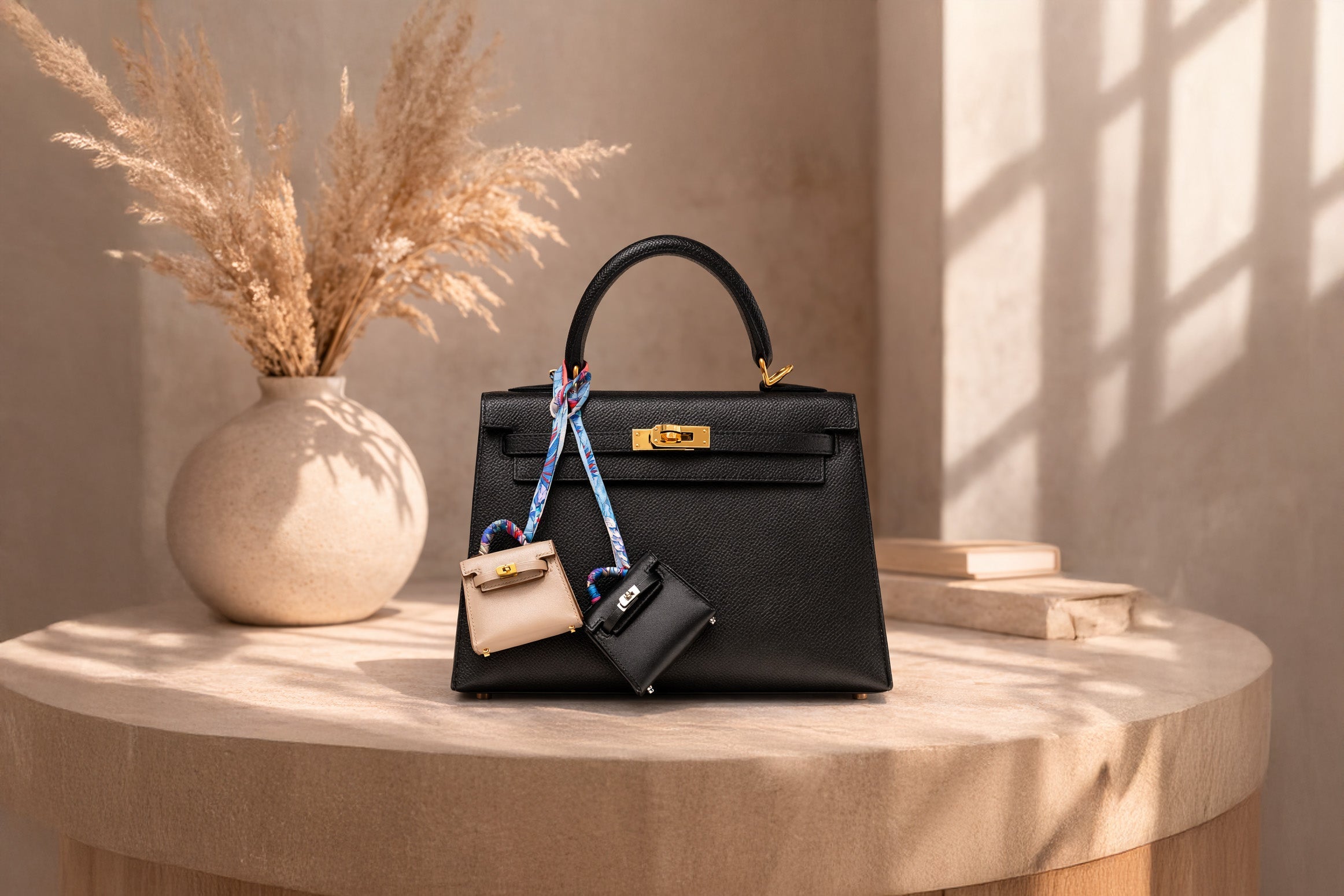
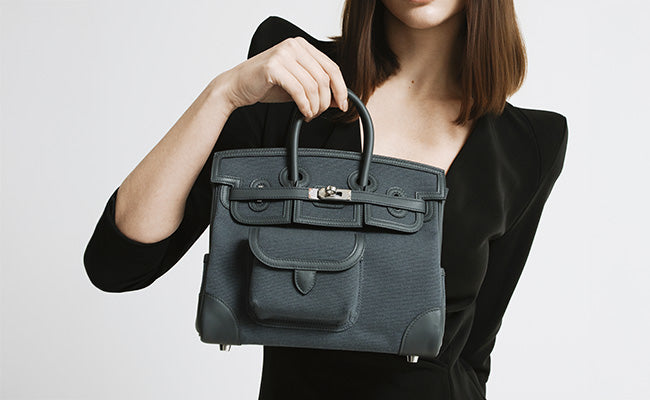
The Kelly bag sports its signature sangles and turn-lock closure with a padlock and clochette, a setup that has barely changed since the 1930s. The Birkin uses a similar sangles-and-turn-lock closure, also paired with a padlock and keys.
Brushed finishes, whether gold or palladium, show up most often on HSS (Horseshoe Stamp) special orders. These matte finishes feel softer and more understated than the classic shiny plating.
Guilloché hardware is true haute joaillerie, appearing only on limited-edition Kellys and select custom orders. Diamond hardware is the ultimate flex, showing up mainly on exotic Himalaya Birkins and Kellys that fetch six or even seven figures on the resale market.
Current Trends in Hermès Hardware Choices
Brushed finishes are getting more love from minimalists who like subtlety over shine. Permabrass keeps picking up steam for its versatility, working just as well with jewel tones like raisin and vert olive as with neutrals like craie.
So Black bags with PVD coating remain some of the most collectible Hermès pieces out there. Rose gold hardware is also on the rise on select pieces and special orders, especially with soft greys, mushroom tones, or pink-based leathers.
How Hermès Hardware Changes With Time
Hermès hardware gains character as you use it, showing patterns of wear that range from a desirable patina to scratches and oxidation. The finish, how often you use the bag, and your care routine all shape how fast these changes show up and whether they add charm or take away from the look.
Natural Patina Development and Signs of Age
Gold-plated hardware develops a warm, lived-in glow as the surface interacts with oils from your hands and the environment. This patina builds up slowly after months or years of regular use, giving a subtle depth that many collectors actually prefer over the shiny look of brand-new hardware.
Palladium hardware keeps its cool tone longer but can get a softer sheen over time. It resists discoloration better than gold plating, but areas you touch a lot, like locks and clasps, will still polish up from repeated handling.
Hardware finishes that patina most:
-
Gold
-
Permabrass
-
Rose gold
Finishes that resist patina:
-
Palladium
-
Ruthenium
-
So Black (PVD coated)
Scratches, Dulling, and Surface Wear
All Hermès hardware gets scratched with use, no matter the finish. Keys, zippers, and other metal objects are the main culprits, especially when they bang into hardware inside your bag or while you’re handling it.
Brushed finishes are more forgiving. Minor scratches blend into the matte texture. Polished gold hardware, on the other hand, shows every little mark, especially on lock bodies and clochette bells that swing and knock against things.
High-wear spots include turn-lock clasps, padlock shackles, zipper pulls, and the bag’s feet. These areas lose their shine first, picking up a smooth, worn look that’s totally normal for bags you carry often. You’ll see this most on Birkins and Kellys used daily for a few years.
Tarnish and Oxidation: What's Normal?
Gold-plated hardware can tarnish when the plated surface wears down over time. This usually starts at the edges, corners, and anywhere there’s friction.
Real tarnish shows up as dark spots or greenish discoloration, not just general dulling. It’s more common on older bags and on hardware that has seen heavy wear. Modern hardware is less likely to show serious tarnish in normal use.
Palladium and ruthenium do a much better job resisting oxidation than gold. So Black hardware, protected by a PVD coating, keeps its dark finish the longest, but it can chip or flake if hit hard.
Storing your bag in a humid place or exposing it to perfumes, lotions, or cleaning products speeds up tarnish on any hardware.
Fading of Engravings and Hallmarks
The "Hermès" stamp on lock bodies and hardware stays crisp for years but softens with use. Vintage bags from the 1960s and 1970s often have stamps that are tough to read, especially on well-handled pieces like padlocks.
Interior date stamps and other identifying marks usually stay more legible than exterior engravings because they’re tucked away from constant contact. These marks often remain readable even on well-loved bags, which helps with authentication and dating.
Guilloché patterns hold up better than flat stamps because the grooves are deeper. Special-order hardware with custom engraving wears about the same as standard hardware, though deeper engraving might last a bit longer before fading.
Polishing hardware to erase scratches can also blur engravings, so I wouldn’t go overboard with buffing on authentic Hermès pieces.
Differences in Ageing: By Metal and Finish
Hermès hardware doesn’t all age the same way. Palladium stays bright longer than gold, while rare finishes like permabrass and ruthenium develop their own unique patinas. Some collectors even prefer these.
Palladium-Plated vs. Gold-Plated Hardware
Palladium holds up better over time. It naturally resists tarnish and oxidation, so you’ll see fewer colour changes and less dulling than with gold, even after years of use. The silvery finish might pick up fine scratches, but it won’t get the warm patina that gold does.
Gold-plated hardware shows wear faster. The plating can fade in high-friction areas like the turn-lock, clochette, and strap hardware. This can reveal a warmer undertone as the base metal starts to peek through. Some collectors like this aged look. It adds character and shows the bag has been carried, not just stored away.
Rose gold can show colour shifts relatively quickly compared with standard gold finishes. The rosy tone is part of what makes it so beautiful, but it can also make wear a little more noticeable.
If you want hardware that stays looking new longer, go with palladium. If you enjoy a bit of patina and that lived-in luxury feel, gold will deliver that vintage warmth.
Ruthenium, Permabrass, and Other Rare Finishes
Ruthenium gets a subtle darkening over time that gives it an edgier, gunmetal look. It’s not as forgiving as brushed palladium, so you’ll notice wear on corners and edges. Honestly, it kind of suits collectors who want a hardware look that improves with age.
Permabrass does a good job living up to its name. It resists tarnish better than regular gold, and its champagne tone stays fairly consistent, though you’ll still see light scratches over time. It’s a nice middle ground if you want warmth without the heavier patina.
PVD-coated hardware, like So Black, is very durable. The black finish is applied through a vapor deposition process, making it harder and more scratch-resistant than standard plating. Still, if you do scratch it, the lighter metal underneath stands out more.
Brushed finishes are forgiving because they hide wear better than shiny hardware. The matte texture camouflages small scratches and fingerprints, which is great if you plan on using your bag a lot.
Impact of Use, Storage, and Handling
How you use and store your Hermès bag makes a big difference in how the hardware ages. Daily use speeds up wear on plated finishes, while things like humidity and light exposure can cause tarnish or corrosion.
Frequent Use vs. Display-Only Bags
Gold and palladium hardware age differently depending on how often you use the bag. Daily-carry bags develop patina on high-contact spots like turn locks, feet, and strap hardware in as little as 6 to 12 months. Gold hardware can start showing more obvious wear at stress points after a few years of regular use.
Bags that mostly sit on display keep their hardware looking almost new for decades. I’ve seen bags from the 1980s that were barely used, and the plating was still intact with hardly any discoloration. But if you store a bag without good air circulation, you might run into problems, especially with gold hardware, which is more prone to oxidation in humid, stagnant conditions.
Palladium hardware is tougher in day-to-day wear than gold, so it usually keeps its finish longer. Even with frequent use, PHW tends to hold up well, though it can pick up fine scratches that give it a brushed look over time.
Environmental Factors: Humidity, Light, and Air
Humidity above 60% speeds up tarnishing on all Hermès hardware. Gold hardware can develop a greenish patina if exposed to moisture, while palladium might show spotting or dullness. Living near the coast is especially tough on hardware, because salt in the air corrodes metal finishes more quickly than regular humidity.
Direct sunlight heats up hardware and breaks down protective finishes. UV exposure also combines with oils from your hands, causing oxidation that can show up as dark spots on gold hardware. It’s best to keep bags away from windows and heat sources.
Air quality matters more than you’d think. Pollutants can react with metal and create tarnish that looks black or brown. Storing bags in freshly renovated rooms with off-gassing materials can damage hardware in just a few months.
Storage Best Practices for Hardware Longevity
Wrap hardware in acid-free tissue before putting your bag in its dust cover. This prevents scratches and limits air exposure. Don’t use plastic wrap or bags, because trapped moisture is a recipe for corrosion.
Store bags upright and stuffed so hardware doesn’t press into the leather or other metal parts. Climate-controlled spaces, ideally around 18 to 22 degrees Celsius and 45 to 55% humidity, are best. Toss a silica gel packet in the dust bag to help control moisture.
Handle hardware with clean, dry hands. Oils, lotions, and perfumes can speed up tarnishing and stain both metal and leather. Only peel off the protective plastic film from new hardware when you’re ready to use the bag. It’s there for a reason.
Preservation and Restoration
Hermès hardware can last for decades with just a little TLC. Sometimes you need a pro for serious wear, but gentle at-home care is enough for everyday upkeep. Know when to intervene, and when it’s better to just let your bag age gracefully.
Professional Polishing vs. At-Home Maintenance
At-home maintenance should stay simple and gentle. Just use a soft microfiber cloth and buff away fingerprints or smudges after using your bag. This helps prevent buildup without risking the hardware’s delicate plating.
For palladium hardware, a dry cloth is ideal, since this finish naturally resists tarnishing. Gold-plated hardware, on the other hand, picks up skin oils more easily, so you might notice more marks. Still, stick with a soft cloth. Never reach for jewellery polishes, metal cleaners, or anything abrasive. Hermès hardware just isn’t built for that kind of treatment.
Hermès spa services can professionally refresh dulled hardware and reduce the appearance of fine scratches without unnecessarily removing the original finish.
Some third-party restoration services are out there, but honestly, check their Hermès experience first. A lot of places use techniques meant for solid metal, which can strip or thin delicate plating.
When to Seek Expert Restoration
If you spot deep scratches that reveal brass underneath, it’s time for a pro. You’ll see a warmer, coppery tone where the finish has worn through.
Heavy tarnishing on gold hardware is another red flag. A little patina is character, but dark spots or stubborn discoloration can mean oxidation you can’t fix at home. If the hardware feels sticky or you notice green residue, don’t wait, get it checked out.
Got a rare or high-value bag with ruthenium, rose gold, or guilloché hardware? Stick with Hermès-authorized services. Independent restorers rarely have access to the exact finish, and for investment pieces, official documentation matters for resale and provenance.
Risks of Over-Polishing or DIY Fixes
Over-polishing eats away at the finish, exposing the base metal sooner than you’d think. Hermès hardware is finished rather than made as solid precious metal, so you don’t have much margin for error.
DIY polishes, even ones labeled “gentle,” often contain acids or abrasives that strip away microscopic layers. Plenty of collectors have accidentally buffed gold plating right off in a single cleaning session.
Home hacks like baking soda, vinegar, or toothpaste are everywhere online, but they’re just as harsh. The chemical reactions don’t care what they’re removing. They’ll take off precious metal just as quickly as tarnish.
Even professionals can go too far. Some will replate hardware, but that changes the original finish and can mess with authenticity. Auction houses and collectors spot replated pieces all the time, which can raise questions about a bag’s history.
Vintage Versus Modern Hermès Hardware
Early Hermès bags mostly featured gold-plated hardware. These days, you’ll see more options, like palladium, permabrass, and other specialty finishes. Production methods have shifted too, and modern hardware benefits from plating techniques that weren’t around decades ago.
Evolution of Materials and Craftsmanship
From the 1970s through the early 1990s, gold-plated hardware dominated. Alternatives were far less common.
Palladium became more widely seen later, finally giving collectors a silver-toned choice. Brushed finishes, permabrass, and rose gold eventually joined the lineup.
Today, Hermès works with specialized workshops to develop new hardware. Modern bags use a huge range of components, each engineered for durability and looks.
Plating quality has come a long way. Current gold-plated finishes generally hold up better, though vintage pieces develop a patina that has its own charm.
Identifying Vintage Hardware Markers
Weight and thickness are your first clues. Vintage hardware usually feels heavier and more solid than newer pieces, thanks to different production standards.
Gold hardware on older bags often has a richer, deeper yellow tone, while newer ones can look brighter. Line up bags from different eras and you’ll see it right away.
Patina tells its own story. Vintage gold hardware ages with a warm, even tone, while modern pieces usually change more slowly in the first few years.
Engraving has shifted too. Older hardware often has deeper, bolder stamps, while newer pieces can have finer, cleaner engravings.
Frequently Asked Questions
How hardware ages depends on finish, use, and storage. Knowing what’s normal helps you care for your bag without overreacting to every tiny mark.
What signs of wear should I expect on my Hermès bag's metalwork over time?
Light scratches are normal, especially on lock plates, closures, feet, and zipper pulls. Gold-plated hardware may show wear sooner in high-contact spots, while palladium usually shows finer hairline scratches.
How does the patina develop on Hermès hardware and what does it say about the bag's history?
Patina usually means a soft change in sheen, not dramatic damage. Even wear often points to careful, regular use, while uneven wear can suggest rough handling or poor storage.
What are the best practices for maintaining the pristine condition of my Hermès hardware?
Wipe hardware gently with a soft, dry cloth after use. Store the bag in its dust bag, keep it away from heat and humidity, and avoid metal cleaners or abrasive polishes.
Is there a noticeable difference in aging between palladium and gold-plated Hermès hardware?
Yes. Palladium usually stays brighter and resists tarnish better, while gold-plated hardware tends to show warmth, soft dulling, and wear more quickly in friction points.
Can frequent hardware polishing affect the resale value of my Hermès bag?
It can. Too much polishing may thin the plating and make edges look overly bright or worn, which collectors and authenticators often notice right away.
How can I protect the hardware on my Hermès bag from scratches and tarnishing?
Avoid rough surfaces, moisture, salt, chlorine, and contact with lotions or perfume. If you rotate your bags instead of carrying the same one daily, the hardware gets a break too.