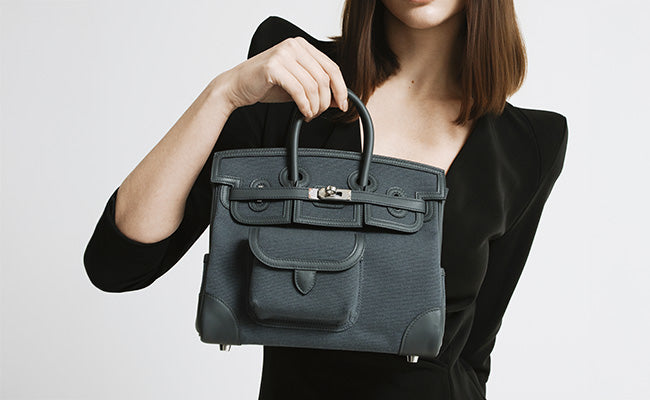


Choosing between a daily-wear and occasion Hermès bag isn’t just about picking favorites. It’s about figuring out how each fits into your routine, and honestly, what you’re comfortable risking on a bag that costs as much as a car.
Some collectors rotate a trusty Birkin through daily life and keep a pristine Kelly for galas. Others think that’s too fussy and want one piece that can do it all.
Really, it’s about durability, structure, and how much wear you can stomach on a six-figure accessory. Daily bags need hardy leathers like Togo or Clemence, relaxed shapes that don’t fuss if you toss them around, and hardware that won’t stress you out when you’re in a rush.
Occasion bags can pull off delicate Box calf, crisp lines, and lighter colors, because you’re not dragging them through subway turnstiles. Your choice depends on what your days look like, how much you care about resale, and whether you want a rotation or just one signature bag.
Let’s get into the models, leathers, and real-life factors that set a daily carry apart from a showpiece. Which bags hold value even if you use them hard? Where’s the balance between function and formality? And should your first Hermès do double duty, or is it better to keep it pristine?
Key Takeaways
-
Daily-wear bags need durable leathers like Togo or Clemence and practical shapes that hide wear.
-
Occasion bags focus on structure and refinement, often in delicate materials that can’t handle daily life.
-
Your choice depends on your lifestyle, resale goals, and whether you want versatility or preservation.
What Sets Hermès Bags Apart: Investment and Icon Status
Hermès bags command wild prices and keep their value for three big reasons: their deep artisanal roots, their track record as investments, and their real scarcity compared to other luxury brands.
Heritage and Craftsmanship of Hermès
Hermès has stuck to the same philosophy since 1837. Every bag is made with a deeply artisanal approach, start to finish, and that can take many hours for a Birkin. No assembly lines here. Other brands outsource and streamline, but Hermès keeps it in-house. Artisans train for years before they’re trusted with a real bag.
Their equestrian heritage seeps into the details. The saddle stitching, first used for horse tack, is so tough it can be repaired decades later. Hardware gets made in-house, and leathers come from tanneries Hermès has worked with for years.
This old-school approach naturally limits production. You can’t just stroll into a boutique and buy a Birkin or Kelly. Hermès doesn’t make enough to satisfy demand, and honestly, that’s part of the mystique.
Why Hermès Bags Hold Their Value
Some Hermès bags have outperformed many traditional assets in well-known resale studies. The priciest models, think exotic Birkins or a Faubourg, can go for multiples of retail at auction.
What keeps values high:
-
Strict scarcity. They just don’t make many.
-
Limited access at retail. Not everyone can buy one.
-
Durability. They last for decades.
-
Timeless design. No chasing trends.
A Birkin 25 in Togo bought at retail can resell for well above retail in the right market. For many, these aren’t just bags, they’re assets.
Hermès never discounts or runs sales, so prices stay firm. When you buy one, you’re getting something that often holds value unusually well, not something that tanks in value the second you walk out the door.
Comparing Hermès to Other Luxury Handbags
Plenty of luxury bags are beautiful, but few match Hermès for resale or scarcity. Many handbags lose value after purchase. Hermès? Often the opposite.
Just look at supply. Many luxury houses produce their best-known bags at much higher volumes each year. Hermès keeps supply tight across its core models. That scarcity changes everything.
Other brands lean hard on logos and seasonal collections. Hermès keeps the same core models, just in new colors and leathers. That consistency makes collectors feel safe buying now, knowing a Birkin or Kelly will still be relevant in 20 years.
Authentication is tougher with Hermès, too. Each bag is handmade, and the blind stamps change over time, so details matter more than with many mass-produced luxury bags.
Defining Daily-Wear Versus Occasion Hermès Bags
The line between daily-wear and occasion bags really comes down to durability, formality, and how the bag fits your actual life. Daily styles are built for resilience and easy access. Occasion pieces are about refined shapes and polished looks.
Functional Differences in Use Case
Daily Hermès bags need to survive weather, constant opening and closing, and whatever you’re hauling around. Models like the Evelyne and Picotin have relaxed shapes that flex with your stuff and don’t lose their form. They usually have crossbody straps or soft handles that make them comfy for errands, commutes, or weekends.
Occasion bags are for those standout moments, formal events, gallery openings, or sharp professional settings. A small Kelly, 20 or 25, is a classic here: rigid, top-handled, and not designed for grocery runs or airport sprints. These bags are meant to look good with tailored outfits and mostly stay in your hand or on a table.
Quick rundown:
-
Daily bags: Multiple pockets, big openings, scratch-resistant leathers like Togo or Clemence.
-
Occasion bags: Minimal hardware, compact interiors, delicate finishes like Box calf that show wear fast if you overuse them.
Aesthetic and Styling Considerations
Daily Hermès bags stick to neutrals, étoupe, gold, black, that work with almost anything. They’re structured but not fussy. Hardware is simple, often palladium on darker leathers, for a low-key but polished vibe.
Occasion bags let you play with color and fancier hardware. A Kelly in Rose Pourpre with gold hardware? That’s a statement for a night out, but not so much for running errands. The Constance, with its H clasp, can go either way depending on size and leather. A Mini Constance in patent leather looks formal, but a Constance 24 in Clemence feels right for a dressed-up lunch.
For formal settings, you’ll see:
-
Shiny leathers, Box calf, Chamonix
-
Precious metal hardware, gold, rose gold
-
Tight proportions that match tailored clothes
Lifestyle Fit: Work, Errands, Events
Honestly, it’s about matching bags to your real routine, not some fantasy life. If you commute by subway every day, a Birkin 30 in Togo is way more practical than a Kelly 25 in Box calf. The Birkin’s bigger base and easy access fit laptops, water bottles, and those random purchases. Box calf scratches if you so much as look at it wrong.
If you’re heading to fundraisers or client dinners a few times a year, an occasion Hermès bag makes sense, even if it spends most of its time in storage. A Kelly Sellier in black Box calf stays perfect if you only use it a handful of times a year. Use it every day, and it’ll show its age fast.
Lifestyle match-up:
| Lifestyle Pattern | Recommended Category | Example Models |
|---|---|---|
| Daily office commute + errands | Daily-wear | Birkin 30/35, Evelyne III, Lindy 30 |
| Weekly social events + occasional work | Hybrid | Constance 24, Kelly 28 Retourné |
| Monthly formal functions | Occasion | Kelly 20/25 Sellier, Mini Constance |
The “one bag for every occasion” idea doesn’t really hold up. Hermès bags shine when you pick the right one for the job.
Daily-Wear Hermès Bags: Best Models for Regular Use
The best daily Hermès bags balance durability with easy style. The Birkin in the right size is structured but not stiff. The Evelyne is all about sporty practicality. Picotin and Herbag Zip? They’re relaxed, low-maintenance, and don’t demand constant attention.
Birkin: Why B25, B30, and B35 Make the Cut
The Birkin’s reputation as a daily workhorse is well-earned, if you pick the right size. The Birkin 25 is perfect for light days when you just need a wallet, phone, and a few extras. It’s small but still has that unmistakable Birkin look.
The Birkin 30 is the sweet spot for most people. It fits a tablet, work docs, and daily must-haves without looking bulky. The shape works for most body types, and it keeps its structure even if you don’t fill it up.
If you need to haul more, the Birkin 35 is your friend. Parents, frequent travelers, or anyone juggling a lot appreciate the extra space. It’s best in Togo or Clemence, which are tough and keep their shape even when you’re rough on them.
All sizes have double top handles for comfort, and the turnlock keeps things secure without slowing you down.
Evelyne: Sporty, Practical, and Effortless
The Evelyne is probably Hermès’s most carefree bag. It’s crossbody, so your hands stay free, great for busy days or travel.
Sizes PM and GM are the go-tos for daily use. The canvas strap is adjustable, comfy, and holds up for years. Unlike structured bags that need to be set down carefully, the Evelyne can take a beating.
Inside, it’s just one big open space. No fancy pockets, just easy access. That simplicity makes it faster to use than bags with a bunch of zippers and compartments. It’s casual and goes with jeans, sneakers, or whatever you’re wearing on the weekend.
Picotin and Herbag Zip: Laid-Back Luxury Options
The Picotin is Hermès’s take on the bucket bag. Open top means you can grab your stuff fast, but you might want to add a scarf or pouch for privacy. Picotin 18 and 22 are the most popular for everyday. The handles soften over time, which just makes it nicer to carry.
The Herbag Zip is a different vibe, canvas with leather trim, so it’s lighter on your shoulder. The zip top is more secure than the Picotin’s open design. It’s a good pick for commuting, errands, or casual offices where you want to look polished but not overdone.
Both are pretty low-maintenance. They handle rain, travel, and daily life better than the fancier Hermès leathers.
Occasion Hermès Bags: Top Choices for Special Events
Special events call for bags that are refined but practical enough to actually use. The Kelly in smaller sizes, the Constance with its bold clasp, and collector favorites like the Bolide all bring something unique to the table.
Mini Kelly and Kelly 25: Structured Elegance
The Mini Kelly and Kelly 25 are the gold standard for formal events. They pack the same precise lines as the bigger versions, just scaled down for evening.
The Mini Kelly, usually 20 cm, is just right for essentials, lipstick, compact, phone. The top handle and detachable strap give you options for how to carry it, whether you’re in a gown or cocktail dress.
Kelly 25 gives a little more space but keeps that sharp silhouette. Both work best in Box calf or Epsom leather, which hold their shape and look sharp under evening lights. Black and étoupe are classics, but colors like Rose Pourpre or Bleu Nuit add personality without going overboard.
They pair easily with tailored looks. That top handle just feels right for dressier nights. Shoulder bags can’t really compete.
Constance and Clutch: Understated or Statement
The Constance is modern and instantly recognizable with its H clasp. In 18 cm or 24 cm, it goes from art openings to dinner without missing a beat.
The strap adjusts for crossbody, but most people keep it on the shoulder for formal stuff. Constance bags in Togo or Clemence are a bit softer, while Epsom stays crisp. The H clasp is both closure and centerpiece, iconic, but not screaming for attention.
Hermès clutches like the Jige and various minaudières are pure evening elegance. They hold just the essentials and tuck under your arm. Exotic skins show up a lot in these, which makes them catnip for collectors chasing something special for galas or weddings.
Bolide, Jige, and Special Editions: For the Collector
The Bolide actually predates the Kelly in Hermès history. With its rounded shape and dual top handles, it looks softer than the Kelly’s sharper, trapezoid lines. If you need more space, the Bolide 27 and 31 are practical, while the Mini Bolide fits right in for evenings out.
The Jige clutch has this envelope shape and no hardware, just pure leather, clean lines. It comes in several sizes, the Jige Elan is 29 cm, so you can fit a tablet or an event program without bulking up your look. Box calf Jige clutches, in particular, pick up a unique patina that a lot of collectors really love.
Hermès releases special editions and limited runs pretty regularly. Exotic skins, unusual color mixes, and seasonal pieces draw in those who want to build a collection, not just grab a bag for a one-off event.
Materials and Leather Science: Suitability for Daily or Occasion Use
Your leather choice makes a huge difference in how your bag ages, wears, and fits your life. Togo and Clemence are forgiving for daily use. Epsom keeps its structure, good for formal events. Exotic skins are in a league of their own, usually more for collecting than everyday errands.
Togo, Clemence, and Epsom: Pros and Cons
Togo leather is the all-rounder. Its fine grain naturally hides scratches, and the pebbled surface masks little scuffs from daily life. It softens a bit as you use it but doesn’t lose its shape, so it works for bags you’ll reach for all week.
Clemence leather is similar in durability, but the grains are bigger and flatter. The look is more relaxed, and over time it tends to slouch a bit. Clemence is great for larger bags like the Evelyne or Garden Party, but if you want a crisp, formal structure, it might not be your top pick.
Epsom leather is a whole different vibe, pressed grain, stiff feel. The embossed texture is relatively easy to maintain and wipes clean, which is why plenty of people do use it daily, but its rigid structure and crisp finish can read more formal than Togo or Clemence. Epsom keeps sharp corners and clean lines for years, which is a big plus for collectors who want that pristine look.
If you’re carrying a bag every day, Togo is usually the safest bet, then Clemence. For events or photos, Epsom really shines with its sharp, gallery-ready finish.
Exotic Skins and Rare Materials
Exotic skins, think alligator, crocodile, ostrich, are a different story. They need professional cleaning, careful storage, and cost so much that most people wouldn’t risk them for daily use.
Crocodile has symmetrical scales that look amazing in photos but can mark more easily than everyday leathers. These turn up at galas, auctions, or just on display, not at the grocery store.
Alligator is a bit more textured, but it’s still high-maintenance. Ostrich stands out with its quill marks, and it’s tougher than it looks, but honestly, it’s too rare and valuable for most people’s everyday use.
Exotics pretty much scream “special occasion.” Their value depends on condition, and daily wear can tank that fast.
Hardware Choices: Palladium Versus Gold
Hardware isn’t just about looks, it affects durability and vibe. Palladium feels more casual and practical, so it’s what I’d pick for a daily bag. It’s easy to match and tends to look understated.
Gold-plated hardware has that classic luxury feel. The downside? It can show wear at the spots that get touched or bumped the most. Some collectors like the patina, but too much can hurt resale value.
For events, gold hardware really pops in photos and feels dressier. For daily use, palladium is just more practical.
Size, Structure, and Carry Style: Making the Selection Work for You
How you carry your Hermès bag changes everything, comfort, style, even how people perceive you. Structure and size make a bag feel formal or relaxed, and your carry style impacts how it fits into your day.
Crossbody and Shoulder Bags for Everyday Ease
Crossbody bags are for people on the go who want hands free. An Evelyne or Roulis is perfect for errands, travel, or casual days. The strap spreads the weight, and you don’t have to baby the leather. These usually come in softer leathers like Clemence or Togo, which age well and don’t need constant fussing.
Shoulder bags like the Constance or a smaller Picotin are just as easy but look a bit more polished. They tuck under your arm and go from day to night without missing a beat. The big plus? You can get into them quickly without taking them off.
If you’re torn between crossbody and shoulder styles, think about what you carry. If you need a laptop or a ton of stuff, crossbody might feel cramped. Medium shoulder bags hold more and still feel relaxed.
Top Handle, Tote, and Satchel for Professional Polish
Top handle bags mean business. The Kelly, 32 cm or 35 cm, and Bolide have that structured shape that works with suits or office wear. They keep their form, protect your stuff, and send a message in professional settings.
Totes like the Garden Party or Herbag are a lifesaver for meetings. You can fit documents, a tablet, and all your essentials, and the open top, or flap, depending on the model, makes it easy to grab what you need.
Satchels split the difference between formal and practical. They usually have compartments and adjustable straps, so you can wear them on your shoulder or crossbody. Perfect if you’re in and out of offices all day.
Structured bags weigh more, especially in rigid leathers like Epsom or Box calf. If you carry a lot, canvas-leather mixes or lighter leathers are easier on your shoulder.
Mini and Clutch Styles for Event-Ready Looks
Mini bags like Mini Kelly II or Kelly Pochette are for nights out, weddings, or anywhere you just need the essentials: phone, cards, lipstick, keys. The size draws attention to the craftsmanship, stitching, hardware, leather.
Clutches skip straps entirely, so you carry them in hand or tuck them under your arm. The Kelly Cut and various pochettes look ultra-refined and naturally make you stand a little taller. They fit in at galas, weddings, or fancy dinners where you don’t need to lug stuff around.
You have to pack light with minis and clutches. Don’t overstuff a Mini Kelly, it ruins the lines. And if your clutch is too empty, it can look awkward. Test your event bag with your essentials before committing. Make sure it fits what you actually need, not just what looks good in photos.
Preserving Condition and Resale Value: Daily Use Versus Occasional Carry
How you use your Hermès bag absolutely affects its condition and resale value. Daily wear brings certain types of damage, while occasional use means you need to store and care for bags differently.
Wear Patterns: Handles, Corners, and Structure
Bags you carry every day develop predictable wear. Handles darken from your hands’ natural oils, corners scuff from bumping into stuff, and hardware picks up tiny scratches.
A Birkin 35 used most days will usually show handle patina sooner than an occasionally carried Kelly. Corners are the first to go on daily bags. They hit car seats, desks, floors, you name it.
Structure softens over time with daily use. Some people like the relaxed look, but others see it as a flaw. Box calf and Epsom keep their shape better than Togo or Clemence if you’re carrying them a lot.
We pay attention to these things because they matter when you want to sell or consign. A daily-use bag in “very good” shape usually means some handle darkening and light corner wear, but it still holds its shape. Occasional-use bags can stay “excellent” or “pristine” for years if you store them right.
Proper Storage and Rotation Tactics
Storage is especially important for bags you don’t use every day. Let your Hermès bag breathe in its dust bag, stuff it with acid-free tissue to keep its shape, and store it upright in a cool, dry closet, never in sunlight.
Rotating your bags helps, too. Try not to use any bag for more than three days in a row. Give it a break so the leather can bounce back and any moisture from your hands can evaporate.
Some storage basics:
-
Don’t use plastic or sealed containers
-
Stuff bags with white tissue, not newspaper or colored paper
-
Keep bags away from heat and high humidity
-
Rotate bags each season, even if you haven’t used them, to check for issues
Big temperature swings are rough on leather. If you live somewhere with wild seasons, check your occasional-use bags every month or so for dryness or moisture.
When to Use a Bag Spa or Restoration Service
Sometimes, you can’t fix wear and tear yourself. If the handles are way too dark, corners are badly scuffed, hardware is tarnished, or the bag’s losing its shape, it’s time for a professional spa.
Hermès offers spa services that can actually increase resale value, since they use original materials and techniques. The catch? Turnaround can be long, and full refurbishments cost way more than a basic clean.
For daily-use bags, occasional professional servicing makes sense. For bags you rarely use, much less often is usually enough. Don’t wait too long, though. Some damage can’t be reversed if you leave it. But don’t overdo it, either, too much restoration can strip away the original character that some collectors love.
Third-party restorers can handle minor fixes like edge paint or polishing, but if you ever sell, always disclose any non-Hermès work. Some buyers only want bags serviced by Hermès, and outside work can knock down resale value.
Frequently Asked Questions
Choosing between a daily-wear and special-occasion Hermès bag mostly comes down to leather, structure, and how often you’ll realistically use it.
What should be considered when selecting a luxurious Hermès bag for everyday use versus special occasions?
For daily use, go with durable leathers like Togo, Clemence, or Epsom, practical sizes, and colors you won’t stress over. For special occasions, sharper shapes, smaller sizes, and more delicate leathers like Box calf make more sense.
Can the versatility of a Hermès bag influence its selection for daily wear over exclusive events?
Absolutely. Neutral shades like Étoupe, Gold, or Noir, plus mid-size bags like a Birkin 30 or Kelly 28, can move between work, lunch, and evening plans much more easily than a tiny or highly formal style.
What are some key factors to keep in mind for maintaining the value of Hermès bags whether they're used daily or only for special events?
Condition, storage, and honest service history matter most. Keep bags stuffed, stored properly, rotated, and serviced only when needed. Visible wear, poor storage, or undisclosed third-party work can all hurt resale.
How does one decide on the perfect Hermès bag that balances practicality with high fashion for various settings?
Start with your real routine. If you carry a lot, commute often, or need hands free, practicality should win. If your calendar leans dressy, a more structured Kelly or compact Constance may suit you better.
In terms of Hermès leather types and care, how does this affect the choice between a bag for daily use and one for occasions?
Togo, Clemence, and Epsom are easier to live with day to day because they handle regular wear better. Box calf, Swift, and exotic skins usually make more sense for occasional use, where you can control the setting.
When curating a luxury collection, how important is it to consider the function and frequency of use for a new Hermès acquisition?
It matters a lot. A collection feels smarter when most of it fits your real life, with a few standout pieces for special moments. Frequency of use should shape what you buy, not just what looks best in photos.