
How Chanel Limited Editions Perform in the Consignment Market
Check out our Chanel collection!
Chanel limited editions have carved out a fascinating niche in the luxury consignment market, often defying typical resale patterns.
While most handbags lose value as soon as they leave the boutique, certain Chanel limited editions can resell for 150-200% of their original price on the secondary market.
This trend seems especially strong with pieces from Karl Lagerfeld’s final collections and those elusive runway-only designs that never hit the shelves for long.
Chanel limited edition bags often beat classic styles in resale value. Their scarcity triggers wild collector demand that regular pieces just can’t match.
The brand’s habit of launching themed collections for runway shows, think the Fall 2014 supermarché pieces, produces bags that sell out in minutes on consignment sites.
These aren’t just handbags anymore; they’re wearable art, and honestly, they appeal to both devoted fashion fans and folks looking for a solid investment.
But not every limited edition is a sure bet. So, what separates a smart investment from a trendy piece that fizzles out?
Let’s dig into the factors that drive resale performance, materials, timing, and a bit of luck, so you can move through the Chanel consignment world with a little more confidence.
Key Takeaways
- Chanel limited editions can fetch 150-200% of retail value on consignment thanks to scarcity and collector hype
- Karl Lagerfeld’s final collections and runway-only pieces have become major investment darlings in the resale world
- Condition, provenance, and timing really decide whether a limited edition Chanel bag will soar or slump
What Makes Chanel Limited Editions Special?
Limited edition Chanel pieces pull in premium prices in consignment because they blend intentional scarcity with bold artistic choices. These bags stand apart from classics thanks to exclusive materials, offbeat design details, and production runs that last for just a single season or collection.
Scarcity and Exclusivity
Chanel releases limited editions in deliberately tiny numbers, often tied to a specific runway show or season. Once they sell out at boutiques, that’s it, they’re gone. This controlled scarcity sparks instant demand online.
Some editions only go to VIP clients or show up at invitation-only previews in Paris or other fashion capitals. Chanel keeps production numbers secret, which just adds to the allure. Collectors often scramble for these pieces as soon as they drop, knowing there won’t be a second chance.
It’s not just about the numbers, though. Many limited editions use materials you’ll never find in the regular collections, think hand-painted finishes, exotic skins, or custom hardware. These details make authentication easier and give collectors something truly one-of-a-kind.
Iconic Designs and Collaborations
Karl Lagerfeld really shook up Chanel’s limited edition game. He created bags that blurred the line between fashion and art. Remember the 2013 Hula Hoop Bag with those enormous handles? Or the Lego Clutch, which took the classic quilted pattern and rebuilt it out of plexiglass? Wild, but totally iconic.
These show-stopping pieces grab headlines and land in celebrity hands, which only pushes up their consignment value. The 2025 Baroque Jewel Bag is a good example of Chanel’s ongoing commitment to making collectible art pieces. Runway-only designs tend to appreciate faster than anything else on the resale market.
Coco Chanel herself set the tone for this kind of creative risk-taking by treating fashion as art. Today’s limited editions build on that legacy, mixing modern materials and surprising shapes.
Key Differences between Limited Editions and Classics
| Feature | Limited Editions | Classic Collection |
|---|---|---|
| Production | Single season or collection | Ongoing, seasonal releases |
| Materials | Exotic leathers, unique embellishments | Traditional caviar and lambskin |
| Colours | Bold, unconventional palettes | Black, beige, navy, red |
| Price appreciation | Rapid, unpredictable spikes | Steady, predictable growth |
| Availability | Sold out permanently | Regularly restocked |
Classic Chanel bags like the Flap Bag keep a steady value thanks to their timeless look and reliable supply. Limited editions play a different game. They pull in collectors who want something that stands out, not blends in.
Take the Green and Dark Green Quilted Patent Leather Jumbo Classic Double Flap Bag. It’s got the familiar shape, but that glossy two-tone finish was never repeated. That mix of classic structure and unique detail makes it a hot ticket on the consignment scene.
Consignment Market for Chanel Limited Editions
Limited edition Chanel bags command top dollar in luxury consignment, with buyers actively hunting for rare designs on specialist sites. Consignment offers authentication and seller protections you just don’t get with peer-to-peer sales.
Buyer Demand and Waiting Lists
Limited edition Chanel bags often vanish from reputable consignment platforms within days. Pieces like the Plexiglass Lego Clutch or Hula Hoop Bag draw serious collectors who are always watching for new listings.
Some luxury consignment shops keep waiting lists for specific rare models. When one lands, registered buyers get a heads-up before it goes public.
Resale prices for these exclusive pieces usually outpace original retail. A limited edition that cost $8,000 at Chanel could easily go for $12,000-$15,000 through consignment after a few years.
Seasonal demand matters, too. Activity spikes during gift-giving seasons and when new Chanel collections launch, reminding buyers of older styles they missed.
Authentication and Guarantee
Every legit luxury consignment platform has in-house experts who check serial numbers, hardware, stitching, and materials. This keeps fakes out of the market and protects everyone involved.
Each sale comes with an authentication certificate, basically proof the bag’s the real deal. That’s something private sales just can’t promise.
Most consignment shops also offer return windows and buyer protection. If authentication’s ever disputed, buyers can go through the platform instead of chasing down an individual seller.
For limited editions, authenticators cross-check design details with Chanel’s archived records. That extra layer of scrutiny ensures rare pieces really match up with what was produced.
Why Sellers Choose Consignment
Consignment shops handle pricing, photos, listings, and all the buyer back-and-forth. Sellers don’t have to haggle or mess with payment details.
The commission (usually 20-40%) is worth it for the pro presentation and access to serious buyers. Consignment pros know what the market will pay and can price limited editions to maximize returns.
Security’s a big draw, too. You don’t have to meet strangers or ship expensive bags to random buyers.
Some platforms offer upfront payouts, so sellers get cash right away instead of waiting for a sale. That’s handy if you’ve got an in-demand piece and want quick liquidity.
Top Performing Chanel Limited Editions on Consignment
Limited edition Chanel bags consistently beat standard releases in the consignment market, with some styles hitting 90% or more of their original retail value. Seasonal collections, collabs, and vintage rarities lead the charge in both demand and price.
Standout Styles and Seasonal Releases
Seasonal limited editions with wild color combos or exclusive hardware often fetch a premium. The Chanel 19, for example, has done especially well in limited metallic or pastel shades that weren’t part of the main line.
Cruise and Métiers d’Art collections are always hot with collectors. These bags usually have unique touches like hand embroidery, statement chains, or rare leather treatments that set them apart.
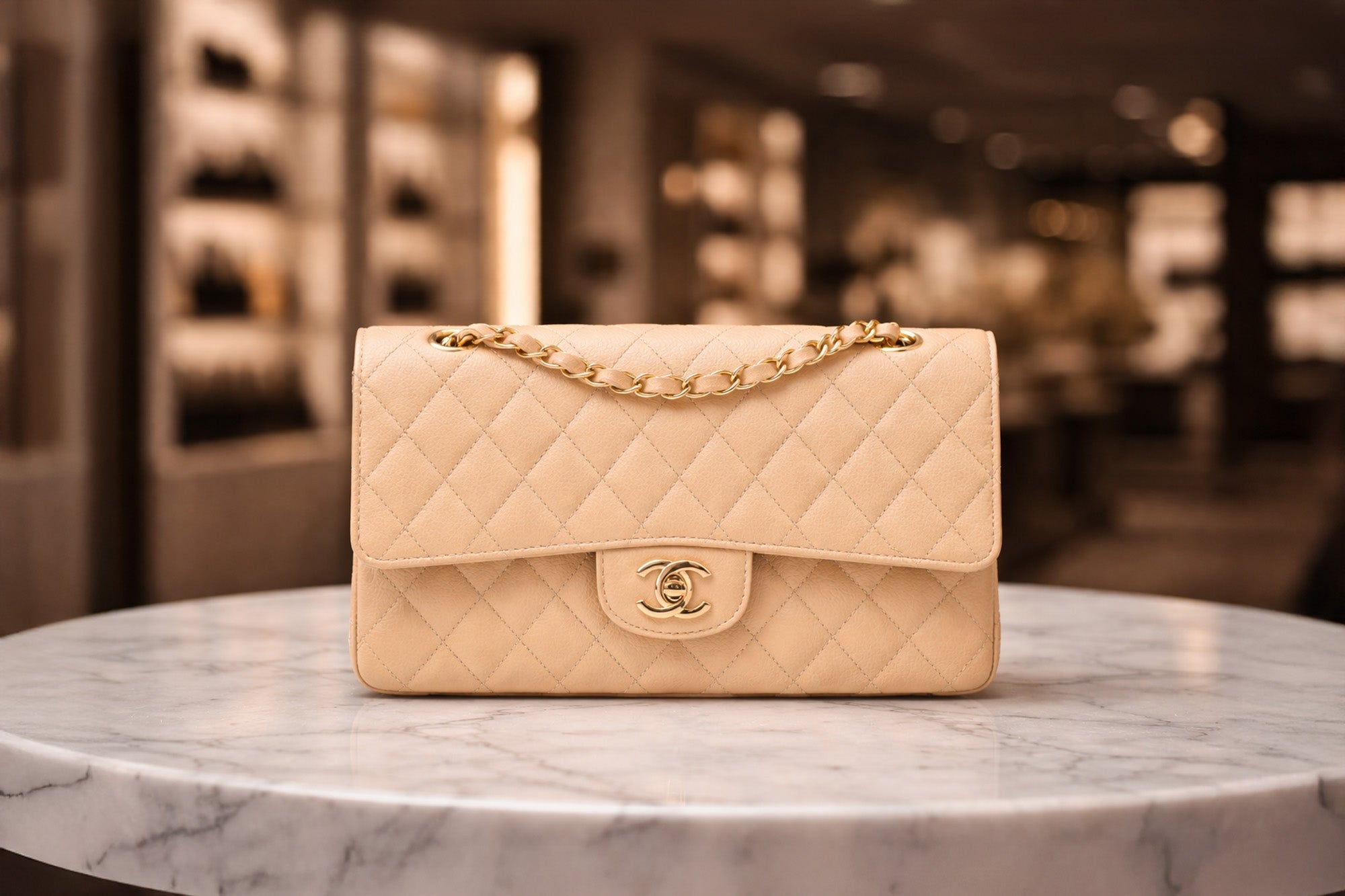
The Classic Flap is still king, but when it drops in a limited color, it can actually climb above retail within a year. Jewel tones, rare metallics, and special hardware (like aged gold or ruthenium) all help boost value.
GST bags in exotic skins or with quirky embellishments also hang onto their value. Limited runs in ostrich or with funky linings are especially sought after.
Collaborative and Themed Pieces
Collab bags are some of the most valuable limited editions out there. When Chanel teams up with artists or launches a themed collection, those bags can become instant collectibles.
Artist collab bags from runway shows get tons of attention from collectors. They usually feature unique artwork, special packaging, or design tweaks you won’t see again.
Themed collections inspired by places or cultural moments also do well. The story behind a bag adds emotional value, and buyers seem to pay up for that.
Vintage Treasures and Collectors’ Favourites
Vintage Chanel bags from the ‘80s and ‘90s have turned into real investments. Some limited runs from those decades now sell for several times their original price.
The 2.55 Reissue in rare materials or colors is always in demand. Collectors hunt for versions with unusual chains, rare lambskin, or special anniversary details.
Older limited editions often outperform newer standard releases just because they’re harder to find in great shape. As the pool shrinks, prices naturally rise among collectors willing to pay for authenticated, well-kept pieces.
Factors Affecting Resale Value of Chanel Limited Editions
The resale value of limited edition Chanel bags hinges on a bunch of factors, from condition to timing. Knowing what matters most can help you spot which pieces will appreciate, and which might stall out.
Condition and Maintenance
Condition is everything for limited edition Chanel bags. Buyers expect near-perfect pieces, and even small flaws can knock 20-40% off the price.
Scratches on hardware, color transfer, loose stitching, they all hurt resale. Corner wear and handle darkening are resale killers. Bags stored in dust bags, away from sunlight, hold up way better over time.
Professional cleaning helps, but nothing beats original condition. Consignment shops grade bags carefully, and “excellent” or “pristine” bags sell faster and for more. Regular maintenance, like leather conditioning and hardware polishing, keeps both looks and value up.
Material, Hardware, and Rarity
Material makes a huge difference. Exotic leathers like alligator or python usually appreciate more than standard lambskin, even among limited editions.
Hardware matters, too. Gold-plated embellishments and custom metalwork add instant value. The 2025 Baroque Jewel Bag, with its jeweled medallion and hand-enameled clasp, is a prime example.
Production numbers are key. Editions under 200 pieces worldwide often jump 80-200% over time. Bags that take over 100 hours to make usually hold value best, buyers get the craftsmanship angle. Special collabs and reimagined vintage styles also attract collectors looking for investment-grade pieces.
Original Packaging and Documentation
Complete original packaging can bump up resale by 15-25%. The box, dust bag, authenticity cards, care booklet, and receipt all matter.
Authenticity cards with matching serials are huge, they give buyers instant confidence. Bags with full documentation move faster because they erase doubts.
Original receipts help prove provenance and purchase date, which is important for ultra-rare releases. Even extras like ribbon or shopping bags add to the experience collectors want. Missing some packaging won’t kill a sale, but it does limit the price and buyer interest.
Market Trends and Buyer Preferences
Trends and buyer tastes shift all the time. Right now, baroque and vintage-inspired designs are hot, so ornate, historically-influenced bags are seeing a bump in demand.
Timing matters. Brand-new limited editions sometimes sell above retail right after launch, then settle down before climbing again once they’re no longer available.
Seasonal demand plays a role, too. Holidays and major fashion events bring more buyers and higher prices. Younger collectors are leaning toward bold, statement pieces over understated classics. Watching resale sites and auctions helps spot which styles are trending, and which are fading.
Where to Buy and Sell Chanel Limited Editions on Consignment
The Chanel limited edition resale scene thrives on specialized platforms that authenticate, connect global buyers and sellers, and handle all the tricky logistics. Online marketplaces rule, but auction houses and boutiques still matter for the rarest finds.
Online Platforms: Vestiaire Collective, The RealReal, Rebag
Three major platforms stand out for Chanel limited edition consignment. The RealReal offers commissions up to 85% and specializes in authenticating high-value pieces. Their in-house team takes care of photos, pricing, and most bags sell within a month.
Vestiaire Collective works as a global peer-to-peer marketplace, connecting sellers with international buyers. It’s especially good for limited editions since collectors worldwide are hunting for rare finds. Sellers get protection and authentication, but have more say in pricing.
Rebag is all about speed, instant offers and fast payouts. While consignment usually brings higher returns, Rebag is perfect if you want cash now. Their pricing algorithm is pretty on point for rare pieces.
All three platforms list items across multiple marketplaces for max exposure. Authentication is required, so buyers and sellers get peace of mind against counterfeits.
Boutiques and Auction Houses
Physical consignment boutiques bring a personal touch to selling high-value limited editions. They’ve got established clients who are always on the hunt for rare Chanel bags. Madison Avenue Couture and other luxury consignment shops lean on years of experience to evaluate and price these pieces.
Auction houses like Christie’s and Sotheby’s sometimes include exceptional Chanel limited editions in their luxury handbag auctions. If you’ve got something truly rare, auctions can be a smart move, competitive bidding sometimes pushes prices well beyond what you’d see elsewhere.
Local luxury consignment stores let you handle transactions in person and get authentication right away. That’s a big plus if you’re not comfortable shipping a valuable bag off somewhere.
Tips for Navigating Trusted Platforms
Before listing anywhere, check completed sales for similar limited editions. Chanel’s details are tricky, so scrutinize authentication policies. Platforms with money-back guarantees on authenticity are worth prioritizing.
Commission structures vary, sometimes higher fees are justified if the platform gives you better exposure or moves bags quickly. It’s smart to scan seller reviews on Trustpilot or similar sites to get a real sense of how things go.
Don’t forget about insurance during shipping and storage. Limited editions really deserve solid coverage the whole way through. Always ask for a clear consignment agreement covering payment timelines, commissions, and your responsibilities before handing over your bag.
Tips for Collectors and Sellers in the Chanel Consignment Market
Making it in the Chanel consignment scene is all about timing, knowing the market, and working around the brand’s restrictions. These things shape both what you’ll pay and what you might get back when selling.
Timing Your Sale or Purchase
The luxury consignment world has its own rhythm, spring and fall usually see the most action as buyers refresh collections. Chanel’s retail price hikes often spark a rush in the pre-owned market, since the gap between new and resale tightens.
Limited editions seem to do best if you sell them within 6 to 18 months after they hit the runway. Wait too long, and prices may dip, unless the bag turns into a cult classic. The holiday stretch from November to January also brings more buyers and bidding wars.
On the flip side, summer’s often quieter, which might work in buyers’ favor. Sellers tend to be more flexible, and there’s more inventory as people clear out before vacations.
Investment Potential and Strategies
Most Chanel bags keep 80-90% of their retail price, and some limited editions even climb higher. The Classic Flap, Boy Bag, and special runway pieces from themed collections are usually the top performers.
If you’re looking to invest, go for bags with standout materials, collaborations, or ties to runway shows. The Lait de Coco from Fall 2014 is a great example of a themed piece that’s become highly sought after. Condition plays a huge role, bags with their original packaging, dust bags, and authenticity cards tend to move faster and fetch more.
Keep your receipts and care for your bags. Store them somewhere cool and dry, use dust covers, and fix any wear right away. Occasional professional cleaning keeps them looking sharp and helps maintain value.
Understanding Chanel's Ownership Policies
Chanel doesn’t sell new inventory online, which keeps the consignment market strong. Authenticated sites like The RealReal are among the few places to find genuine Chanel bags online, so demand stays steady.
Their quota system now limits how many bags you can buy from boutiques each year. That’s pushed more collectors to consignment, since they can’t always get what they want from retail.
Authentication is more crucial than ever. Stick with platforms offering professional verification, counterfeits are still a big concern. Trustworthy consignment services make things a lot smoother for both buyers and sellers in this tricky market.
Frequently Asked Questions
Chanel Limited Edition bags fetch top dollar in consignment, thanks to factors like rarity, condition, and collector demand. Knowing how to authenticate, store, and follow market trends gives buyers and sellers an edge.
What factors contribute to the resale value of a Chanel Limited Edition bag?
Rarity’s the big one. Bags made in small numbers or for special runway shows almost always get higher prices than regular seasonal releases.
Condition matters a lot, too. Pristine Limited Editions with all their original extras, packaging, dust bags, authenticity cards, can bring in 30-50% more than the same bag with visible wear.
Provenance counts. If you can show your bag came from an authorized Chanel boutique or a trusted luxury retailer, buyers feel more confident and will often pay a premium.
Trends and collector interest shift over time. Bags with unique features, say, lucite or LED details, sometimes spike in value when those looks come back around.
How does the rarity of a Chanel Limited Edition affect its demand on the consignment market?
True scarcity makes collectors act fast. Limited Editions that showed up just once on a runway or were only in select boutiques become hot commodities once retail sells out.
The secondary market’s really the only place to find discontinued Limited Editions. That exclusivity fuels competition, especially for pieces like the 1990s Cage Flap Bag or the 2017 LED Boy Bag.
Word spreads quickly in collector circles. When a rare bag pops up, it’s not unusual to see multiple offers within hours.
What are some tips for authenticating a Chanel Limited Edition before purchase or sale?
Start with the authenticity card. Real ones have specific fonts, spacing, and hologram placement that change by year, and the serial number should match the one inside the bag.
Check the hardware, it should feel substantial. Chanel uses certain plating techniques and weights for chains, clasps, and logos that fakes rarely get right.
Look at the stitching. Authentic Chanel bags have super consistent diamond quilting and precise stitch counts, even on Limited Editions with unusual materials.
If you’re not sure, professional authentication services are worth it for high-value bags. They’ll compare your piece to known authentic examples, checking every detail.
Can past Chanel runway shows give us a hint about which Limited Editions might become consignment gold?
Looking back at runway shows can absolutely help spot future collectibles. Karl Lagerfeld’s themed presentations, like the Fall/Winter 2017 space collection, almost always produced Limited Editions that gained value over time.
Bags with innovative materials or tech seem to become favorites among collectors. The LED Boy Bag from Spring/Summer 2017 is a perfect example of how Lagerfeld’s experiments paid off in the resale world.
Limited Editions tied to especially memorable or culturally important shows tend to attract serious collectors as the years go by.
How do Limited Edition Chanel bags compare to other luxury brands in terms of investment potential?
Chanel Limited Editions generally hold their value better than most luxury brands. Regular price hikes at retail help to keep resale prices strong, especially for rare finds.
Hermès is probably the only brand that consistently outpaces Chanel for investment returns. Still, Chanel Limited Editions often appreciate faster than Hermès seasonal drops, though they don’t quite match the returns on Hermès quota bags.
Louis Vuitton and Dior Limited Editions usually don’t see the same price jumps on the consignment market. Chanel’s tighter production and loyal following help its bags keep value longer.
Entry prices vary a lot. Hermès bags start higher, while Chanel Limited Editions can be had for around $3,000 for smaller styles, with the rarest pieces climbing to $15,000 or even $30,000.
What's the buzz about care and storage affecting the consignment price tags on Chanel Limited Editions?
How you store your Chanel Limited Editions really does matter. I’ve seen two bags, same model, same year, end up thousands of dollars apart just because one sat in a humid closet while the other lived in a climate-controlled space. Leather stays softer, hardware keeps its shine; it’s not rocket science, but it’s easy to overlook.
Some of these special materials? They’re picky. Take lucite, for example, those Cage Flap Bags or Heart Minaudières need shielding from heat and sunlight. Otherwise, you’ll end up with cloudy, weirdly colored surfaces, and that’s a pain to fix.
People will pay extra for the whole package. If you’ve still got the original Chanel box, dust bag, even the little ribbons, you’re in luck. Collectors see those as proof you cared, and honestly, unboxing is half the fun.
Now, about cleaning and repairs, don’t get carried away. Going to just any cleaner or slathering on conditioner can do more harm than good. Sometimes, a little patina is better than a botched “restoration.”
Love Hermès? See More from Rome Station
Add us to your Preferred Sources on Google to see our newest Hermès guides and insider tips first.