
How Chanel Bag Rarity Levels Affect Your Selling Strategy
Check out our Chanel collection!
When you’re trying to sell a Chanel bag, the style and rarity can make or break your experience. Some bags barely make it to market before they’re snapped up for wild prices, while others linger, even at a discount.
In our experience, knowing your bag’s rarity level isn’t just trivia, it’s the difference between a quick sale and months of frustration.
Rare Chanel pieces can fetch much higher resale prices than their original retail, especially after those infamous biannual price hikes.
The Canadian resale scene has gotten sharper, with buyers chasing down limited editions, discontinued colours, and those classics that just keep getting pricier.
So, your selling approach needs to flex depending on whether you’re holding a standard medium flap or a unicorn seasonal piece.
The ultra luxury resale world really rewards sellers who know where their bag stands in the pecking order.
Let’s dig into how to spot your bag’s rarity, pick the right selling spot, and time your sale to squeeze out every last dollar in this competitive market.
Key Takeaways
- Rarity shapes your pricing and the platforms that’ll get you the best results for your Chanel bag
- Classic styles ride Chanel’s regular price hikes, while limited editions get premiums thanks to scarcity and collector frenzy
- Authentication, timing, and a feel for the Canadian market are key if you want to cash in on rare pieces
Understanding Chanel Bag Rarity Levels
Chanel bag rarity comes down to how and when they’re made, and how quickly the brand pulls the plug on certain styles. This creates clear tiers of scarcity, which directly affect value and demand among collectors.
What Defines Rarity in Chanel Bags
Rarity’s not just about how many bags Chanel makes, it’s about when, where, and for how long you could get them. Chanel keeps things exclusive with tiny production runs, market-specific releases, and strict boutique-only access.
True rarity isn’t just hype. A bag gets genuinely rare when Chanel stops making it for good, produces it in minuscule numbers, or uses special materials (think exotic skins). Since Chanel ditched exotic skins in 2018, croc and alligator bags instantly became hot commodities.
Condition really matters too. A mint 1980s or 1990s vintage bag is a much rarer find than a beat-up one from the same era.
Key rarity signs:
- Original production numbers
- Geographic limits on where it was sold
- Scarce materials (especially exotics)
- Vintage bags in pristine shape
- All original packaging and paperwork
Limited Editions and Discontinued Styles
Limited editions are made in small batches, often tied to a season or event. The 2014 Graffiti Collection is a classic example, one-off, artsy, and impossible to find now. These bags go for premium prices because they’re never coming back.
Discontinued styles get rare as Chanel evolves. When they stop making something like the Grand Shopping Tote (GST), what’s out there is all there’ll ever be. The GST, once everywhere, now trades at prices that reflect its gone-for-good status.
Minaudières are another story, tiny runs, big impact. Bags like the Casino Monaco Slot Machine Minaudière, which once sold for $22,800 USD, are made in such small numbers you’ll almost never see one resurface.
Seasonal collections bring out wild colours and materials that disappear fast. That fuchsia lambskin Classic Flap from a certain season? It only gets rarer as time goes on and as others get tucked away or worn out.
Production Cycles and Seasonal Releases
Chanel drops new colours, leathers, and hardware twice a year. These seasonal bags have brief moments in the sun, usually just a few months, before they’re replaced by the next collection.
The Classic Flap and 2.55 Reissue are always around, but their seasonal spins create micro-rarities. A black caviar Medium Classic Flap is a staple, but a pink one with rose gold hardware from Spring 2019? That’s a finite commodity.
Boy Bags follow the same rhythm. While the core style is permanent, certain sizes, leathers, and hardware are one-season wonders. Maybe you spot a navy lambskin Boy with ruthenium hardware, blink and you’ll miss it.
Boutiques refresh their inventory about every six months. Older seasonal stock is either sold off or moved to outlets. Once a seasonal variation is gone, it’s up to the resale market to decide its new value.
Classic Chanel Styles and Their Investment Potential
Some Chanel bags just do better in the resale world. Classic designs like the Classic Flap, 2.55 Reissue, Boy Bag, and modern hits like the Coco Handle and WOC each have their own investment perks, depending on their history and demand.
Classic Flap Bag and Timeless Appeal
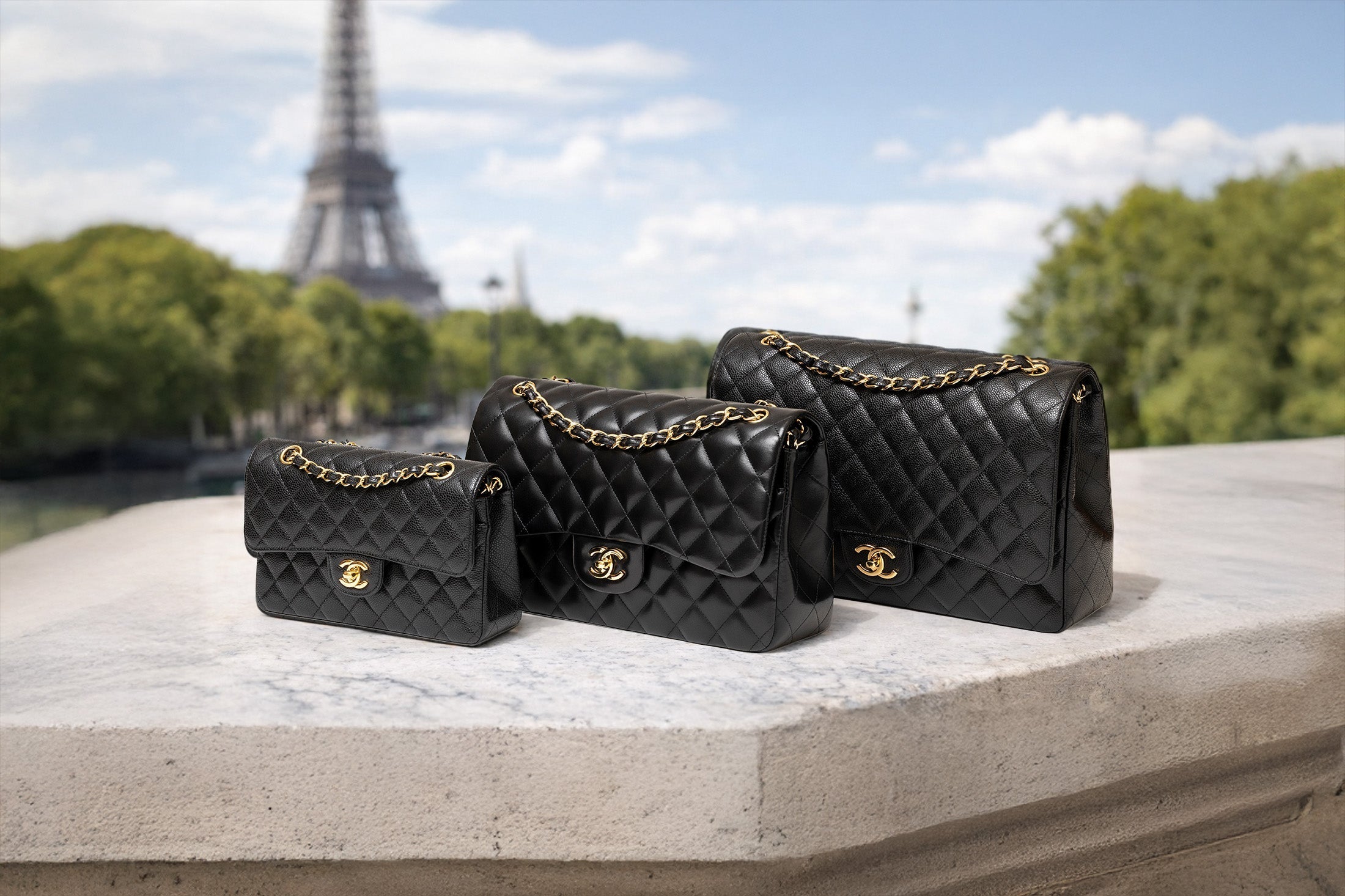
The Chanel Classic Flap is still the gold standard for investment bags. From 2019 to 2025, the Jumbo size shot up from $6,400 to $12,200 at retail. That kind of price jump spills right into the resale market, where pre-owned bags often match or beat current retail prices.
Medium and jumbo Classic Flaps move fastest. Lambskin and caviar leathers in black, beige, and navy top the charts. The quilted look, chain strap, and CC lock make these instantly recognizable, which gives buyers confidence.
Their design never really goes out of style. A 1990s Classic Flap still looks right at home in 2025, which is probably why vintage ones keep drawing interest, even decades later.
2.55 and The Reissue Phenomenon
The Chanel 2.55 flap, first designed in February 1955, is pure heritage. The Reissue models, which Chanel releases now and then to honour the original, come with the rectangular Mademoiselle lock instead of the CC. Collectors care about these details.
Reissues usually have aged leather, fabric lining that nods to Coco Chanel’s childhood, and the signature burgundy interior. Purists and vintage fans love these touches. The 2.55 sits in a sweet spot where rarity meets brand history.
Limited Reissue runs mean there’s not much supply, which helps resale prices. Buyers who want something less common than the Classic Flap often zero in on the 2.55 for its subtlety and backstory.
Boy Bag and Its Collectible Status
The Boy Bag, out since 2011, brought a tougher, more structured look to Chanel’s lineup. With its chunky chain and bold clasp, it attracted a whole new crowd. It’s newer than the Classic Flap, but it’s already a legit investment piece.
Limited editions and wild materials make certain Boy Bags highly collectible. There’s always demand for exotics, rare colours, and collaboration pieces. The Boy’s modern style appeals to younger luxury shoppers just getting into investment bags.
Standard black caviar and lambskin Boy Bags hold value, but don’t quite match the Classic Flap’s appreciation. The real investment potential lies in snagging those rare, unusual versions.
Coco Handle, WOC and Modern Favourites
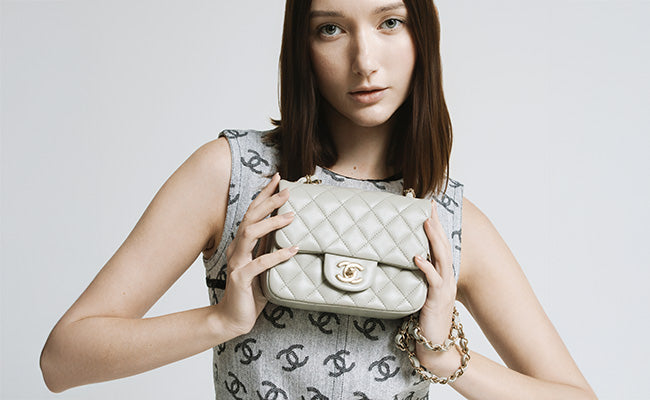
The Wallet on Chain (WOC) is the easiest entry point for Chanel investment bags. It’s small, versatile, and always in demand, though you won’t see the same wild returns as with the bigger bags. Still, the WOC benefits from Chanel’s regular price bumps, which help boost resale.
Coco Handles sit somewhere between classic and new-school. They’ve got top handles and chain straps, making them versatile. While they don’t climb in value like the Classic Flap, they do see steady resale,e specially neutral colours in standard sizes.
The Chanel 19 and Chanel 22 get price increases too, so they’re worth watching. But since they’re newer, they just don’t have the decades-long track record of the Classic Flap or 2.55. If you’re aiming for stability, stick with the classics, unless you’re chasing collectors who want the latest and greatest.
How Rarity Impacts Your Selling Strategy
Rarity changes everything about how you should market, price, and time your Chanel bag sale. The scarcer your bag, the more you need to tweak your approach,f rom where you list it to how you talk about it.
Positioning Rare Bags for Maximum Value
Rare Chanel bags need a different pricing game than common ones. Limited editions, discontinued styles, and certain vintage years can fetch serious premiums because collectors are always on the hunt.
We usually suggest pricing rare bags 20-40% higher than similar current models, depending on condition and what you can prove about its history. Hang onto everything, receipts, cards, dust bags, boxes. Exotic leathers or unique hardware? That’s cause for an even bigger markup.
List your bag on platforms where collectors actually shop. Luxury resale sites draw buyers who know what’s what and won’t flinch at a higher price if it’s justified. Good photos of serial numbers, date codes, and standout details help you stand out.
It’s smart to get your bag professionally authenticated before listing. Third-party verification gives buyers confidence and helps you hold firm on your price.
Messaging Exclusivity and Demand
When you write your listing, highlight what makes your bag special, but don’t overdo it. Get specific: mention the production year, how many were made, or if it’s discontinued. Say things like “no longer in production” or “rare colour from Spring 2018”, collectors care about those facts.
Point to recent sales of similar bags if you can. Data shows certain Chanel styles regularly sell above retail, especially the Deauville Tote and vintage flaps in hot colours.
Skip vague phrases like “rare find.” Instead, give numbers or facts. Did Chanel only make this style for one season? Was it a market exclusive? That’s what serious buyers want to hear.
Create urgency by stressing exclusivity, not by setting fake deadlines. Collectors know when something’s truly rare, it doesn’t need a hard sell.
Strategically Timing Your Sale
Timing can make or break your sale. We see more buyers before Chanel announces price hikes, people want to buy before things get even more expensive. That’s a prime window to sell.
Seasonal trends matter too. Lighter colours go faster in spring, while black and neutrals are steady sellers year-round. Keep an eye on luxury resale sites to see when similar rare bags are popping up and moving.
The October-December holiday stretch is always busy for luxury sales. Spring tax refund season is another hot spot. Try to avoid listing in the summer when things tend to slow down.
Watch for news about discontinuations or reissues. When Chanel says a style is ending, prices for existing bags often jump as collectors scramble to snag one.
Authentication and Trust in the Secondary Market
Counterfeits are a huge problem, luxury fakes top $464 billion globally, and Chanel is a prime target. Getting your bag authenticated protects you and your buyer, and it keeps rare bags valuable in the resale world.
Spotting Genuine Chanel Craftsmanship
Real Chanel bags stand out for their details, stuff fakes almost always get wrong. The quilting should have 9-11 stitches per inch, lining up perfectly across the whole bag. Even tiny misalignments are red flags.
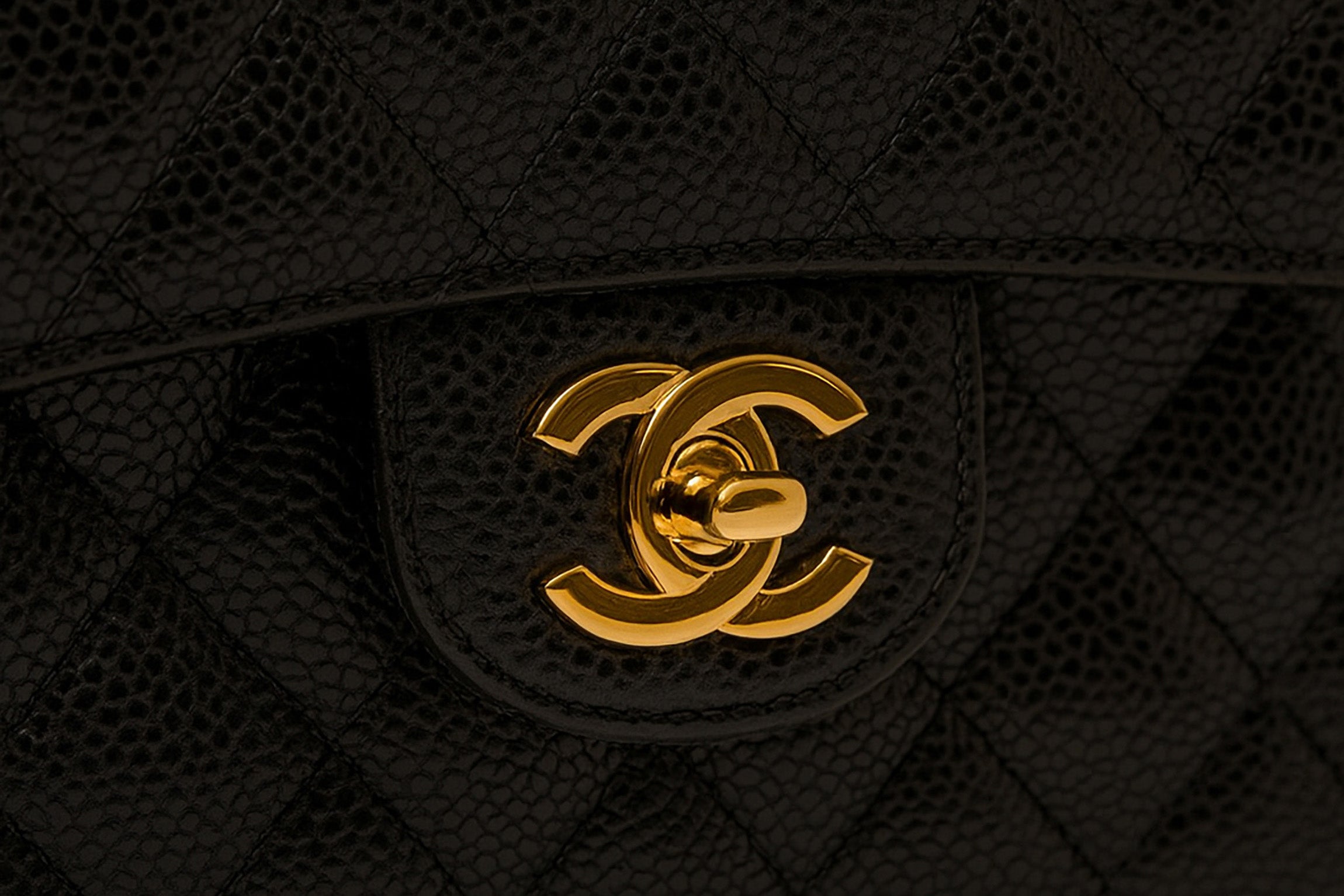
The CC lock always follows the same rule: right C on top, left C underneath. Hardware should feel heavy and solid, not hollow or rattly. Screws are flathead on pre-2015 bags, if they don’t match, something’s off.
Genuine lambskin is velvety, soft but not floppy, and develops a buttery patina over time. Real caviar leather has rounded, uneven grains, not the fake, stamped look of counterfeits.
Inside, the zip pocket curve, logo placement, and stitching all have era-specific patterns. Superfakes often miss the mark here. The heat stamp should be deep and even, with consistent font and spacing.
Role of Documentation and Provenance
Serial numbers alone aren’t enough, stickers and cards can be faked. What really matters is how the serial code matches up with the bag’s year, material, colour, and hardware.
Chanel’s serial system has changed a lot:
| Era | Format | Key Features |
|---|---|---|
| 1986-1991 | 0-3 series | No hologram, small square stickers |
| 1991-2005 | 4-9 series | Hologram introduced, two Chanel logos |
| 2005-2021 | 10-31 series | Glitter thread hologram, laser-printed digits |
| 2021+ | Microchip | No card, embedded chip only |
Provenance isn’t just paperwork. We look for wear patterns, leather aging, and even the scent, vintage bags should smell warm and leathery, not like chemicals. That’s the kind of detail that separates the real from the fake.
Best Authentication Services for Canadians
Major luxury resale platforms,T he RealReal, Rebag, Vestiaire Collective, and Fashionphile, all use in-house authenticators, but honestly, their standards can be all over the place. The RealReal does multi-point inspections, checking materials and even inspecting stitching under a microscope. Fashionphile adds detailed condition reports to their authentication process.
If you want independent verification, send your bags to specialized authentication services that use auction-house grade protocols. They’ll check the density of hardware metal, match serial numbers to model years, and analyze era-correct materials, details most casual resellers just don’t catch.
Canadian sellers get an advantage with platforms that offer authenticity guarantees and full refunds if something ever turns out fake. That’s a huge relief when you’re dealing with rare Chanel pieces, where authenticity and condition can swing the price by thousands.
Physical consignment stores in Toronto, Vancouver, and Montreal often offer face-to-face authentication. This works best for vintage bags, since experts can examine leather grain and subtle aging details that photos just can’t show.
Listing Rare Chanel Bags: Where and How to Sell
Selling a rare Chanel bag isn’t just about listing it anywhere, you have to match your piece with the right platform and understand how local market quirks affect price and buyer interest.
Choosing the Right Resale Platform
Every resale platform has its own vibe and strengths. The RealReal and Vestiaire Collective offer authentication and a global audience, so they’re solid for limited editions needing international reach.
Fashionphile and Rebag move fast with direct buyouts. If you need cash now, these work, but honestly, consignment usually nets you more if your bag is truly rare.
Auction houses like Sotheby’s are for museum-quality or vintage collectibles. Their access to serious collectors and in-depth expertise makes sense for anything over $15,000, especially discontinued or historically significant pieces.
Local luxury consignment stores give personal service and immediate payment. You might lose some exposure compared to online, but you get in-person assessment and sometimes better negotiation for unique or misunderstood bags.
| Platform Type | Best For | Typical Timeline |
|---|---|---|
| Online marketplaces | Standard rare models | 2-8 weeks |
| Direct buyouts | Quick sales | 24-48 hours |
| Auction houses | Museum pieces | 3-6 months |
| Consignment stores | Local buyers | 1-4 weeks |
Online vs In-Person Selling for Ultra-Luxury
Ultra-rare Chanel bags need a different approach than your average classic. Online platforms open the door to collectors worldwide, which is crucial when only a handful of people might want your piece.
In-person sales at luxury consignment stores let buyers check out materials and craftsmanship up close. That’s pretty important when you’re talking five-figure purchases, photos just don’t cut it for texture or hardware heft.
The market is shifting. Many high-end sellers use pro photos for online listings but still offer in-person viewings for serious buyers. This hybrid approach really shines for bags over $20,000.
Physical retail salons in big cities are another route. Some platforms have showrooms where rare pieces attract walk-in collectors who want to see and feel before buying.
Canadian Market Nuances
Canadian buyers usually lean toward classic styles rather than bold or experimental designs. Black, beige, and navy caviar leather dominate, so rare colours or materials need a different sales pitch.
Currency swings matter. When the Canadian dollar drops, US prices look even steeper to local buyers. Listing in CAD on Canadian sites keeps pricing realistic.
Canada’s smaller pool of collectors means rare Chanel bags often move faster on international platforms. Toronto and Vancouver have active resale scenes, but niche vintage pieces usually need global exposure to find the right buyer.
Shipping is trickier here. Import duties and authentication requirements add hassle to cross-border sales, so local deals can be more appealing, even if you don’t get top dollar.
Key Drivers of Chanel Bag Value in Canada
The Canadian resale market has its own quirks that shape what buyers are willing to pay for your Chanel bag. Retail prices here are typically 15-25% higher thanks to import duties and currency, so sellers need to factor that into their strategy.
Condition and Care
Let’s be real: condition is everything. Canadian buyers know what to look for. Bags with barely any corner wear, scratch-free hardware, and spotless interiors fetch much higher prices than those with obvious use.
Having the original packaging, dust bags, authenticity cards, and receipts makes a big difference. A “full set” can boost your selling price by 10-20%, it’s proof you took care of the bag and that it’s legit.
Professional cleaning and restoration exist, but they’re expensive here. Even minor stains or scratches can knock 30% off your price. We’ve seen identical bags sell for wildly different amounts just because one had interior staining that could’ve been avoided with a liner.
Store bags stuffed with acid-free tissue, out of sunlight, and in dust bags. It’s not just about keeping them pretty; it’s about getting the most back when you sell.
Material and Colour Trends
Caviar leather is the Canadian favourite. Its texture resists scratches and stands up to unpredictable weather, so buyers who actually use their bags love it. The Classic Flap in black caviar with gold hardware is always the fastest seller and holds its value best.
Classic colours, black, beige, navy, move quickly and reliably. Seasonal or limited edition colours are a gamble. They might get a premium from the right collector, but they can also linger unsold for ages.
Quilted leather is the iconic Chanel look everyone wants. Patent and exotic skins appeal to niche buyers but are slower to move in our more conservative market. Lambskin, though soft, loses value faster than caviar because it shows wear so easily.
Price Increases and Appreciation
Chanel’s regular price hikes bump up resale values for bags bought before the increase. The Medium Classic Flap, for example, shot up from $5,800 in 2019 to $10,200 in 2024. If you bought early, you’re sitting on a tidy appreciation, even if your bag isn’t flawless.
When Chanel announces a price jump, resale demand spikes, buyers rush to avoid the new retail price. Savvy sellers list right after these announcements to catch the wave.
The Deauville Tote, for instance, holds 114% of its retail value at resale. Vintage pieces from the Karl Lagerfeld era (1980s-90s) with original 24k gold-plated hardware are now investment-level, since that hardware isn’t made anymore.
Currency swings between USD and CAD impact pricing. When the loonie drops, imported bags cost more at retail, so buyers turn to resale, where prices don’t jump as fast.
Frequently Asked Questions
Rarity shapes everything when selling Chanel bags, pricing, authentication, marketing. Knowing how exclusivity affects buyers lets sellers position their bags better in the luxury resale scene.
What factors determine a Chanel bag's rarity and how does this influence resale value?
Production numbers are the starting point. Limited editions, seasonal exclusives, and discontinued styles become scarce fast. Fewer units mean collectors compete harder.
Unique features matter too. Unusual colours, exotic materials like alligator or python, and special hardware finishes show up less often. Collaboration collections or anniversary editions add another layer of exclusivity.
Age is a bit tricky. Vintage Chanel from the 80s and 90s in great shape is getting rare as more bags wear out. But just being old doesn’t make a bag rare, if Chanel made a ton, there are still plenty around.
Market availability is the real test. Even if a bag is technically limited edition, if lots pop up on resale sites at once, it doesn’t feel scarce. We watch the market closely to gauge true availability.
How can recognizing the rarity level of a Chanel bag enhance my sales approach in the luxury market?
Spotting rarity lets you target the right buyers. Collectors looking for investments act differently than trend-followers chasing the latest styles. Rare bags deserve marketing that highlights their exclusivity, not just how they look.
Documentation is crucial for rare pieces. We gather up provenance, receipts, and authentication certificates to reassure buyers. Only when buyers trust authenticity will they pay top dollar.
Timing your sale matters more with rare bags. Common styles sell steadily year-round, but rare pieces do better around fashion weeks, auction seasons, or when collector buzz is high. We keep an eye on luxury market cycles to pick the best moment.
Platform choice is bigger for rare bags. Standard Chanel pieces do fine on mainstream sites, but truly rare ones often sell better at auction or through private sales where serious collectors hang out.
What are the top tips for pricing Chanel bags based on their scarcity to maximize profits?
Always check comparable sales before setting a price. We look at recent sales for the same or similar rare models, paying attention to condition and where they sold. Auction results are especially helpful for truly scarce bags.
Price rare bags higher than the usual retail appreciation. Common styles might get you 1.2 to 1.5 times retail after price hikes, but rare pieces can go for double or triple if there’s enough demand.
Condition premiums matter more for rare bags. If your limited edition is pristine and has all the extras, it deserves a higher price. Collectors will pay for perfection.
For auctions, set starting prices thoughtfully. Go too high and you’ll scare off bidders; too low and you might leave money on the table. We try to find a sweet spot that gets people interested without selling ourselves short.
In private sales, leave a little room for negotiation, but stand firm on value. Rare bags justify strong pricing, though a bit of flexibility can seal the deal with the right collector.
Could you break down the impact of limited edition Chanel releases on long-term selling strategies?
Limited editions spark instant demand. When Chanel drops a limited run, collectors scramble. You can sell fast during the hype or hold for long-term appreciation as supply dries up.
But not all limited editions age well. Some tied to passing trends fade out, while timeless designs with low production numbers keep gaining value. We try to judge if a piece has staying power or if it’s a flash in the pan.
There’s always the risk of market saturation. If Chanel pumps out too many “limited” collections in a short time, buyers get fatigued. We watch how much is hitting the market to decide if it’s really rare.
Holding periods vary. Some pieces peak three to five years after launch as they become harder to find. Others need a decade or more to become true vintage treasures.
In what ways does the condition of a rare Chanel bag play into the resale price and buyer interest?
Condition is even more critical for rare bags. Collectors paying a premium want near-perfect examples. Flaws that might slide on regular bags can seriously tank value on rarities.
Original extras matter, missing dust bags, authenticity cards, or boxes cut value more for rare pieces than for common ones. Full sets always get the highest prices.
Sometimes, pro restoration is worth it for valuable rare bags. We’re cautious about restored items, but expert repairs can turn an unsellable bag into one worth thousands more. It’s a judgment call, does the cost of restoration pay off in resale value?
Detailed documentation is key. Clear photos of any flaws, close-ups of hardware and stitching, and honest condition reports build trust. We never oversell, serious buyers will spot issues during authentication anyway.
How can I leverage the exclusivity of my Chanel bag to attract high-end collectors in the luxury reselling space?
Start by telling the story behind your rare Chanel piece, don’t just say it’s limited, show why it matters. Dive into its design origins, the cultural backdrop, or maybe even mention a famous figure who carried something similar. Collectors love a good backstory, and honestly, who doesn’t?
Skip the generic resale sites if you’re aiming for serious buyers. Instead, check out platforms that specialize in luxury, think auction houses, private dealer circles, or those curated marketplaces where people actually know what they’re looking at. That’s where the real collectors hang out, and they’re willing to pay for the privilege.
Presentation? It’s everything. Snap clear, high-quality photos, and include authentication docs, don’t skimp on the details.
Use premium listing formats if you can; it just feels more respectful to the bag and the buyer. People really do judge based on how you present these rare finds.
Get involved in collector circles before you even list the bag. Sometimes, the best deals happen quietly, through private sales. Join handbag forums, attend collector meetups, or just chat with other dealers. Building those genuine connections can lead to better offers and smoother transactions.
And about pricing, don’t apologize for it. If your Chanel is rare, price it like it deserves to be. Underpricing can actually make collectors suspicious. Instead, be upfront that the price reflects what the market says it’s worth, not just some random markup.