

How Bag Shape Retention Impacts Chanel Consignment Decisions
Check out our Chanel collection!
When we're evaluating Chanel bags for consignment, shape retention often makes or breaks a sale. A bag that's lost its structure can drop noticeably in value, even if the leather and hardware are pristine.
Bags that keep their silhouette usually sell faster and fetch prices much closer to retail, while sagging or warped ones tend to sit around and need bigger discounts to move.
Shape loss isn't always obvious at first glance, but experienced buyers and consignment specialists spot it right away. The way a Classic Flap sits on a shelf or how a Boy Bag holds its edges tells us loads about storage, stuffing, and general care over the years. Some materials just hold up better, and some styles are more prone to collapse.
Understanding which bags keep their shape, what causes structural damage, and how to fix or prevent it can seriously boost your consignment returns. Whether you're prepping to sell or hunting pre-owned, knowing how shape affects value helps you make smarter choices (and avoid some painful surprises).
Key Takeaways
- Chanel bags that retain their original shape typically sell faster and hold significantly more value than those with structural issues
- Different materials and bag styles vary widely in shape retention, with caviar leather and structured designs generally outperforming softer lambskin options
- Proper storage, restoration techniques, and honest condition assessment are essential for maximising consignment prices and buyer confidence
The Crucial Role of Shape Retention in Chanel Consignment Decisions
Shape retention basically sets the price for a Chanel bag at consignment. It's often the difference between a quick, top-dollar sale and a bag that lingers or gets slashed in price.
Why Shape Matters for Resale Performance
A Chanel bag that holds its original silhouette signals quality and careful ownership to potential buyers. When we evaluate bags for consignment, shape is one of the first things we check because it tells us how the bag will photograph and display.
The Classic Flap bag keeps its boxy, structured form thanks to internal framing and a reinforced base. Bags that sag at the bottom or have collapsed sides often lose value right out of the gate. Caviar leather models with rigid architecture consistently outperform softer constructions in the pre-owned luxury market.
Key things we look at:
- Corner and base integrity
- Side panel firmness
- Flap alignment and closure gap
- How the chain weight affects the shape
Structured models like the Boy Bag and Coco Handle tend to keep their value better because they resist visible wear. Softer designs crease and stretch faster, which makes them harder to price at consignment.
Buyer Psychology and Shape Perception
Buyers equate a bag's shape with its "newness," even when they know they're shopping pre-owned. A Chanel Classic Flap that looks crisp and architectural feels like a better investment than one that appears worn, regardless of actual usage hours.
We've noticed that buyers spend more time examining shape than almost any other condition factor. They'll run their hands along the base, check if the bag can stand on its own, and look for any slumping when placed on a flat surface. These tactile checks often happen before they even peek at the hardware or inside.
The psychological impact is huge. A bag with excellent shape retention gets described as "like new" or "barely used" in listings, which drives up both interest and final sale price. Meanwhile, bags with compromised structure get tagged with phrases like "shows wear" or "vintage condition," which immediately lowers buyer expectations and willingness to pay premium prices.
Impact of Structure on Value Retention
Structured Chanel bags often hold their value better over time. A Classic Flap in caviar leather can retain a strong percentage of its original retail price when the shape is intact, while lambskin versions with structure issues tend to drop more noticeably.
Bags with solid structure also tend to sell faster than those with obvious shape problems. Shape loss speeds up value loss. Minor sagging can mean a smaller hit, but if the structure really collapses, you can see a much bigger drop. Proper storage and handling matter a lot if you see your Chanel as an investment.
Chanel's Most Iconic Bags and Their Shape Retention
Different Chanel silhouettes keep their structure differently. It depends on construction, materials, and the original design. The Classic Flap and 2.55 Reissue are known for holding up well over time, while newer designs like the Chanel 19 and 22 bring their own quirks that can affect resale.
Classic Flap and 2.55 Reissue: Timeless Structure
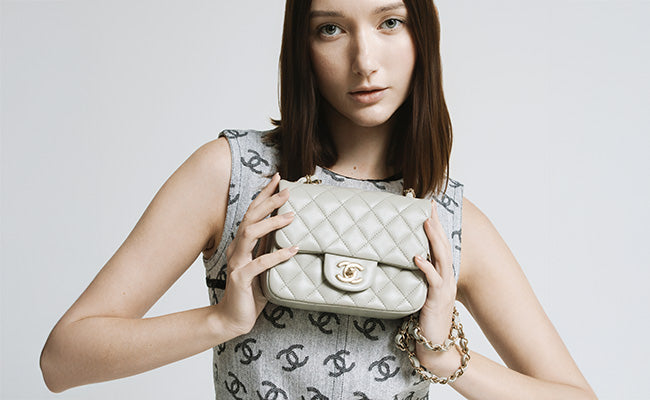
The Chanel Classic Flap and 2.55 Reissue are famous for keeping their shape. Both feature a double-flap construction and a rigid internal frame that fights sagging, even after years.
The medium Classic Flap uses a structured base and interlocking quilting that spreads out weight. That quilting isn't just for looks. It helps reinforce the leather and can reduce soft spots from forming.
Older, well-cared-for Classic Flaps from the '90s often look better structurally than more recently abused ones. The 2.55 Reissue, with its mademoiselle lock, usually comes in a softer aged calfskin that develops character while still keeping a defined silhouette.
Key features:
- Double-flap with internal frame
- Diamond quilting for reinforcement
- Structured base and sides
- Chain distributes weight through leather-threaded straps
Buyers love these classics because it's easy to check the structure. A slouching Classic Flap pretty much screams neglect, and that knocks down the price.
Boy Bag and Chanel 19: Modern Structural Appeal
The Chanel Boy Bag keeps its shape thanks to a rigid rectangular frame and thick leather. Its chunky chain and bold hardware give it a tough, structured vibe, and even softer leathers can hold up well.
The Chanel 19 is a different animal. It's designed to be slouchy and relaxed, with oversized quilting and a softer build. That casual drape is part of the charm, but it makes evaluating condition trickier.
A Chanel 19 that's too stiff might mean it's barely been used, but excessive sagging can hint at overloading. The mixed-metal chain adds weight, which can stress the attachment points over time. We judge these differently than the classics. Some softness is expected, and sometimes preferred.
Boy Bag buyers want sharp corners and a solid shape. Chanel 19 fans are more forgiving of a little slouch.
Coco Handle and Chanel 22: New Silhouettes and Challenges
The Coco Handle mixes a structured base with a softer top, which creates some shape challenges we don't see in older models. The handle attachments take a lot of stress, and the handle can show wear quickly. The trapezoidal shape should stay defined, but heavy use can soften the gussets.
We approach these with caution at consignment. The hybrid build means more weak spots. The leather handle can stretch or crack, and the chain strap can pull at the hardware.
The Chanel 22 is meant to be soft and slouchy, so what counts as "good" shape isn't the same as a Classic Flap. Puffy quilting can compress unevenly, and the bag's relaxed look makes it tough to tell normal use from actual damage.
Both these bags are still relatively new compared to the classics, so long-term durability patterns are still becoming clear.
Materials and Craftsmanship: Lasting Form or Future Flop?
Chanel's choice of materials and construction methods decides whether a bag keeps its shape for years or ends up a floppy mess. Caviar leather is a clear winner over lambskin for structure, but hardware and original proportions matter a lot too.
Caviar Leather vs Lambskin for Shape Longevity
Caviar leather holds up better than lambskin in many pre-owned Chanel bags. The grained calfskin used for caviar is known for durability. It can resist scratches and help maintain a bag's structure over time.
Lambskin is a different story. It's soft and luxurious, but it can show wear sooner and lose firmness with regular use. The quilts can flatten, corners can wear, and the bag can start to slouch, which isn't great for resale.
In the resale market, caviar versions often command higher prices than identical lambskin versions when condition is comparable. When we're checking bags for consignment, we always feel for firmness. If the leather has gone limp, that's a red flag.
Influence of Hardware and Construction Quality
The interlocking CC logo and mademoiselle lock aren't just for show. They sit in areas where alignment and closure fit matter, and flaws there can make a bag look off-shape.
Construction quality can vary across years and production runs. Stitching, leather treatment, and hardware attachments all play a part in whether a bag holds its silhouette.
Chanel has strengthened its supplier network over time, including investments in Italian tanneries and leather goods suppliers. This can influence material sourcing and consistency between eras.
Effect of Bag Sizing and Proportion Adjustments
Size really matters for shape retention. Smaller bags like mini flaps can soften more quickly if they're overstuffed or stored poorly. Medium and jumbo sizes may show sagging differently, especially at the base.
Chanel tweaks proportions from year to year. A medium flap from 2015 isn't quite the same as a 2024 version, and these little differences can affect how the leather ages. We keep notes on these changes because they matter for pricing.
The width-to-height ratio affects where bags usually lose shape. Wider, shorter bags sag at the sides; taller ones tend to keep their vertical lines longer.
Common Shape Loss Issues and Their Impact on Value
When we check pre-owned Chanel for consignment, shape problems often explain why bags that look pristine otherwise get disappointing offers. Losing structure hurts both the look and buyer confidence, especially with bags like the Grand Shopping Tote where the shape is everything.
Corner Collapse and Sagging
Corner wear is one of the most obvious signs of age in vintage Chanel. The bottom corners take a beating every time you set the bag down, which compresses the leather and stresses internal support. The Grand Shopping Tote and Cerf Tote are especially prone to this, since they're big and heavy.
Collapsed corners can noticeably reduce resale value. Buyers see it as proof of heavy use or bad storage. Caviar leather tends to resist this better than softer leathers, which can develop soft corners faster.
Restoration can help, but it rarely looks factory-fresh. Leather workers can rebuild corners, but repairs can often be detected on close inspection and must be disclosed, which can affect buyer confidence.
Quilting Flattening and Base Deformation
Chanel's signature quilting loses its definition when bags aren't supported properly during storage or get overloaded. The diamond pattern can start to look flat, especially on the front and back. Second-hand Chanels with squashed quilting signal neglect to anyone who knows what to look for.
Base deformation happens when bags sit without interior support. The bottom can bow in or go concave, ruining the intended shape. Classic Flaps and Boy Bags with rigid bases do better, but nothing is immune.
Flattened quilting can reduce value because it changes the bag's whole look. And it can be difficult to restore the original puff once it's compressed.
Handle Droop and Structural Weakness
Handle integrity is a big deal for usability and safety. Chanel chain handles wrapped in leather get stress points where the chain meets the bag. Over time, these spots can weaken, and the handles start to hang unevenly or pull away from the bag.
We check handle condition carefully because fixing it takes a pro, and sometimes you lose original details. Vintage bags with original hardware are worth more, but only if the handles still sit right.
Red flags:
- Uneven handle drop
- Visible creases at attachments
- Handles that won't lay flat
- Metal hardware pulling away from leather
Handle problems can reduce value, and severe cases may need major repair or replacement.
Assessing and Restoring Shape for Maximum Consignment Value
Professional graders focus on structural integrity as a primary value indicator, while proper storage and strategic repairs can salvage bags that might otherwise lose thousands in consignment value. Knowing when to invest in restoration versus accepting a lower price point makes all the difference when you're ready to sell Chanel bags.
How Experts Grade Chanel Bag Structures
We look at shape retention by seeing if a bag keeps its original silhouette when set down flat. A Classic Flap should stand upright, with sharp corners and no sagging base. Boy Bags need crisp edges and straight lines, while the Coco Handle should hold its trapezoid shape without caving in.
Structural grades usually go like this:
| Grade | Shape Characteristics | Value Impact |
|---|---|---|
| Pristine | Perfect structure, no softening | Top market range for condition |
| Excellent | Minimal give, corners intact | Small reduction from pristine |
| Very Good | Slight sagging, some corner rounding | Moderate reduction |
| Good | Noticeable slouching, weak base | Larger reduction |
| Fair | Severe misshaping, structural failure | Major reduction |
The quilting pattern really tells you a lot about structure. Flattened quilts at high-contact spots mean the padding's compressed, and that's tough to fix. We also check chain attachments and hardware mounts. Loose hardware is a red flag for deeper issues that buyers notice right away.
Preservation Tactics: Shapers, Dust Bags, and Storage
Bag shapers are a must for authentic pre-owned Chanel bags between uses. We stuff bags with acid-free tissue or custom shapers that fit the bag. Newspapers? Never. Ink transfers and the acids can damage leather over time.
The Chanel dust bag isn't just for show. It protects against dust and light. Store bags upright or flat, but never hang them by their chains. Hanging can stretch leather and distort the shape.
Climate control is more important than most folks think. We suggest storing Chanel bags in a stable, cool, dry environment and avoiding extremes. If you're planning to sell within a year, check on your bags monthly to catch shape issues early.
When to Repair Versus Rehome
Minor shape issues, like slightly rounded corners or a bit of base softening, usually aren't worth the cost of major professional repair. Sometimes it's better to accept a slightly lower grade.
Major problems are another story. Collapsed sides, detached corners, or separated panels can cause a large value drop. In those cases, a professional repair can make sense if the bag's value supports the investment.
Cleaning and conditioning can improve presentation when the structure is still solid, which can support better offers and faster sales.
Shape Retention Insights by Bag Type and Style
Different Chanel styles hold up differently. Compact designs often outlast bigger ones, and materials matter a lot. Construction choices and hardware placement create distinct aging patterns between vintage and modern bags.
Wallet on Chain and Mini Styles: Small Yet Sturdy?
The Chanel Wallet on Chain (WOC) is one of the better performers for shape retention. Its compact build and reinforced edges help it resist sagging and corner collapse, even with regular use.
Caviar leather versions are especially good at keeping their form. The pebbled texture resists scratches and compression, and the internal card slots add support. Lambskin WOCs need more care, but they can still hold up well compared to larger lambskin bags.
Key Shape Retention Factors:
- Compact builds reduce the risk of collapse
- Chain straps can distribute weight more evenly than some leather strap setups
- Smaller interiors mean less risk of overstuffing
Well-stored WOCs (standing upright, chain tucked in) can keep crisp edges and a solid structure for a long time, which matters for resale.
Vintage vs Contemporary: Longevity Trends
Vintage Chanel bags from the '80s and '90s can feel more robust than some newer bags, often because of heavier hardware and different construction choices from that era.
Many pre-2000s Classic Flaps have sturdier components, which can help them resist warping when they've been well cared for. Newer Chanel bags can still hold up beautifully, but they can be more sensitive to storage habits and heavy use, especially in softer leathers.
Vintage Chanel bags with documented history and good structure can command premium prices, because buyers associate strong construction with long-term durability.
Special Editions, Unique Materials, and Their Quirks
Exotic leather Chanel bags bring their own shape challenges. Some exotics can hold structure well, but they need careful storage and stable conditions to avoid drying or cracking.
Tweed and fabric editions typically lose shape faster than leather. Patent leather can start stiff and keep its shape for a while, but it can crease at stress points, especially around the flap fold.
Material-Specific Considerations:
- Metallic finishes: Edges can chip, showing the base material and hurting the bag's look
- Aged calfskin: Can get softer and slouchier with use, depending on the style
- Mixed-material designs: Heavier hardware can help some bags keep definition, but it can also stress attachment points over time
Buyers are extra picky with special editions since repairs or replacements can be tricky. A vintage tweed bag with shape loss might still sell for its rarity, but it will usually be valued below a comparable leather version in strong structural condition.
Consigning on Top Luxury Resale Platforms
Luxury resale sites care a lot about shape retention. Bags with better structure typically fetch higher prices. If you know how these platforms evaluate Chanel bags and prep yours right, you can improve your payout.
How Resale Sites Evaluate Shape Preservation
Major resale platforms use grading systems that put a lot of weight on structure. They focus on bottom sag, corner collapse, side panel strength, and flap alignment.
To get a "pristine" or "excellent" rating, your bag needs to keep its original shape with no visible weakening. Even small distortions can lower the condition grade, which affects price.
Authenticators check bags in person or through detailed photos. They look for creases, collapsed corners, warped hardware, and stretched leather. On quilted styles, flattened puffs are a common warning sign.
They also consider whether shape issues are reversible. Temporary slouching from storage isn't as serious as permanent damage from overstuffing or material breakdown.
Market Data: Shape-Related Sale Price Differences
Recent sales data from major resale sites shows clear price gaps based on shape. A Classic Flap in pristine shape can sell for a higher percentage of retail than the same bag with visible structure loss.
| Condition Category | Shape Status | Resale Value (% of Retail) |
|---|---|---|
| Pristine | Perfect structure | Higher range |
| Excellent | Minimal shape wear | High-mid range |
| Very Good | Slight sagging | Mid range |
| Good | Noticeable structure loss | Lower range |
Limited editions can exaggerate these differences. A well-kept bag can sell for a premium, but the same model with shape issues might sit unsold for ages. Structural integrity is everything for holding value.
Seasonal and trendy styles are often more sensitive. Buyers paying for fashion-forward designs want the bag to look crisp and well-formed.
Getting the Best Offer: Strategic Preparation
Before you list your Chanel, prep it smartly. Stuff it with acid-free tissue for a couple of days to help it regain its shape. Store it upright in a dust bag, ideally in the original box.
Take photos from all angles in natural light, making sure the bag looks three-dimensional and well-formed. Get close-ups of corners, the bottom, and flap alignment. These shots help consignment experts judge the structure.
If you spot minor shape weakness, think about whether restoration is worth it. Small improvements can sometimes support a stronger offer on classic models, but always do the math before you commit.
When you compare offers, ask how the platforms rated your bag's structure. Some are stricter than others. Knowing their standards helps you pick the site that's likely to value your bag most.
Frequently Asked Questions
Shape retention affects authentication, pricing, and buyer confidence in the luxury resale world. Material durability, storage habits, and structure separate investment-grade bags from those that lose value fast.
What factors contribute to a Chanel bag maintaining its shape over time and how does that affect its resale value?
Caviar leather often resists sagging better than lambskin because it's typically firmer and more wear-resistant. Internal frameworks, reinforced bases, and thoughtful construction help bags stay upright. Hardware weight and chain design matter too, especially for Classic Flap and Boy bags.
Bags with great shape retention typically sell for more than similar models with structure issues. Consignment platforms grade structure heavily, and higher condition ratings usually mean clean corners, straight seams, and no base or side collapse.
In terms of consignment strategy, how does the condition of a Chanel bag's structure impact its desirability in the market?
Buyers filter listings by condition, and structural flaws knock bags out of the running for many collectors. Bags with sagging bottoms or warped flaps often sit unsold longer than solid ones.
Pricing has to reflect shape. A bag with minor corner wear but strong structure can move faster than a flawless-looking bag with obvious slouching.
Sellers take lots of photos, including bottom shots and side profiles, to show off shape retention. These images prove the bag's worth and support stronger pricing.
Could you elaborate on how bag shape retention plays a role in the authentication process for Chanel purses?
Authentic Chanel bags are built with precise proportions and consistent construction details. Poor structure, odd angles, or strange alignment can raise questions, especially when combined with other red flags.
We check how the flap sits when closed and if the sides stay straight. Classic Flaps should look balanced and aligned when set down. Some replicas can look off in profile or show unusual warping.
Weight distribution can also be telling. If a bag tips oddly or sits unevenly, it can point to construction issues.
How do material choices in Chanel's manufacturing process influence the longevity and shape retention of their handbags?
Caviar leather can keep its structure for a long time with reasonable care. Lambskin feels luxurious but usually needs gentler handling because it can show creasing and softening sooner with daily use.
Patent leather can become tacky in humidity and may crease at folds. Tweed and fabric bags often need extra reinforcement to avoid sagging, but they're typically less structured than leather.
Exotic skins vary based on tanning and finish. When well maintained, some exotics can hold shape impressively, but they can be less forgiving in dry or unstable climates.
Can you share insights on buyer preferences regarding Chanel bag shape and structure when considering pre-owned luxury investments?
Investment-focused buyers often lean toward Classic Flaps in caviar leather, since the combination is known for durability and a structured look. There's steady interest in bags that still have their dust bag and packaging, because those extras help with careful storage and shape retention.
Casual buyers may accept softness in styles like the Chanel 19, since that relaxed vibe is part of the appeal. Still, most buyers avoid bags with obvious collapse, twisted straps, or pulled hardware.
Collectors tend to be cautious with bags needing major structural restoration, because repairs must be disclosed and can affect long-term desirability.
What are the best practices for storing Chanel bags to ensure they retain their shape for consignment purposes?
We always go for acid-free tissue paper to stuff the bags. Use enough to support the interior without stretching the leather or creating bulges.
Set bags upright on shelves and keep them in their dust bags. Never hang them by straps or chains, since that can stress seams and distort shape over time. Store chains tucked in so they don't press into leather.
Keep bags in a stable environment away from sunlight and moisture. Rotate your collection occasionally, and check on stored bags regularly so minor shape issues don't become permanent.
Love Hermès? See More from Rome Station
Add us to your Preferred Sources on Google to see our newest Hermès guides and insider tips first.