
Does Bag Structure Affect Chanel Resale Performance Over Time
Check out our Chanel collection!
When you’re thinking about buying a Chanel bag as an investment, it’s easy to get caught up in the usual stuff: color, leather, model. But structure, yeah, the actual shape and rigidity of the bag, is something that quietly but seriously impacts resale value. Structured Chanel bags tend to hold their condition, and their value, better than softer, slouchy styles.
Bags with sharp lines and sturdy construction tend to maintain their shape and condition better over time. If you’ve ever compared a Classic Flap or a Boy Bag to a softer tote, it’s obvious the structured ones keep their shape. That means less sagging, fewer creases, and generally less visible wear, stuff that makes buyers happy. It’s not just about looks; it’s about how well the bag survives years of use and still feels desirable when it’s time to sell.
If you care about long-term value, whether you’re collecting or thinking about reselling, structure is a detail you shouldn’t ignore. Hardware, vintage quirks, and the overall silhouette all come into play. The shape of your Chanel might matter more than you expect.
Key Takeaways
- Structured Chanel bags like the Classic Flap and Boy Bag keep their value better than unstructured styles because they stay in good condition longer
- Durable materials and solid construction are big for resale, caviar leather and firm shapes top the list
- Original hardware, proof of authenticity, and careful storage help maximize what you’ll get back
How Chanel Bag Structure Shapes Resale Value
The way a Chanel bag is built has a direct effect on how well it holds up in the resale market. Details like silhouette, leather, and hardware all influence both how durable the bag is and how much buyers want it.
Classic Flap Versus Boy Bag: Structure Comparison
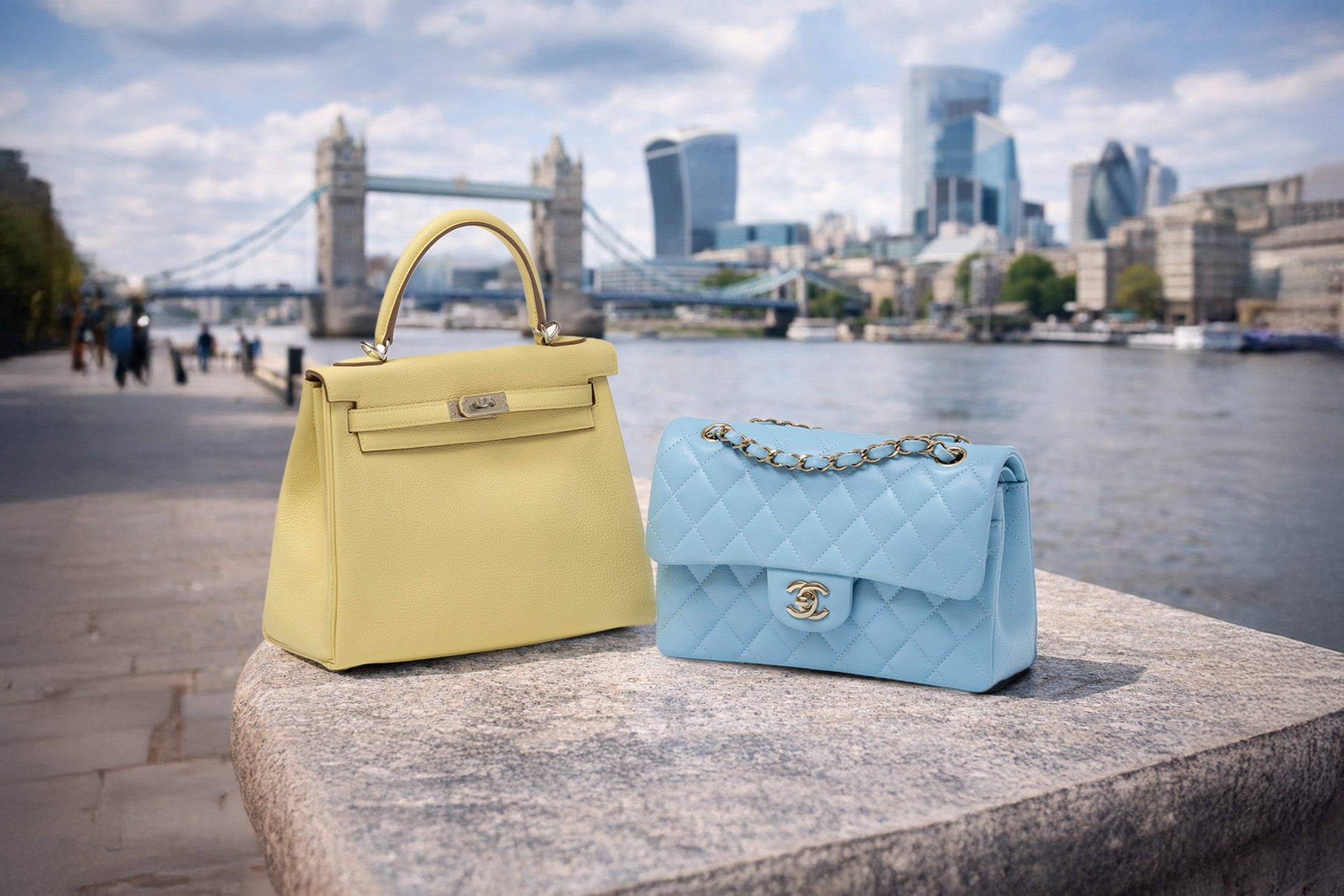
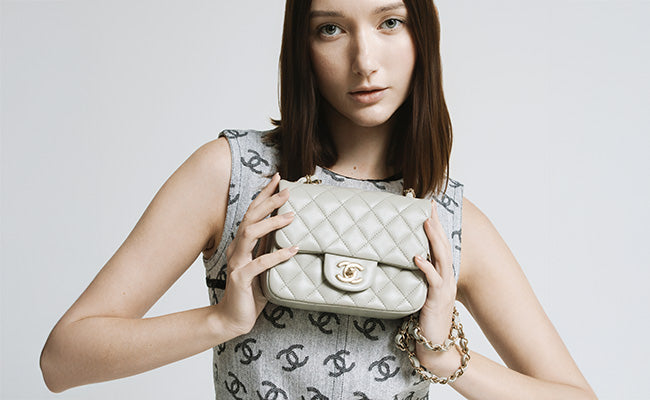
The Classic Flap’s quilted diamonds, flap closure, and CC turn-lock have barely changed since 1955. Its boxy, rectangular shape and chain strap give it a formal vibe that traditional collectors love.
The Boy Bag, which came out in 2011, is more angular and chunkier, with a modern edge. It’s got a boxy body and bold hardware. The Classic Flap often performs even better in resale, with some versions fetching 70-85% of their original retail price.
From what we’ve seen, the Classic Flap just has broader appeal and stays in demand. The Classic Jumbo Flap, for instance, has a great size and those iconic proportions that keep people coming back.
Material Integrity: Caviar Versus Lambskin
Caviar leather’s pebbled texture stands up to scratches and helps a bag keep its shape for years. That’s why caviar bags are more popular with resale buyers, especially those who care about condition. A black caviar Classic Flap can retain 80-85% of its original price, depending on its condition and wear.
Lambskin, on the other hand, feels amazing but shows scratches and scuffs much faster. It’s more prone to losing its shape too. You’ll usually see lambskin bags discounted 10-20% compared to caviar versions.
If you’re thinking investment, caviar is the way to go. It just holds up and looks better years later.
Impact of Hardware Choices on Longevity
Gold hardware often retains its shine longer than silver-tone, but well-maintained silver-tone can also age gracefully. It’s more durable, and that matters when buyers are checking for signs of wear. Bags with gold hardware usually fetch higher prices.
Silver-tone can tarnish or fade, especially on older bags. The chain and CC lock are the first places you’ll spot hardware wear. Ruthenium hardware, while popular for its cool appearance, has yet to establish long-term resale trends compared to gold and silver hardware.
Buyers always check that the chain isn’t stretched, clasps still work, and the plating’s not worn through. These details can make or break a sale.
Signature Chanel Styles and Their Resale Trajectories
Different Chanel bags perform differently in the resale world, and structure is a big reason why. The Classic Flap can go for 85-120% of its original price. The 2.55 Reissue sits in the $4,000-$7,000 range, depending on condition and hardware. Newer models like the Chanel 19 are starting to show they might appreciate too.
Chanel Classic Flap
The Classic Flap is still the top dog for resale. Prices have jumped 60% since 2019, and used bags often sell for as much, or more, than they cost new.
The medium size especially has seen up to 20% appreciation in the last two years. It’s versatile and keeps that structured silhouette collectors want. The bag’s internal framework and chain-weighted straps help it keep its shape for decades.
Key resale factors:
- Neutral colors (black, beige) always do better than seasonal ones
- Caviar leather outlasts lambskin
- Authentication cards and dust bags can add 10-15% to the sale price
- Hardware condition makes a real difference
The quilted look and CC closure haven’t changed since the 1980s, which keeps the bag feeling timeless and valuable.
2.55 Reissue and Chanel 2.55
The 2.55, first launched in 1955, follows Coco Chanel’s original style with the Mademoiselle lock and burgundy lining. The 2005 Reissue brought it back for the 50th anniversary, making it its own thing apart from the Classic Flap.
These bags usually resell for $4,000 to $7,000 and can keep 85-120% of their original cost, depending on shape and hardware. Prices have been going up 5-10% a year for the last decade, which is unusual for luxury goods.
The boxy shape and aged calfskin give the 2.55 Reissue a unique look that gets better with age. Limited editions and rare materials can go for way more. Some original 1955 bags even sell for double what a new one costs.
Collectors love the 2.55 for its history and the fact that it stands out from the more common CC-closure bags.
Boy Bag and Boy Flap Performance
The Boy Bag brought a fresh, masculine twist to Chanel in 2011. It’s got a boxy build and heavy hardware, which younger buyers like, but it still keeps Chanel’s quality.
Resale for the Boy Flap is a bit more unpredictable, usually 70-85% of retail. The sturdy shape and hardware help, but trends affect it more than the Classic Flap.
Special editions and rare leathers can do even better, sometimes over retail. Medium and large sizes in classic colors are the easiest to resell.
Emerging Icons: Chanel 19, Chanel 22, and Coco Handle
The Chanel 19 is notable for being Karl Lagerfeld’s final design, but its long-term resale value still remains to be fully established. It came out in 2019 and has a softer, more relaxed shape with mixed hardware and a big CC logo. People worried about its structure at first, but collectors are still interested because of its background.
Early numbers show the Chanel 19 holding 75-90% of its original price, with limited editions doing best. The bag’s quilting and internal support help it keep its shape better than you’d expect.
The Chanel 22 is even newer and goes for a hobo look, which is a real shift from Chanel’s usual structure. The Coco Handle mixes vintage trunk vibes with modern touches, like a top handle and removable strap.
Comparative resale retention:
- Chanel 19: 75-90% of retail
- Chanel 22: 70-85% of retail (early data)
- Coco Handle: 80-95% of retail
These newer styles are riding Chanel’s regular price hikes and the growing pre-owned market. The Coco Handle’s structure and versatility make it look like a safe bet, while the Chanel 22’s softer build could mean more ups and downs as time goes on.
The Role of Structure in Vintage and Limited Chanel Bags
Structured vintage Chanel bags can keep their form for decades, and limited editions with strong architecture often sell for a premium just because they’re rare and still look sharp.
Vintage Chanel Bag Durability
A 2.55 from 1955 can still look sharp almost 70 years later, which says a lot about how Chanel builds their bags. Models from the 1980s and 1990s often have internal frames and reinforced bottoms that keep them from sagging.
We’ve seen that structured vintage bags, like the Classic Flap and Boy Bag, hold their shape much better than the softer ones from the same era. The tough build keeps the leather from creasing or collapsing, which is a big deal for resale.
Bags that take over 150 hours to make usually have the kind of craftsmanship that lasts. Strong hardware, internal supports, and quality lambskin all help these bags age well.
Key durability factors:
- Internal frame construction
- Reinforced base and corners
- Good leather treatment
- Solid hardware and how it’s attached
Limited Releases and Collector Appeal
Limited runs like the 2025 Baroque Jewel Bag show how structure can make a bag more collectible. These bags usually have tight, boxy frames and bold, three-dimensional details that keep their shape.
Some releases have fewer than 150 pieces, and the complex build just adds to the draw. The sturdy framework lets designers add heavy details, like gold filigree or custom gemstones, without the bag losing its form.
Collectors go for limited editions with strong lines because they look great in photos and on display. A structured bag holds up whether you carry it or keep it on a shelf, and that versatility matters for serious buyers.
Rarity Factor and Investment Potential
Older structured limited editions can appreciate 80-200%, sometimes more, if they keep their shape. Those 1990s Chanel box bags are shooting up in value right now because their rigid build means they still look new.
Chanel’s resale market really cares about structure. Vintage bags with crisp lines and no sagging get higher prices than similar models that have lost their shape.
The market treats these bags as more than just accessories, they’re almost art pieces. Structured bags with architectural details move faster and fetch better prices than soft vintage bags that show their age.
Supporting Elements: Authenticity and Original Features
Proof of authenticity, original hardware, and all the extras that come with a Chanel bag can make a real difference in resale. Buyers will pay more for bags with all their original parts, since it reassures them and keeps that luxury feel.
Importance of Authentication Cards and Documentation
The Chanel authenticity card is a big deal for resale, but if a bag’s missing it, that doesn’t automatically mean it’s fake. The card’s serial number matches the one inside the bag, making it easy to check.
Bags without their authenticity card usually sell for 10-15% less than identical ones with the card. Lots of vintage bags have lost their cards over time, which is why buyers now look at other details too, not just paperwork.
It’s smart to hang onto your original receipt along with the card. Receipts from official Chanel stores or trusted retailers like Holt Renfrew add even more credibility. For rare or limited editions, this paperwork can make a bigger difference.
Since cards can get separated or faked, authentication services are pretty standard now. Pros look at serial numbers, how the quilting lines up, leather quality, and hardware to check a bag’s authenticity, even if the card’s missing.
Original Hardware and Care Accessories
Chanel bags come with certain pieces buyers expect to see. Dust bags, authenticity cards, care booklets, and the original box all add value.
Accessories that boost resale:
- Dust bag with the right logo and style for its era
- Chain protectors and leather guards
- Lock and key set (for bags that have them)
- Care booklet
- Original box with matching serial
Bags with all their accessories can go for 15-25% more than those without. The dust bag is key, it protects the bag and shows the owner took care of it.
Missing keys for Classic Flaps or 2.55s can be a hassle, since getting a new set means a trip to Chanel with proof you own the bag. That turns some buyers off.
Packaging and Its Influence on Resale
Original packaging makes a difference, especially for collectors. Chanel boxes, shopping bags, and even the ribbon can make a sale feel special.
Bags with flawless packaging can sell for 20-30% more, especially if they’re newer or rare. Some buyers even collect the packaging itself, looking for boxes from certain years or stores.
Condition matters here, too. Crushed boxes or torn dust bags aren’t worth as much. Sellers often show packaging in separate photos so buyers can see exactly what they’re getting.
The classic black Chanel box with the white logo isn’t just for looks, it protects the bag in shipping and storage, and helps it keep its shape. If you’re gifting or planning to store the bag long-term, having the original packaging is a nice bonus.
Market Dynamics: Pricing Strategies, Demand, and Secondary Platforms
Chanel’s bold approach to retail pricing shapes resale values in a pretty direct way, and the brand’s cultivated prestige keeps bags holding their worth. The platforms where we all buy and sell, those matter too, sometimes more than you’d think.
Chanel Price Increase Trends
Chanel’s been hiking prices steadily, averaging 10-15% each year for a decade, sometimes with multiple bumps in a single year. The Classic Flap Medium, for instance, shot up from about $4,900 in 2019 to over $10,200 by 2024. That’s a leap.
When prices jump, the resale market reacts fast. Bags bought before big hikes often perform better, since buyers hunt for deals below the new retail. Structured styles like the Classic Flap or Boy Bag usually weather these increases better than their softer, slouchier cousins.
Whenever Chanel announces a price hike, we see a rush on resale sites, people listing bags to capitalize on the gap, and buyers scrambling to snag something before retail goes even higher.
Brand Equity and Perceived Value
Chanel’s brand equity is tough to beat. It’s always near the top of luxury rankings, and that reputation props up resale values through steady demand.
Structured bags get the biggest boost here. The Classic Flap’s quilting or the Boy Bag’s sharp lines scream “Chanel” in a way softer bags just don’t. That instant recognition seems to matter, a lot.
Condition and authenticity are huge, too. Structured bags tend to hide wear better and keep their value longer. On big resale platforms, these pieces often fetch 15-25% more than similar soft leather bags.
Keys to Maximizing Resale Performance
Protecting your investment isn’t just about picking the right bag. How you care for, store, and eventually sell your Chanel makes a real difference in what you’ll get back.
Optimal Storage and Condition Maintenance
It’s painful to see gorgeous Chanel bags lose thousands in value from avoidable damage. The difference between selling for 75% of retail versus 90% often comes down to how you store your bag.
Stuff your bag with acid-free tissue to help it keep its shape. Skip newspaper, trust me, that ink transfers. Keep it in the original dust bag, somewhere cool, dry, and out of direct sunlight. Sun fades leather and hardware faster than you’d expect.
Caviar leather handles daily use better than lambskin, but both need the right conditioner now and then. For tough stains, just go to a pro, DIY fixes can backfire.
Hardware scratches happen, but you can reduce them. Rotate your bags, and leave the protective film on hardware until you’re actually using the bag.
Chanel bags in pristine condition always pull higher resale prices than those with obvious wear. Having the original box, authenticity card, and receipts can add another 10-15% to your sale.
Timing and Platform Selection for Selling
When you sell is almost as important as what you sell. We’ve noticed pre-owned Chanel bags usually get better prices in autumn and early winter, when everyone’s prepping for events and updating their wardrobes.
Selling right after Chanel announces a price hike is a smart move. Buyers who want to dodge the new retail will pay close to the old price for a mint-condition piece.
Where you sell matters, too. Consignment shops are easy, but they’ll take 20-40% commission. Authenticated resale sites usually give you more back and still protect buyers. Peer-to-peer sales can net the most, but you’ll do more work, photos, authentication, messaging.
Recognizing Value in Pre-Owned Chanel Bags
Savvy buyers know resale value isn’t just about age. Sometimes a five-year-old Classic Flap, bought before a major price jump, costs less than current retail but still has great appreciation potential.
Watch for these value signs when shopping pre-owned:
- Full original packaging and paperwork
- Minimal hardware wear and a clean interior
- Classic colours that don’t go out of style
- Production years before big retail hikes
Some years, Chanel used different materials or craftsmanship tweaks that later became collector favorites. These can outperform newer bags.
Authentication is a must. Even seasoned collectors get fooled by good fakes, so stick with verified platforms to protect your money and your reputation.
Frequently Asked Questions
Chanel bag resale value isn’t just about structure. Market trends, materials, and even celebrity buzz all play their part.
How do limited edition releases influence the future resale value of Chanel bags?
Limited editions create buzz because they’re scarce. When Chanel drops a bag in tiny numbers or for just one season, collectors jump on it.
These pieces often appreciate faster since you can’t just walk into a boutique and buy one later. We’ve seen quirky styles like the Lipstick Clutch or Mini Vanity Bags sell for way over their original price simply because they’re rare.
But not every limited edition is a winner. If a design feels more trendy than timeless, its value can stall once the hype fades.
What role does craftsmanship and material quality play in predicting Chanel bag appreciation?
Material matters, a lot. Caviar leather, with its pebbled texture and scratch resistance, usually outperforms lambskin because it looks good for years.
Bags that age poorly lose value fast, no matter how pretty they were new. Buyers want something that still looks cared for, not worn out.
Hardware counts, too. Gold-tone hardware tends to hold value better than silver, probably because it’s classic Chanel and tends to wear more nicely.
Can the popularity of certain celebrities with a Chanel model impact its resale trajectory?
Celebrity influence? Absolutely. When a big name is seen with a specific Chanel, demand for that style jumps.
The Boy Bag blew up after celebs started carrying it post-2011 launch. That spotlight translated into stronger resale prices, especially early on.
But celebrity effects fade. The Classic Flap holds value because it’s iconic, not just because someone famous wore it last week.
In what ways does market saturation of a particular Chanel design affect its collectability and resale worth?
Too many of the same bag on the market kills exclusivity. If everyone’s selling the same model, prices start to dip.
Seasonal colours or less-loved sizes can saturate fast, there’s just not as much demand. When lots of sellers list similar bags at once, buyers get picky and negotiate harder.
Classic styles in staple colours don’t have this issue. Black caviar medium flaps, for example, always find buyers at strong prices, even if several are listed at the same time.
How significant is the condition and care of a Chanel bag when assessing its resale potential?
Condition is huge. A well-kept bag in excellent shape can fetch 85-90% of current retail, while a beat-up one might only get 50-60%.
Proper storage makes a big difference. Bags kept in dust covers, away from sunlight, and not overstuffed hold their shape and hardware finish much better than those tossed in a closet.
Original paperwork boosts value, too. Authenticity cards, boxes, and receipts give buyers confidence and often justify a higher price.
Does the original retail price of a Chanel bag correlate with its long-term resale value?
Higher retail prices don’t always mean you’ll get a better resale percentage. What really matters is how today’s retail price compares to what someone originally paid, especially since Chanel keeps bumping up their prices.
If you grabbed a Classic Flap years ago for much less than it costs now, you might actually sell it for more than you paid. That gap, between what you paid back then and what it costs now, creates a window for both sellers and buyers.
Bags that keep about 70-90% of their value tend to do well, no matter the original price. Oddly enough, a $3,000 bag holding onto 85% of its value has fared better than a $10,000 bag that only keeps 60%, even though the pricier one still brings in more cash. Funny how that works.