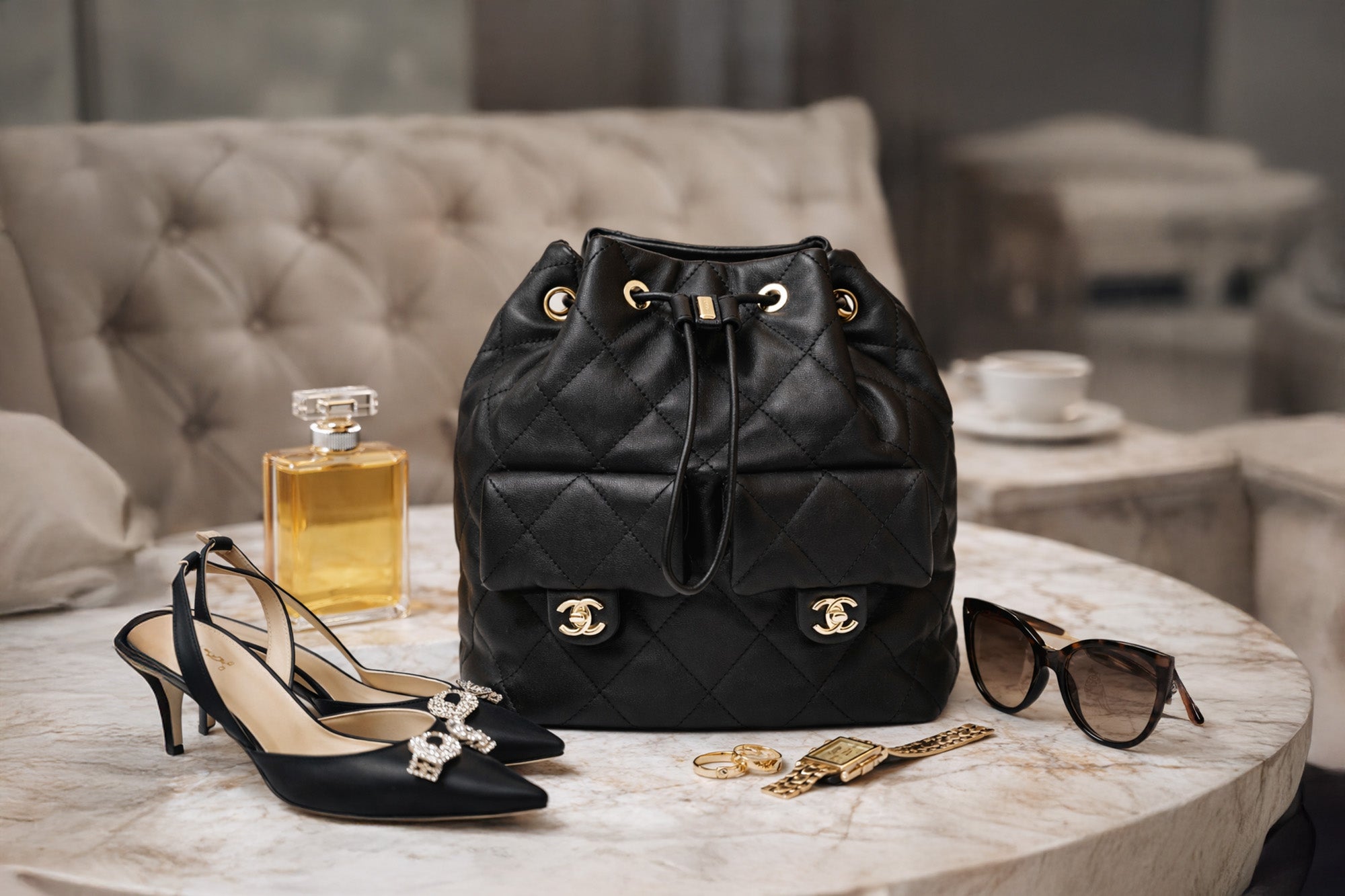


Chanel Quilted Leather Care: Keeping Lambskin and Caviar in Peak Condition
Check out our Chanel collection!
Chanel's quilted leather bags are some of the most sought-after pieces in luxury fashion, but let's be honest, they need a little TLC to stay gorgeous.
Whether you've got a soft lambskin beauty or a tough caviar leather classic, knowing how to care for each type is key if you want your bag to last.
Here's the main thing: lambskin has that smooth, delicate finish that feels amazing but needs gentle handling, while caviar has a bumpy pebbled texture that shrugs off scratches and is just plain tough.
Each leather has its quirks, so your care routine should match. Lambskin is barely treated to keep it soft, which makes it more prone to marks, while caviar's texture hides a lot of daily wear.
So, how do you keep your Chanel looking sharp? We've put together real-world tips, daily habits, cleaning hacks, and what to avoid. These work for both lambskin and caviar, and, frankly, save you from some rookie mistakes.
Key Takeaways
- Lambskin needs a gentle touch, think light, circular motions to buff out marks. Caviar's texture is way more forgiving.
- Store your bag right: wrap chains in tissue, keep it upright in its dust bag, and stash it away from sunlight and humidity.
- Skip harsh products. Regular, careful maintenance and smart handling keep the leather beautiful and your investment safe.
Understanding Chanel Lambskin and Caviar Leathers
Chanel mainly uses two types of leather for its iconic bags: lambskin, which is all about that soft, luxe feel, and caviar, which is pebbled and built to last. Each one has its own personality, and yeah, that means different care.
What Makes Chanel Lambskin Unique
Chanel lambskin feels buttery and looks ultra-refined. There's a subtle sheen, a smoothness that just screams luxury.
Most of the seasonal colors show up in lambskin, it's the go-to for that classic look. But here's the catch: it shows scratches and marks faster than you'd like. Handle it gently, and always tuck those chains inside when you store it. Otherwise, you'll see imprints.
Lambskin is for folks who love that soft, velvety vibe and don't mind a little patina over time. Some collectors even like the way it ages, adds character, right?
Chanel Caviar Leather: Durability and Texture
Caviar leather is all about texture. The pebbled surface comes from a specific tanning process, giving it a grainy look that resists scratches and daily abuse far better than lambskin.
This stuff holds up. If you use your bag a lot or take it everywhere, caviar's probably your friend. The structure hides scuffs that would stand out on lambskin.
Caviar starts out a bit stiff but softens up with use. You get the texture and the practicality, kind of the best of both worlds.
Comparing Lambskin and Caviar for Longevity
Caviar keeps its value and looks better over time, mostly because it's tough and doesn't show wear as easily. Lambskin, on the other hand, is a bit of a diva, gorgeous, but high-maintenance.
Key Differences:
- Scratch Resistance: Caviar hides damage; lambskin needs careful handling.
- Maintenance Level: Caviar is low-maintenance; lambskin needs regular conditioning.
- Appearance Over Time: Caviar stays pretty much the same; lambskin gets a patina and shows wear.
- Investment Value: Caviar bags hold resale value because they stay in better shape.
If you want a daily bag, go caviar. If you're after that classic Chanel look and don't mind babying your bag, lambskin's for you. It's not really about which is better, just which fits your lifestyle.
Daily and Weekly Care Essentials
Taking care of your Chanel quilted leather is mostly about staying ahead of problems. A quick wipe-down and a bit of awareness go a long way.
Using a Microfibre Cloth for Regular Cleaning
Wipe your Chanel bag with a clean, dry microfiber cloth after each use. This gets rid of dust, oils, and whatever else your bag picks up.
For lambskin, use light, circular motions, don't press hard. With caviar, you can use a bit more pressure to get into those little bumps.
Keep a few microfiber cloths just for your bags. Wash them weekly in fragrance-free detergent and let them air dry. Avoid paper towels or regular cleaning rags, they can scratch or leave lint.
Do's and Don'ts for Everyday Upkeep
Do empty your bag once a week to check for spills or random stuff that could stain the inside. We usually do this on Sundays.
Do rotate your bags so one doesn't get all the wear. Let them rest and keep their shape.
Don't overstuff your Chanel. If you have to force it closed, it's too full, stretching the leather ruins the look.
Don't hang your bag by the chain for long periods. It stresses the attachment points and can mess up the leather. We always store ours upright with the chain wrapped in tissue.
Don't leave your bag in direct sunlight or near heat vents. Both leather types can dry out, fade, or get weird discoloration from heat and UV.
Dealing With Oil, Makeup, and Stain Prevention
Honestly, prevention is your best bet. Apply hand cream, perfume, and hairspray before you grab your bag, let it all soak in first. Makeup transfers are a nightmare, especially on lighter lambskin.
Put cosmetics, pens, and anything that could leak in their own little pouches before tossing them in your bag. We use small silk or cotton bags for this.
If you get oil or makeup on the leather, blot right away with a microfiber cloth, don't rub. Rubbing just grinds the stain in. For lambskin, sometimes the leather's natural oils will help fade a light stain over time. Caviar's texture is more forgiving, but you still need to act fast.
Skip household cleaners, baby wipes, alcohol, or DIY stuff. They strip the finish and can wreck your bag.
Targeted Cleaning Techniques for Lambskin
Lambskin needs quick, careful attention when something goes wrong. You have to pick the right products and use a light touch.
Quick Response to Spills and Stains
When something spills on lambskin, move fast. Blot with a clean, dry cloth, press, don't wipe or rub. You want to soak up as much as you can before it sinks in.
For fresh water-based spills, use distilled water on a soft cloth and dab from the outside in. Don't soak the leather, too much moisture is bad news.
Oil stains are trickier. Sometimes, it's better to let the leather absorb what it will, then blot the rest. Aggressive rubbing just makes it worse. If the stain sticks around, it's probably time to call in the pros.
Selecting Lambskin-Safe Cleaners
Not every cleaner is safe for lambskin. Look for pH-balanced formulas made for soft, delicate leathers. Avoid harsh stuff, alcohol, or anything with silicones.
What to look for:
- pH-neutral
- No silicones or petroleum
- Made for lambskin or soft leather
- Fragrance-free is usually safest
Test any cleaner on a hidden spot first, inside the flap or base. Use a tiny bit and wait a day to see if it changes color or texture. Better safe than sorry.
A lot of Chanel boutiques will tell you not to use products at all for regular cleaning. We mostly keep a safe lambskin cleaner around for emergencies.
Spot Treatments Without Causing Damage
For small spots, use a barely damp soft cloth or a super-soft brush. Work in gentle circles, think polishing, not scrubbing.
If the mark doesn't come out, don't push harder. Just repeat the gentle motion, or try a cotton swab for tight spots near hardware or stitching.
Let the area air dry away from heat or sunlight. Once it's dry, use a lambskin conditioner sparingly to restore moisture and blend the spot in. Buff lightly, if the leather feels sticky, you've used too much.
Caring for Chanel Caviar Leather
Caviar's texture makes it easier to care for, but you still need to look after it if you want that grain and shine to last.
Handling Scratches and Scuff Marks
Caviar shrugs off most scratches thanks to its grain. Light scuffs usually disappear with gentle buffing, use a soft, clean cloth and small circles.
For deeper marks, use a leather conditioner made for textured leathers. Put a little on a microfiber cloth and work it into the scratch, following the grain. Don't press too hard, you don't want to flatten the texture.
If a scratch won't budge, it might be past the surface. In that case, a pro who specializes in luxury bags can tell you if it can be fixed.
Cleaning Without Dulling the Texture
Wipe down caviar leather with a slightly damp microfiber cloth after each use, especially where it touches skin or surfaces.
For a deeper clean, mix a bit of gentle, pH-neutral soap with lukewarm water. Dampen your cloth, wring it out well, and clean the bag in sections. Dry right after with a clean cloth.
Never use harsh chemicals or too much water. That can strip the coating or flatten the grain. Let the bag air dry away from heat or sun, and condition every few months to keep it supple.
Leather Conditioning and Rejuvenation
Conditioning keeps both lambskin and caviar leather soft and stops them from drying out or cracking. The products and methods differ, though, and sometimes you just need a pro.
Choosing the Right Leather Conditioner
Match your conditioner to your leather. For lambskin, go for pH-neutral formulas made for delicate, untreated leathers. Cadillac Select or Apple Brand Leather Care are good picks, they moisturize without leaving gunk behind.
Caviar can handle richer formulas, but still avoid silicones or petroleum. Always test on a hidden spot first to check for darkening or weird changes. Conditioners with lanolin, beeswax, or mink oil usually play nice with luxury leather.
Skip generic shoe polishes or stuff meant for coated leather, they can ruin Chanel's finish.
Application Tips for Lambskin and Caviar
Use a soft, lint-free cloth and apply conditioner in gentle circles. For lambskin, use just a tiny bit and go slow, the goal is to nourish, not soak.
With caviar, pay attention to the texture and work the conditioner into the grooves, again without pressing too hard. Let it sit for 15-20 minutes, then buff off any extra.
Condition at room temp and in good light so you can see what you're doing. Cold leather doesn't absorb well, and heat can make things uneven. Always wipe the bag down before conditioning.
For lambskin, use the lightest touch, this helps blend any marks and spreads the conditioner evenly. Not complicated, but it makes a difference.
Frequency and Professional Spa Treatment Advice
We usually condition our Chanel bags two or three times a year if we’re using them regularly. In dry climates or with daily use, we might bump that up to every three or four months. Lambskin needs more frequent conditioning than caviar, it’s just more sensitive and dries out faster.
Professional leather spa treatments really come into play for vintage bags, pieces with a lot of wear, or when we spot color fading or deep scratches. Chanel boutiques and specialty luxury bag care centers handle problems we just can’t manage at home.
We watch for warning signs: stubborn stiffness even after conditioning, color loss, cracking, or water damage. When that stuff pops up, it’s time for the experts. A professional spa usually runs $100-300, which honestly feels worth it to protect a much bigger investment.
In between those rare spa visits, our regular at-home care keeps things looking sharp and helps us stretch out the time between pro treatments.
Smart Storage Strategies for Longevity
How we store our Chanel bags matters. It’s not just about keeping them pretty, it helps prevent environmental damage and keeps their shape, color, and structure intact.
Use of Dust Bags and Acid-Free Tissue Paper
Every Chanel comes with its own dust bag, and using it is a must. The dust bag keeps out dust, blocks light, and protects against scratches, all while letting the leather breathe.
Before popping the bag in its dust bag, we stuff it with acid-free tissue paper. Ordinary tissue can have acids that discolor leather over time, so acid-free is the way to go. It helps the bag hold its shape without any chemical risks.
We fill compartments generously but not so much that the leather stretches. For flap bags, a thin layer of tissue between the flap and body prevents marks. We pad and tuck the chain inside, letting it dangle can leave imprints on the leather.
Avoiding Sunlight and Humidity Damage
Direct sunlight is brutal on both lambskin and caviar leather. UV rays fade and dry out the leather, which leads to cracks. We store our bags in closets or shelves away from windows and light sources.
Humidity’s another enemy. Too much, and you risk mold, especially with lambskin. Too little, and caviar can get stiff. We aim for a storage spot with stable, moderate humidity.
Basements, attics, and bathrooms? Nope. The temperature and humidity swings are just too much. A climate-controlled closet is ideal. In really humid places, silica gel packets near (not touching) the bag help keep moisture in check.
Tips for Retaining Shape and Structure
Hanging a Chanel by its straps? Big mistake. That stresses the attachment points and warps the shape. The best move is to keep bags upright on a shelf in their dust bags, making sure they’re not squished against anything.
For long-term storage, the original Chanel box is perfect, it protects from light, dust, and knocks, but still lets air circulate. No box? A sturdy, breathable container works too.
Overstuffing is a no-go; it stretches leather and hardware. But storing a bag totally flat and empty isn’t great either, the quilting can lose its shape. Light stuffing with acid-free tissue paper keeps everything supported without stress.
Protecting Hardware and Signature Features
The chain straps and interlocking CCs need some love if you want them to keep their shine, and the quilted leather deserves careful handling to keep that iconic puffed look.
Polishing Hardware Without Scratching
We use a soft microfiber cloth to gently buff the metal parts. Household cleaners or anything abrasive are off-limits, they’ll strip the plating or leave marks.
For vintage bags with 24k gold-plated hardware, a jeweler’s cloth works wonders for removing oils and fingerprints. Just go easy and use small circles around the chain and turnlock.
Perfume, lotion, hand sanitizer, keep them away from the hardware. Those products can tarnish metal over time. We try to apply any cosmetics before handling the bag, and let everything dry first.
Chain straps get stored inside the bag, wrapped in acid-free tissue paper. That prevents imprints on the leather and keeps the metal from oxidizing too fast.
Preserving the Quilted Texture and Stitching
Lambskin quilting can flatten if you’re not careful, so we avoid overstuffing. During storage, we use acid-free tissue to help each quilted section keep its puff.
The tissue should fill the bag loosely, no stretching or distorting the stitching. We check the seams now and then for loose threads or fraying and get any issues fixed by a pro before they get worse.
Caviar leather hides small scuffs better, but the stitching still needs protection. We don’t put heavy or sharp stuff inside that could poke against the quilting.
Frequently Asked Questions
Chanel leathers need a few tricks to keep them looking luxe, quick stain response, the right storage, and sometimes a pro’s touch. But honestly, regular home care is what keeps them at their best between those rare expert visits.
How do you effectively maintain the luxe vibe of your Chanel lambskin bags?
We keep lambskin looking fresh by never overfilling, it ruins the silhouette and stresses the delicate leather. Lambskin is minimally treated, so it stays buttery soft but is also fragile.
Gentle maintenance is key. We wipe it with a soft, clean cloth after each use to get rid of dust and oils. Unless Chanel says otherwise, we skip conditioners or cleaning products, since they can mess with the finish.
If marks show up, we rub gently in circles with a soft cloth to help the leather’s natural oils redistribute. Lambskin’s organic properties make this surprisingly effective.
For storage, we keep lambskin upright in its dust bag, wrapped in acid-free tissue that covers the chains and hardware. This setup prevents creases, keeps dust away, and stops the metal from leaving marks.
Spilled champagne on your caviar leather, darling? How do we clean up that party foul?
Act fast, blot the spill right away with an absorbent, non-pilling cloth, working from the edges in. Caviar leather is tougher than lambskin, but you still don’t want liquid soaking in.
Never rub hard or use paper towels, they can scratch the grain. After blotting, let the leather air dry naturally, away from heat or sunlight.
For sticky spills like champagne, we might use a clean cloth dampened with distilled water to dab the area after blotting. Always test on a hidden spot first, just in case.
Got a scuff on your Chanel darling? What's the best-kept secret for making those minor scratches disappear?
For lambskin, we gently rub the scuff in small circles with a soft, lint-free cloth. This helps move the leather’s natural oils and can fade light marks.
Caviar leather’s texture hides scuffs better, but we use the same method with a bit more pressure since it’s tougher.
Deep scratches, punctures, or cuts? We don’t mess with those. That’s a job for a leather repair specialist.
Honestly, prevention is easier, keep bags away from rough surfaces, sharp jewelry, and fabrics that might transfer dye, like denim.
What's the expert-approved method for storing your Chanel leathers to ensure they age like the finest wine?
We store Chanel bags upright in their dust bags to help them keep their shape and stay protected from dust and light. Laying them flat or hanging by the straps leads to structural damage over time.
Inside, we use acid-free tissue to gently stuff the bag, enough to hold its form, not so much that it stretches. Chains and hardware get wrapped in tissue too, so they don’t leave marks or scratches.
Our storage spot is cool, dry, and away from sunlight or harsh artificial light, which can fade and dry out leather. We skip plastic containers or bags, since they trap moisture and can lead to mold.
We rotate our collection, taking bags out now and then. Leather needs a little air and handling to stay supple and avoid getting brittle.
Humidity and leather, who wins the battle when you're living your best jet-set life?
We try to keep our Chanel leathers in places with 40-50% humidity. Too much moisture means mold and tarnished hardware; too little, and the leather cracks.
In humid climates, we toss silica gel packets into our dust bags (not touching the leather) to soak up extra moisture. We check and swap them out when they’re full.
If a bag gets damp, we blot it with an absorbent cloth and let it air dry in a ventilated spot, never near heat or direct sun.
Dry climates bring their own problems. If our bags start to feel stiff or show tiny cracks, we might reach out to a Chanel boutique for advice on care, especially for lambskin, which doesn’t like heavy treatments.
Is professional care for your Chanel quilted treasures really worth the investment, or can you DIY your way to glamour?
We turn to professional care when we’re dealing with deep stains, color transfer, structural issues, or when our bags just need a serious cleaning. Chanel boutiques offer their own spa services, tailored for their leathers with methods and products they trust.
Professional cleaners use equipment and pH-balanced solutions that just aren’t available for home use. They really know how different dyes, finishes, and leather treatments will react to cleaning agents, something I honestly wouldn’t want to guess at.
For everyday maintenance, we stick to gentle wiping, smart storage, and buffing out minor marks with that classic circular rubbing move. This kind of regular care keeps us from needing professional help too often and stops a lot of problems before they start.
Honestly, the price for professional treatment feels fair when you think about how a botched DIY job could ruin a bag that cost a small fortune. It’s more about protecting what we’ve invested in than just an extra splurge.