
Authenticating Vintage Chanel Bags: Unique Markers and Hard-to-Fake Details
Check out our Chanel collection!
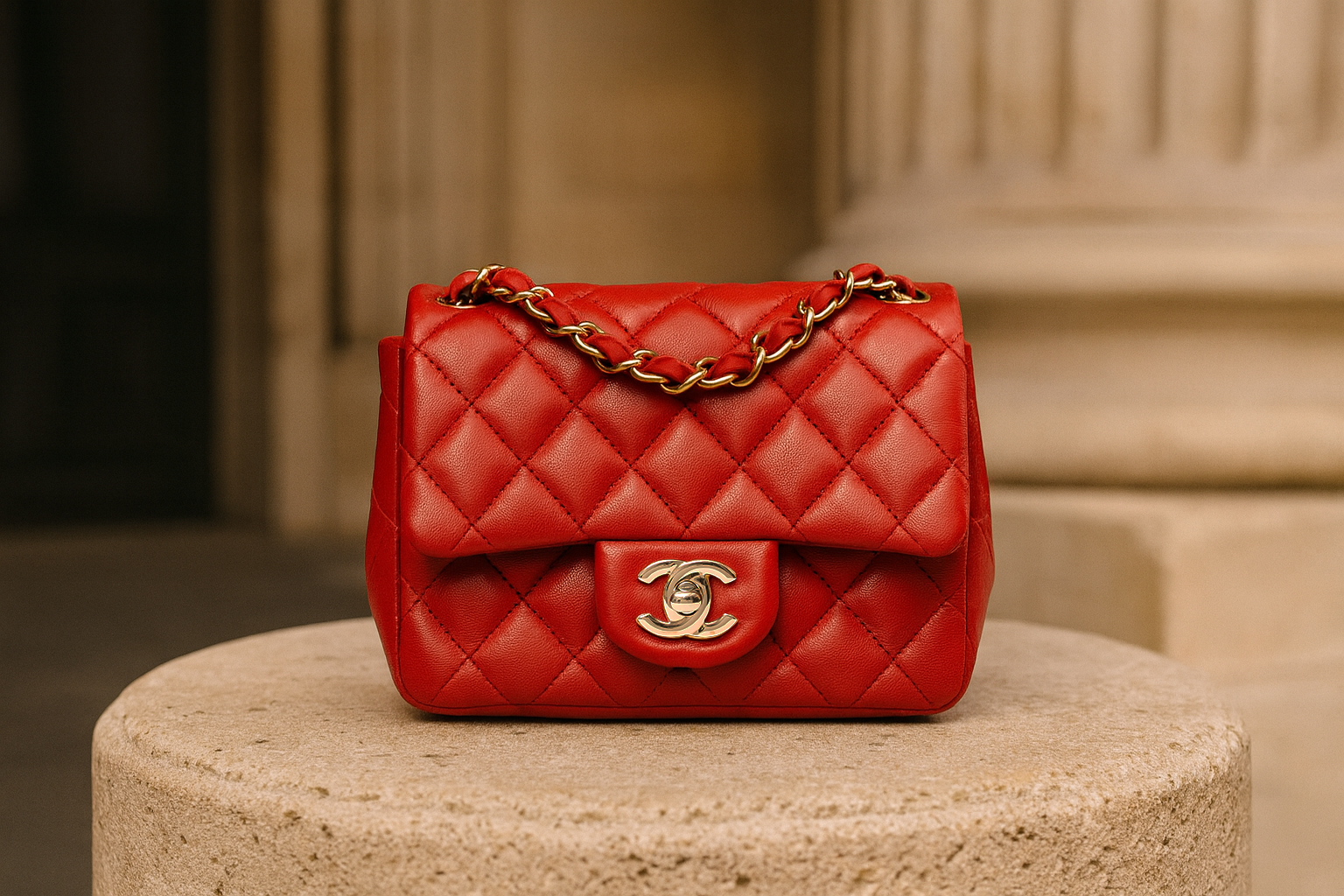
The vintage Chanel market keeps getting trickier, and so do the fakes. Spotting a real vintage Chanel bag means looking closely at details like how the quilting lines up, what the hardware feels and looks like, and the way the leather has aged over time.
Even the best counterfeits, sometimes called “superfakes”, can’t quite nail all the little things Chanel got right, especially when you look at bags from different years.
I’ve pulled together the authentication tricks that auction houses and luxury experts actually use. It’s not just about serial numbers or hologram stickers, though those matter, it’s about the whole package: stitch counts, hardware weight, the way leather ages, and a bunch of tiny quirks that only show up on real Chanel. Knowing this stuff can save you a lot of money and heartbreak.
The days of obvious fakes are mostly gone. Now, even experienced collectors can get fooled if they don’t slow down and look for things like the exact spacing of the quilting, the heft of the chain, or the way a certain type of leather looks after 20 years. These are the details that set real vintage Chanel apart from the best knockoffs.
Key Takeaways
- Real Chanel bags have perfectly aligned quilting, a consistent stitch count (usually 9-11 per inch), and serial numbers that match up with the bag’s era.
- Hardware should feel heavy and solid, with the right C of the CC lock always overlapping on top. Fakes nearly always mess up at least one of these.
- Leather tells a story: the grain, the way it ages, and even the smell can help you spot a fake, especially when you check it alongside the stitching, logo stamping, and how the inside is finished.
Essential Markers of Authentic Vintage Chanel Bags
Vintage Chanel bags have some telltale markers that help you figure out when and where they were made. Serial codes, hologram stickers, and authenticity cards all matter, but fakers are getting better at copying them.
Understanding Chanel Serial Numbers
Chanel’s serial numbers are basically date codes, they tell you when and where the bag was made. The format has changed a lot over the years, so it’s important to know what you’re looking at.
From 1986 to 2004, you’ll see 0-9 series codes on small white stickers (no holograms yet). From 2005 to 2021, Chanel switched to 10-31 series codes and added the first hologram stickers. Bags from 2005 to 2021 have 10-31 series codes, with fancier holograms and laser-printed numbers.
Things to check:
- The serial number format should match the bag’s era.
- Sticker placement needs to be straight and centered.
- The bag model should actually exist from that time.
- Older stickers should look naturally worn, not like someone tried to fake “vintage” wear.
If the serial code doesn’t match up with the hardware or leather, that’s a red flag. For example, a Mini Flap with a 1990 serial code? Nope, that model didn’t exist yet. The way the serial code lines up with other features matters way more than the number itself.
Spotting the Hologram Sticker
Chanel started using hologram stickers in 1991, and those have changed a lot too. Real holograms have sharp, clear images and little details that are different depending on the year.
Early holograms (1991-2005) had two interlocking Chanel logos and a thick, shiny film. Later ones added glitter and more complex patterns. If the hologram looks cloudy, bubbly, or pixelated, that’s a bad sign.
Fakes usually mess up here: blurry logos, stickers that peel or crack too soon, or just a flat image that doesn’t shift as you tilt it. Real holograms look different in the light, they almost pop.
The glue matters, too. Genuine stickers age in a certain way around the edges, but don’t curl up or peel off in weird spots.
The Role of the Authenticity Card
Authenticity cards are nice to have, but don’t trust them alone. Chanel changed card designs a lot, different fonts, different security features, and so on.
The card should match the bag’s serial number exactly, and the printing should be crisp and clean. The style of the card should fit the era. A card from 1995 shouldn’t look like one from 2015.
Keep in mind:
- Cards can be faked or swapped.
- Missing cards aren’t proof the bag is a fake.
- The card’s wear and tear should make sense for the bag’s age.
- Serial numbers on the card and bag must match.
Don’t rely on the card alone, fakers have gotten really good at copying them. Since 2021, Chanel ditched the cards and started putting microchips in the bags instead. Probably a smart move.
Logo and Branding Details That Signal Authenticity
The interlocking CC logo gives away a lot about a bag’s authenticity. Even tiny differences in placement or overlap can expose a fake. I always look at the overlap and how the logo is set, most fakes slip up here.
Decoding the Interlocking CC Logo
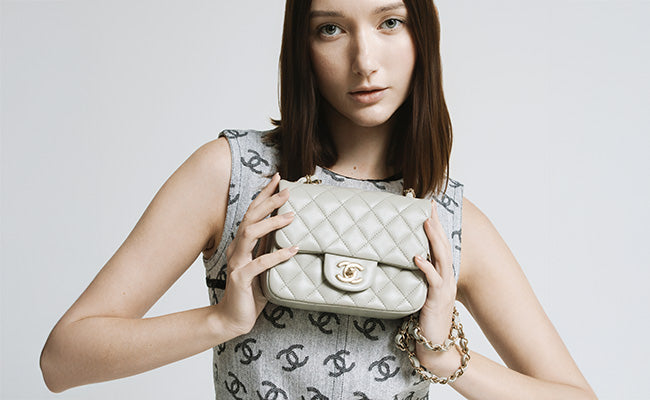
The CC logo always follows the same rule: right C on top, left C on the bottom. It doesn’t matter if it’s a 1990 Classic Flap or something new.
What to look for:
- Symmetry: Both Cs should be the same size and thickness, with smooth curves.
- Spacing: The gap between the letters is exact.
- Edges: Real logos have sharp, crisp edges, no rough casting marks.
- Weight: Hardware should feel heavy, not hollow.
Fakes often get this wrong. You’ll see wonky Cs, uneven lines, or the overlap reversed. The turnlock on real bags feels solid and clicks nicely. Replicas usually feel loose or rattly.
Nuances of the Chanel Logo Placement
Logo placement follows strict rules, but they change depending on the model and era. Inside, the logo stamping should sit perfectly centered above the pocket, with neat stitching.
The stamp should be deep enough that you can feel it, and the foil never flakes. Pre-2000 gold foil ages in a specific way that’s tough to fake.
Red flags inside:
- Crooked logo (even a tiny bit off)
- Shallow or uneven stamping
- Gold that’s too shiny or yellow
- Weird letter spacing or odd-shaped letters
Font weight should be the same everywhere, no stretched-out As or fat Cs. If the serial sticker is crooked, that’s usually a sign of a fake; Chanel’s standards are just too high for that.
Quality of Materials: Leathers, Stitching, and Craftsmanship
Vintage Chanel bags stand out because of their materials and how they’re put together. Real leather ages beautifully, and the stitching and quilting are always on point.
Distinguishing Caviar Leather and Lambskin
Caviar leather is pebbly and tough, it resists scratches and holds its shape for years. On a real Chanel, the grains are even and raised, with a subtle texture that catches the light. It feels sturdy but not stiff, and never looks plasticky.
Lambskin’s a whole different vibe: buttery soft with a natural sheen. Real vintage lambskin gets even softer over time and develops a glow that’s hard to copy. When you press it gently, it bounces back, no permanent creases. Fakes often feel too smooth (almost waxy) or too shiny, like patent leather.
And honestly, the smell says a lot. Real leather has a slightly sweet, earthy scent. Fakes usually smell chemical or plastic-y.
Assessing Stitch Count and Quilting Patterns
Chanel’s stitch count is pretty strict. A real flap bag usually has 10-12 stitches per diamond on lambskin, and 9-10 on caviar. I count along one side of a diamond, most fakes don’t bother getting this right.
The quilting should line up across seams, with the pattern flowing smoothly where panels meet. On real vintage bags, the quilting is sharp and defined, not puffy or flat. The diamonds keep their shape all over the bag, though some old styles used rectangles instead.
The depth matters too. Real bags have some dimension, but not so much padding that it looks overstuffed or fake.
Evaluating Stitching Patterns and Thread Quality
The stitching on a real Chanel is tight and precise. The thread matches the leather perfectly, and the stitches are evenly spaced and slightly sunken into the leather.
What I look for:
- Seams should be straight, with no wobble.
- Stitch length is usually around 3.5 to 4mm.
- No loose threads or skipped stitches.
- Reinforced stitches at stress points, like where the handle attaches.
Thread color is important; it should blend in, not stand out. Fakes often use thread that’s too bright or dull, or just a shade off. The inside stitching should be as neat as the outside, but a lot of knockoffs get lazy here.
Hardware Features Exclusive to Chanel
Chanel’s hardware is a giveaway: it’s heavy, beautifully finished, and put together with way more care than most fakes can manage. The metals and mechanisms, zippers, chains, clasps, all have their own quirks.
Examining Chanel Hardware Weight and Finish
When you pick up real Chanel hardware, it feels solid, never cheap or hollow.
Chanel’s metal finishes are pretty distinct. Polished gold has a deep, even shine (no streaks or weird color spots). Light gold is paler, almost champagne, and pretty popular with collectors. They added polished rose gold in 2012 and a pink gold in collection 21B.
Real hardware looks like this:
- Smooth, even plating, no bubbles or rough spots.
- Color matches across every piece of hardware.
- No tarnish or weird discoloration on newer bags.
- No sharp edges or sloppy manufacturing.
The 24k gold-plated hardware is worth a special mention. From 1985 to 2008, you’ll see little marks like “W” or “///” on the CC turnlock, these show the gold’s origin and are a nice bonus.
Aged gold and ruthenium finishes have a natural-looking patina. Fakes often just look dirty or blotchy.
Zippers, Clasps, and Chains: What to Look For
Chanel uses top-notch zippers from European makers. The zipper pull should say “CHANEL” in crisp, evenly spaced letters, and the zipper should glide smoothly.
The CC turnlock on flap bags always overlaps the same way: right C over left on top. That’s never changed.
Chains vary by style:
- The 2.55 uses all-metal chains and the Mademoiselle lock.
- Classic Flaps have leather woven through the chain.
- Boy bags use chunkier, heavier chains.
- The Chanel 19 (from 2019) introduced tri-color chains.
Real chains have even links with no gaps, and the leather woven through matches the bag’s body leather exactly.
Hardware screws should sit flush and usually have tiny star or flat-head slots. All the screws should match, no stripped heads or random screw types.
Country of Origin and Internal Markings
Chanel bags have country-of-origin stamps that are always in the same places, using the right fonts. These inside markings tell you a lot about where and when a bag was made.
Reading the Made in France and Made in Italy Stamps
The “Made in France” or “Made in Italy” stamps inside a Chanel bag are key. They’re stamped into the leather, usually above the pocket or along the back wall inside.
Real stamps have crisp, deep letters with even spacing. French-made bags use certain serif fonts that changed a bit over the years; Italian ones have their own style.
You’ll usually find the stamp on the interior pocket tab or near the serial number on older bags. Modern ones sometimes move it around.
Fakes often use the wrong font or stamp it crooked, or put it in a weird spot. The foil or ink color should fit the era, usually gold, or sometimes just an impression with no color at all.
Consistent Fonts and Placement Inside the Bag
Font consistency inside a Chanel bag is a big deal, real ones keep it tight. The typeface for "CHANEL," serial numbers, and country stamps should match the bag's production era. If you spot a weird mix of fonts, or the letters look off, that's a warning sign.
Genuine bags have precise spacing between letters. For example, the "C" and "H" in CHANEL should always sit at a specific distance from each other, and this doesn’t change within the same era. The logo stamp's depth should stay consistent, too. If it’s shallow in some spots and deep in others, something’s not right.
Placement is another thing Chanel gets right every time. The main CHANEL logo usually sits centered on interior pockets, and the country stamp lands in a spot that depends on the bag style and year. Vintage bags might have tiny quirks, but the main placement rules don’t really change.
Counterfeiters often mess up by mixing fonts from different decades or using generic typefaces that look “almost there” but just aren’t Chanel.
Advanced Authentication Tips and Where to Get Help
Even seasoned collectors slip up. Sometimes, it’s just smarter to get help. There are pros who do nothing but spot the tiny details that fool even the best of us.
Common Mistakes and Red Flags
A lot of buyers get obsessed with serial numbers and forget about more reliable details. These days, fakes have pretty convincing hologram stickers and serial codes, but they still can’t nail the quilting alignment or hardware weight. Focusing on just one detail instead of the whole picture is a common pitfall.
Another misstep? Comparing suspect bags to online photos, instead of handling real ones. You can’t judge lambskin texture, caviar leather grain, or chain weight through a screen. Some buyers also let “vintage wear” excuse bad craftsmanship. Real Chanel bags age with style, patina stays consistent. Fakes? They get weird oxidation or fake distressing.
If a seller dodges close-up shots of hardware screws, interior stamps, or serial sticker angles, that’s intentional. Chemical or glue smells are another instant dealbreaker, no matter how good the bag looks.
Leveraging Professional Authentication Services
Professional authentication services go way deeper than anyone can at home. These experts check Chanel bags with everything from microscopes to material databases to hardware density tests.
Good services don’t just say “yes” or “no”, they give you detailed reports. Look for ones that offer money-back guarantees and have real credentials with auction houses or trusted consignment shops. Expect to pay anywhere from $30 up to $150, depending on how complex the bag is and how thorough the service gets.
If you’re spending over $3,000 or buying from someone you don’t know, third-party authentication isn’t optional, it’s just smart. Some services now offer live video sessions, walking you through what to check before you buy. It’s a solid way to avoid nasty surprises.
Frequently Asked Questions
Authenticating vintage Chanel takes more than a quick glance. You need to know serial number formats, quilting stitch counts, CC lock overlaps, and leather quirks that fakes never quite get right.
What tell-tale signs should I look for when verifying the authenticity of a Chanel bag?
We always start with the CC lock. The right C sits on top, the left C underneath. That’s true for every Classic Flap, and it’s the first thing we check.
Quilting alignment is another giveaway. On real Chanel bags, the quilting lines up perfectly across the flap, body, back pocket, and sides. Even a millimeter or two off is a red flag.
Hardware quality is huge. Real Chanel hardware feels heavy, solid, and moves smoothly. When you tilt the clasp, the balance feels just right, kind of like a luxury watch.
If the serial sticker is crooked, cloudy, or overly worn, it’s probably fake. We also check that the serial number matches the production era, and that the model actually existed at that time.
How can I spot differences between a genuine Chanel quilted leather and a knock-off?
Real lambskin feels velvety and structured. It soaks up light naturally and ages into a soft, buttery finish. Fake lambskin? It’s waxy, shiny, and often too smooth, almost plastic.
Caviar leather on authentic bags has soft, rounded bumps with a subtle matte glow. Counterfeit caviar is too uniform, with harsh, plasticky pebbles.
Leather behavior gives away a lot. If lambskin collapses, wrinkles weirdly, or feels deflated, it’s either not Chanel quality or it’s been badly stored. Fakes often have soft foam inserts that break down fast.
The interior leather color should fit the model, era, and regional release. For instance, vintage Caviar Minis shouldn’t have burgundy interiors, but a lot of fakes do.
Can you elaborate on the significance of serial numbers in authenticating Chanel purses?
Serial numbers don’t prove much by themselves, they’re easy to copy. What matters is how the serial sticker matches up with the bag’s year, material, color, and hardware. That’s where most fakes trip up.
From 1986-2004, bags had small square stickers, no hologram. In 2005-2021, Chanel switched to holograms with two logos and thick shiny film. After 2005, holograms got glitter thread and laser-printed numbers. Since 2021, Chanel ditched authenticity cards for embedded microchips.
We always check serials against Chanel’s release timelines, known serial ranges by leather, and hardware combos by year. No fake ever nails all of these at once.
What are the giveaways in the stitching of an authentic Chanel that help distinguish it from a fake?
Classic Flaps use 9-11 stitches per inch. Some Minis have 8-10, and rare early-2000s lambskin bags go up to 11-12. If you see less than 9, that’s not Chanel.
The quilting alignment is mathematically precise, fakes just can’t pull it off. Stitching should line up across the flap, body, back pocket, and corners. We use bright lighting to catch even tiny flaws.
Thread matters, too. Chanel uses high-grade thread that ages without fraying or changing color. Fakes use cheap thread that breaks down or doesn’t quite match the leather.
How does the weight and quality of hardware indicate the authenticity of a Chanel bag?
Genuine Chanel hardware feels heavy, there’s just no mistaking it. Pick up the clasp or chain, and you’ll know. Superfakes look good, but the weight always gives them away.
The chain is another tell. Authentic chains use 18K gold plating, palladium, or ruthenium, depending on the year. If the chain is chipped, way too shiny, or oddly yellow, it’s fake or badly refurbished.
Screws on the CC lock have their own rules. Chanel bags use flathead or star-shaped screws. A Phillips-head screw usually means a fake or a botched repair.
Chain weave details matter, too. Real leather threading is rounded, tight, and gets tiny creases from wear. Fakes have stiff, sharp-edged threading that looks too flat.
Could you provide insights into the packaging and paperwork that should accompany a legit Chanel bag purchase?
Let’s be real, authenticity cards are easy to fake, and those serial stickers? People can move them around. Paperwork by itself just doesn’t prove much.
It’s smarter to look at the bag as a whole. A real vintage Chanel will show wear that lines up with high-end leather, no weird oxidation, and the seller should have a believable backstory about where it came from.
Even if it doesn’t come with cards, an authentic bag stands out because of its quality. The hardware ages in its own way, the leather picks up a natural patina, and the inside of the bag should look worn in a way that matches the outside.
Honestly, the safest route is to get a full authentication. Experts check everything: hardware tones from the right era, how precise the quilting is, subtle aging, heat-stamp depth, and whether the serial number matches the year and model. Those certificates from professional authenticators? They’re a lot more trustworthy than original paperwork ever could be.