
Shipping a Bag to Canada to Sell: Safety, Insurance, and Paperwork
TL;DR
To ship a luxury handbag to Canada for resale, choose a carrier that accepts high-value designer goods, confirm insurance coverage, prepare accurate customs documentation, and pack the bag securely. Canadian import duties and taxes depend on the bag's classification, origin, customs value, and applicable exemptions. For Hermès Birkin and Kelly bags, photograph the condition, preserve proof of purchase and authentication records, and confirm who will handle customs clearance and import charges before shipping.
Can you safely ship a valuable Hermès bag to Canada to sell it, and what happens if customs delays the package or the carrier loses it?
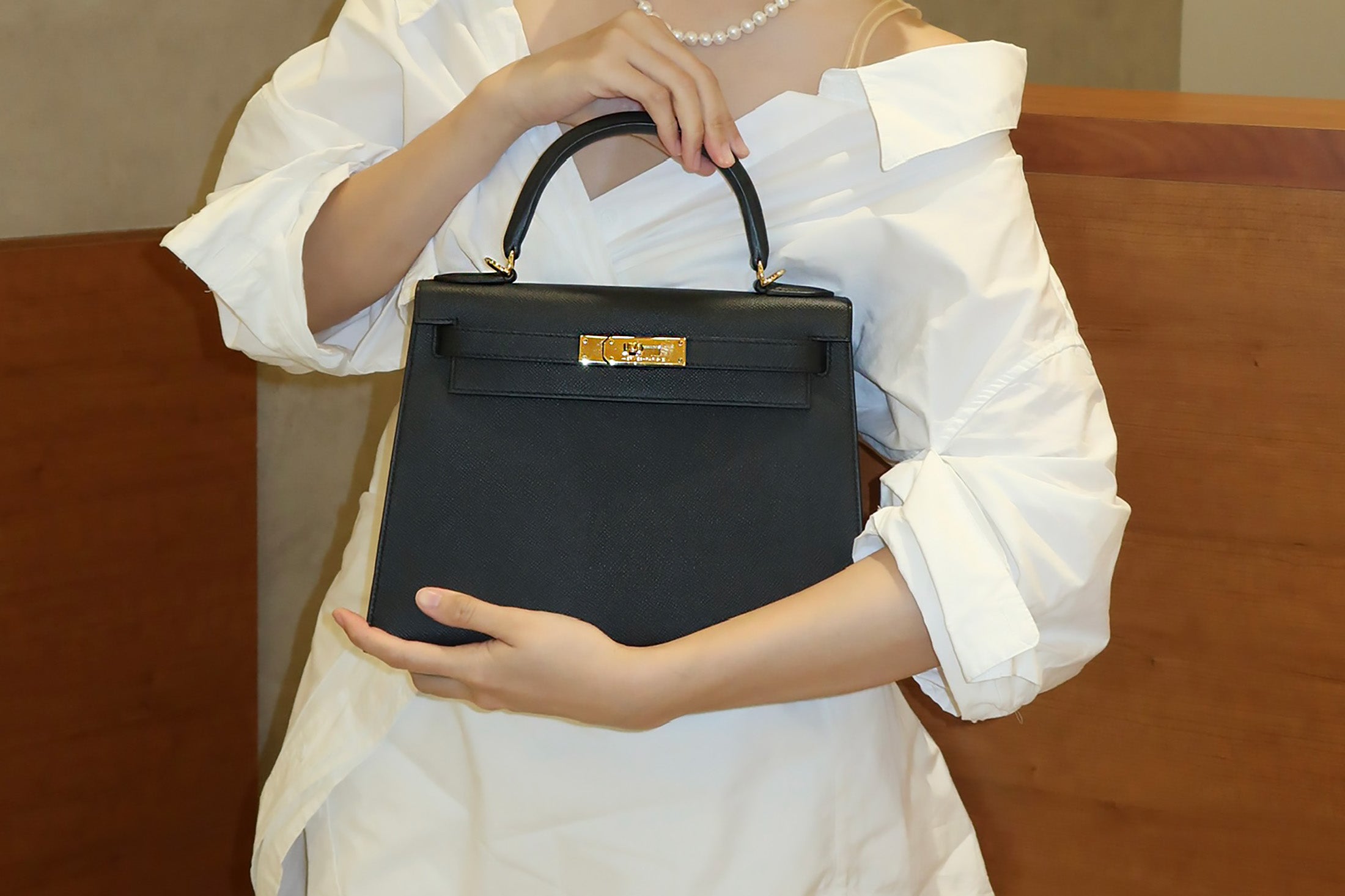
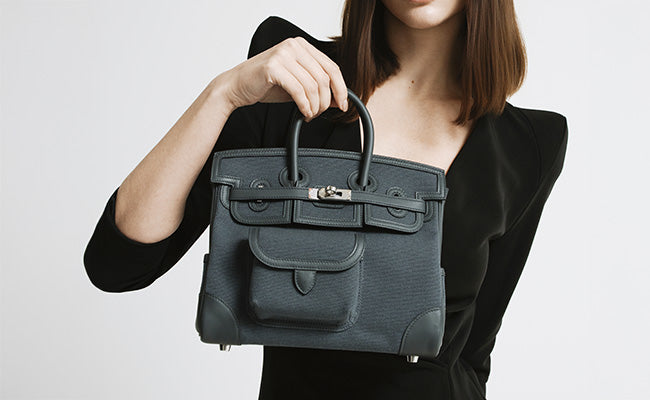
For anyone sending a Birkin, Kelly, or another luxury handbag across the Canadian border, the challenge extends beyond finding a courier. A shipment worth several thousand dollars requires careful documentation, appropriate insurance, protective packaging, and an understanding of Canadian import requirements.
One overlooked detail can become expensive. A carrier may accept your declared value without providing equivalent insurance coverage. An incomplete commercial invoice can delay customs clearance. Even a well-insured shipment may face a claim dispute if its condition was never documented before dispatch.
This guide explains how to prepare a designer handbag for shipment to Canada, what paperwork you may need, how to assess insurance, and which precautions matter when sending a bag for resale.
If you are researching Hermès resale options, you can also explore Rome Station's Hermès collection and Birkin bags for examples of the styles available in the Canadian luxury resale market.
Key Takeaways
- Accurate customs paperwork matters. Describe the handbag precisely, identify its country of origin, and use the correct customs valuation method to reduce avoidable clearance problems.
- Declared value is not necessarily insurance. Confirm that loss, theft, and damage are covered for the specific handbag, route, and shipping service before handing it to a carrier.
- Documentation and packing protect resale value. Photograph the bag, safeguard its accessories, use secure double-box packaging, and retain shipping and delivery records.
Choosing a Safe Shipping Method for a Luxury Handbag
The best shipping method depends on the handbag's value, destination, materials, and the carrier's acceptance rules. Premium service alone does not guarantee that a valuable bag will be fully protected.
Selecting a Carrier for High-Value Designer Bags
International courier services such as FedEx, UPS, and DHL Express are common options for cross-border parcels. Their international services may offer tracking, customs clearance assistance, and signature-required delivery, depending on the route and service selected.
Before choosing a carrier, confirm four details:
- Whether the service accepts luxury handbags at the intended declared value.
- Whether designer goods, jewelry, or other high-value merchandise are subject to special liability limits or exclusions.
- Whether signature confirmation or another controlled delivery option is available.
- Whether the courier handles Canadian customs clearance and what brokerage charges may apply.
Do not assume that a premium international service includes climate-controlled handling, dedicated security personnel, or specialized luxury-goods protection. These features should be verified individually rather than inferred from the service name.
For particularly valuable or delicate handbags, a specialist insured shipping provider may be worth considering if its terms explicitly cover the item.
When White-Glove or Dedicated Transport Makes Sense
Full-truckload shipping is generally designed for commercial freight volumes, not individual luxury handbags. It is rarely practical or economical for shipping one Birkin or Kelly.
Dedicated transport or white-glove handling may make sense for an extensive collection, multiple exceptionally valuable pieces, or a shipment that requires individually arranged custody and handling.
These arrangements should be evaluated according to their documented security procedures, insurance provisions, handover records, and customs responsibilities rather than descriptions such as premium or white-glove.
Tracking, Signatures, and Delivery Confirmation
Choose a tracked service with delivery confirmation and request a signature or identity-verified handover where available. A tracking number allows both sender and recipient to follow the shipment's progress, although tracking updates do not necessarily show its exact physical location.
Keep the tracking number, shipping receipt, carrier correspondence, and final delivery confirmation together.
When shipping to a reseller, confirm the receiving address, recipient name, delivery hours, and any special intake instructions before dispatch.
For a high-value shipment, delivery confirmation should be treated as one part of the evidence trail, not proof that the contents arrived without damage.
Canadian Customs Requirements for Designer Handbags
A luxury handbag entering Canada may be subject to customs examination, import duties, and applicable taxes. The requirements depend partly on whether the shipment is a commercial import, a personal item, or a bag being sent for evaluation or consignment.
Preparing an Accurate Commercial Invoice
A commercial invoice or equivalent customs document should clearly explain what is being shipped, why it is entering Canada, and who is involved in the transaction.
For example, a description such as "Hermès Birkin 35, Togo leather handbag, used, made in France" is more informative than simply "purse."
Include the following information where applicable:
- Sender and recipient names, addresses, and contact information.
- Brand, model, approximate size, material, and condition.
- Quantity and value of each item, with the currency clearly identified.
- Country of origin and appropriate Harmonized System classification.
- Purpose of shipment, such as sale, consignment, or evaluation.
- Shipping charges and the party responsible for customs costs, where required.
Use the correct customs value under Canadian import rules. A handbag's resale market price, original retail price, insurance value, and value for duty are not automatically interchangeable.
If the bag is being shipped for consignment without an immediate sale, confirm the appropriate valuation and declaration procedure with the carrier or customs broker.
How the Canada Border Services Agency Handles Imports
The Canada Border Services Agency (CBSA) administers customs requirements for goods entering Canada. Officials may review invoices, inspect packages, verify product classifications, assess duties and taxes, or request additional documentation.
For commercial imports, the importer of record must meet applicable registration and accounting requirements. Canada's CBSA Assessment and Revenue Management system, commonly called CARM, is used for commercial import accounting and payments.
Commercial importers generally need the appropriate business registration and import-export account. However, the exact responsibilities depend on the importer and the shipment arrangement.
Individual sellers should not assume they must establish a Canadian import account themselves. Confirm whether the Canadian recipient, reseller, courier, or another party will act as importer of record.
A licensed customs broker can be useful when a shipment involves substantial value, unusual ownership arrangements, exotic materials, or complex duty calculations.
Understanding Import Duties and Taxes
Import duty is determined by the product's tariff classification, origin, and eligibility for preferential tariff treatment. The fact that a handbag carries a French luxury brand name does not, by itself, establish its tariff treatment.
Leather handbags are generally classified within heading 4202 of the Customs Tariff, but the correct subheading depends on the bag's construction and materials.
Canada's federal Goods and Services Tax is generally 5% on taxable imports, while applicable provincial sales taxes or the Harmonized Sales Tax depend on the circumstances and destination.
Important: Customs value is governed by formal valuation rules. The price actually paid or payable is commonly the starting point for a qualifying sale for export, subject to the prescribed adjustments. Different rules may apply where there is no qualifying sale, including some consignment arrangements.
Never assume that an estimate based on the bag's original purchase receipt will be accepted without considering the actual import transaction.
Before shipping, request an estimate of duties, taxes, brokerage costs, and other applicable fees so that both parties understand the potential charges.
Documents Needed to Ship a Handbag to Canada for Resale
Good paperwork serves two purposes: supporting customs clearance and protecting the parties if questions arise about the bag's identity, ownership, condition, or value.
Commercial Invoice and Supporting Records
The commercial invoice should match the physical shipment and the carrier's electronic customs declaration.
Keep supporting records such as the original purchase receipt, resale agreement, or other documentation that explains the transaction and declared value.
Where available, retain clear photographs of identifying details, including relevant Hermès craftsmanship features, stamps, hardware, and distinguishing marks.
Hermès does not issue a universal authenticity card for its handbags. Therefore, sellers should not describe an authentication card as a standard document supplied with every genuine Hermès bag.
A third-party authentication report may support the resale process, but it does not automatically establish customs value or replace the required shipping documents.
Air Waybill, Shipping Label, and Packing List
For a handbag shipped by international courier, an air waybill or equivalent shipping record identifies the shipment and provides the carrier's transportation reference.
Check that the sender, consignee, package count, and shipping information correspond to the customs documents.
A packing list is particularly helpful when the shipment includes multiple bags or accessories. It can identify:
- The handbag and its model or identifying description.
- Detachable straps, locks, keys, clochettes, or other included accessories.
- Dust bags, boxes, receipts, and accompanying paperwork.
- Package quantities, dimensions, and weights.
A packing list is not necessarily a separate mandatory document for every courier parcel. Follow the requirements of the carrier and customs authority for the shipment.
When a Canada Customs Invoice Is Needed
Commercial shipments above the relevant Canadian customs documentation threshold may require the information prescribed for a Canada Customs Invoice.
For many commercial imports valued above CAD $2,500, the required invoice information may be supplied on a Canada Customs Invoice or a properly completed commercial invoice containing the prescribed details.
This means a separate Canada Customs Invoice is not automatically required in addition to every commercial invoice.
Check the CBSA's current invoicing requirements and the carrier's instructions before preparing the shipment.
Keep electronic copies of all customs and shipping documents. Commercial importers must also follow applicable Canadian recordkeeping requirements.
Shipping Insurance for Hermès and Other High-Value Handbags
Insurance deserves particular attention because a carrier's standard liability limits may be far lower than a luxury handbag's value. The important question is not simply how much coverage is advertised, but whether the policy actually covers the shipment.
Declared Value Versus Insurance Coverage
A declared-value option may increase the carrier's potential liability, but it should not automatically be treated as a conventional insurance policy.
Similarly, entering a high value on a customs form does not establish insurance coverage for that amount.
Before purchasing protection, verify:
- The maximum permitted coverage for the specific carrier and route.
- Whether used designer handbags are eligible.
- Whether theft, disappearance, and physical damage are covered.
- Any exclusions involving luxury goods, packaging, unattended delivery, or international transportation.
- The documentation and deadlines required for a successful claim.
Third-party transit insurance may be appropriate when carrier liability is insufficient, provided the insurer explicitly accepts the item and shipment details.
How to Document the Bag's Value
Insurers may require evidence supporting the value of a lost or damaged handbag. The necessary valuation basis depends on the policy.
Useful supporting evidence includes:
- Original purchase documentation, if available.
- Recent comparable sales involving the same model, material, and condition.
- A professional valuation when appropriate.
- Authentication findings and identifying photographs.
- A dated record of the handbag's condition and included accessories.
Rare colors, limited configurations, and unusual materials can make valuation more complicated. Even where a particular Birkin commands a substantial resale price, the amount recoverable after a loss depends on the policy's terms and limits.
Do not increase or reduce a declared value simply to influence premiums or customs charges. Each declaration should reflect the valuation requirements that apply to it.
What to Do If a Shipment Is Lost or Damaged
If a handbag arrives damaged or its tracking indicates a possible loss, contact the carrier and insurer promptly. Notification deadlines differ by service and policy.
Follow these steps:
- Photograph the outer packaging before discarding or opening it further, where possible.
- Document any damage to the handbag and accessories.
- Preserve the box, cushioning, labels, and damaged packaging.
- Collect the invoice, shipping receipt, tracking history, and insurance documents.
- Report the issue and follow the applicable claims procedure within the specified deadline.
Delivery delays are not automatically insured events. Coverage for delay-related expenses depends on the contract.
Claims can also require additional inspection or supporting evidence. Avoid relying on a promised standard settlement period unless it is stated in the relevant policy or service agreement.
How to Pack a Designer Handbag for International Shipping
Luxury leather can suffer scratches, pressure marks, creasing, moisture damage, or hardware impressions during transportation. Careful packing reduces these risks without placing unnecessary stress on the bag.
Protecting Leather, Hardware, and Accessories
Begin by photographing the handbag from multiple angles in good lighting. Capture the corners, handles, base, interior, hardware, and any existing signs of wear.
Gently remove loose surface dust with a suitable clean, soft cloth. Avoid applying unfamiliar leather cleaners or conditioners immediately before shipment.
Next, prepare the interior and exterior:
- Support the handbag's shape with clean, acid-free tissue paper without overstuffing it.
- Cover vulnerable hardware with soft, non-abrasive protective material.
- Secure detachable straps and accessories separately to prevent rubbing.
- Place the handbag inside a clean, breathable dust bag where appropriate.
- Keep receipts and supporting records protected from moisture and physical damage.
Do not allow bubble wrap or adhesive materials to rest directly against delicate leather finishes. Use an appropriate protective layer between the bag and synthetic packing materials.
Double-Boxing a Valuable Handbag
Double-boxing offers a practical way to reduce direct impacts during parcel transportation.
Place the protected handbag in a rigid inner box with enough cushioning to limit movement. If using an original branded box, surround it with appropriate protective material rather than relying on the retail box as the shipping container.
Place the inner box inside a sturdy outer carton, with cushioning between the boxes on all sides.
The outer container should be strong enough to resist normal shipping pressure without collapsing or transferring force to the handbag.
Seal the package securely using suitable packing tape. A discreet, plain outer carton is preferable to packaging that prominently advertises an expensive luxury item.
Packing Mistakes That Can Damage a Bag
Several common shipping shortcuts can cause damage that affects a handbag's resale condition.
- Overstuffing: Excessive filling can distort the leather or place pressure on seams.
- Direct plastic contact: Non-breathable wrapping can trap moisture and may interact poorly with delicate finishes.
- Unprotected hardware: Locks, chains, zippers, and clasps can leave scratches or impressions.
- Loose packing: Excessive movement inside the box increases the risk of impact damage.
- Newspaper padding: Ink and rough paper surfaces may transfer color or abrade the leather.
- Vacuum sealing: Compression can permanently alter the shape of a structured handbag.
For delicate exotic leathers or unusually valuable pieces, discuss handling requirements with the receiving specialist before selecting packaging or a shipping method.
Canadian Import Restrictions and Resale Compliance
Most ordinary leather handbags can enter Canada when properly declared, but special materials, counterfeit goods, and commercial sales arrangements may introduce additional legal requirements.
Exotic Leather and CITES Requirements
Handbags made from certain crocodilian, python, or other wildlife-derived materials may be subject to the Convention on International Trade in Endangered Species of Wild Fauna and Flora (CITES).
Whether permits or exemptions apply depends on the species, origin, shipment circumstances, and applicable Canadian and exporting-country rules.
An authentic Hermès bag is not automatically exempt from wildlife-trade restrictions.
Before shipping exotic leather, identify the material as precisely as possible and consult Environment and Climate Change Canada's CITES guidance, as well as the relevant authorities in the exporting country.
Do not dispatch the bag until the necessary documentation and border procedures are confirmed.
Counterfeit Goods and Accurate Product Descriptions
Canadian border authorities can take action against suspected counterfeit merchandise under applicable intellectual property laws.
Accurate descriptions, legitimate ownership records, and credible authentication documentation can help resolve questions about an item's identity, although none guarantees immediate customs clearance.
For resale, describe the handbag's model, condition, materials, and included accessories accurately. Avoid representing replacement components as original or describing a used bag as unworn when the condition does not support that claim.
Clear disclosure protects the buyer and can reduce disputes during the resale process.
Sales Tax, Business Registration, and Recordkeeping
Import taxes and taxes on a subsequent Canadian sale are separate issues. The applicable rules depend on who imports the handbag, who sells it, and whether the seller is carrying on a taxable commercial activity.
For Canadian businesses, the general GST/HST small-supplier threshold is CAD $30,000 in taxable supplies over the relevant measurement period, subject to specific rules and exceptions.
Provincial sales tax registration requirements may differ, and the GST/HST threshold does not determine every provincial obligation.
Businesses should retain relevant import documents, sales records, receipts, and supporting transaction information for the periods required under applicable tax and customs laws.
Individual sellers considering a one-time transaction should confirm their obligations rather than assuming that the rules for an established resale business apply in exactly the same way.
Preparing a Handbag for Sale After Shipping to Canada
Once shipping, customs, and insurance arrangements are clear, the final step is to prepare the handbag for a smooth resale evaluation. Establishing expectations in advance helps avoid disagreements after delivery.
Confirming the Receiving Party's Requirements
Before sending a valuable handbag, ask the Canadian reseller or receiving party what documentation and packaging they require.
Confirm whether the handbag is being purchased outright, evaluated for a possible offer, or accepted under a consignment arrangement.
These distinctions matter because ownership, payment timing, return shipping, and import responsibilities can vary between arrangements.
Request written instructions covering the shipping address, insurance expectations, customs declaration, and process if the handbag is not accepted.
Creating a Condition and Accessory Record
Prepare an inventory of the handbag and everything included in the shipment. Record the model, size, color, material, apparent condition, and any known repairs or alterations.
Photograph both the bag and its accessories before packing. For a Birkin or Kelly, relevant accessories might include a lock, keys, clochette, detachable strap where applicable, dust bag, and original box.
Not every genuine handbag includes every accessory, and missing packaging does not automatically establish a problem with authenticity.
Save the final inventory alongside the shipping receipt and provide the receiving party with a copy where appropriate.
Clarifying Customs Costs and Return Shipping
Before the parcel leaves the country of origin, establish which party will pay international transportation, import duties, taxes, brokerage fees, and potential return-shipping costs.
Delivered Duty Paid arrangements generally place agreed import-related obligations on the seller, while other delivery terms allocate responsibilities differently. The arrangement must be appropriate for the transaction and supported by the carrier.
If the handbag is being shipped only for assessment, clarify what happens if the recipient declines to purchase or consign it.
That conversation should take place before dispatch, not after the handbag has arrived at the Canadian border.
Final Thoughts
Shipping a luxury handbag to Canada for resale is manageable when the carrier, insurance, customs valuation, and receiving arrangements are confirmed in advance. Careful photographs, accurate paperwork, and secure packaging protect both the handbag and the evidence needed if complications arise.
If you are considering selling a Hermès handbag in Canada, contact Rome Station to discuss an initial quote and the appropriate next steps before arranging shipment.
Fact Check and Data Sources
The following official Canadian government sources provide guidance on customs declarations, tariff classification, commercial imports, taxation, and protected wildlife materials:
- Canada Border Services Agency (CBSA): Commercial importing procedures, customs valuation, invoicing requirements, and the CBSA Assessment and Revenue Management system.
- Canada Revenue Agency (CRA): GST/HST registration requirements, small-supplier rules, and business recordkeeping.
- Environment and Climate Change Canada: CITES permits and wildlife-trade restrictions affecting protected animal materials.
Carrier liability limits, insurance eligibility, import charges, and documentation requirements must be confirmed for the individual shipment. This guide provides general information rather than a binding customs or insurance determination.
Frequently Asked Questions
Can I ship a used Hermès Birkin to Canada for resale?
What customs documents are required when shipping a luxury handbag to Canada?
How much import duty will I pay on a designer handbag entering Canada?
Does declared-value shipping fully insure a Hermès handbag?
Do exotic-leather handbags require additional permits to enter Canada?
Can I sell my Hermès handbag to Rome Station from outside Canada?
What information should I provide Rome Station to request a quote for my handbag?
Love Hermès? See More from Rome Station
Add us to your Preferred Sources on Google to see our newest Hermès guides and insider tips first.