


In‑Person Hermès Evaluation: How Pros Authenticate and Grade Your Bag
TL;DR
An in-person Hermès evaluation combines authentication, condition grading, and resale assessment through a physical inspection of the bag. Specialists examine the leather, stitching, hardware, stamps, construction, and available provenance records before documenting their findings. For sellers, understanding each stage helps clarify how authenticity, condition, and market demand influence the final offer and payout.
Thinking about selling your Hermès Birkin, Kelly, or another handbag? Before accepting an offer, you may want to know how an evaluator determines whether your bag is authentic, how its condition affects its value, and whether the quoted price will remain the same through the sale.
An in-person evaluation gives a specialist the opportunity to inspect details that photographs cannot fully capture. The process typically begins with intake and documentation, continues with authentication and condition grading, and concludes with a resale assessment and an explanation of the proposed offer.
Knowing what happens at each stage helps you prepare your bag, provide relevant documentation, and understand the difference between an authentication result, a condition grade, and a purchase offer.
Key Takeaways
- Professional Hermès evaluations combine physical authentication with a documented assessment of the bag's condition and identifying details.
- Leather, stitching, hardware, stamps, construction, provenance, and signs of wear all contribute to the evaluation, but no single feature proves authenticity on its own.
- Before accepting an offer, confirm the final price, any applicable fees or deductions, the payment method, and the conditions for receiving your payout.
Why an In-Person Hermès Evaluation Matters
A physical evaluation helps establish what a seller has, what condition it is in, and what information a prospective buyer needs before proceeding. These are related but distinct questions: authentication assesses whether the bag is genuine, condition grading documents its wear, and valuation estimates what it may sell for in the current market.
Authentication and Condition Are Different Assessments
A genuine Hermès bag can have significant wear, while a bag that looks pristine may still require careful authentication. An evaluator should document both findings rather than treating excellent condition as proof of authenticity.
Condition can affect resale value through visible factors such as worn corners, darkened handles, scratches, discoloration, interior marks, odors, and missing accessories. The impact depends on the severity of the issue, the bag's model and materials, and the preferences of potential buyers.
Physical Inspection Adds Useful Evidence
Handling the bag allows an evaluator to assess its structure, material texture, hardware feel, and construction alongside visible details. Magnification and suitable lighting can help reveal stitching irregularities, stamp characteristics, repairs, and surface damage that may be difficult to assess in photographs.
These observations must be considered together. Handmade construction can produce natural variations, and normal wear can alter the appearance of genuine components. A reliable conclusion depends on the full body of evidence, not an isolated detail.
The In-Person Hermès Evaluation Process
A well-organized evaluation should follow a clear sequence: intake, authentication, condition grading, valuation, quote confirmation, and payout approval. The exact procedure varies by service, so sellers should ask which steps are included before handing over their bag.
Step 1: Intake and Documentation
The evaluator records the bag's identifying characteristics, which may include its model, size, color, leather, hardware, and visible stamps. Photographs of the exterior, interior, corners, handles, hardware, and identifying marks establish a record of the bag's condition at intake.
Bring any available purchase receipt, original box, dust bag, accessories, repair records, or previous authentication documentation. These materials can help establish the bag's history, although their presence does not independently prove authenticity.
Be prepared to explain when and where you acquired the bag, whether it has been repaired, and whether any components have been replaced. Accurate disclosure helps the evaluator interpret the physical evidence and identify questions that require further review.
Step 2: Authentication and Physical Inspection
The specialist examines the bag's construction, stitching, leather, hardware, stamps, and overall consistency with the relevant model and production period. Depending on the case, the evaluator may use magnification, reference materials, or additional verification methods.
Important areas include:
- Stitching and construction: The evaluator examines stitch formation, tension, seam quality, and the way components are assembled.
- Leather and materials: Texture, grain, flexibility, finish, and signs of deterioration are assessed in the context of the claimed material.
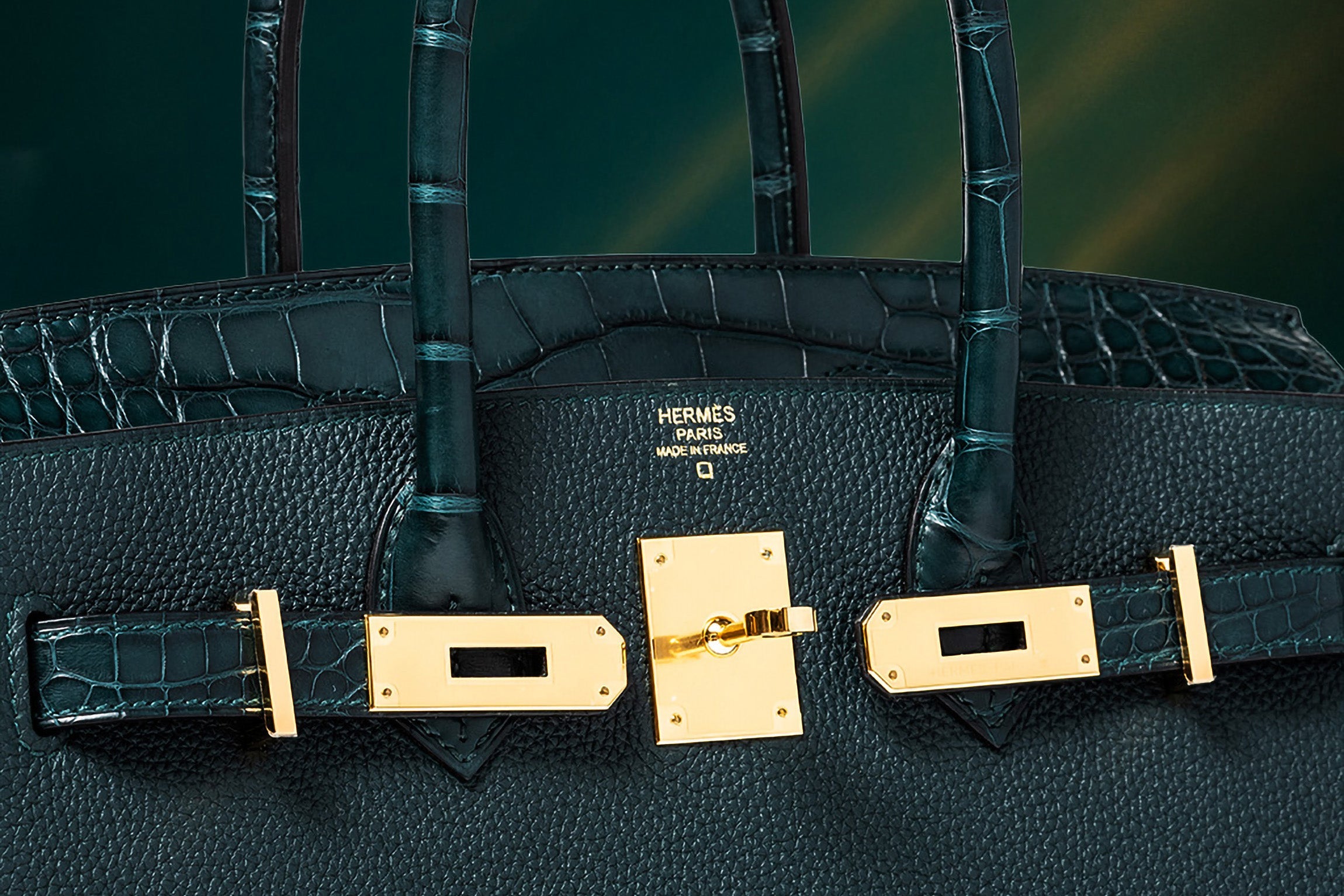
- Hardware and engravings: The finish, markings, component construction, and functional condition are reviewed.
- Stamps and identifying marks: Their format, placement, and characteristics are considered in relation to the model and production period.
- Overall consistency: The evaluator compares the bag's details with established characteristics rather than relying on one supposedly definitive sign.
No single stamp, engraving, smell, stitch pattern, or accessory can reliably establish authenticity by itself. If evidence is inconclusive, ask whether the evaluator will conduct additional checks or decline to provide a definitive conclusion.
Step 3: Condition Grading
Once the authentication assessment is complete, the evaluator documents the bag's physical condition. Some services use named grades, while others provide a written description of wear. There is no single universal grading scale used by every evaluator, so the definitions should be explained before a grade is assigned.
- Pristine or new: Little or no evidence of use, subject to the evaluator's grading criteria.
- Excellent: Minimal wear with the bag retaining a well-preserved appearance.
- Very good: Light, visible signs of use that do not substantially affect the overall presentation.
- Good: Noticeable wear or minor defects that may influence the offer.
- Fair: More substantial wear, damage, or condition concerns that may require restoration or affect resale prospects.
These descriptions are illustrative rather than standardized definitions. A useful evaluation identifies the specific findings behind the grade, including corner wear, handle condition, hardware scratches, interior stains, color transfer, odors, structural changes, and previous repairs.
Step 4: Resale Valuation
After documenting authenticity and condition, the evaluator estimates the bag's potential resale value. This is a separate decision from authentication because a genuine bag's market value depends on more than its craftsmanship or original retail price.
The assessment may consider the model, size, leather, color, hardware, age, condition, accessories, provenance, current demand, and available comparable sales. Rare specifications may attract interest, but rarity alone does not guarantee a higher offer.
Ask whether the quoted amount is a direct purchase price, a consignment estimate, or another type of valuation. A direct purchase offer and an estimated future selling price are not interchangeable: consignment proceeds may depend on the eventual sale price and applicable fees.
Step 5: Quote Confirmation and Seller Approval
Before proceeding, the seller should receive a clear explanation of the proposed price and the findings that support it. If the quote differs from an earlier estimate, the evaluator should identify the reason, such as a newly documented condition issue, an authentication concern, or a change in the agreed transaction terms.
Confirm the following details before accepting:
- The final purchase offer or estimated consignment proceeds.
- Any fees, commissions, shipping costs, or other deductions that apply.
- Whether the offer can change after inspection and under what circumstances.
- How long the offer remains valid and whether accepting it transfers ownership.
- The payment method, expected processing time, and any required seller verification.
If you disagree with the assessment, request clarification before approving the transaction. You should understand the reason for any price adjustment and have an opportunity to decide whether to proceed under the revised terms.
Step 6: Approved Payout and Transaction Records
For a direct purchase, payout should follow the seller's acceptance of the final offer and completion of the service's required verification and transaction procedures. The precise timing depends on the agreed terms and the provider's process.
Before handing over the bag permanently, retain the evaluation record, agreed price, transaction confirmation, and any applicable terms. Confirm whether the provider requires identity verification or additional documentation and make sure you understand when payment is considered complete.
Consignment works differently. The bag is generally marketed for sale, and payment to the owner follows the agreed settlement terms rather than occurring automatically when the initial evaluation is completed. Ask how the final selling price, fees, and payout date will be calculated.
What Professionals Examine on Hermès Bags
Authentication depends on the relationship between a bag's identifying details, materials, construction, and production context. Knowing the main inspection areas can help sellers understand the evaluation without attempting to authenticate the bag themselves.
Hardware and Engravings
Evaluators inspect the finish, markings, edges, and construction of locks, keys, clasps, zipper pulls, and other metal components. They consider whether these features are consistent with the particular model and period.
Wear, scratches, tarnishing, or differences in appearance do not automatically indicate a counterfeit. Hardware can age, be replaced, or show evidence of use, so the findings must be interpreted alongside the rest of the bag.
Blind Stamps and Other Identifying Marks
Blind stamps and other markings can provide information relevant to a bag's production period and construction. Their format and placement have varied over time, so they should be assessed against appropriate references for the specific model and era.
A stamp that appears unusual warrants further investigation, but a stamp that looks correct is not conclusive proof of authenticity. Sellers should avoid drawing conclusions from online stamp charts without considering the full context.
Stitching and Craftsmanship
The evaluator studies stitch formation, spacing, tension, seams, and the quality of the assembly. Handmade construction can result in small variations, and these should not automatically be treated as defects or evidence of counterfeiting.
Particular attention may be given to handles, corners, closure tabs, and other areas that experience frequent handling. Loose threads, altered seams, or repairs should be documented because they can affect both condition grading and resale value.
Leather, Structure, and Interior Condition
Different Hermès leathers have distinct textures, firmness, and aging characteristics. The evaluator considers whether the material appears consistent with the bag's stated specification and checks for cracking, dryness, staining, discoloration, and changes in shape.
Interior surfaces, pockets, lining, edge finishes, and the base are also inspected. Water damage, pen marks, persistent odors, and poorly executed repairs can influence the condition grade even when they do not settle the authentication question.
How Evaluation Differs Across Hermès Models
Although the broad evaluation process is similar across the collection, each model has its own construction and design details. The evaluator should use model-specific references rather than applying one checklist identically to every bag.
Birkin and Kelly Bags
Birkin and Kelly bags differ in their handle configuration, closure, structure, and intended carrying options. Their hardware, seams, handles, and closure components should therefore be examined in the context of the specific model.
Condition assessments should also reflect how the bag has been used. Handle darkening, corner wear, closure wear, and changes in structure may affect the overall grade and should be recorded separately where relevant.
Leather and Exotic-Skin Variations
Togo, Clemence, and Epsom have different surface textures and structural characteristics. A specialist should know which material is claimed and assess it accordingly instead of treating a single texture or level of firmness as a universal standard.
Exotic-skin bags require particular care because material identification, surface condition, and applicable handling requirements can differ from those of standard leather bags. Any unusual markings or material concerns should be reviewed in context rather than judged through a single visual shortcut.
In-Person Versus Digital Authentication
In-person and digital services can serve different needs. A physical inspection allows direct examination of the bag, while a digital assessment relies on submitted photographs, video, or specialized imaging, depending on the service.
When In-Person Evaluation Makes Sense
An in-person assessment is useful when you want authentication and condition grading together, need a documented inspection before selling, or have a bag with unusual materials or condition concerns. It can also help clarify questions that photographs alone cannot resolve.
When Digital Assessment May Be Suitable
Digital assessment can be practical when the seller and evaluator are in different locations or when an initial review is needed before arranging an in-person appointment. Results depend on the service's method and the quality and completeness of the submitted evidence.
Neither format should be assumed to offer the same scope, documentation, or protection. Before paying for a service, confirm its methodology, limitations, deliverables, and any terms covering inconclusive results.
How to Prepare Your Hermès Bag for Evaluation
A little preparation helps the evaluator document the bag accurately and reduces the likelihood of avoidable delays. The goal is to present the bag as it is, not to conceal wear or make alterations before inspection.
- Gather available documentation: Bring receipts, purchase records, repair history, and previous authentication reports if you have them.
- Collect included accessories: Bring the dust bag, box, lock, keys, strap, clochette, and other original components that belong with the bag.
- Disclose repairs and alterations: Explain any replaced hardware, professional restoration, or other changes you know about.
- Avoid aggressive cleaning: Unapproved products or home treatments can damage leather, finishes, and hardware.
- Photograph the bag before intake: Keep your own dated images of its exterior, interior, accessories, and existing wear.
- Ask about the process: Confirm appointment requirements, inspection fees, handling procedures, and what happens if the bag cannot be authenticated.
Missing paperwork or accessories do not automatically mean a bag is inauthentic. However, the evaluator may need to rely more heavily on the bag's physical characteristics and may account for missing components when assessing resale value.
Final Thoughts
An in-person Hermès evaluation should leave you with a clear understanding of your bag's authentication result, documented condition, and proposed selling terms. If you're considering selling, explore the Hermès collection at Rome Station and ask about the evaluation and selling process before deciding on your next step.
Fact Check and Data Sources
This article describes general evaluation practices and distinguishes authentication, condition grading, valuation, and payout procedures. Evaluation methods, grading terminology, fees, and settlement timelines vary by service and should be confirmed directly with the provider. No universal condition scale or single physical feature can independently establish the authenticity of every Hermès bag. For model-specific details and official brand information, consult the official Hermès website.
Frequently Asked Questions
What happens during an in-person Hermès evaluation?
Does a Hermès authentication certificate guarantee a higher resale price?
Can a genuine Hermès bag fail a condition evaluation?
What should I do if the final offer is lower than the initial quote?
How long does an in-person Hermès evaluation take?
Do I need the original receipt or box to sell my Hermès bag?
When will I receive payment after selling my Hermès bag?
Love Hermès? See More from Rome Station
Add us to your Preferred Sources on Google to see our newest Hermès guides and insider tips first.