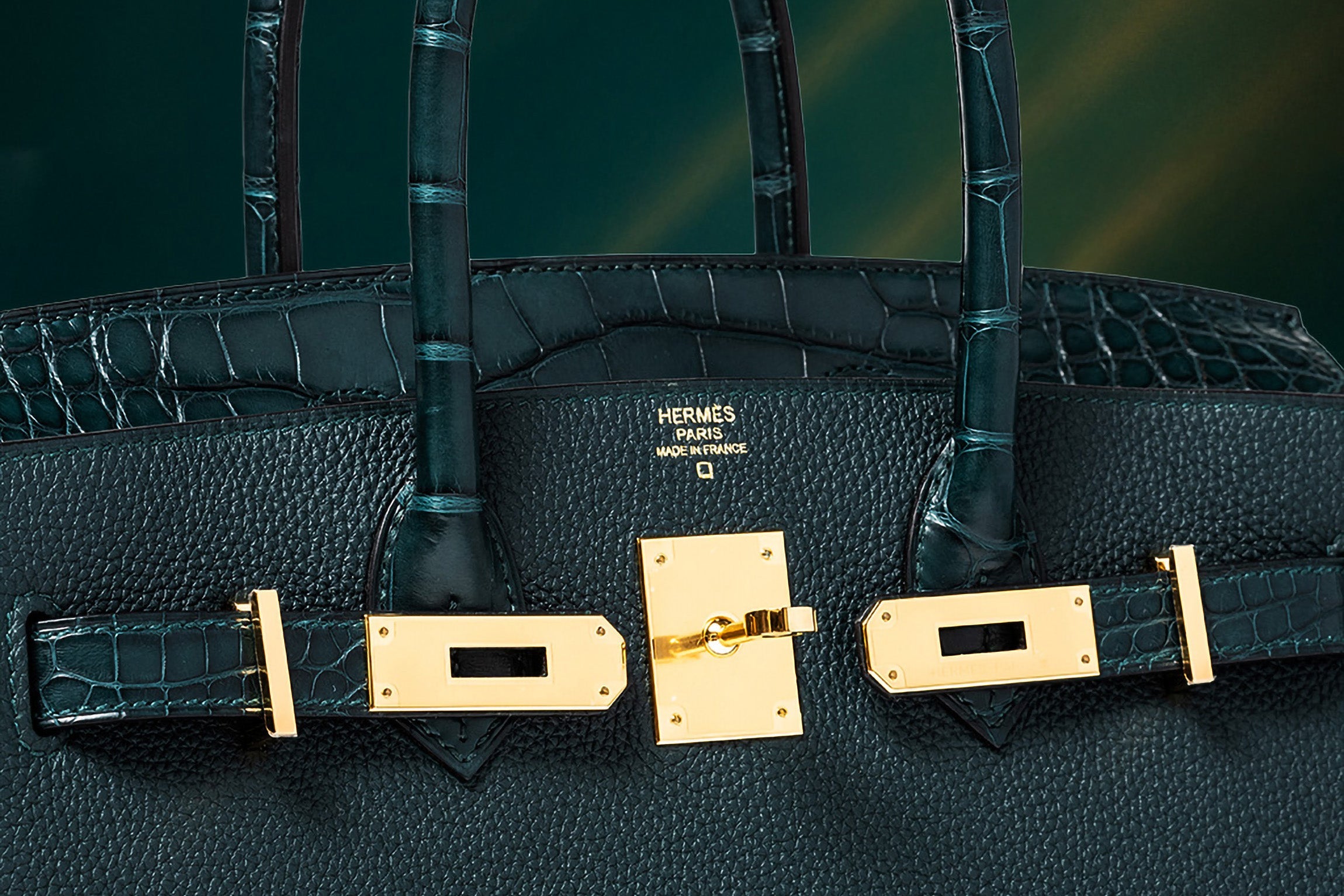
Hermès DOM Strategy: When to Hold a Birkin vs. When to Take a Solid Offer
Check out our Hermès collection and Birkin bags!
Getting offered a Birkin is just the beginning of the Hermès game. After jumping through hoops, building up your purchase history, connecting with sales associates, and finally landing that coveted quota bag, a new question pops up: should you keep it or cash out?
Whether you hold or sell your Birkin comes down to how much you love the bag, what the market’s doing, and if the offer on the table really makes it worth letting go of something you worked so hard to get.
We’ve all heard the tales: Birkins outperforming stocks, gold, maybe even real estate. But the Hermès market isn’t like tossing money into the S&P.
There’s a rhythm to the pre-owned luxury world, and knowing when to hold on or take a solid offer means weighing both the numbers and your own lifestyle.
This isn’t just about flipping Birkins for a quick buck. It’s about making choices that fit your goals, are you building a collection you’ll love forever, or rethinking your luxury stash?
Let’s dig into what actually matters when you’re deciding your next move.
Key Takeaways
- Weigh your personal attachment to the Birkin against what the market’s offering and what it took to get there.
- Hermès relies on exclusivity and scarcity, which can push resale values well above retail.
- Think about both the money and your lifestyle, your connection to the brand, collecting ambitions, all of it.
Essentials of Hermès and the Birkin Bag
Hermès spent almost 200 years perfecting its reputation, balancing obsessive craftsmanship with a tight grip on supply. The Birkin is the ultimate example of this, and its origin story and how it’s made both shape how people treat it as an investment.
Hermès Brand Heritage and Legacy
Back in 1837, Hermès started as a Parisian harness shop, making leather goods for European nobility. Even as they expanded into fashion, they clung to their roots, handmade quality, the best materials, nothing rushed.
They’re still family-run, with the sixth generation calling the shots. This independence lets them focus on protecting the brand for the long haul, not just chasing quarterly profits. Hermès is now worth more than Nike, yet they purposely keep production low to stay exclusive.
Leather goods bring in most of their revenue, and the Birkin and Kelly drive traffic for everything else, scarves, homeware, you name it. If the Birkin lost its appeal, the ripple would hit the whole brand.
Origins of the Birkin Bag
The Birkin was born in 1984, thanks to a chance meeting between Hermès CEO Jean-Louis Dumas and Jane Birkin on a flight in 1981. Jane complained she couldn’t find a good leather weekend bag, practical but still chic.
Dumas scribbled a design right there on an airline sick bag. It mixed Hermès’ structured style with something more relaxed and roomy, with dual handles, big interior, the works.
Jane Birkin didn’t get royalties for ages. Eventually, she got a small annual payment and a charity donation, but really, the bag’s success came from Hermès’ careful distribution, not celebrity hype.
Craftsmanship and Artisanal Excellence
Every Birkin is handmade start to finish by a single artisan, usually taking 18 to 24 hours. Hermès trains its craftspeople for years before they’re trusted with bags on their own.
They use saddle-stitching, two needles, waxed linen thread, which holds up way better than machine stitching. If one stitch pops, the rest stay put. Artisans only juggle a couple of bags at a time, never rushing.
Hermès sources exotic skins like alligator, crocodile, and ostrich through tightly controlled channels. Every hide gets inspected, and anything less than perfect is tossed, no matter the cost. This relentless focus on quality is why Birkins tend to appreciate, not depreciate, like most luxury goods.
Understanding Exclusivity, Scarcity, and Quota Bags
Hermès doesn’t sell Birkins like other brands sell bags. Their strict controls create the whole mystique, and the headache, for collectors. The quota system, scarcity, and ironclad exclusivity mean you can’t just walk in and buy one without knowing the game.
Exclusivity and the Allure of the Birkin
The Birkin isn’t just pricey, it’s elusive, and that’s the secret sauce.
Hermès’ name is built on slow, precise craftsmanship. Each bag takes 18 to 24 hours, made by one artisan from start to finish. No assembly lines here. It’s all about deliberate, careful work.
They refuse to ramp up production, even though demand is nuts. Unlike other luxury houses that chase trends, Hermès keeps it tight. No online orders, no official waitlists. You can’t just sign up and expect a call.
This is what economists might call artificial scarcity, but at Hermès, it feels more like brand self-preservation. The exclusivity keeps the Birkin as a status symbol, something you earn, not just buy. Anyone with cash can get a fancy bag somewhere else. At Hermès, you need patience, relationships, and a bit of luck.
Quota Bag System Explained
Hermès limits clients to two quota bags per year, usually one every six months. Quota bags mean Birkins and Kellys, the top of the food chain.
Here’s the gist:
- No guarantees: Even with a good purchase history, you’re never promised a quota bag.
- Sales associates hold the keys: Your SA decides if you get an offer.
- Global tracking: Buy in Paris? It counts against your quota in New York.
- Purchase history counts: People who buy non-bag stuff (scarves, jewelry, shoes) get priority.
There’s no official rulebook. Each boutique tweaks the system a bit. Smaller shops in quieter cities sometimes offer better odds than the big flagships.
You don’t get to custom order. When your SA offers a quota bag, it’s usually “take it or leave it” based on what’s in stock.
Scarcity as a Strategic Tool
Hermès leans into scarcity to keep its prestige (and prices) high. By holding back supply, they make sure Birkins go up in value, not down.
This helps the resale market too. Birkins often fetch more than retail, which only adds to their investment rep. Hermès watches out for “flippers” and may blacklist clients who treat the brand like a stock market.
Scarcity also changes the dynamic. We aren’t just shoppers, we’re relationship-builders, showing loyalty and patience. That emotional investment is part of the appeal.
Sales associates don’t earn commission on quota bags, so they’re not hustling for every sale. Instead, they curate their client lists, rewarding true fans over opportunists.
The Dealer-Oriented Market (DOM) for Hermès: How It Works
The Hermès world has two layers: the primary market (boutiques, with their relationship hoops) and the secondary market (resale, where prices can be 50% to 300% over retail).
Primary Market: Hermès Boutiques
Getting a Birkin or Kelly from a boutique isn’t a simple purchase. Sales associates have a lot of power in deciding who gets offered the top bags. Your relationship with your SA is everything.
You can’t just walk in and buy a Birkin off the shelf. You have to “play the Hermès game”, build up a purchase history in other categories (scarves, jewelry, home goods) before you even get a shot. Some boutiques have unofficial spend thresholds, though Hermès never admits it.
What helps your odds:
- How much and how long you’ve bought from your SA
- How often you visit
- If you buy across different categories
- Where you shop (some cities are tougher than others)
The boutique route is the safest way, guaranteed authentic, retail pricing (which can be anywhere from $10,000 to $50,000+ depending on the bag).
Secondary Market: Resale and Auction Houses
The secondary market for Hermès bags is a different animal. Birkins routinely go for double retail, and rare exotics can fetch three or four times what someone paid at the boutique. These aren’t bags that lose value, they gain it.
Resale sites and auction houses give you instant access, no need to schmooze SAs or build purchase history. Of course, you pay for that convenience. You’ll find colors, leathers, and hardware combos you might never get offered at a boutique.
What pushes secondary prices:
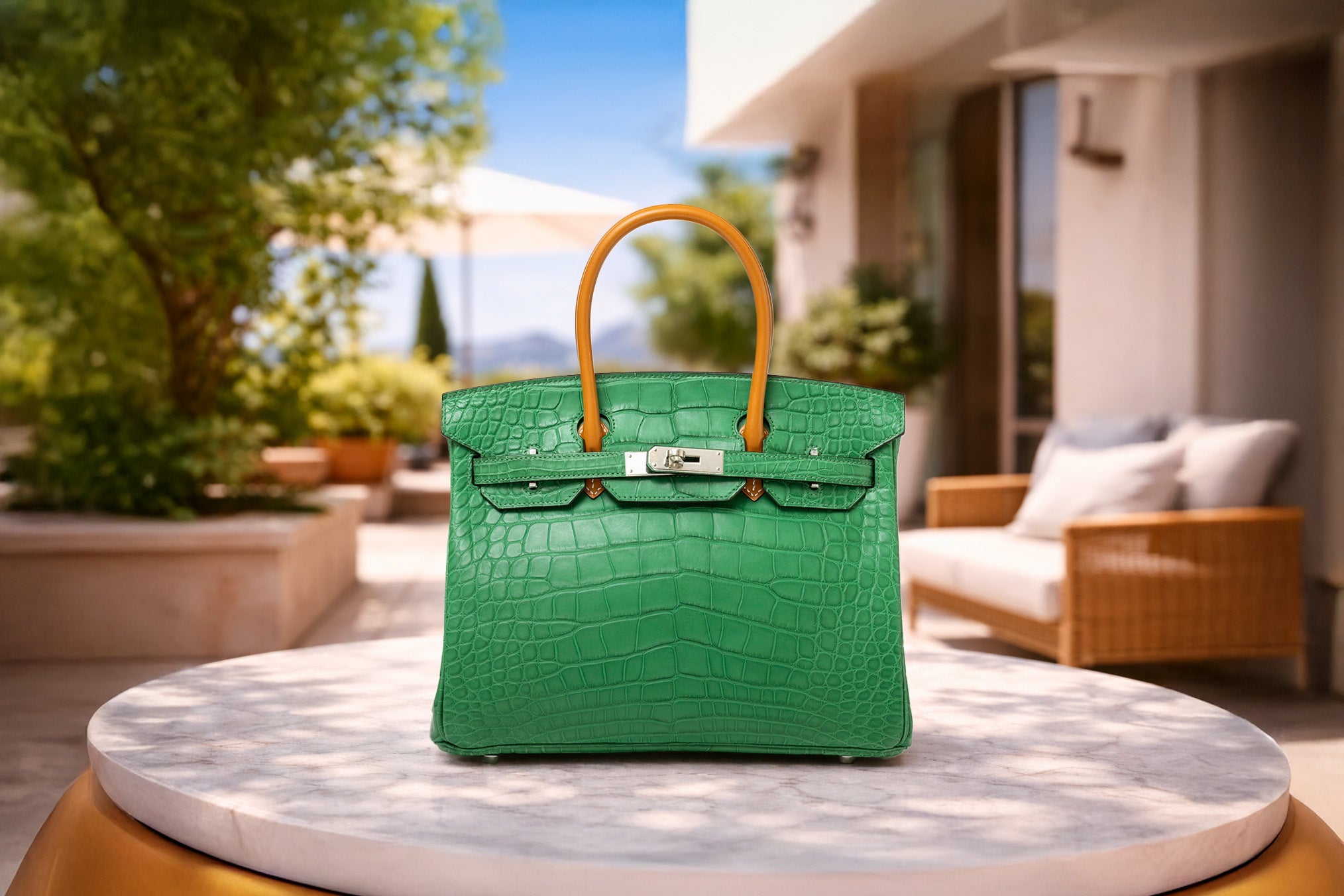
- Exotic leathers (alligator, crocodile, ostrich)
- Rare or “it” colors
- Special hardware (rose gold, brushed palladium)
- Condition, year of production
- Having the original receipt and authentication
Authentication is huge. Stick with established dealers, Hermès counterfeits are everywhere.
Navigating DOM Opportunities
You have to weigh what matters most: your goals, your patience, your timeline. If you want the best deal and can wait, building a boutique relationship is the way to go. If you want a specific bag right now, the secondary market is your friend (if you don’t mind the markup).
It’s really a time vs. money thing. Boutique relationships can mean 6-18 months of buying before you get an offer. Secondary market? You could have your dream bag in a week, but at a price.
Quick DOM decision guide:
- Boutique: For patient collectors, retail pricing, building a long-term relationship
- Secondary: For specific wants, instant gratification, rare or discontinued pieces
- Hybrid: Keep up your boutique relationship, but grab special bags on the resale market
Market swings matter too. In shaky economies, secondary prices can dip a bit, good time to buy. If a color or leather gets discontinued, prices can skyrocket overnight.
Strategic Considerations: When to Hold Your Birkin
Holding onto a Birkin isn’t just sentiment, it’s about reading the market, knowing which models really climb in value, and figuring out when patience pays off more than a fast sale.
Market Trends and Appreciation Rates
Over the last decade, Birkins have beaten out stocks and gold in returns. Most standard models gain around 14-17% a year, and rare ones can hit 25% or more.
Right now, holding makes sense. Birkins priced from $12,000 to $450,000 just keep climbing, thanks to Hermès’ tight production and quota systems.
The luxury handbag market isn’t slowing down. Hermès’ slow, traditional production keeps demand high and supply low, so prices keep rising.
What drives appreciation:
- Limited production
- Growing demand from global buyers
- Rising brand prestige
- Status as an “investment” asset
Iconic and Rare Models Worth Holding
Not every Birkin is a goldmine. The ones to hold? Himalaya Birkins with diamond hardware, they’ve sold for $200,000 to $450,000 at auction. That’s the top tier.
Exotic skins like crocodile, alligator, and ostrich consistently outpace standard leathers. They usually appreciate 20-30% faster than Togo or Clemence.
Watch for limited editions and discontinued colors. When Hermès stops making a color or launches a special collab, those bags get scarce fast and often double in value within a few years.
Size matters, too. The 25cm and 30cm Birkins do best, they’re more versatile and in higher demand than the big ones.
Timing the Market for Maximum Value
Hold onto your Birkin when the market’s heating up. Recent auction records and Hermès retail price hikes usually mean it’s not the best time to sell.
Keep an eye on price increases. Hermès bumps up prices every year, so your bag’s value rises, too. Selling right before a price hike? That’s leaving money on the table.
Age counts. Birkins often need a few years, three to five, to really hit their stride. Vintage bags from the ’80s and ’90s command premiums because of their craftsmanship and nostalgia.
Surprisingly, economic downturns don’t hurt Birkins much. They’ve stayed strong, sometimes even rising, when other investments dip. If the market’s shaky, it’s usually smarter to wait it out than panic-sell.
Knowing When to Sell: Taking the Right Offer
Selling a Birkin isn’t about panic or impulse, it's about recognizing when the numbers make sense and when market conditions align with your financial goals. The best sellers know how to spot genuine value, read market timing, and treat their bags as liquid assets within a broader luxury portfolio.
Spotting a Solid Offer
A solid offer usually lands about 15-25% above what you paid at retail, assuming we're talking standard leather and neutral colors. Special editions or exotic skins? Those can fetch much higher, sometimes 50-100% premiums if the material or color combo is truly scarce or discontinued.
Legit offers tend to come with immediate payment, a clear authentication process, and upfront fee breakdowns. If a private buyer wants to skip inspection or rush authentication, that's a red flag. Reputable auction houses and established resellers will give you a detailed condition report and handle authentication with real experts.
Net proceeds matter more than the sticker price. A $30,000 offer at auction with 15% fees leaves you with $25,500. Selling privately at $28,000 with a 5% consignment fee nets $26,600. That difference? It adds up fast.
Recognizing Peak Market Moments
Birkin prices move in cycles, often tied to Hermès retail hikes, celebrity buzz, and the general mood in the luxury market. We usually see prices jump about 2-3 months after Hermès bumps up retail, as sellers adjust their asks.
Limited releases shake things up. When Hermès drops a new exotic skin or axes a popular color, similar bags can jump 10-20% in value almost overnight. But those windows? They don't last, maybe 90 days before things settle.
When the economy wobbles or too many bags hit the market at once, prices drop. If you see a bunch of the same bag listed at the same time, that's a clear sign margins are about to get squeezed.
Liquidity and Portfolio Planning
Smart collectors treat their Birkin stash like an investment portfolio: mix of stable classics and some riskier special pieces. Classic black or gold Togo leather in 30cm? That's your go-to for quick cash if needed.
It's wise to think about selling if a single bag makes up more than 30% of your luxury goods portfolio. Too much in one basket, handbags or stocks, brings risk. Spreading things out helps protect against market swings and changing tastes.
Everyone's liquidity needs shift. Maybe you're eyeing a big purchase, planning a move, or just want to rebalance. Selling into a strong market can be strategic. Hermès resale moves fast, good bags often sell in 30-60 days through trusted channels. That's quicker access to cash than most luxury assets offer.
Lifestyle and Investment Factors Beyond the Numbers
There's more to a Birkin than just appreciation rates or resale multiples. The cultural weight, the emotional connection, those matter, too, when deciding whether to keep or sell. Sometimes, the way a bag fits into your life outweighs the numbers.
Birkin as Status Symbol
The Birkin’s exclusivity gives it a kind of social currency you can’t really measure. Carrying one says you’ve either cracked the Hermès code or you had the means to skip the line on the resale market.
Depending on your lifestyle, that status matters a lot, or not at all. If you’re at events where a Birkin opens doors or helps business, its value goes way beyond what you could sell it for. In those circles, it’s more than a bag; it’s a networking tool and a statement.
But for some, discretion wins out. If you don’t care about the social cachet, a big-money offer can look a lot more appealing.
Personal Attachment vs. Asset Optimisation
Some of us get attached to our Birkins for reasons that have nothing to do with investment. Maybe it’s a gift for a milestone, or it’s the dream combo you waited years to score.
If the bag is something you actually love using, selling, even at a profit, just doesn’t feel right. The way it fits your life, how it feels to carry, the durability, those don’t show up in resale stats.
On the flip side, if you’ve babied the bag just to keep it pristine, and now you’re offered double your money? That’s tough to ignore. It’s worth asking yourself if you’re a collector who profits sometimes, or an investor who just happens to own something beautiful.
Frequently Asked Questions
Timing a Birkin sale isn’t just about numbers, it’s about reading the market, knowing a real offer when you see it, and figuring out when holding out is smart or just risky. Here are the questions we get all the time from collectors trying to decide whether to hold or sell.
What's the tipping point for accepting an offer on a Birkin, eh?
The tipping point is when the offer matches or beats current market value for your exact bag, stamp year, leather, hardware, color, and full set all matter. If offers are 15-20% below recent comps, that’s low. If someone’s within 5-10% and your bag’s been sitting for months, it’s time to think seriously. Market momentum counts, too; if demand for your combo is cooling, a good offer now can beat waiting for something better.
How can you accurately gauge market demand to avoid jumping the gun on selling a Birkin?
We focus on sold prices, not what people are asking, but what actually closes. That’s where the truth is.
Watch how fast similar bags sell. If Birkin 25s in Etoupe with gold hardware are flying off the shelves, demand is strong. If they’re languishing, the market’s cooling for that spec.
Pay attention to shifts in color and size trends. Neutrals are steady, but trendy colors can spike then fade. Smaller sizes like the 25 are still hot, while 35s are a bit more unpredictable.
Can you shed some light on the key indicators that scream 'It's time to sell your Birkin'?
If you get multiple strong offers in a short span, demand is peaking for your bag. When buyers are competing, that’s your sweet spot.
If the market suddenly floods with bags just like yours, you’ll want to sell before prices drop. Too much supply kills value fast.
And of course, if you need cash and the offer’s fair, waiting for a maybe-better deal down the road might not be worth it.
What do seasoned collectors consider a 'solid offer' for a Birkin in today's market?
For newer stamps (2020+), full sets, and excellent condition, solid offers usually start around 90-95% of recent comps. That leaves room to negotiate but still respects the market.
Special orders, rare colors, or exotics? Those deserve higher numbers. A Black Birkin 30 in Togo isn’t valued the same as one in alligator, totally different ballgame.
We value transaction security and buyer reliability, too. A slightly lower offer from someone rock-solid, with cash in hand, often beats a higher one from a buyer who might flake.
Is there a best time of year to sell a Birkin for top dollar, or is that just a myth?
There are seasonal patterns, but they’re not huge. Spring and autumn usually see more action, people are updating wardrobes or prepping for social seasons.
December can be strong for gifts, especially classic neutrals in popular sizes. Summer? Things slow down a bit, people are traveling or outdoors, not handbag shopping.
Still, the right buyer can show up anytime. If you’ve got a rare combo, seasonality matters way less than finding that collector who’s been hunting for exactly what you have.
Could holding onto a Birkin for too long actually backfire? What's the risk?
Condition deterioration is the big risk when you hold onto a Birkin for years. Leather ages, no matter how carefully you store it. Colors fade, hardware gets dull, and that mint-condition shine just slips away bit by bit.
Then there's the market. Tastes shift fast. A color that's all the rage now might seem dated in a year or two. Some browns and reds have swung wildly in value as trends came and went. Banking on long-term demand for a particular style or spec? That's a gamble, honestly.
And let's not forget opportunity cost. Leaving your money sitting in a bag you never use means you can't put it toward something else, maybe another piece you'd actually wear, or an investment with a better return. Sometimes it just makes sense to let go of a bag that's gathering dust and put those funds to work elsewhere.
Love Hermès? See More from Rome Station
Add us to your Preferred Sources on Google to see our newest Hermès guides and insider tips first.