

Why Chanel Uses Different Chain Weights Across Bag Styles
Check out our Chanel collection!
When you pick up a Classic Flap and then a Boy Bag, you’ll notice the chains feel completely different. The weight, thickness, and how they drape on your shoulder can be surprisingly distinct across Chanel’s most famous designs. Chanel doesn’t just toss any chain on a bag. There’s a strategy behind it. They match chain weights to each design’s vibe, make sure the bag holds up structurally, and give every collection its own personality.
There’s nothing random about their decisions here. Every Chanel bag starts with a clear idea, think the refined 2.55 Reissue versus the bold, boxy Boy Bag. The chains echo these personalities, but they also solve real-life issues: comfort, durability, and, of course, the look. For collectors, noticing these differences isn’t just a party trick. It helps with authentication and shows off the kind of obsessive detail that sets luxury apart.
So, where did these chain styles come from? How did they change from Coco Chanel’s time to Karl Lagerfeld’s era and beyond? What materials make the chain feel heavy or featherlight? And why do certain styles practically demand a chunky or delicate chain? Let’s get into how to spot authentic Chanel chains by their weight and why some collectors chase certain styles.
Key Takeaways
- Chanel tailors chain weights to match the bag’s look and support different sizes
- Chain construction ranges from all-metal (2.55 Reissue) to leather-woven (Classic Flap) to bold, chunky hardware (Boy Bag)
- Knowing chain weight and how they’re built helps spot real Chanel bags and gives insight into the brand’s design mindset
Understanding Chanel Chain Weights: A Design Philosophy
Chanel’s approach to chain weight is all about intention, how the bag should work and what it should say about its owner. The chain’s heft changes how a bag sits, feels, and even who might be drawn to it.
Functionality and Aesthetic Intent
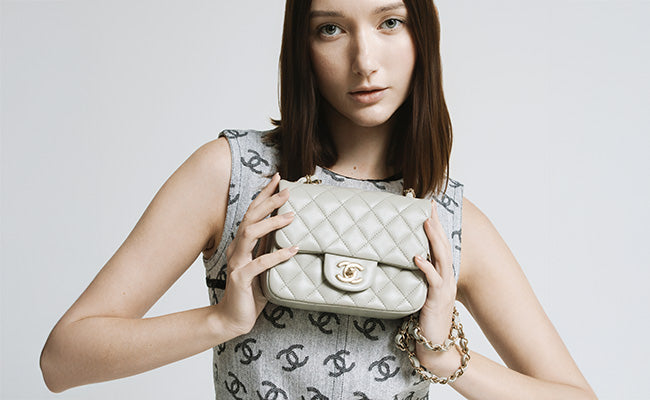
The 2.55 Reissue rocks a pure metal chain strap, and it’s lighter than you might expect. That’s straight from Coco Chanel’s original idea: elegance you could actually use, not just admire from afar. The lighter chain makes this bag practical for everyday life, not just special events.
The Boy Bag, though? That’s a different story. Its thick, heavy chain doesn’t just look cool. It keeps the boxy bag balanced and sturdy. It’s not just for show; the extra heft helps keep the bag from feeling flimsy.
The Classic Flap finds a middle ground. Its signature chain has leather woven through the links, making it softer on your shoulder and spreading out the feel of the strap. It’s comfy enough for day or night, but still feels high-end and substantial.
Balancing Classic and Modern Appeal
Chanel uses chain weight to say where a bag fits in the lineup. The classic chain on the old-school flaps appeals to folks who love tradition and subtlety. Those moderate-weight chains feel elegant, never over-the-top.
Some limited-edition bags go all out with jeweled, pearled, or gold-detailed chains. Sure, they can feel heavier, but that’s the point. They’re meant to be collector’s items, not everyday bags. The extra presence adds to their aura as investment-worthy pieces.
Newer bags split into two camps: super-light WOCs for practicality, or heavy Boy Bags for a statement. It’s a sign of changing tastes. Some want comfort and ease, others want a bag that makes an entrance.
Classic Flap and 2.55: The Origins of Signature Chains
The original 2.55 from 1955 had a pure metal chain, while Lagerfeld’s Classic Flap from 1983 introduced the now-iconic leather-woven chain.
The 2.55 and the Pure Metal Chain
When Coco Chanel launched the 2.55, she gave it an all-metal chain. No more dainty bags you had to clutch. This chain freed up women’s hands and looked chic at the same time.
The 2.55 Reissue still honors that design, pairing the uninterrupted metal chain with the Mademoiselle lock. The chain’s weight isn’t just for looks. It helps the bag sit right on your shoulder and keeps the soft, quilted leather from sliding around.
The Double Flap Evolution: Leather Interwoven Chains
Lagerfeld shook things up in 1983 by weaving leather through the chain for the Classic Flap. That tweak made the strap more comfortable.
This leather-and-chain combo became the Classic Flap’s calling card. The CC turn-lock replaced the old lock, and the double flap inside became standard (single flaps stuck around for a bit, but Chanel phased them out).
The new strap fixed a real problem: the all-metal chain could dig in if you loaded the bag up. With leather in the links, you get the shine of metal plus some cushion and flexibility.
Boy Bag and Chanel 19: Modern Styles, Bold Chains
The Boy Bag and Chanel 19 show off Chanel’s modern take on chains. Here, heavier hardware isn’t just for looks. It’s part of the bag’s structure and attitude. These chains are way weightier than many vintage styles, and that’s no accident.
The Boy Bag: Chunky Statement Chains
The Boy Bag, out since 2011, uses thick, industrial-style chains. Leather’s woven through, but the links are chunky, echoing the bag’s masculine, boxy shape.
The chain on the Boy Bag feels heavier and bulkier than the Classic Flap or 2.55. That extra weight helps keep the bag balanced, especially if you wear it crossbody.
Hardware finishes change with each collection: shiny gold, shiny silver, matte gold, and ruthenium (that dark, gunmetal look). Ruthenium, especially, gives the Boy Bag its edge.
That hefty chain gives the Boy Bag a real presence. Honestly, it feels more solid than a Classic Flap of the same size. Some collectors love that. It feels modern and tough.
The Chanel 19: Tricolour and Chain Play
The Chanel 19 mixes things up with a strap that combines three finishes: silver, ruthenium, and aged gold. It’s lighter than the Boy Bag’s, but still feels more substantial than many older chains. The tricolour mix stands out, matching the bag’s oversized quilting.
The chain strap is laced with leather, so it has a slightly softer feel and a different drape than a plain metal chain. The bag’s slouchy shape means the chain doesn’t have to do as much heavy lifting.
Materials Behind the Chains: Weight, Durability, and Aesthetics
Chanel’s chain game is all about the materials. Metal type, leather, and any extras change how heavy or delicate a bag feels, and how long it’ll last.
Metals Used and Their Impact
Chanel hardware is often brass-based, tough enough to last, but not too heavy. Then it’s finished in different ways: light gold, ruthenium (dark gunmetal), silver-tone, or black for special editions.
Light gold finishes don’t add much weight but give that classic Chanel shine. Ruthenium reads darker and tends to show wear differently. The Boy Bag usually gets thicker, heavier hardware than the Classic Flap.
Around 2008, Chanel phased out 24K gold-plated hardware and shifted to gold-tone metals and other finishes, depending on the piece.
How the links are made matters, too. Solid links weigh more than hollow ones. Big bags like the Maxi Classic Flap often get thicker chains than the small ones, so you can feel the difference.
Leather, Mixed and Embellished Chains
Woven lambskin changes the feel of the chain and adds texture. Cruise and Métiers d’Art bags often match or contrast the chain’s leather to the bag.
Calfskin can show up too, and it tends to feel firmer than lambskin. Some seasonal bags use grained calfskin, which holds up better than smooth leather.
Add-ons like camellia charms, resin pearls, or enamel hardware can add noticeable weight. Limited editions with extra embellishments can change the balance, too.
Hardware Variations: The Impact on Chain Weight and Feel
The finish on Chanel’s hardware can change the chain’s overall feel. Polished, matte, and aged metals all bring their own quirks.
Shiny, Matte and Aged Metals
Polished gold and silver hardware can feel the heaviest when the links and hardware are more substantial. If you’ve held a Classic Flap with polished gold hardware, you know it’s got some heft.
Matte and light gold finishes can read more understated, and the hardware can feel lighter depending on the chain build. The 2.55’s reissue chain often comes in aged gold or ruthenium. These look rustic and can feel different from the shiny stuff.
Black hardware and “So Black” editions use a special coating. They look bold and wear differently over time.
Collectible and Limited Edition Chain Styles
Seasonal hardware can get wild. Pearl-encrusted CC closures add real weight, since each pearl needs extra metal to stay put.
Rainbow hardware and jewel-heavy chains from special collections can be noticeably heavier than standard. Some novelty clutches and filigree-style pieces are more art than accessory. Weight isn’t really the main concern with those.
Vintage bags from 1985 to 2008 with 24K gold-plated hardware often have hallmark symbols on the CC hardware corners (like W or ///). These can feel heavier thanks to real gold plating.
Chain Weight, Comfort, and Chanel Buyer Psychology
Chanel tweaks chain weights based on how people actually use their bags. They know a Mini owner’s needs differ from someone carrying a GST to work. It’s not just about looks. Chain weight changes how a bag feels, its value, and who it appeals to.
Wearability Across Different Lifestyles
You see Chanel’s thinking when you compare bags made for different lives. The Mini, for example, can have a surprisingly substantial chain for such a small bag. Since it’s often worn crossbody at night, the chain helps it drape well and keeps it from bouncing around.
The GST and PST went the other way, with leather-woven chains and comfort-focused strap details. They’re workhorses, meant for daily use, so comfort matters more than drama. If you’re shopping at 31 Rue Cambon for a work bag, you want something you can carry all day.
Then there’s the Deauville, with its lighter-feeling strap setup, perfect for a casual, beachy vibe. Chanel knew people wouldn’t wear this canvas tote for fancy events where a heavy chain is part of the allure.
Trend Influence and Generational Appeal
Chain weight ties directly to which generation Chanel aims for with certain bag styles. Younger buyers, especially those drawn to Chanel Minis, often chase that "snob effect" you hear about in luxury circles, where a heavier chain screams exclusivity and “investment piece.” Honestly, those chunky chains just look better in photos and make that satisfying click you get from a real-deal Chanel.
Collectors who've been around the block care less about showing off and more about actually wearing their bags. They tend to prefer Boy Capel-inspired designs, where the chain weight feels right, enough presence, not a shoulder-buster. These folks know Chanel doesn’t need to go overboard with hardware to prove it’s luxury.
Chanel’s whole limited-edition game plays into chain preferences too. When a Métiers d’Art piece drops, people focus on scoring the bag, not nitpicking the chain specs.
Authentication Insights: Identifying Chain Types and Weights
Chain construction is a dead giveaway between real Chanel and fakes. Chanel’s manufacturing standards create a feel and look that knockoffs rarely nail. Weight, link patterns, finish, all of it.
Recognizing Authentic Chains
An authentic Chanel chain feels solid and balanced from end to end. When you pick it up, there’s a definite heft, never hollow or weirdly weighted.
Link patterns are precise and style-specific. Classic flaps should have consistent, even links that sit together cleanly, with no gaps or rough bits. Each link connects smoothly, and you won’t see ugly solder marks or awkward joins.
Key markers to look for:
- Even link thickness the whole way
- Metal color and finish are consistent (no weird discoloration)
- Hardware often has a subtle Chanel logo stamp
- Edges are rounded and smooth (no pokey bits)
- Weight matches the bag’s size and vibe
A real chain moves easily and doesn’t snag or kink when you lay it flat.
Common Counterfeit Red Flags
Fake chains just feel off, usually lighter, sometimes obviously hollow. That weight difference is one of the best quick checks for authenticity.
Counterfeit links often have gaps or are misaligned. Sometimes they’re thinner, or the sizes jump around. You’ll spot rough edges or sloppy finishing, stuff Chanel would never let slide.
Red flags include:
- Chain feels light or hollow
- Link sizes or spacing are inconsistent
- Logos are missing or poorly stamped
- Metal color is off or tarnished
- Sharp edges or visible flaws
- Links catch or stick
Counterfeit chain finishes usually feel cheap, maybe plasticky, or the plating chips with just a little use.
Frequently Asked Questions
Chain weight affects everything from spotting fakes to how durable your bag is. Chanel’s material choices reflect a pretty long history of balancing practicality with that luxury feel.
How do varying chain weights influence the resale value of different Chanel bag styles?
Resale value depends on style, size, condition, and demand. Chain weight can influence how a bag feels in hand and how buyers perceive the hardware, especially on styles where the chain is part of the look.
Classic styles like the Classic Flap, 2.55 Reissue, and Boy Bag tend to hold value well, and hardware details can play into buyer preference. Weight is something buyers can actually feel, so it often becomes part of the craftsmanship check.
Limited editions with unique chain treatments often fetch a premium. The special chain finish and construction can play a huge part in collectability.
What are the reasons behind Chanel's choice of chain weight for their luxury bag collections?
Chanel picks chain weights to match how each bag should look and function. The Classic Flap uses a leather-woven chain that’s elegant but practical enough for daily use. The Boy Bag’s heavier chain matches the bag’s bold, structured vibe.
History influences these choices too. The chain strap is often linked to key chains worn at Coco Chanel’s convent and to the straps on soldiers’ bags. Different weights bring out different vibes and stories.
Functionality matters. Bigger bags need sturdier chains to handle the load, while smaller bags may use slimmer chains depending on the style.
How does the chain weight of a Chanel bag affect its overall comfort and wearability?
Lighter, leather-interwoven chains like on the Classic Flap spread the feel of the strap better across your shoulder. They don’t dig in the way a firm, all-metal chain can, so they’re comfier for long wear.
The 2.55 Reissue’s all-metal chain can feel less forgiving on the shoulder if you’re carrying a lot or wearing it all day. Some people love that solid feel. Others find it a bit much.
Boy Bags are a different beast. Their thick chains add real weight, but the upside is they don’t tangle or twist as easily as thinner ones.
Can the chain weight give clues to the authenticity of a Chanel bag?
Absolutely. Real Chanel chains feel substantial, and fakes often miss that balance. Counterfeit bags commonly use cheaper metals or weaker construction, so the weight and feel are off.
You can check authenticity by looking at how the chain attaches to the bag and feeling for consistent weight along the whole strap. Genuine Chanel chains are uniform; fakes are usually irregular.
Vintage pieces (through 2008) can feature 24K gold-plated hardware with a distinct heft and warmer tone. There may be a tiny hallmark symbol on one of the corners of the CC hardware, and the difference in feel can be noticeable once you’ve handled both.
What is the impact of chain weight on the structural integrity of Chanel bags over time?
Heavier chains can put more strain on the attachment points, especially on leather or fabric bags, which can stretch over years of use. Chanel reinforces these spots with careful construction to help prevent damage.
More structured bags may show less distortion at the attachment points than softer silhouettes. Softer bags like the Classic Flap can stretch a bit near the chain anchors with heavy use over time.
All-metal chains tend to stay stable over time, while leather-woven chains need more care since the leather and metal can wear differently as the years go by.
How does the selection of chain materials relate to Chanel's branding and design aesthetics?
Chanel plays with different chain finishes, shiny gold, ruthenium, So Black, to craft unique looks in its lineup, yet you can always spot that signature Chanel vibe. Each finish seems to speak to a different taste or maybe just what someone wants to pair with their outfit that day.
They've brought in unexpected finishes too, like iridescent hardware and other seasonal experiments. It’s a bit bold, honestly, but it keeps things fresh and catches the eye of collectors who want something edgy but still unmistakably Chanel.
Material choices still echo Coco Chanel's original idea: luxury should work for you. That chain strap? It was a game changer, letting women finally use their hands. Even now, the weights and feels of different styles keep that practical spirit alive.
Love Hermès? See More from Rome Station
Add us to your Preferred Sources on Google to see our newest Hermès guides and insider tips first.