


What Vancouver Sellers Should Check Before Choosing a Luxury Consignment Store
TL;DR
If you are choosing a luxury consignment store in Vancouver, start with authentication, brand expertise, seller terms, item care, and buyer trust. The right store should understand premium brands, explain its process clearly, protect your pieces while they are in its care, and position them in front of serious luxury buyers.
For high-value items such as Hermès, Chanel, Van Cleef & Arpels, and other collectible pieces, the decision is not only about commission. It is about confidence, expertise, and long-term value.
Sellers should compare consignment, buyout, and trade-in options, ask about authentication standards, review condition requirements, and choose a partner that handles luxury goods with the care they deserve.
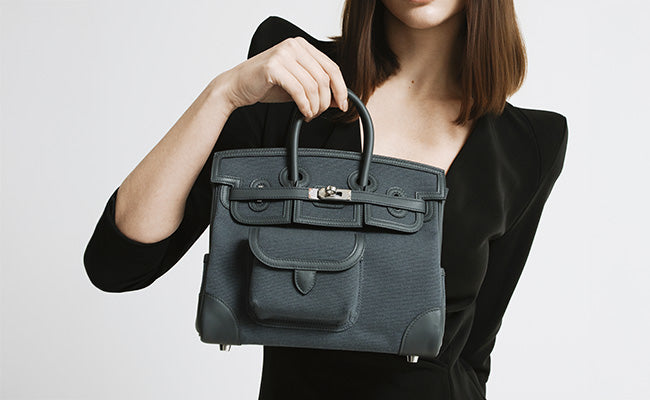
Check out our Hermès collection and Birkin bags!
Selling a luxury piece should feel considered, secure, and worthwhile, not uncertain. For Vancouver sellers, choosing the right luxury consignment store can make a meaningful difference in how your item is valued, presented, authenticated, and ultimately sold.
Luxury resale is especially sensitive when the item carries strong collector demand. A Hermès handbag, a Chanel classic, or a fine jewellery piece from Van Cleef & Arpels needs more than a basic listing. It needs proper authentication, informed pricing, careful handling, and access to buyers who understand rarity, condition, and long-term desirability.
Before you consign, verify the store’s authentication process, commission breakdown, brand specialties, and how they have handled pieces like yours in the past. These details shape how protected you feel, how buyers respond, and whether your item is positioned with the level of care it deserves. This guide explains what Vancouver sellers should check before choosing a luxury consignment partner.
Key Takeaways
- Authentication, brand expertise, and buyer trust should matter as much as the commission percentage.
- High-value pieces need careful pricing, strong presentation, clear seller terms, and proper item protection.
- The best resale partner offers luxury, convenience, and confidence through transparent service and category-specific expertise.
Featured Products


Reputation and Brand Expertise
A store’s reputation shapes how confidently buyers engage with its inventory and how seriously your item is treated from the first evaluation. For luxury sellers, the strongest partner is usually the one that understands the difference between general resale and specialist resale.
Track Record and Seller Confidence
Look for a store with a clear history in luxury resale, visible expertise, and a service model that supports both buyers and sellers. A trusted consignment partner should be able to explain how it evaluates items, how it positions rare pieces, and how it protects buyer confidence throughout the process.
For Vancouver sellers, reputation is not only about visibility. It is about whether the store has earned trust with clients who buy and sell premium pieces. A store that works with collectors, private clients, investors, and resellers should understand that authentication, rarity, condition, and long-term value all affect the selling experience.
Ask whether the store specializes in the brands you are selling. A general fashion resale shop may be suitable for broad designer inventory, but rare Hermès handbags, collectible Chanel pieces, and select fine jewellery require deeper market knowledge.
Depth of Designer Knowledge
When a store handles luxury brands regularly, it is more likely to understand the details that matter. This includes leather type, hardware finish, date or production markings, stitching, structure, sizing, colour desirability, and whether a piece belongs to a more collectible category.
For Hermès, this level of knowledge is especially important. Sellers should look for expertise in styles such as Birkin, Kelly, Constance, Evelyne, and other sought-after designs, along with an understanding of condition, rarity, leather type, colour, hardware, and provenance.
Chanel pieces also require category-specific knowledge. Classic Flap bags, Boy bags, Wallet on Chain styles, seasonal pieces, and vintage designs can vary widely in desirability depending on age, condition, size, hardware, and overall demand. A store that understands these details can describe and position the piece more effectively.
Presence of Premier Labels
Buyers searching for Hermès, Chanel, Van Cleef & Arpels, and other premium names expect the selling environment to feel refined and credible. If a store regularly works with these categories, it is more likely to attract clients who understand their value.
Premier labels also require more careful handling. A high-value handbag or jewellery piece should not be treated like ordinary inventory. It should be photographed well, described accurately, stored properly, and supported by a clear authenticity process.
Ask whether the store has recently handled similar pieces and how it approaches valuation. You do not need unsupported promises or inflated estimates. You need a realistic view of demand, condition, and positioning so the piece can be offered with confidence.
Authentication Standards and Buyer Confidence
Strong authentication is one of the most important parts of luxury resale. It protects the seller, reassures the buyer, and supports the long-term reputation of the store. For high-value items, vague assurances are not enough.
Verification Processes and Policies
Look for a store that uses trained expertise rather than relying only on packaging, receipts, or surface-level checks. Proper verification includes reviewing materials, stitching, construction, hardware, stamps, engravings, serial details, and brand-specific features.
For Hermès, this may involve careful review of leather, construction, blind stamps, craftsman-related details, edge finishing, hardware, and overall craftsmanship. For Chanel, authentication often depends on construction, quilting, leather, hardware, serial details when applicable, interior finishing, and era-specific characteristics.
Fine jewellery needs its own level of review. A Van Cleef & Arpels piece should be assessed with attention to markings, craftsmanship, design consistency, materials, and documentation when available. Authentication standards should be careful, conservative, and clearly communicated.
Transparency and Guarantee Practices
A written authenticity guarantee adds confidence to the transaction. Sellers should ask what guarantee the store provides, how it supports buyers after purchase, and what documentation is included with the item.
Rome Station’s positioning is built around luxury, convenience, and confidence, with a strong focus on authentication and a lifetime authenticity guarantee. For sellers, this matters because a trusted authentication promise can make serious buyers more comfortable with high-value purchases.
Luxury buyers expect more than a verbal statement. They want clear descriptions, honest condition notes, and confidence that the item has been reviewed by a knowledgeable seller. A store that communicates these details well can reduce hesitation and protect the value of the listing.
Handling of Counterfeit or Unverified Merchandise
A credible luxury resale partner should reject items that cannot be authenticated with confidence. This protects the seller’s reputation, the buyer’s trust, and the overall strength of the marketplace.
Ask what happens if an item does not pass review. A responsible store should have a clear process for declining questionable items and should avoid listing pieces that cannot be verified. In luxury resale, being selective is not a weakness. It is one of the strongest signs of professionalism.
Commission, Buyout, Trade-In, and Consignment Terms
Seller terms directly affect convenience, timing, and final return. A strong offer is not always the highest estimate. It is the option that best matches your goals, your timeline, and the value of the piece.
Consignment Terms and Commissions
Consignment can be attractive when you are willing to wait for the right buyer. The store markets the item, handles the sale process, and pays the seller according to the agreed structure once the item sells.
Do not look only at the commission percentage. Ask what services are included. Professional photography, authentication, pricing expertise, client outreach, secure storage, and buyer support can all influence the final selling experience.
Also review markdown policies. Some stores reduce pricing after a set period, which can affect your payout. A thoughtful resale partner should balance fair pricing with enough time for the right buyer to come along.
Upfront Buyouts Versus Consignment Payouts
If you want speed and simplicity, an upfront buyout may be the better choice. A buyout usually offers immediate convenience because you sell the item directly to the store instead of waiting for a buyer.
Consignment may offer a stronger return if the item sells well, but it requires patience. A buyout may offer less than the potential consignment result, but it removes uncertainty and gives the seller a faster outcome.
For rare Hermès handbags, Chanel classics, and other highly desirable luxury pieces, ask for a clear explanation of both options. A reputable store should help you understand the tradeoff between convenience and potential return without pressuring you.
Trade-In Options and Seller Flexibility
Trade-ins can be useful if you want to move from one luxury piece into another. This is especially relevant for sellers who are refining a collection, upgrading condition, changing colours, or seeking a rarer style.
Rome Station offers buyouts, trade-ins, and consignment, which gives sellers more flexibility than a single resale model. For collectors, this matters because the best choice may depend on whether the goal is cash, credit toward another piece, or long-term collection strategy.
Before committing, ask how trade-in value is calculated, what pieces qualify, and whether the store has inventory that aligns with your next purchase. The process should feel transparent and tailored, not rushed.
Curated Selection and Desirability of Goods
What a store accepts says a great deal about its standards. Luxury resale depends on careful curation, because buyers respond to quality, condition, rarity, and trust.
Condition Requirements for Acceptance
Most luxury consignment stores hold high condition standards. They may not accept pieces with obvious stains, heavy odour, structural damage, excessive wear, colour transfer, or missing elements that materially affect value.
Condition matters differently depending on the item. A rare Hermès bag with gentle wear may still attract strong interest, while a more common seasonal item may need to be in excellent condition to perform well. A skilled resale partner understands these differences.
For handbags, corners, handles, hardware, interior lining, structure, stitching, glazing, and overall shape are important. For jewellery, markings, surface wear, clasp function, stones, setting condition, and documentation may all influence buyer confidence.
Popular Categories and In-Demand Pieces
Handbags often receive the most attention in luxury resale because they combine everyday function with collectibility. Structured leather bags, neutral colours, classic silhouettes, and limited or hard-to-access pieces can be especially desirable.
Hermès remains one of the strongest categories in the collector resale market because many coveted styles are difficult to access through traditional retail. Chanel classics also carry broad recognition and strong buyer interest, especially when condition, colour, and hardware align with current demand.
Select jewellery from respected maisons can also attract serious clients, particularly when the piece is well documented and carefully presented. The key is not simply the brand name. It is the combination of authenticity, condition, rarity, and desirability.
Presentation and Listing Quality
Presentation can influence how quickly buyers engage with a piece. Clear photography, accurate descriptions, measurements, condition notes, and provenance details reduce hesitation.
For handbags, strong listings should show the front, back, sides, base, interior, handles, strap, hardware, stamps, corners, and any visible wear. For jewellery, listings should clearly show markings, clasp details, scale, materials, and any included box or documentation.
A store that invests in presentation shows respect for the item and the buyer. In luxury resale, that level of care supports confidence and helps preserve perceived value.
Customer Experience and Service Quality
Selling on consignment should feel professional and supportive from start to finish. Strong service helps sellers understand the process, feel protected, and make decisions with clarity.
Ease of Selling
The intake process tells you how much a store values your time. Look for clear instructions on how to submit an item, what brands and categories are accepted, how authentication works, and what happens after evaluation.
A good resale partner should make the process convenient without making it feel careless. High-value luxury items deserve a careful review, but sellers should still understand the timeline, communication process, and available options.
Remote evaluation, appointment-based service, and clear follow-up can all make selling easier. For private clients and busy sellers, convenience matters, especially when the store also maintains high authentication and handling standards.
Support for First-Time Sellers
If you are selling for the first time, choose a store that explains the process clearly. Ask about commission rates, payment timing, buyout options, trade-in possibilities, markdown policies, and what happens if the item does not sell.
The best stores help sellers set realistic expectations. They explain why certain pieces attract more demand, how condition affects pricing, and how rare or coveted items should be positioned.
This kind of support matters because luxury resale is not always intuitive. A seller may know what they paid for an item, but the resale outcome depends on current demand, condition, rarity, presentation, and buyer confidence.
Buyer Experience Matters Too
Sellers should also consider how the store treats buyers. A refined buyer experience can support stronger trust, especially for high-value purchases.
Luxury buyers often want confidence before committing. They may ask about authenticity, condition, provenance, shipping, returns, or after-sale support. A store that answers these questions professionally can help reduce friction and support the sale.
Rome Station’s customer-first luxury experience is relevant here. Sellers benefit when buyers feel guided, reassured, and respected throughout the purchasing journey.
Sustainability and Value Retention
Luxury consignment blends environmental responsibility with smart ownership. Well-made pieces can continue to be worn, collected, and appreciated when they are authenticated, cared for, and placed with the right buyer.
Role in Circular Luxury
Sustainability is an important part of modern luxury resale. By giving well-made pieces a longer life, resale keeps desirable items in circulation and reduces the need for every buyer to purchase new.
For sellers, circular luxury also protects the story of the item. A rare handbag or carefully kept jewellery piece deserves a second chapter that reflects its quality. The right resale partner treats the item as a luxury asset, not just a used product.
When stores invest in authentication, cleaning where appropriate, careful photography, honest descriptions, and proper storage, items can maintain their appeal even after changing hands.
Longevity and Resale Performance
How well an item holds value depends on condition, brand, rarity, demand, and presentation. Heritage brands with strong recognition often perform better when the store understands how to price and position them properly.
Hermès, Chanel, and Van Cleef & Arpels are widely recognized luxury maisons, but not every item from these brands performs the same way. Colour, size, material, age, condition, documentation, and buyer demand all matter.
Ask how long the store will actively market the item before adjusting the price. A thoughtful partner will avoid both extremes: pricing so high that the item stalls or discounting too quickly before the right buyer has had time to respond.
Final Thoughts
Choosing a luxury consignment store in Vancouver is ultimately about trust, expertise, and fit. The right partner should protect your item, understand its market, and give buyers the confidence to purchase with clarity.
For rare Hermès handbags, select Chanel pieces, and investment-grade luxury items, Rome Station offers a refined resale experience built around authentication, convenience, and collector-focused expertise.
Fact Check and Data Sources
This article focuses on widely accepted luxury resale considerations, including authentication, condition, rarity, documentation, seller terms, and buyer confidence. Brand-specific references are kept selective and tied to official brand information where relevant.
Hermès handbag and leather goods references can be reviewed through the official Hermès website.
Claims about resale outcomes have been softened to avoid unsupported guarantees. Actual selling performance can vary based on brand, model, condition, rarity, documentation, timing, and buyer demand.
Frequently Asked Questions
What should Vancouver sellers look for in a luxury consignment store?
Is consignment or buyout better for selling a Hermès bag in Canada?
Why does authentication matter so much when selling luxury handbags?
What makes Rome Station different for Hermès resale in Canada?
Do I need the original box, receipt, or dust bag to sell a luxury piece?
How does condition affect the resale potential of a Hermès or Chanel bag?
Can sellers trade in a luxury handbag instead of consigning it?
Love Hermès? See More from Rome Station
Add us to your Preferred Sources on Google to see our newest Hermès guides and insider tips first.