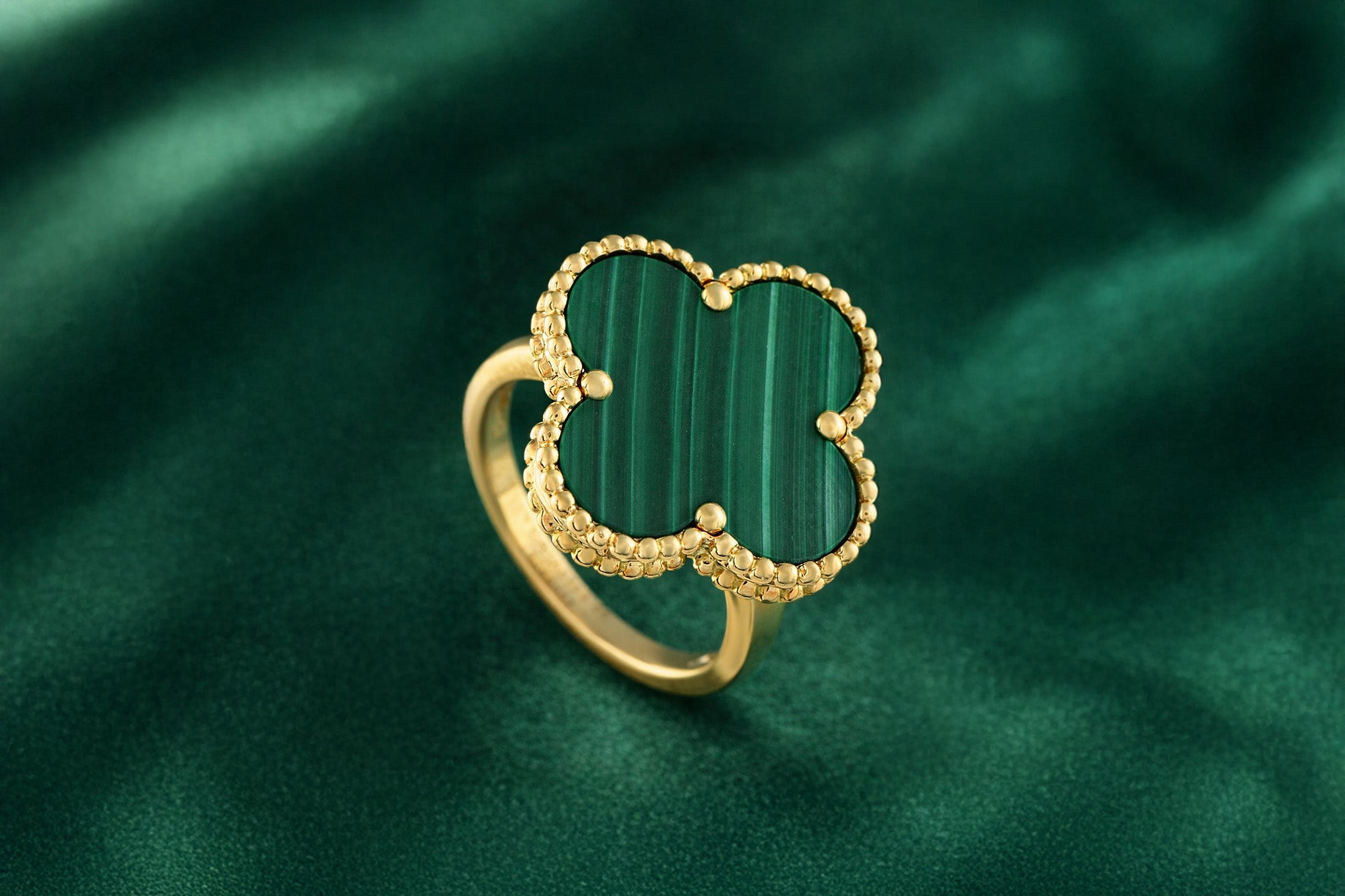

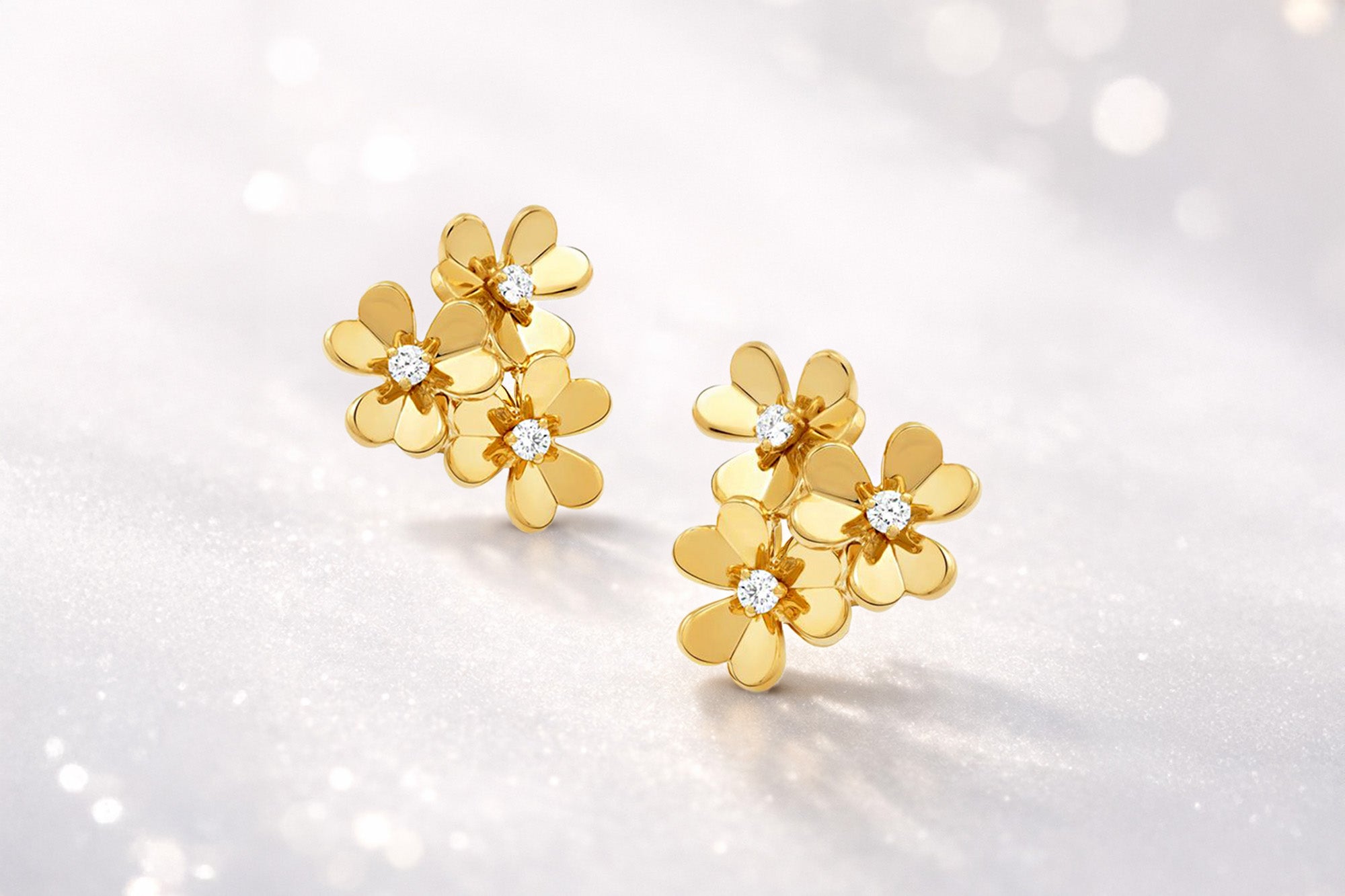
How to Evaluate Clasp Tension in Pre-Owned Van Cleef & Arpels Jewelry
Check out our Van Cleef & Arpels collection!
When you’re buying pre-owned Van Cleef & Arpels jewelry, the clasp is one of those sneaky details that tells you a lot about the piece’s past. It’s easy to get distracted by the sparkle and motifs, but a tired clasp can really mess with both security and value.
We’ve seen some gorgeous Alhambra bracelets and necklaces let down by weak clasps, don’t let that happen to you. Checking clasp tension before you buy gives you peace of mind and helps your investment hold up over time.
Van Cleef & Arpels put serious thought into their clasp mechanisms, but daily wear can slowly wear out springs in lobster clasps or loosen hinges in box clasps. Unlike a scratched motif or a broken chain, clasp issues sneak up on you. Let’s dig into how you can spot a clasp that’s still doing its job the way Van Cleef intended.
Knowing what healthy tension feels like and spotting red flags saves you from regret and, honestly, losing something precious. Whether you’re eyeing a Vintage Alhambra bracelet or a Sweet Alhambra necklace, getting the clasp right means you can shop the secondary market with a lot more confidence.
Key Takeaways
- Clasp tension isn’t just technical, it’s about keeping your VCA secure and holding value.
- Different collections use different clasp types, so you’ll need to tweak your approach depending on the piece.
- Sometimes, a pro can bring a clasp back to life and help your jewelry last even longer.
Understanding Clasp Tension and Its Importance
Clasp tension is what keeps your Van Cleef & Arpels piece safely fastened. It’s a detail that separates a cherished, wearable treasure from something you’re always worried about. When it fails, you’re not just annoyed, you could lose jewelry worth thousands.
What Is Clasp Tension?
Clasp tension is basically how much resistance you feel when opening and closing the clasp. For most VCA jewelry, that means a lobster clasp that should snap shut confidently and stay put.
When you press down on a real VCA clasp, you should feel a smooth, even resistance. It shouldn’t stick, grind, or feel wobbly. That “just right” feeling comes from the quality of the spring inside and the way it’s put together.
But as you wear a piece, tension fades. The spring softens, or the metal gets worn where it rubs together. Pre-owned pieces, especially those worn a lot, are more likely to have this issue. We’ve handled plenty of vintage Alhambra necklaces with clasps that technically close but don’t really inspire confidence.
Why Clasp Functionality Matters for Luxury Jewellery
A solid clasp protects your investment. One Vintage Alhambra pendant can set you back thousands, and that’s before you even get into rare stones or limited editions.
There’s more to it, though. These pieces are often gifts or family heirlooms, if the clasp fails and you lose it, that stings in a way money can’t fix.
And let’s be real: if you’re always fiddling with your bracelet or checking your necklace, you’ll probably just stop wearing it. Van Cleef & Arpels made these to be worn and loved, not to be a source of stress.
Potential Risks from Poor Clasp Tension
Losing the piece is the big risk. A weak clasp can pop open at the worst possible time, especially on bracelets, and you might not notice until it’s gone.
Weak tension can also damage the chain. If the clasp doesn’t close right, the chain might slip and get caught or bent. We’ve seen delicate Alhambra chains end up permanently kinked from this.
And if your pendant falls, stones or motifs can get damaged. Mother-of-pearl can crack, onyx chips, and gold settings bend. Sure, Van Cleef can repair a lot, but some older materials are tough or impossible to replace.
A loose clasp also causes extra wear on the jewelry. All that movement scratches the gold and wears out the jump rings, which only speeds up the decline, and hurts resale value if you ever want to part ways.
Spotting Authentic Van Cleef & Arpels Clasps
You can spot a real Van Cleef & Arpels clasp by its crisp engravings, collection-specific details, and overall quality. Fakes just can’t quite nail it.
Signature Clasp Styles and Designs
Van Cleef & Arpels uses different clasps depending on the collection and era. Vintage Alhambra usually comes with a lobster clasp and a diamond-shaped plate, while Sweet Alhambra pieces have smaller, daintier lobster clasps.
Modern Vintage Alhambra pieces show off that flat diamond plate engraved with the VCA logo, perfectly centered. The plate should sit flush, no weird gaps or crookedness.
Older pieces might have a rounder lobster clasp without the logo plate, with hallmarks stamped on the clasp or nearby jump ring.
Pure Alhambra uses box or hinge clasps that disappear into the design when closed. They should line up exactly, no awkward gaps.
No matter the style, Van Cleef & Arpels keeps things smooth and solid.
Maker's Marks and Engravings
Every legit Van Cleef & Arpels clasp or its nearby jump ring should have hallmarks that prove it’s the real deal. Look for VCA AU750 on 18k gold pieces, and check the depth and clarity.
Engraving quality matters, a lot. True pieces have deep, sharp engravings you can feel with your nail. Letters are crisp, with the crossbar on the “A” and the diagonal on the “7” standing out under a loupe.
Fakes usually have shallow, weak markings, sometimes laser-etched and barely there. The letters might look thin, shaky, or uneven.
Hallmarks to check:
- VCA trademark
- AU750 (for 18k gold)
- Serial number (unique to each piece)
- French eagle’s head or St. Bernard’s head
Serials should be straight and evenly engraved, usually on the diamond plate or a nearby tab. In some cases, Van Cleef & Arpels boutiques may be able to confirm serial information, though availability and scope vary by piece, age, and region.
Comparing Genuine and Fake Clasps
The biggest giveaway between real and fake Van Cleef & Arpels clasps is the mechanism and finish. An authentic clasp closes with a satisfying click and holds tight, no wobble.
Try opening and closing it a bunch of times. The spring should always feel the same: not loose, not sticky. Fakes often feel flimsy, grind, or wobble once closed.
Weight is another clue. Real clasps feel substantial, 18k gold isn’t light. Fakes often feel suspiciously hollow.
| Feature | Authentic | Fake |
|---|---|---|
| Engraving depth | Deep, tactile | Faint, surface-only |
| Logo placement | Centered | Crooked or off-center |
| Mechanism | Smooth snap | Loose or grinding |
| Weight | Solid gold feel | Light, hollow |
| Finish | Mirror polish | Rough, visible marks |
On a genuine clasp, the finish is flawless, no scratches, no buffing marks, no dull patches. Where the mechanism meets the body, you shouldn’t see solder blobs or weird gaps. Fakes often have rough edges or misaligned parts that just don’t feel right.
Step-by-Step: How to Evaluate Clasp Tension Yourself
Testing clasp tension on a Van Cleef piece isn’t rocket science, but it does take some patience and the right setup. You want to catch subtle issues before they turn into real problems.
Essential Tools and Environment
Grab a 10x jeweler’s loupe and a soft microfiber cloth. Avoid tools that apply force, as improper handling can damage delicate clasp components.
Pick a spot with good, natural light. Overhead LEDs can cast shadows that hide tiny flaws, but sunlight really shows off metal fatigue and misalignment.
Lay down a padded tray in case anything slips. Those tiny springs inside Van Cleef clasps don’t like hard surfaces.
A white cloth as a background can help you spot gaps or misalignments at the clasp.
Physical Testing Techniques
Start by opening and closing the clasp about a dozen times. A real Van Cleef mechanism should feel smooth, not sticky, not loose, not squeaky. If it feels off, the spring could be on its way out.
Gently pull the closed clasp in opposite directions. Don’t yank, just steady pressure. It should hold firm, with no give at the closure.
Press the release lever and watch how it snaps back. It should return right away, same tension every time. If it’s sluggish, the spring may be tired.
Hold the piece vertically by the clasp and let it dangle. See if it stays shut or if it starts to slip.
Signs of Wear to Watch For
Look for any gaps where the clasp closes. Even tiny openings mean the mechanism might be bent or the spring is tired. Use your loupe for this.
Check if the jump rings are still perfectly round. If they’re oval, that’s a sign of metal fatigue, never good.
Peek inside the clasp for gunk or discoloration. Built-up residue can block the spring and wear things down faster.
If you see deep scratches or dents near the hinge or spring, that’s a red flag. Cosmetic marks aren’t the end of the world, but damage near moving parts can weaken things. If you’re thinking about resale, keep track of these imperfections.
Collection Nuances: Alhambra and Variations
Van Cleef & Arpels changes up clasp mechanisms across Alhambra subcollections. Vintage pieces from the ’70s to ’90s can be quite different from today’s. Sweet Alhambra has tinier, lighter clasps, while Magic Alhambra uses special mechanisms for transformable designs.
Alhambra Collection Clasp Details
Vintage Alhambra mostly uses lobster clasps for both necklaces and bracelets. Modern pieces have a flatter lobster clasp with that signature diamond plate and engraved VCA logo, sometimes even a serial code on the side.
The tension on these should feel solid. Opening a lobster clasp should take a bit of effort. If it pops open too easily or feels loose, it’s probably worn and may need a jeweler’s help.
Alhambra necklaces usually have hallmarks etched on a small plate near the clasp, letters and numbers, clear and deep, not faint. The clasp and chain links near it should fit tight, no gaps or weird wear.
Differences in Vintage and Modern Clasps
Older Alhambra pieces (pre-2010s) often have a rounder lobster clasp, no logo, and a “750” hallmark for 18K gold stamped right on the clasp or the round link nearby.
Some vintage pieces have French hallmarks like the eagle or dog’s head on the link next to the clasp, tiny, so you’ll need a loupe.
Modern clasps work smoother thanks to better manufacturing. Vintage ones might feel stiffer, but as long as they hold tight, that’s not a dealbreaker. Sometimes, you’ll see a patina on vintage clasps that matches the rest of the piece, a good sign of age, honestly.
The weight difference between old and new clasps isn’t huge, but if you handle both. Vintage ones can feel a bit heavier, different gold alloys back then, maybe a bit more metal in the mix.
Identifying Sweet Alhambra vs Magic Alhambra Mechanisms
Sweet Alhambra pieces come with smaller, lighter clasps that really match the collection’s delicate vibe. You’ll notice the clasp is thinner than the standard Vintage Alhambra versions. While most modern Sweet Alhambra pieces use a standard lobster clasp, they are notably smaller than the Vintage Alhambra version.
When you test tension on Sweet Alhambra clasps, go easy, these mechanisms are intentionally lighter. Even though they’re small, they should still snap shut firmly. If you feel any looseness, that’s a red flag for wear, especially since there’s less metal holding everything together.
Magic Alhambra transformable pieces are a different story. The long necklaces that double as bracelets use reinforced clasps, built to handle all that opening and closing. We really scrutinize the spring mechanism here, since these pieces get a workout.
The bracelet setup for Magic Alhambra puts extra stress on the clasps during transformations. It’s smart to check for tiny cracks around the attachment points with a magnifier, those can be early signs of metal fatigue from all the converting.
Common Issues Found in Pre-Owned Clasps
Pre-owned Van Cleef & Arpels pieces often show their age in the clasp. Springs get tired, the snap weakens, or the metal warps and won’t line up right. These issues can make your bracelet less secure or just plain annoying to fasten by yourself.
Misaligned or Warped Clasps
Metal warps with repeated stress or the occasional bump. We see this a lot on lobster clasps, where the lever arm stops sitting flush against the body, leaving a gap even when closed.
That diamond-shaped plate on Vintage Alhambra clasps can twist a bit if someone wore the bracelet too tight for a long time. When that happens, the VCA logo might look off-kilter, and the clasp won’t snap smoothly.
To check alignment, close the clasp and look straight at it from a few different angles. On a genuine, undamaged piece, the lever should line up perfectly with the body, no gaps, no daylight peeking through. If you spot a gap when it’s supposed to be closed, the clasp’s compromised.
A skilled jeweler can sometimes fix warping, but if the damage is bad, you might be looking at a full clasp replacement. That’s not cheap, and if you don’t get it done through Van Cleef & Arpels, it could ding the resale value.
Loose or Overly Tight Mechanisms
Springs lose their mojo over time, especially if someone opened and closed their bracelet a lot. A loose clasp won’t give you that satisfying click, and it might even pop open while you’re wearing it.
Try opening and closing the clasp ten times in a row. It should feel the same every time, not suddenly easier or harder. If the spring feels mushy or barely resists, it’s probably worn out.
Sometimes you’ll find a clasp that’s too tight. That’s usually from a bent lever or gunk inside the mechanism. We’ve also seen it on pieces that sat untouched for years, where the old oils have hardened up and made everything sticky.
If the clasp feels stuck, don’t force it. Pushing can crack the solder joints where the clasp meets the chain. Van Cleef & Arpels boutiques can sort out these issues and get the tension back to where it should be, without risking the metalwork.
Professional Authentication and Maintenance Advice
If you want your Van Cleef & Arpels jewelry to keep its value (and stay wearable), it pays to know when to get the pros involved and how to avoid clasp problems in the first place.
When to Seek Expert Evaluation
We always recommend getting a professional authentication when buying pre-owned VCA jewelry, especially if you’re dealing with private sellers or non-authorized shops. Certified gemologists and authentication services know how to spot genuine pieces, checking serial numbers, hallmarks, and craftsmanship.
If your clasp feels wobbly, won’t close properly, or just looks worn out, head to a Van Cleef & Arpels boutique or an authorized service center. The experts there can tell if the mechanism needs a tweak or a full replacement. Don’t wait for a total failure, you really don’t want to lose your jewelry.
Before selling, get a professional evaluation. Authenticated pieces with maintenance records fetch better prices. Most trustworthy authentication services can verify your item and provide certificates buyers actually care about.
Routine Care and Preventing Clasp Wear
A little maintenance goes a long way. We keep our VCA pieces in soft pouches, one per pouch, to keep chains and clasps from tangling or rubbing each other raw. It sounds basic, but it really helps.
Take your jewelry off before bed, workouts, or chores. Those activities put stress on clasps and expose them to chemicals that can eat away at the metal. After wearing, wipe your pieces gently with a soft cloth to get rid of oils and residue.
Every couple of years, have your Van Cleef & Arpels jewelry serviced by the brand. Their preservation service covers clasp inspections, cleaning, and minor tweaks. Catching small issues early saves you from big repairs later and keeps everything working smoothly.
Frequently Asked Questions
People ask about clasp tension all the time when buying pre-owned Van Cleef & Arpels. Knowing how to check the functionality helps you keep your investment safe and wearable.
How can you tell if the clasp on a Van Cleef & Arpels bracelet has loosened over time?
Try opening and closing the clasp a few times, feel for resistance. A good lobster clasp should snap shut firmly and need a bit of pressure to open.
If it opens with barely any effort or feels loose when you wiggle it, the internal parts are probably worn out. The spring inside should keep the tension steady the whole way.
It’s also worth shaking the bracelet gently to see if the clasp stays put. If it pops open on its own, the tension’s no good anymore.
What steps should you follow to assess the security of a clasp on a pre-loved VCA necklace?
First, check the clasp under good lighting. Look for bent pieces, scratches, or misalignment.
Then, open it using gentle, even pressure. It should release smoothly, no sticking or fighting you.
Once it’s closed, give both sides of the necklace a gentle tug. A secure clasp won’t budge or show gaps. If you notice movement or hear clicking, it’s probably time for a professional to look at the tension.
Are there specific signs of wear on Van Cleef jewellery clasps that you should look out for when assessing tension?
Thinning metal around the clasp opening is a big warning sign. This comes from friction and can make the whole mechanism weaker.
We always check the inside hook on lobster clasps. If the tip looks flattened or rounded instead of sharp, it’s seen a lot of use.
Surface scratches are normal, but deep grooves or misshapen spots can mean trouble. Discoloration or corrosion, especially on pieces that haven’t been cleaned regularly, is another thing to watch for.
The spring inside can lose its bounce, leading to slow closure or a weak hold. You might not see this, but you’ll feel it when you test the clasp.
Can you give tips for ensuring the clasp on a vintage Van Cleef piece is still in top form?
Ask for records of past repairs or servicing, these give you a sense of the clasp’s history. Even if a vintage piece seems fine, a pro cleaning and tension check can make a difference.
If you can, compare the clasp’s feel to a newer Van Cleef piece. Sure, older and newer designs aren’t identical, but the closing action should still feel crisp and secure.
Have a certified jeweler check the inside parts, old springs or hinges can wear out in ways you won’t spot right away. Good sellers usually offer this kind of assessment before sale.
Store vintage pieces carefully when you’re not wearing them. Don’t hang bracelets by their clasps; that can stretch the components over time.
What's the best way to test the clasp tension on a Van Cleef & Arpels piece without causing any damage?
Start with a visual check before you touch anything. Never force a stuck clasp, delicate mechanisms break easily.
Support the piece with both hands when testing, so the clasp isn’t bearing the full weight. Open and close it slowly, paying attention to how it feels along the way.
When testing closure, use only light, gentle tugs in different directions, don’t yank. That protects both the clasp and the chain.
Skip the tools. If you need extra leverage just to open it, something’s wrong. Better to have a professional take a look than risk breaking it.
How often should the tension of a clasp be checked on a Van Cleef & Arpels jewellery item to maintain optimal condition?
For pieces you wear often, checking the clasp every three to six months is a good idea. That way, you catch little issues before they turn into headaches (or, you know, expensive repairs).
If you wear a piece every day, just give the clasp a quick test once a month. It takes barely any time, just snap it open and closed, see if anything feels off, or if something looks different.
Anytime you drop the jewellery or it takes a hit, don’t wait, check the clasp right away. Even a small bump can mess with those tiny springs inside.
Van Cleef & Arpels generally suggests a professional check-up every 1–2 years or whenever you notice a change in feel. That includes a deep clasp check and any needed tweaks. It’s smart to book those appointments before anything seems wrong, not after.
Love Hermès? See More from Rome Station
Add us to your Preferred Sources on Google to see our newest Hermès guides and insider tips first.